 Ver en contexto
 Enviar
 Compartir
 Detalles

 Descargar
 Similares
 Radiografía
 Presentación de diapositivas
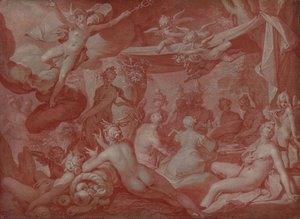
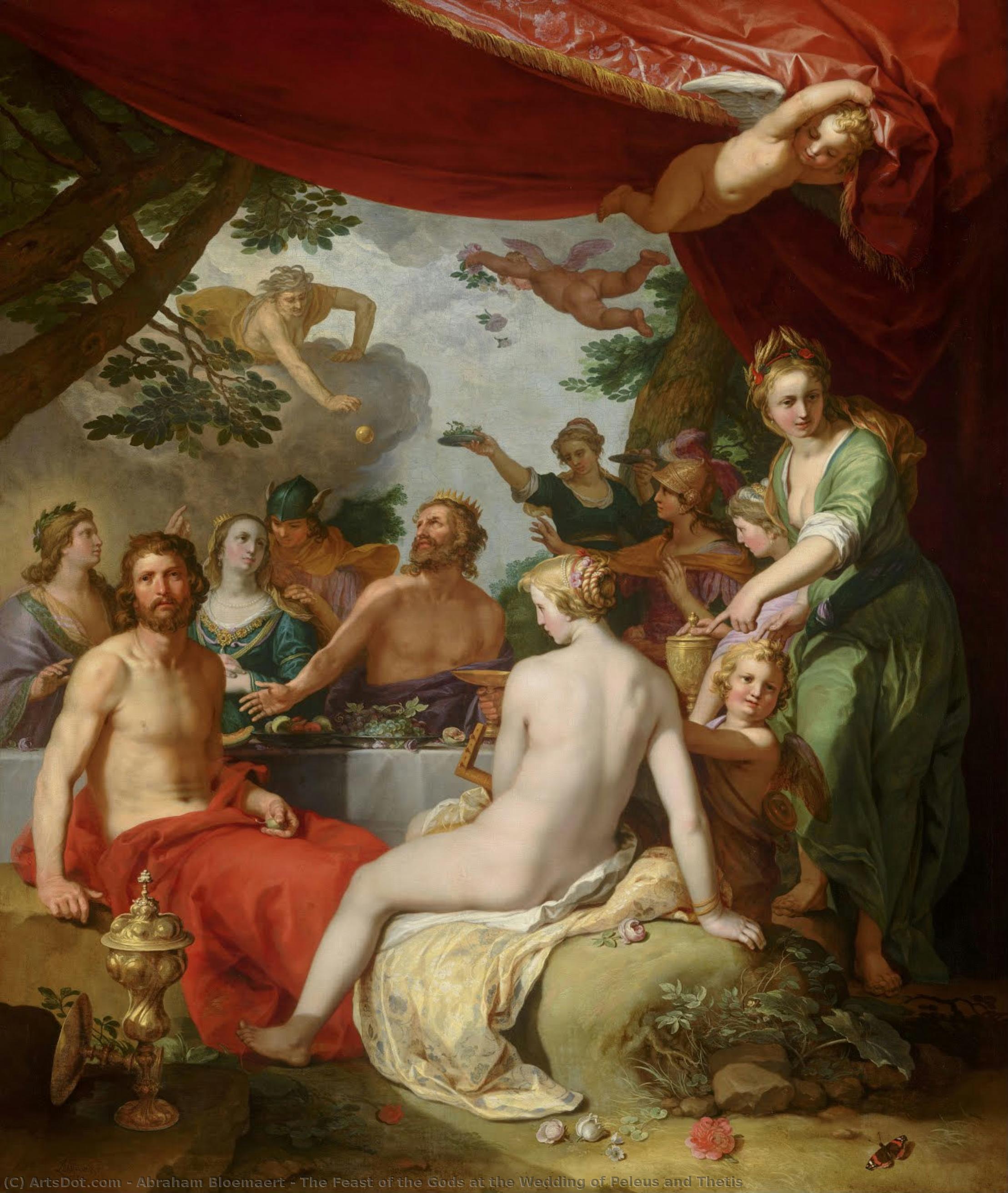
The Feast of the Gods at the Wedding of Peleus and Thetis
 Oil On Canvas
- WallArt
- Baroque
 1638
1638- Early Modern
 193.0 x 164.0 cm
 Mauritshuis
 Ver más
Reproducción al óleo hecha a mano
Óleo sobre lienzo pintado a mano en el tamaño y marco de su elección, realizado por encargo por nuestros artistas. ( Comprar impresión Comprar imagen)




P118B $10

P118H $10

P118W $10

P438Z $10

P508JH $12

P508YH $12

P805H $10

P805Z $10

P919BZ $10

P919G $10

P919XJ $10

P959ZH $10

P968JZ $12

W106C $8

W218G $10

W218JH $8

W218Y $10

W307PJ $10

W316G $10

W316PJ $8

W316Y $10

W398PJ $8

W4111J $10

W500HY $15

W500JH $15

W692G $12

W849H $8

W940BG $15

W953PJ $8




Elija entre nuestros tamaños predefinidos que respetan las proporciones originales de la obra.

Puede ingresar sus propias dimensiones para adaptarse a un marco o espacio específico. Si el tamaño seleccionado no coincide con las proporciones de la imagen original, recortaremos la obra o extenderemos la pintura con elementos adicionales pintados a mano. Se le enviará una maqueta digital para su aprobación antes de comenzar la producción.
Tenga en cuenta que la vista previa en pantalla no refleja el recorte o la extensión reales. Solo la maqueta mostrará con precisión la composición final.
Si bien existen tamaños personalizados, recomendamos seleccionar una dimensión de la lista predefinida para preservar las proporciones originales.
Tras realizar el pedido, el equipo de ArtsDot.com enviará un correo electrónico al cliente para solicitar instrucciones y proporcionarle una vista previa del boceto.
Envío a todo el mundo () en 3-4 semanas en lugar de las 5 semanas estándar. (5 septiembre). Sin comprometer la calidad.

Envío exprés gratuito a todo el mundo

Lienzo de lino de alta calidad

Seguro de envío total

Garantía de reembolso de impuestos aduaneros

Garantía de fidelidad cromática exacta

Política de devolución de 60 días (solo por defectos)

Garantía de devolución del 100% del dinero

Descuento por cantidad
 La opción de vidrio solo está disponible en tamaños inferiores a 110 cm.

The Feast of the Gods at the Wedding of Peleus and Thetis
Técnica de reproducción
Dimensiones de la reproducción
-


Precio total final
$ 263
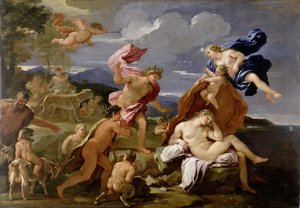
Abraham Bloemaert’s “The Feast of the Gods at the Wedding of Peleus and Thetis”: A Baroque Vision of Mythic Harmony
Abraham Bloemaert, born in Gorinchem in 1564 and passing away in Utrecht in 1651, stands as a pivotal figure bridging the Mannerist and Baroque periods in Dutch painting. His long and prolific career unfolded against a backdrop of religious and political upheaval – the Eighty Years’ War reshaping the landscape of Holland – yet he consistently produced works imbued with both dramatic intensity and subtle beauty. Bloemaert’s artistic journey began under the tutelage of his father, Cornelis Bloemaert I, an architect who instilled in him a foundational understanding of form and composition; this early influence would prove invaluable as he navigated the evolving stylistic currents of his time. He honed his skills further through studies with Gerrit Splinter and Joos de Beer in Utrecht, establishing himself within a vibrant artistic milieu that fostered experimentation and innovation. A transformative experience arrived in 1581 when Bloemaert embarked on a three-year sojourn in Paris – a city brimming with intellectual ferment and artistic dynamism. This period served as an incubator for his burgeoning talent, exposing him to the groundbreaking innovations of Jehan Bassot and Maistre Herry, while simultaneously immersing him in the grandeur of Hieronymus Francken’s oeuvre. The Parisian encounter broadened Bloemaert's stylistic horizons, introducing him to techniques and concepts that would profoundly shape his subsequent artistic endeavors. It was during this time that he absorbed the essence of Baroque aesthetics – a style characterized by opulent ornamentation, dramatic lighting, and an emphasis on emotional expression—laying the groundwork for his mastery of this influential movement. “The Feast of the Gods at the Wedding of Peleus and Thetis,” completed in 1638, exemplifies Bloemaert’s unwavering commitment to Baroque principles. This monumental canvas depicts a lavish banquet scene honoring Zeus and Hera, commemorating the legendary union of Peleus and Thetis – parents of Achilles—a cornerstone myth of Greek antiquity. Bloemaert skillfully captures the grandeur of the occasion through meticulous detail and masterful use of color, employing chiaroscuro – dramatic contrasts between light and dark – to heighten the visual impact and convey a palpable sense of theatricality. The composition is carefully balanced, guiding the viewer’s eye across the expansive tableau populated by regal figures draped in sumptuous fabrics and adorned with jewels. The painting's symbolism resonates deeply within the Baroque tradition. The banquet itself represents abundance and prosperity, mirroring the divine couple’s dominion over Olympus. Each element—from the ornate tableware to the expressive gestures of the participants—contributes to a narrative that transcends mere depiction; it seeks to evoke contemplation on themes of power, honor, and marital devotion. Bloemaert's meticulous rendering of textures – shimmering silks, polished metals, and glistening fruit – underscores the Baroque fascination with materiality and sensory experience. Ultimately, “The Feast of the Gods at the Wedding of Peleus and Thetis” transcends its historical context to communicate a profound emotional resonance. It speaks to an idealized vision of harmonious union and divine majesty—a testament to Bloemaert’s ability to transform myth into art, capturing not just what was seen but also what was felt. Its enduring appeal lies in its capacity to inspire awe and wonder, reminding us of the timeless beauty inherent in narratives that celebrate love, faith, and the grandeur of human aspiration.Obras relacionadas



Biografía del artista
A Life Immersed in Art: The World of Abraham Bloemaert
Abraham Bloemaert, born in Gorinchem in 1564 and passing away in Utrecht in 1651, stands as a pivotal figure bridging the Mannerist and Baroque periods in Dutch painting. His long and prolific career unfolded against a backdrop of religious and political upheaval, yet he consistently produced works imbued with both dramatic intensity and subtle beauty. Bloemaert’s journey began under the tutelage of his father, Cornelis Bloemaert I, an architect who instilled in him a foundational understanding of form and composition. This early training was further refined through studies with Gerrit Splinter and Joos de Beer in Utrecht, laying the groundwork for his artistic explorations. A crucial period followed – three years spent in Paris from 1581 to 1583. There, he absorbed influences from Jehan Bassot and Maistre Herry, while also encountering the works of Hieronymus Francken, a fellow Dutch artist who broadened his stylistic horizons. This Parisian sojourn proved formative, exposing him to the refined elegance of the French School and setting the stage for his later innovations.From Mannerism to Baroque: A Shifting Aesthetic
Initially, Bloemaert’s style aligned with the prevailing Haarlem Mannerism – characterized by elongated figures, elegant poses, and often complex allegorical narratives. Artists like Hendrick Ter Brugghen and Jacob Saam practiced similar techniques during this time. However, he was not content to remain solely within this framework. As the 17th century dawned, Bloemaert began to embrace the emerging Baroque aesthetic, a shift marked by increased dynamism, emotional intensity, and a heightened sense of realism. This transition wasn’t abrupt; rather, it represented a gradual evolution, blending elements of both styles into a uniquely personal artistic language. He skillfully incorporated dramatic lighting effects, rich color palettes, and expressive gestures to convey powerful narratives and evoke profound emotions in his viewers. His paintings began to resonate with a new energy, reflecting the changing cultural landscape of the Dutch Republic. The Utrecht Caravaggisti – artists like Gerrit van Honthorst and Bartholomeus Breenbergh – were particularly influenced by Bloemaert’s embrace of Baroque principles.A Master of Diverse Subjects and Techniques
Bloemaert's artistic output was remarkably diverse. He excelled in history painting, bringing biblical stories and classical myths to life with compelling detail and emotional depth. Notable examples include “The Expulsion of Hagar and Ishmael” and “Venus and Adonis,” which demonstrate his masterful command of composition and color. Beyond painting, Bloemaert was a highly skilled printmaker, proficient in both etching and engraving. These prints served to disseminate his artistic vision more widely, contributing significantly to his reputation and influence. His technical mastery extended to still lifes and animal paintings as well, demonstrating an exceptional versatility that set him apart from many of his contemporaries. He meticulously studied the works of artists like Peter Paul Rubens and Caravaggio, adapting their techniques to suit his own distinctive style.A Prolific Teacher and Lasting Legacy
Abraham Bloemaert was not only a gifted artist but also an influential teacher. He established a thriving workshop in Utrecht, attracting numerous students who would go on to become prominent artists themselves. Remarkably, his four sons – Hendrick, Frederick, Cornelis, and Adriaan – all followed in his footsteps, achieving considerable success as painters and engravers. His influence extended beyond his immediate family, mentoring a generation of Dutch artists, including Jan Aerntsz de Hel and Nicolaes van Bercheyck. Bloemaert’s teachings helped to shape their distinctive style, solidifying his position as a central figure in the development of Dutch Baroque painting. His legacy continues to resonate today, with his works admired for their technical brilliance, emotional power, and historical significance—a testament to a life dedicated to artistic exploration and innovation.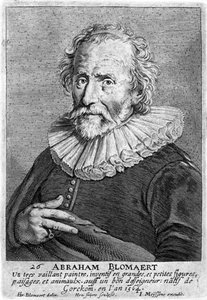
Abraham Bloemaert
1564 - 1651 , Países Bajos
Datos clave
- Artistic Movement Or Style: Barroco, Maneirismo
- Artists Or Movements Influenced By This Artist: ['Utrecht Caravaggisti']
- Artists Who Influenced This Artist: ['Hieronymus Francken']
- Date Of Birth: 1564
- Date Of Death: 1651
- Full Name: Abraham Bloemaert
- Nationality: Holandés
- Notable Artworks:
- Expulsión de Hagar y Ismael
- Venus y Adonis
- Paisaje con campesinos
- Place Of Birth: Gorinchem, Países Bajos
Artículos relacionados

Giclée Prints: Archival Quality & Aesthetic Nuances for the Discerning Collector
Explore the world of giclée prints with ArtsDot. Learn about archival quality, aesthetic nuances & investment potential. Expert guidance for discerning art collectors seeking museum-quality reproductions and lasting value.

Echoes of Time: Exploring the Enduring Appeal & Historical Context of Vintage Art Prints
Explore the captivating world of vintage art prints! Discover their history, collecting tips & enduring appeal. Expert insights on chromolithography and building a legacy collection with ArtsDot.

Drama Barroca: Llevando la Grandeza y la Emoción a los Interiores Contemporáneos
Descubre cómo el drama y la grandeza del arte barroco pueden transformar tus interiores. Guía experta, inspiración y reproducciones de alta calidad en .

The Enduring Legacy of Fine Art Prints: Technique, History & Aesthetic Impact
Explore the rich history & techniques of fine art prints. Discover investment potential, assess authenticity, and learn how to preserve your collection with expert guidance. Trusted insights for discerning collectors.

Los 10 Maestros del Barroco Holandés: Obras que Definen una Época | ArtsDot
Descubre los 10 imprescindibles del Barroco holandés: Rembrandt, Vermeer y más. Explora la historia, técnica y belleza de estas obras maestras. Reproducciones de arte en ArtsDot.com para decorar tu hogar con elegancia.