 Vista previa
 Compartir
 Compartir
 Ver detalles

 Descargar
 Ver similares
 Radiografía
 Presentación de diapositivas
Family Portrait
 Oil On Canvas
- WallArt
- Dutch Golden Age Portraiture
 1665
1665- Early Modern
 132.0 x 181.0 cm
 Museo del Hermitage
 Leer más
Reproducción al óleo hecha a mano
Óleo sobre lienzo pintado a mano en el tamaño y marco de su elección, realizado por encargo por nuestros artistas. ( Pedir impresión Comprar descarga)




P118B $10

P118H $10

P118W $10

P438Z $10

P508JH $12

P508YH $12

P805H $10

P805Z $10

P919BZ $10

P919G $10

P919XJ $10

P959ZH $10

P968JZ $12

W106C $8

W218G $10

W218JH $8

W218Y $10

W307PJ $10

W316G $10

W316PJ $8

W316Y $10

W398PJ $8

W4111J $10

W500HY $15

W500JH $15

W692G $12

W849H $8

W940BG $15

W953PJ $8




Elija entre nuestros tamaños predefinidos que respetan las proporciones originales de la obra.

Puede ingresar sus propias dimensiones para adaptarse a un marco o espacio específico. Si el tamaño seleccionado no coincide con las proporciones de la imagen original, recortaremos la obra o extenderemos la pintura con elementos adicionales pintados a mano. Se le enviará una maqueta digital para su aprobación antes de comenzar la producción.
Tenga en cuenta que la vista previa en pantalla no refleja el recorte o la extensión reales. Solo la maqueta mostrará con precisión la composición final.
Si bien existen tamaños personalizados, recomendamos seleccionar una dimensión de la lista predefinida para preservar las proporciones originales.
Tras realizar el pedido, el equipo de ArtsDot.com enviará un correo electrónico al cliente para solicitar instrucciones y proporcionarle una vista previa del boceto.
Envío a todo el mundo () en 3-4 semanas en lugar de las 5 semanas estándar. (21 agosto). Sin comprometer la calidad.

Envío exprés gratuito a todo el mundo

Lienzo de lino de alta calidad

Seguro de envío completo

Garantía de reembolso de aranceles aduaneros

Garantía de fidelidad cromática exacta

Política de devolución de 60 días (solo por defectos)

Garantía de devolución del 100% del dinero

Oferta por volumen
 La opción de vidrio solo está disponible en tamaños inferiores a 110 cm.

Family Portrait
Técnica de reproducción
Tamaño de la reproducción
-


Precio total
$ 263
Descripción de la obra
A Glimpse into Dutch Grandeur
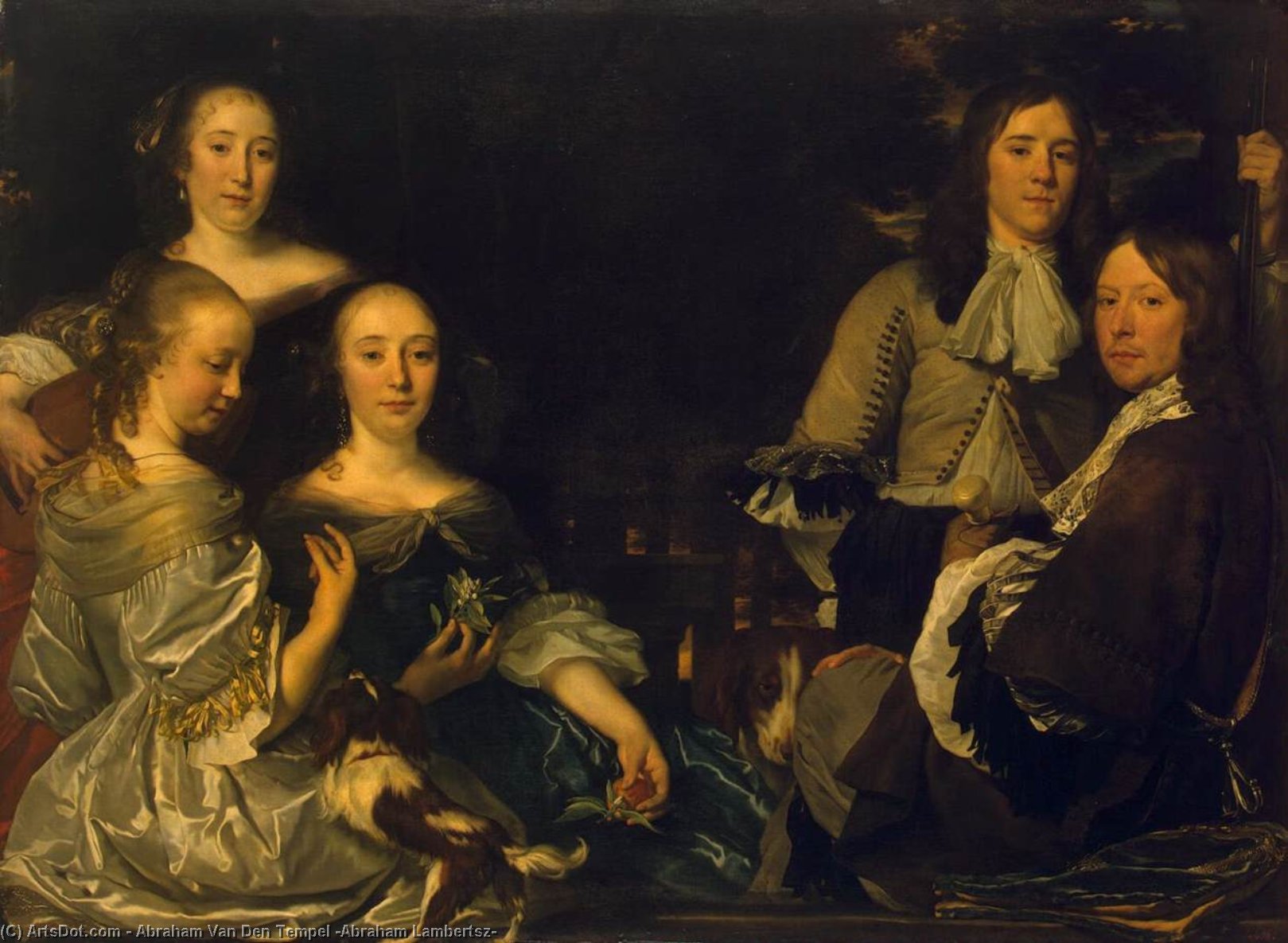
In the heart of the seventeenth century, during the zenith of the Dutch Golden Age, Abraham Lambertsz van den Tempel captured more than mere likenesses; he immortalized the very essence of aristocratic prestige. His masterpiece, "Family Portrait," serves as a breathtaking window into a world of opulence and social refinement. Completed between 1665 and 1670, this monumental canvas presents a carefully orchestrated tableau of six individuals—three men and three women—whose poised demeanors speak of lineage, wealth, and the enduring strength of familial bonds. As one gazes upon this assembly, there is an immediate sense of stepping into a private, high-society salon, where every glance and gesture has been curated to project an image of idealized virtue and stability.
The composition is anchored by a central female figure, whose presence radiates both authority and grace. She sits as the focal point of this domestic drama, her gaze meeting the viewer with an intimacy that bridges the centuries. In her hand, she cradles a small bird or perhaps a piece of fruit—a delicate detail that breathes life into the scene. Such motifs were far from accidental in the Baroque era; they often served as profound symbols of fertility, nurturing, and the blossoming of life within a noble household. This subtle layer of meaning invites the observer to look beyond the surface of the silk and lace, finding a deeper narrative of continuity and the preservation of legacy.
The Mastery of Light and Texture
To behold this work is to witness the pinnacle of Dutch Baroque technique. Van den Tempel was a master of chiaroscuro, employing subtle gradations of light and shadow to sculpt the figures from the darkness of the background. This soft, diffused lighting—reminiscent of natural light filtering through a high studio window—creates a sense of profound three-dimensionality. The artist’s ability to manipulate oil paint allows for a tactile experience; one can almost feel the cool, heavy sheen of satin robes and the crisp, intricate architecture of the lace collars and cuffs that adorn the subjects.
For the discerning collector or interior designer, the technical brilliance of this piece offers unparalleled aesthetic value. The way the light dances across the varied textures—from the matte skin tones to the lustrous fabrics—provides a dynamic visual interest that changes with the ambient lighting of a room. It is a painting that demands attention through its quiet complexity rather than through garish color, making it an exquisite centerpiece for a sophisticated study, a grand dining hall, or a curated gallery wall. The interplay of light and shadow does not merely decorate a space; it imbues it with a sense of historical weight and classical elegance.
A Legacy of Elegance for the Modern Interior
Beyond its historical significance, "Family Portrait" resonates with a timeless emotional depth. It evokes a sense of nostalgia for an era of craftsmanship and deliberate beauty. In an age of rapid digital imagery, there is something deeply grounding about the meticulous realism and psychological insight found in Van den Tempel’s brushwork. The painting captures the dignity of the human spirit and the quiet pride of a family standing united against the passage of time.
Bringing a high-quality reproduction of this work into a contemporary home allows for a seamless blend of historical grandeur and modern luxury. Whether placed in a minimalist setting to provide a striking classical contrast or integrated into a traditional decor scheme to enhance its richness, this portrait serves as an enduring symbol of taste. It is more than a decoration; it is an invitation to contemplate the virtues of heritage, the beauty of detail, and the timeless allure of the Dutch masters.
Obras relacionadas


Biografía del artista
Primeros Años y Formación (1887-1905)
- Nacido Sybren van Haersma Buma el 13 de enero de 1887, en Leeuwarden, Países Bajos.
- Provenía de una noble familia frisón con históricas conexiones con la gobernanza y la propiedad de tierras de la región.
- Exposición temprana a la cultura, el idioma y la historia frisones que moldearon significativamente su visión del mundo e intereses artísticos. Identidad frisón se convirtió en central para su obra.
- Inicialmente mostró aptitud para el derecho pero finalmente persiguió una carrera en servicio público y política.
- Influenciado por el creciente nacionalismo neerlandés y la búsqueda de mayor autonomía regional dentro del reino. Autonomía regional era importante.
Carrera Política Inicial y Ascenso (1905-1933)
- Comenzó su carrera política uniéndose al Partido Unión Frisón, un partido conservador con fuertes lazos con las comunidades rurales. Comunidades rurales eran su base de apoyo.
- Participó activamente en campañas electorales y eventos comunitarios, ganándose una reputación como orador elocuente y defensor dedicado.
- Fue elegido miembro del Consejo Provincial de Frisia en 1917, marcando el comienzo de su carrera política formal.
- Durante su tiempo en el consejo provincial, se centró en mejorar la infraestructura rural, apoyar las instituciones culturales frisones y promover el desarrollo económico sostenible.
- Ascendió rápidamente en las filas del partido Unión Frisón, convirtiéndose en uno de sus líderes más influyentes.
Servicio Público y Desarrollo Político (1933-1962)
- En 1933, fue nombrado Ministro de Agricultura en el gobierno neerlandés, un puesto que ocupó durante los siguientes diez años. Agricultura era su principal área de enfoque.
- Como ministro de agricultura, implementó una serie de políticas destinadas a modernizar la industria agrícola neerlandesa, mejorar las condiciones de vida de los agricultores y aumentar la producción de alimentos.
- Durante la Segunda Guerra Mundial, jugó un papel clave en la resistencia holandesa contra la ocupación nazi, trabajando encubiertamente para apoyar a los grupos de resistencia y proteger a los ciudadanos judíos. Resistencia holandesa fue crucial.
- Después de la guerra, fue elegido miembro del Parlamento Neerlandés (Tweede Kamer) en 1946, donde representó al partido Unión Frisón durante los siguientes dieciséis años.
Logros Destacados y Contribuciones Políticas (1962-1978)
- Durante su tiempo en el Parlamento Neerlandés, fue un defensor vocal de los intereses de Frisia y trabajó para promover la autonomía regional dentro del reino.
- Participó activamente en debates sobre una amplia gama de temas políticos, incluyendo agricultura, economía, educación y política exterior.
- Fue reconocido como un político experimentado y respetado, conocido por su integridad, su sabiduría y su compromiso con el servicio público. Servicio público era su principio rector.
- Se retiró del Parlamento Neerlandés en 1962, marcando el final de su carrera política formal.
Legado Histórico y Significado (1978-Presente)
- Después de su retiro de la política, continuó participando activamente en la vida cultural y comunitaria frisóna.
- Fue recordado como un político dedicado y respetado que jugó un papel importante en la configuración del panorama político neerlandés durante el siglo XX. Panorama político neerlandés fue influenciado por su trabajo.
- Su legado continúa inspirando a las generaciones actuales de políticos frisones y neerlandeses.
- Falleció el 27 de marzo de 1978, dejando atrás un legado duradero como defensor de los intereses frisones y un servidor público dedicado. Servidor público dedicado es su principal legado.
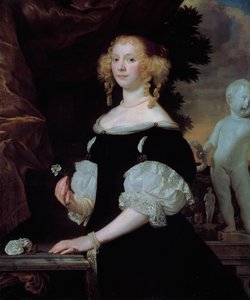
Sybren van Haersma Buma
1622 - 1672 , Países Bajos
Datos clave
- Artistic Movement Or Style: Barroco Neerlandés
- Artists Or Movements Influenced By This Artist:
- Rembrandt van Rijn
- Pintura de retrato Neerlandés
- Artists Who Influenced This Artist:
- Pieter Bruegel el Viejo
- Peter Paul Rubens
- Date Of Birth: c. 1583
- Date Of Death: 1660
- Full Name: Frans Hals
- Nationality: Neerlandés
- Notable Artworks:
- El Cavalier Alegre
- Malle Babbe
- Banquet del Caballero
- Retrato de Isaac Massa
- Place Of Birth: Antwerp, Belgium
Artículos relacionados

Los 10 Maestros del Siglo de Oro Holandés: Arte, Historia y Decoración Exclusiva
Descubre los 10 imprescindibles del Siglo de Oro Holandés: Rembrandt, Vermeer y más. Explora la historia, técnica y belleza de estos lienzos clásicos. Encuentra reproducciones de arte exclusivas para decorar tu hogar en .

Rembrandt van Rijn: Las 25 Obras Maestras que Definen un Genio | Arte, Historia y Decoración
Descubre las 25 obras maestras de Rembrandt van Rijn, el genio del barroco holandés. Explora su historia, técnica y simbolismo en retratos icónicos como 'La Ronda Nocturna'. Encuentra reproducciones de arte exclusivas para decorar tu hogar con ArtsDot.com.
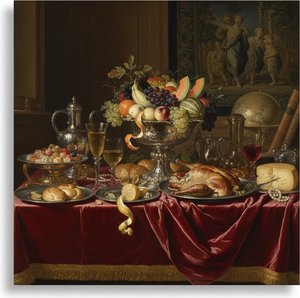
Abraham Hendricksz van Beyeren: Pioneering Dutch Still Life & the Banquet Tradition
Explore the captivating world of Dutch Golden Age still life with Abraham van Beyeren. Discover his innovative techniques, symbolic banquet scenes & lasting influence on art history. Learn about collecting these masterpieces.
Abraham Hulk Senior: Pioneering Maritime Topography of the Dutch Golden Age
Explore the captivating seascapes of Abraham Hulk Senior, a leading Anglo-Dutch marine painter of the 19th century. Discover his signature style, family legacy & collectable artworks at ArtsDot.
Willem van de Velde the Elder: Master of Maritime Painting & Chronicler of the Dutch Golden Age
Discover the captivating maritime paintings of Willem van de Velde the Elder, a master chronicler of the Dutch Golden Age. Explore his unparalleled realism and lasting influence on naval art history.