

 Ver en contexto
 Enviar
 Compartir
 Detalles

 Descargar
 Similares
 Radiografía
 Presentación de diapositivas
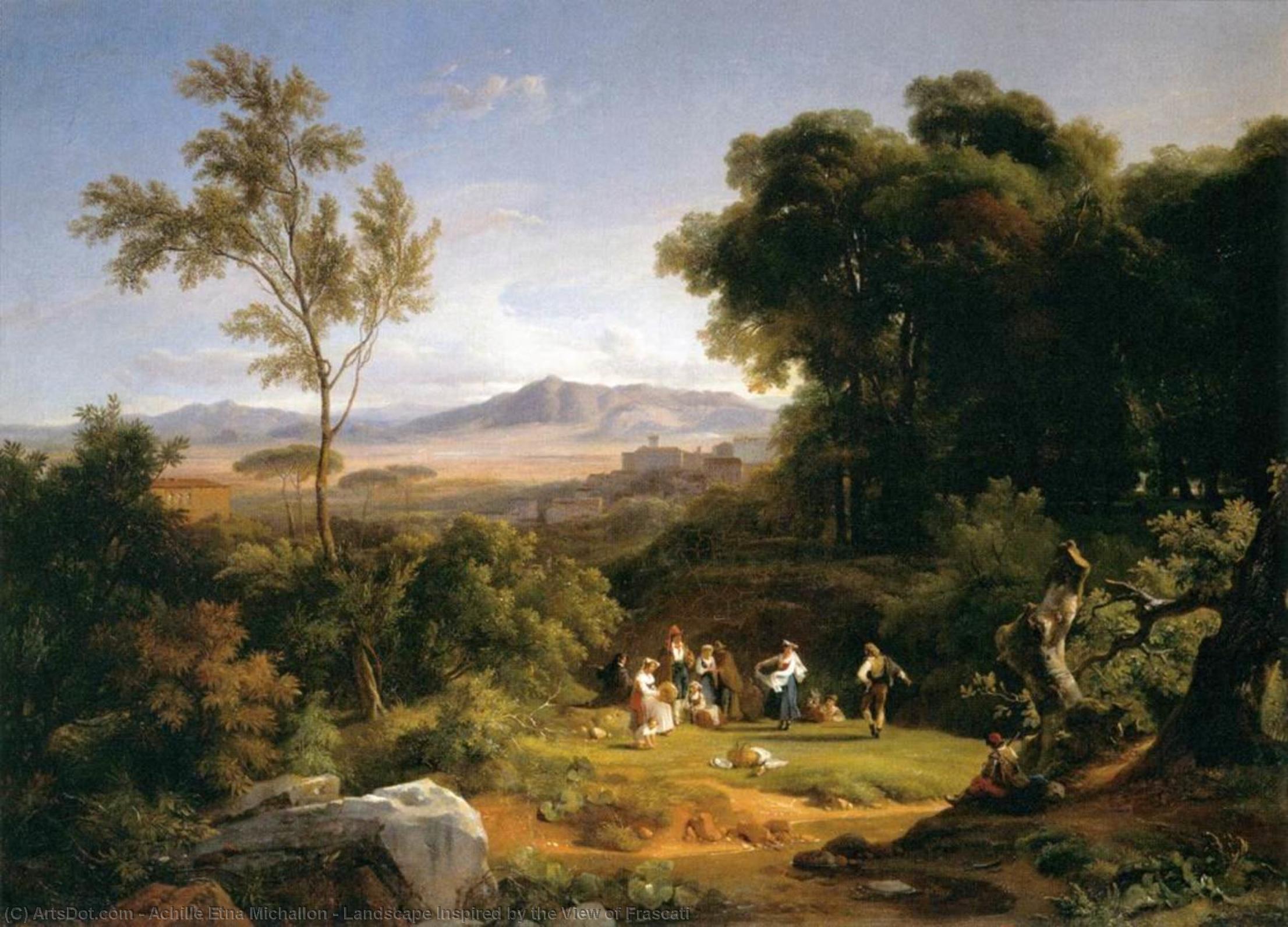
Landscape Inspired by the View of Frascati
 Acrylic On Canvas
- WallArt
- Romantic Landscape
 1822
1822- 19th Century
 127.0 x 171.0 cm
 Museo del Louvre
 Ver más
Reproducción al óleo hecha a mano
Óleo sobre lienzo pintado a mano en el tamaño y marco de su elección, realizado por encargo por nuestros artistas. ( Comprar impresión Comprar imagen)




P118B $10

P118H $10

P118W $10

P438Z $10

P508JH $12

P508YH $12

P805H $10

P805Z $10

P919BZ $10

P919G $10

P919XJ $10

P959ZH $10

P968JZ $12

W106C $8

W218G $10

W218JH $8

W218Y $10

W307PJ $10

W316G $10

W316PJ $8

W316Y $10

W398PJ $8

W4111J $10

W500HY $15

W500JH $15

W692G $12

W849H $8

W940BG $15

W953PJ $8




Elija entre nuestros tamaños predefinidos que respetan las proporciones originales de la obra.

Puede ingresar sus propias dimensiones para adaptarse a un marco o espacio específico. Si el tamaño seleccionado no coincide con las proporciones de la imagen original, recortaremos la obra o extenderemos la pintura con elementos adicionales pintados a mano. Se le enviará una maqueta digital para su aprobación antes de comenzar la producción.
Tenga en cuenta que la vista previa en pantalla no refleja el recorte o la extensión reales. Solo la maqueta mostrará con precisión la composición final.
Si bien existen tamaños personalizados, recomendamos seleccionar una dimensión de la lista predefinida para preservar las proporciones originales.
Tras realizar el pedido, el equipo de ArtsDot.com enviará un correo electrónico al cliente para solicitar instrucciones y proporcionarle una vista previa del boceto.
Envío a todo el mundo () en 3-4 semanas en lugar de las 5 semanas estándar. (28 agosto). Sin comprometer la calidad.

Envío exprés gratuito a todo el mundo

Lienzo de lino de alta calidad

Seguro de envío total

Garantía de reembolso de impuestos aduaneros

Garantía de fidelidad cromática exacta

Política de devolución de 60 días (solo por defectos)

Garantía de devolución del 100% del dinero

Descuento por cantidad
 La opción de vidrio solo está disponible en tamaños inferiores a 110 cm.

Landscape Inspired by the View of Frascati
Técnica de reproducción
Dimensiones de la reproducción
-


Precio total final
$ 263
A Moment Frozen in Time: Achille Etna Michallon’s “Landscape Inspired by the View of Frascati”
Achille Etna Michallon's "Landscape Inspired by the View of Frascati," painted in 1822, is more than just a depiction of a picturesque Italian scene; it’s a poignant encapsulation of a fleeting moment, imbued with the melancholy beauty characteristic of the Romantic era. Created during a tragically short but intensely productive period in Michallon's life – he succumbed to pneumonia at the young age of 25 – this work offers a glimpse into the artist’s evolving style and his profound connection to the landscapes that captivated him.
The painting immediately draws the eye with its vibrant yet subdued palette. The dominant hues are earthy greens, ochres, and blues, skillfully blended to create an atmosphere of hazy warmth. Michallon masterfully employs *plein air* techniques, evident in the subtle variations of light and shadow that dance across the rolling hills and distant cypress trees. The brushstrokes themselves are loose and expressive, conveying a sense of movement and spontaneity – a deliberate departure from the rigid formality of Neoclassicism, which he had initially studied under David.
A Gathering of Figures Against a Dramatic Backdrop
At the heart of the composition lies a group of figures, seemingly engaged in quiet conversation amidst the pastoral setting. Their placement is carefully considered; they are not dominant subjects but rather integrated seamlessly into the landscape, suggesting a harmonious relationship between humanity and nature. The details of their clothing – simple tunics and shawls – hint at a rural life, while their relaxed postures invite the viewer to share in their peaceful contemplation. The sheer number of figures—at least thirteen—adds to the sense of community and shared experience, creating an intimate tableau within a grand landscape.
The backdrop is dominated by the iconic silhouette of Mount Vesuvius, partially obscured by a veil of mist. This volcanic presence serves as a subtle reminder of the power and unpredictability of nature – a theme frequently explored in Romantic art. The distant hills roll away towards the horizon, creating an illusion of depth that draws the eye into the painting’s immersive space. The artist's attention to detail is remarkable; even the individual blades of grass are rendered with delicate precision.
Echoes of Italy and the Rise of Romanticism
Michallon’s journey to Italy in 1818 proved transformative, profoundly influencing his artistic vision. Following his victory at the Prix de Rome, he spent over two years immersed in the Italian landscape, absorbing the works of masters like Canaletto and Turner. This experience ignited a passion for *plein air* painting and a fascination with capturing the fleeting effects of light and atmosphere. “Landscape Inspired by the View of Frascati” is a direct result of this immersion; it embodies the Romantic ideals of emotional expression, subjective perception, and a deep reverence for nature.
The subject itself – Frascati, a charming hilltop town near Rome – was a favorite haunt of artists during the 19th century. Its picturesque setting, with its vineyards, olive groves, and stunning views, provided an ideal backdrop for capturing the beauty of the Italian countryside. Michallon’s painting captures this essence perfectly, offering a romanticized vision of rural life that resonated deeply with contemporary audiences.
Symbolism and Emotional Resonance
Beyond its technical brilliance, “Landscape Inspired by the View of Frascati” carries a subtle undercurrent of melancholy. The hazy atmosphere, the muted colors, and the solitary figures all contribute to a sense of quiet contemplation and perhaps even a hint of sadness. The painting’s title suggests that it is not merely a representation of a specific location but rather an evocation of a feeling – a longing for beauty, tranquility, and connection with nature. It's a testament to Michallon's ability to translate complex emotions onto canvas, leaving the viewer with a lingering sense of wonder and reflection.
Today, reproductions of this captivating work continue to inspire admiration for its evocative atmosphere and masterful technique. It stands as a poignant reminder of a brilliant artist’s tragically short career and a beautiful example of Romantic landscape painting at its finest.
Obras relacionadas

Biografía del artista
Achille Etna Michallon: Una Breve Biografía
Primeros Años y Educación
Achille Etna Michallon nació en París, Francia, en 1796. Era hijo de Claude Michallon, un escultor. Desde una edad temprana, demostró talento artístico y recibió formación formal bajo la tutela de dos destacados pintores franceses: Jacques-Louis David y Pierre-Henri de Valenciennes. Estos maestros influyeron profundamente en su desarrollo inicial como artista, inculcándole tanto la precisión neoclásica como una creciente apreciación por la pintura de paisajes.Desarrollo Artístico e Influencias
El viaje artístico de Michallon se caracterizó por un cambio desde el estilo estructurado de David hacia el enfoque más emotivo y atmosférico favorecido por Valenciennes. Adoptó la pintura plein air, aventurándose al aire libre para capturar los efectos directos de la luz y la atmósfera, una práctica que se convertiría en central a su obra. Sus viajes a Italia en 1818, después de ganar el prestigioso Prix de Rome para pintura de paisajes en 1817, resultaron transformadores. El campo italiano, con sus vistas dramáticas y ruinas clásicas, lo inspiró profundamente y moldeó su visión artística.Obras Principales y Estilo
Durante su estancia en Italia, Michallon creó una serie de bocetos al óleo y pinturas que mostraban su creciente dominio de la pintura de paisajes. Entre las obras notables se incluyen Vista de las Cascadas de Tivoli, Paisaje Inspirado por la Vista de Frascati y El Foro en Pompeya. Su estilo se caracteriza por efectos atmosféricos, un uso sensible de la luz y la sombra, y una sensibilidad romántica que capturó la belleza y la grandeza de la naturaleza. A menudo representaba escenas con una sensación de melancolía y contemplación.Logros y Reconocimiento
Ganar el Prix de Rome fue un logro significativo para Michallon, brindándole la oportunidad de estudiar en Italia y desarrollar sus habilidades artísticas. Aunque su carrera se truncó trágicamente, obtuvo reconocimiento durante su vida como un pintor de paisajes talentoso y prometedor. Su obra influyó a una generación de artistas, incluyendo Camille Corot, quien a menudo es citado como uno de sus alumnos (aunque esto sigue siendo objeto de debate).Significado Histórico y Legado
A pesar de su muerte prematura por neumonía en 1822, a la edad de solo 25 años, Achille Etna Michallon dejó una huella duradera en el arte del paisaje del siglo XIX. Sus bocetos al óleo atmosféricos y sus evocadoras escenas italianas ayudaron a allanar el camino para el desarrollo de la pintura romántica e influyeron en generaciones posteriores de artistas que buscaban capturar la belleza y el poder de la naturaleza. Representa una figura clave en la transición desde la formalidad neoclásica hacia el estilo más expresivo y cargado de emoción del Romanticismo.Características Clave de Su Obra
- Perspectiva atmosférica e iluminación dramática
- Énfasis en capturar el estado de ánimo y la emoción
- Influencia de los paisajes italianos y las ruinas clásicas
- Uso de bocetos al óleo como estudios para pinturas más grandes
- Una sensibilidad romántica que celebra la belleza de la naturaleza
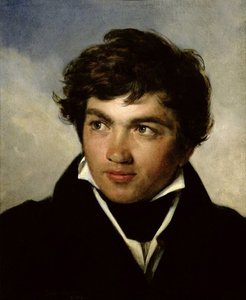
Achille Etna Michallon
1796 - 1822 , Francia
Datos clave
- Artistic Movement Or Style: Romanticismo
- Artists Or Movements Influenced By This Artist: ['Camille Corot']
- Artists Who Influenced This Artist:
- Jacques-Louis David
- Pierre-Henri de Valenciennes
- Date Of Birth: 1796
- Date Of Death: 1822
- Full Name: Achille Etna Michallon
- Nationality: Francés
- Notable Artworks:
- Vista de las Cascadas de Tivoli
- Paisaje Inspirado por la Vista de Frascati
- El Foro en Pompeya
- Place Of Birth: París, Francia
Artículos relacionados

Paisajes Románticos: 10 Obras Maestras que Definieron un Movimiento Artístico
Descubre los 10 paisajes románticos más influyentes de artistas como Caspar David Friedrich y Turner. Explora la belleza, el simbolismo y las técnicas del movimiento romántico. Reproducciones de arte exclusivas en ArtsDot.com.

John Constable: Las 25 Obras Maestras del Paisaje Inglés | ArtsDot
Descubre las 25 obras maestras de John Constable, el pintor romántico inglés que capturó la belleza del paisaje. Explora su técnica, historia y significado en ArtsDot.com. Reproducciones de arte de alta calidad para tu hogar.

Evocations of Place: A Historical Journey Through Landscape Art
Explore the rich history of landscape art with ArtsDot. Discover renowned artists, movements like Impressionism & Romanticism, and expert guidance for collecting timeless pieces. Find your perfect serene escape today!

Evoking Atmosphere & Identity: A Journey Through Landscape Painting's History
Explore the rich history of landscape painting! Discover renowned artists, movements like Romanticism, & techniques such as atmospheric perspective. Find inspiration and quality reproductions at ArtsDot.
Evoking Nature's Sublime: A Comprehensive Exploration of 19th-Century Landscape Painting
Explore the captivating world of 19th-century landscape painting! Discover renowned artists like Friedrich & Monet, key movements, and find the perfect artwork to bring nature's serenity into your home. Expert insights at ArtsDot.

