 Ver en contexto
 Enviar
 Compartir
 Detalles

 Descargar
 Similares
 Radiografía
 Presentación de diapositivas
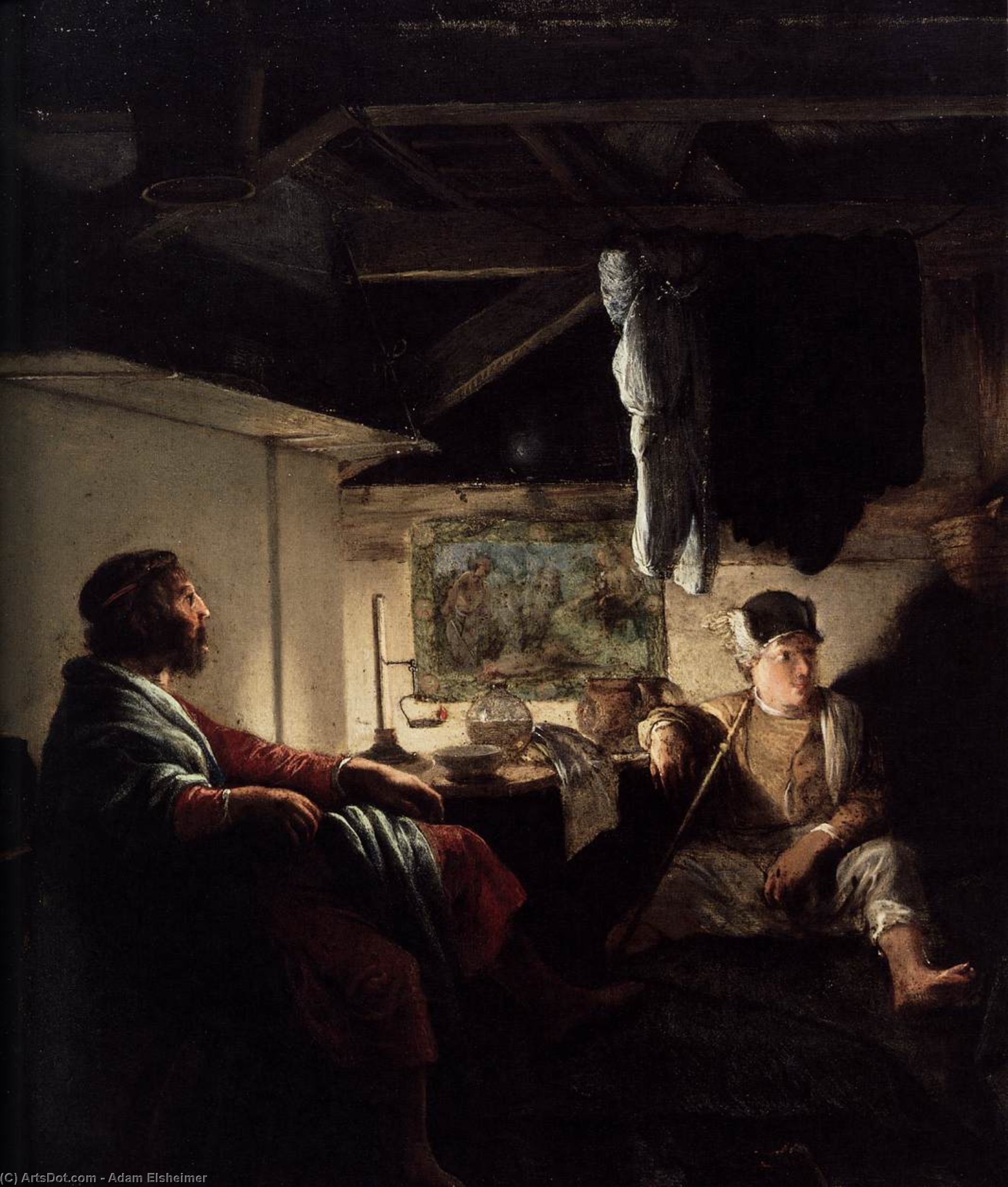
Jupiter and Mercury at Philemon and Baucis (detail)


 Ver más
Reproducción al óleo hecha a mano
Óleo sobre lienzo pintado a mano en el tamaño y marco de su elección, realizado por encargo por nuestros artistas. ( Comprar impresión Comprar imagen)




P118B $10

P118H $10

P118W $10

P438Z $10

P508JH $12

P508YH $12

P805H $10

P805Z $10

P919BZ $10

P919G $10

P919XJ $10

P959ZH $10

P968JZ $12

W106C $8

W218G $10

W218JH $8

W218Y $10

W307PJ $10

W316G $10

W316PJ $8

W316Y $10

W398PJ $8

W4111J $10

W500HY $15

W500JH $15

W692G $12

W849H $8

W940BG $15

W953PJ $8




Elija entre nuestros tamaños predefinidos que respetan las proporciones originales de la obra.

Puede ingresar sus propias dimensiones para adaptarse a un marco o espacio específico. Si el tamaño seleccionado no coincide con las proporciones de la imagen original, recortaremos la obra o extenderemos la pintura con elementos adicionales pintados a mano. Se le enviará una maqueta digital para su aprobación antes de comenzar la producción.
Tenga en cuenta que la vista previa en pantalla no refleja el recorte o la extensión reales. Solo la maqueta mostrará con precisión la composición final.
Si bien existen tamaños personalizados, recomendamos seleccionar una dimensión de la lista predefinida para preservar las proporciones originales.
Tras realizar el pedido, el equipo de ArtsDot.com enviará un correo electrónico al cliente para solicitar instrucciones y proporcionarle una vista previa del boceto.
Envío a todo el mundo () en 3-4 semanas en lugar de las 5 semanas estándar. (25 agosto). Sin comprometer la calidad.

Envío exprés gratuito a todo el mundo

Lienzo de lino de alta calidad

Seguro de envío total

Garantía de reembolso de impuestos aduaneros

Garantía de fidelidad cromática exacta

Política de devolución de 60 días (solo por defectos)

Garantía de devolución del 100% del dinero

Descuento por cantidad
 La opción de vidrio solo está disponible en tamaños inferiores a 110 cm.

Jupiter and Mercury at Philemon and Baucis (detail)
Técnica de reproducción
Dimensiones de la reproducción
-


Precio total final
$ 263
Descripción de la obra
Jupiter and Mercury at Philemon and Baucis: A Glimpse of Divine Grace
Adam Elsheimer’s “Jupiter and Mercury at Philemon and Baucis,” painted in 1609, is not merely a depiction of a biblical scene; it's an intimate invitation into a world where the divine intersects with the profoundly human. This small cabinet painting, measuring just over 17 by 23 centimeters, radiates a quiet intensity—a testament to Elsheimer’s mastery of light and shadow, and his profound understanding of the emotional resonance within a confined space. It resides now in the Gemäldegalerie Alte Pinakothek in Munich, a treasure that speaks volumes about the burgeoning artistic sensibilities of the early 17th century.
The painting’s narrative unfolds from the story recounted by Ovid in his *Metamorphoses*, where Jupiter and Mercury, disguised as travelers, seek shelter at the humble home of Philemon and Baucis. The elderly couple, embodying the virtues of hospitality and generosity, offer them food and drink—a gesture that is rewarded with a miraculous transformation: their modest dwelling becomes a temple dedicated to the gods. Elsheimer doesn’t depict this dramatic shift; instead, he focuses on the *preceding* moments – the quiet intimacy of the encounter, the subtle gestures of welcome, and the palpable sense of anticipation hanging in the air.
A Masterclass in Light and Shadow
Elsheimer's technique is remarkably innovative for his time. He eschews the dramatic chiaroscuro favored by Caravaggio, opting instead for a more nuanced approach to light. The scene is bathed in an ethereal glow, emanating primarily from a flickering oil lamp on the left side of the canvas and the warm embers of a hearth. This carefully orchestrated illumination sculpts the figures, highlighting their faces and creating a sense of depth within the cramped interior. Notice how the darkness isn’t simply absence of light; it's actively employed to draw attention to the illuminated areas, intensifying their impact.
The copper panel on which the painting is executed allowed Elsheimer an unprecedented level of detail and luminosity. The surface reflects light beautifully, contributing to the overall sense of warmth and intimacy. He meticulously rendered every object – the simple wooden table, the earthenware bowl, the book, the three vases—imbuing them with a quiet dignity. This attention to detail wasn’t merely decorative; it served to ground the fantastical elements of the story in a tangible reality.
Symbolism and Spiritual Resonance
Beyond its narrative content, “Jupiter and Mercury at Philemon and Baucis” is rich in symbolism. The figures themselves represent divine grace and the rewards of selfless hospitality. The inclusion of the goose—a symbol of abundance and good fortune—further emphasizes the couple’s generosity. But perhaps the most striking element is the depiction of the night sky, a feature remarkably advanced for its time. Elsheimer accurately portrays constellations like Ursa Major and Leo, demonstrating his keen interest in astronomy and his desire to integrate scientific knowledge into his art.
The inclusion of these celestial bodies elevates the scene beyond a simple domestic narrative; it suggests a connection between earthly events and the vastness of the cosmos. The darkness of the sky mirrors the humble setting, creating a sense of mystery and wonder. It’s as if Elsheimer is suggesting that divine intervention can occur in the most unexpected places—even within the walls of a modest cottage.
A Legacy of Intimacy
“Jupiter and Mercury at Philemon and Baucis” exemplifies Elsheimer's unique artistic vision. He was a master of small-scale paintings, creating intimate canvases that invite close contemplation. His work profoundly influenced subsequent generations of artists, including Rembrandt and Friedrich, who were captivated by his innovative use of light and shadow, and his ability to imbue seemingly simple scenes with profound emotional depth. Reproductions of this painting offer a window into the artistic sensibilities of a pivotal moment in art history—a reminder that beauty and spiritual insight can be found even within the confines of a small canvas.
Obras relacionadas
Biografía del artista
Vida Temprana y Formación
- Nacimiento: Frankfurt am Main, Alemania, 18 de marzo de 1578
- Fallecimiento: Roma, 11 de diciembre de 1610 (a los 32 años)
- Adam Elsheimer nació en una familia de artesanos en Frankfurt. Su padre era un maestro sastre.
- Mostró talento artístico desde temprana edad y fue aprendiz de Philipp Uffenbach, un artista local.
- Alrededor de 1596, probablemente visitó Estrasburgo, exponiéndose a diferentes estilos artísticos.
- En 1598, a la edad de veinte años, Elsheimer viajó a Italia vía Múnich, marcando el comienzo de su significativo desarrollo artístico.
Período Italiano y Desarrollo Artístico
- Pasó una cantidad considerable de tiempo en Venecia, donde fue influenciado por maestros venecianos como Tintoretto y Paolo Veronese.
- Alrededor de 1600, Elsheimer se estableció en Roma, convirtiéndose en parte de la comunidad artística allí.
- Trabajó como asistente de Johann Rottenhammer, un pintor alemán especializado en pinturas de gabinete, aprendiendo técnicas valiosas.
- Su estilo evolucionó desde influencias manieristas tempranas hacia un enfoque más naturalista caracterizado por innovadoras representaciones del paisaje y efectos dramáticos de iluminación.
- Se formaron amistades clave con Giovanni Faber, un doctor papal y botánico, y Paul Bril, un pintor paisajista flamenco, ambos conectados a la Accademia dei Lincei.
Obras Principales y Estilo Artístico
- Elsheimer es reconocido por sus pinturas a pequeña escala sobre placas de cobre, a menudo referidas como pinturas de gabinete.
- Sus obras representaban con frecuencia escenas mitológicas y bíblicas, mostrando un temperamento lírico y meticuloso detalle.
- Pinturas Notables: Tobías y el Ángel (c. 1602–1603), La Quema de Troya, Apolo y Coronis, Ceres y Stellio, El Apedreamiento de San Esteban.
- Se le atribuye ser uno de los primeros artistas en representar con precisión las constelaciones en escenas del cielo nocturno.
- Sus paisajes fueron innovadores para su época, integrando figuras armoniosamente dentro de entornos naturales.
- El uso de la luz y la sombra (claroscuro) por parte de Elsheimer creó efectos dramáticos y realzó el impacto emocional de sus pinturas.
Influencia y Significado Histórico
- A pesar de una carrera relativamente corta, Elsheimer ejerció considerable influencia en generaciones posteriores de artistas.
- Fue muy apreciado por sus contemporáneos, incluyendo a Peter Paul Rubens, quien lamentó su temprana muerte y elogió su excepcional talento.
- Influencias Clave: Albrecht Dürer (exposición temprana), Johann Rottenhammer (formación técnica), pintores venecianos (Tintoretto, Paolo Veronese - inspiración estilística).
- Artistas Influenciados: Rembrandt, Peter Paul Rubens y numerosos otros artistas del siglo XVII.
- Sus innovadoras representaciones del paisaje y sus técnicas de iluminación dramática allanaron el camino para posteriores desarrollos en la pintura barroca.
- Los grabados realizados por Hendrick Goudt ayudaron a diseminar la obra de Elsheimer por toda Europa, amplificando aún más su influencia.
Vida Posterior y Legado
- Elsheimer enfrentó dificultades financieras a lo largo de su vida, lo que llevó a períodos de deuda e incluso encarcelamiento.
- Se casó con Carola Antonia Stuarda da Francoforte en 1606, y tuvieron un hijo que trágicamente murió joven.
- Se convirtió al catolicismo alrededor de 1608.
- Elsheimer falleció en Roma en 1610 a la edad de 32 años, dejando atrás una obra relativamente pequeña pero muy influyente.
- Su legado se basa en su enfoque pionero de la pintura de paisajes, su dominio de la luz y la sombra, y su impacto duradero en el arte barroco.
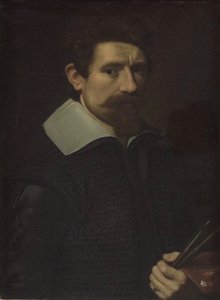
Adam Elsheimer
1578 - 1610 , Alemania
Datos clave
- Artistas Influenciados:
- Rembrandt
- Peter Paul Rubens
- Artistas Que Influyeron:
- Albrecht Dürer
- Johann Rottenhammer
- Tintoretto
- Paolo Veronese
- Fecha De Fallecimiento: 11 de diciembre de 1610
- Fecha De Nacimiento: 18 de marzo de 1578
- Lugar De Nacimiento: Frankfurt am Main, Alemania
- Movimiento Artístico: Barroco
- Nacionalidad: Alemán
- Nombre Completo: Adam Elsheimer
- Obras Notables:
- Tobías y el ángel
- La quema de Troya
- Apolo y Coronis
- Ceres y Stelio
- El martirio de Esteban
Artículos relacionados
John Ottis Adams: Capturing Rural Indiana's Luminist Spirit
Explore the serene landscapes of John Ottis Adams, a key American Impressionist of the Hoosier Group. Discover his Luminist style & forgotten legacy with ArtsDot.
¿De Dónde Venimos? La Evolución de los Museos Públicos y su Impacto Cultural
Descubre la fascinante historia de los museos públicos: su evolución, impacto cultural y desafíos actuales. Análisis experto sobre el rol del museo en la sociedad moderna.
Antonio Zucchi: A Venetian Master of Rococo & Neoclassical Charm
Explore the captivating world of Antonio Zucchi, a Venetian master of Rococo and Neoclassical art. Discover his collaborations with Robert Adam & Angelica Kauffmann, stunning frescoes, and enduring legacy. Learn about collecting Zucchi's works today.
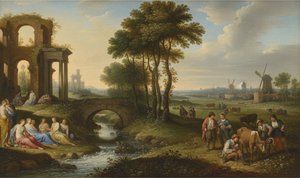
Cornelis van Poelenburch: Bridging Mannerism & the Dutch Baroque Landscape
Discover Cornelis van Poelenburch, a pivotal Dutch Baroque landscape painter bridging Mannerism & Italianate styles. Explore his life, key works, and lasting influence on 17th-century art with ArtsDot.

Monochrome Visions: Exploring the Aesthetic & Historical Significance of Black & White Photography
Explore the rich history & artistic power of black and white photography. From early techniques to iconic masters like Ansel Adams, discover why monochrome continues to captivate art lovers today. Expert insights for collectors.