

 Ver en contexto
 Enviar
 Compartir
 Detalles

 Descargar
 Similares
 Radiografía
 Presentación de diapositivas
 Estadísticas
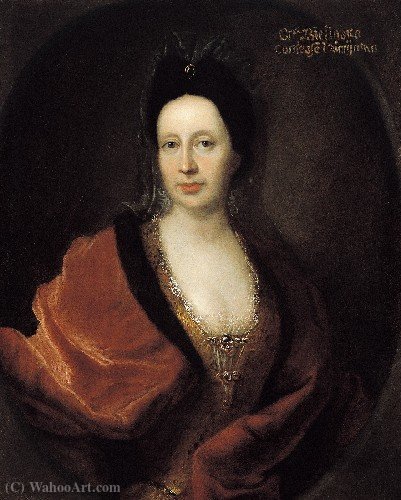
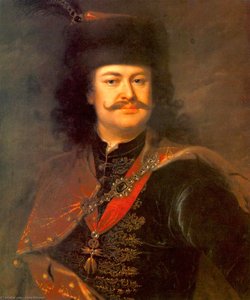
Catherine bielińska, baroness besenval
 Ver más
Adquiera una imagen digital de alta resolución y optimizada, muy superior a la vista previa en línea.
Cada archivo es preparado meticulosamente por nuestros especialistas internos mediante el uso de herramientas avanzadas y un experto retoque manual. Nos aseguramos de que cada imagen posea una claridad excepcional, una precisión cromática impecable y un detalle minucioso.
El archivo final se entrega por correo electrónico en un plazo de 72 horas, optimizado para su uso inmediato en entornos profesionales, editoriales y de impresión. Esta es la misma calidad en la que confían los estudios de diseño, las editoriales y las galerías de primer nivel.
Imagen Digital
Descarga un archivo de alta resolución para exhibición personal, impresión y proyectos creativos. ( Cambiar a Impresión Comprar pintura hecha a mano)
Incluido en cada pedido de imágenes digitales
Entrega digital experta, garantizada.
Al elegir ArtsDot.com, no solo está adquiriendo una imagen; está recibiendo una obra de arte digital mejorada profesionalmente, elaborada con precisión y respaldada por una garantía de satisfacción. Esto es todo lo que incluye su pedido, automáticamente:

Entrega rápida por email
Recibirá su archivo de imagen digital en alta resolución por correo electrónico en un plazo de 72 horas tras realizar su pedido, listo para su uso inmediato.

Archivo digital optimizado por IA
Su obra de arte se optimiza profesionalmente mediante herramientas avanzadas de IA y edición manual, garantizando el máximo detalle, claridad y precisión cromática.

Reenvío gratuito de por vida
¿Has borrado o perdido tu archivo por error? No te preocupes: te lo volveremos a enviar en cualquier momento, sin coste adicional.

Sin gastos de importación, siempre
Disfrute de su obra de arte al instante sin aduanas, aranceles ni gastos de envío; las descargas digitales siempre están libres de impuestos.

Garantía de fidelidad de color
Garantizamos que su imagen digital refleje los colores originales con la mayor fidelidad posible, mediante el uso de herramientas profesionales y gestión del color.

Garantía de satisfacción de 100 días
Si no está satisfecho con su imagen digital, la revisaremos o le reembolsaremos el 100% en un plazo de 100 días, sin preguntas.

100% Garantía de devolución de dinero
¿No está satisfecho? Obtenga un reembolso completo dentro de los 100 días posteriores a la recepción de su archivo digital, sin preguntas.

Descuentos por pedidos grandes
Compra 3 imágenes, ahorra 10% - Compra 5, ahorra 15% - Compra 10+, ahorra 20%. Ideal para proyectos creativos, galerías y agencias.
Obras relacionadas







Biografía del artista
The Luminous Legacy of Ádám Mányoki
In the grand tapestry of the European Baroque, few threads are as intricately woven or as emotionally resonant as those spun by Ádám Mányoki. Born in 1673 in the modest village of Szokolya, Hungary, Mányoki’s journey from the son of a struggling Protestant pastor to a celebrated court painter is a testament to the transformative power of raw talent. His early years were defined by the quiet hardships of a rural parish, yet his destiny was redirected by the intervention of Dölfer, a German officer who recognized the boy's burgeoning genius. This pivotal mentorship provided Mányoki with an education that would eventually carry him across the most vibrant artistic hubs of Europe, from the scholarly halls of Lüneburg and Hamburg to the sophisticated ateliers of Hanover and Paris.
The evolution of Mányoki’s style was a continuous dialogue with the masters of his era. In Paris, under the guidance of Nicolas de Largillière, he absorbed the elegance and fluid grace characteristic of the French Baroque, learning to infuse his subjects with a sense of aristocratic poise. This was further enriched by his immersion in the Dutch Republic, where the mastery of light and shadow—the very essence of the Dutch tradition—deepened his ability to capture the psychological nuances of the human face. His work became a sophisticated synthesis of these diverse influences: the structural grandeur of German training, the refined elegance of French portraiture, and the atmospheric depth of the Netherlands.
A Wanderer Through Royal Courts
Mányoki’s career was as much a geographical odyssey as an artistic one, marked by his service to some of the most powerful figures in 18th-century Europe. His arrival in Berlin in 1703 secured him a prestigious position as a court painter for King Frederick William I of Prussia, a role that demanded both technical precision and the ability to convey royal dignity. However, his spirit remained restless and nomadic. In 1707, he entered the service of Francis II Rákóczi, following the Prince into Poland. This period of wandering brought him into contact with the Polish elite, leading to significant commissions, including a notable portrait of King Augustus II.
As his reputation grew, so did the breadth of his patronage. His travels took him through Prague and Vienna, where he captured the likenesses of Emperor Charles VI and the young archduchesses Maria Theresa and Maria Anna. Each new court offered a fresh canvas for his developing mastery of the portrait genre. Whether painting the high nobility of Hungary or the monarchs of Poland and Prussia, Mányoki possessed a singular ability to render not just the physical likeness, but the very gravitas and inner character of his sitters. His later years in Dresden and Leipzig saw him serving Augustus III of Poland, further cementing his status as one of the most significant portraitists of his age.
The Twilight of a Master
Despite the heights of his professional success, the final chapters of Mányoki’s life were marked by a poignant irony. The man who had captured the splendor of kings ended his days in the shadows of poverty and personal struggle. After resigning from his court position in 1753 due to unpaid salaries—a common grievance among artists of the era—he succumbed to the distractions of alchemy, a pursuit that famously drained his remaining wealth. He passed away in Dresden in 1757, an impoverished figure whose death required the charity of friends.
Yet, the historical significance of Ádám Mányoki remains undiminished by his personal decline. His contribution to the Baroque tradition lies in his ability to bridge regional styles into a cohesive, international language of portraiture. He remains a vital figure in Hungarian art history, representing a period when Central European artists moved seamlessly between the cultural epicenters of Europe. Today, his works serve as windows into the 18th century, offering us more than mere likenesses; they offer an enduring glimpse into the light, shadow, and soul of a bygone era.
ádám mányoki
1673 - 1757
Breves datos
- Artistic Movement Or Style: Baroque Painting
- Artists Or Movements Influenced By This Artist: ['Nicolas de Largillière']
- Artists Who Influenced This Artist: ['Andreas Scheits']
- Date Of Death: 1757
- Full Name: Ádám Mányoki
- Nationality: Hungarian
- Notable Artworks:
- Portrait of Jan Szembek.
- Portrait of Adam Mányoki
- Place Of Birth: Szokolya, Hungary