

 Ver en contexto
 Enviar
 Compartir
 Detalles

 Descargar
 Similares
 Radiografía
 Presentación de diapositivas
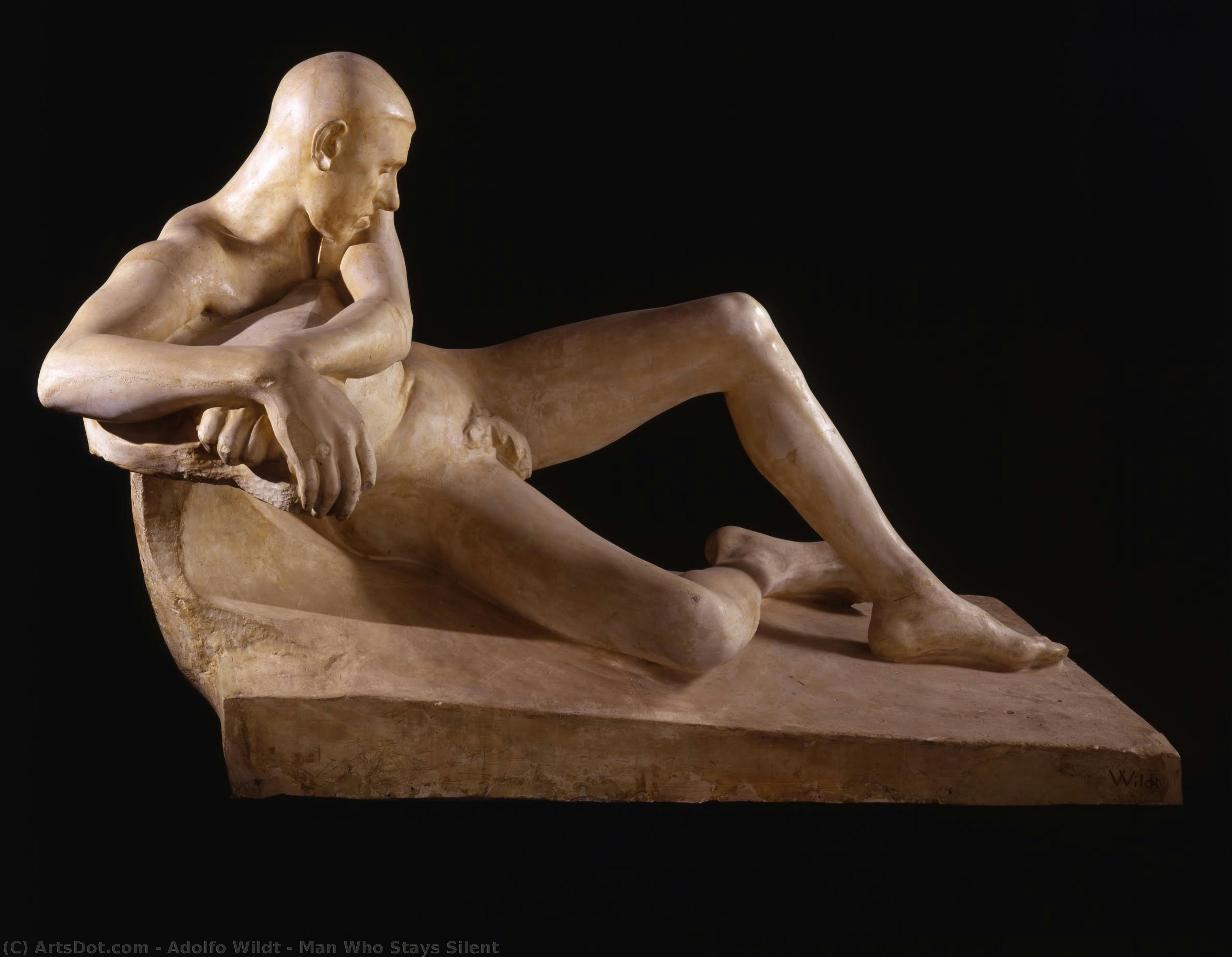
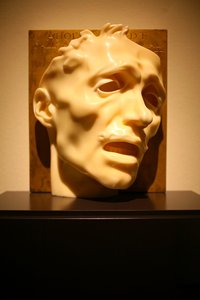
Man Who Stays Silent


 Ver más
Reproducción al óleo hecha a mano
Óleo sobre lienzo pintado a mano en el tamaño y marco de su elección, realizado por encargo por nuestros artistas. ( Comprar impresión Comprar imagen)




P118B $10

P118H $10

P118W $10

P438Z $10

P508JH $12

P508YH $12

P805H $10

P805Z $10

P919BZ $10

P919G $10

P919XJ $10

P959ZH $10

P968JZ $12

W106C $8

W218G $10

W218JH $8

W218Y $10

W307PJ $10

W316G $10

W316PJ $8

W316Y $10

W398PJ $8

W4111J $10

W500HY $15

W500JH $15

W692G $12

W849H $8

W940BG $15

W953PJ $8




Elija entre nuestros tamaños predefinidos que respetan las proporciones originales de la obra.

Puede ingresar sus propias dimensiones para adaptarse a un marco o espacio específico. Si el tamaño seleccionado no coincide con las proporciones de la imagen original, recortaremos la obra o extenderemos la pintura con elementos adicionales pintados a mano. Se le enviará una maqueta digital para su aprobación antes de comenzar la producción.
Tenga en cuenta que la vista previa en pantalla no refleja el recorte o la extensión reales. Solo la maqueta mostrará con precisión la composición final.
Si bien existen tamaños personalizados, recomendamos seleccionar una dimensión de la lista predefinida para preservar las proporciones originales.
Tras realizar el pedido, el equipo de ArtsDot.com enviará un correo electrónico al cliente para solicitar instrucciones y proporcionarle una vista previa del boceto.
Envío a todo el mundo () en 3-4 semanas en lugar de las 5 semanas estándar. (29 agosto). Sin comprometer la calidad.

Envío exprés gratuito a todo el mundo

Lienzo de lino de alta calidad

Seguro de envío total

Garantía de reembolso de impuestos aduaneros

Garantía de fidelidad cromática exacta

Política de devolución de 60 días (solo por defectos)

Garantía de devolución del 100% del dinero

Descuento por cantidad
 La opción de vidrio solo está disponible en tamaños inferiores a 110 cm.

Man Who Stays Silent
Técnica de reproducción
Dimensiones de la reproducción
-


Precio total final
$ 263
The Sculptor’s Introspection: Adolfo Wildt's "Man Who Stays Silent"
Adolfo Wildt’s “Man Who Stays Silent,” a captivating marble sculpture from 1899, isn’t merely a depiction of a figure; it’s an embodiment of contemplative stillness. Born in Milan amidst the burgeoning artistic currents of Italy, Wildt’s early life – apprenticed as a hairdresser and goldsmith before finding his true calling in sculpting – instilled within him a meticulous attention to form and a profound understanding of material. This experience subtly informs the work; the smooth, almost tactile quality of the marble speaks to a craftsman deeply attuned to its inherent properties. The sculpture’s power lies not in dramatic gesture or overt emotion, but rather in the palpable sense of inward focus radiating from the seated man – a figure seemingly lost within his own thoughts.
- Subject and Pose: The central subject is a man, rendered with remarkable anatomical precision yet imbued with an almost ethereal quality. He sits rigidly upright on a simple chair, his hands clasped before him in a gesture of profound introspection. This posture immediately draws the viewer in, inviting them to share in his silent contemplation.
- Material and Technique: Wildt masterfully employs the technique of *subdolato*, a method he developed himself, which allows for an exceptionally smooth and polished surface on marble. The result is a luminous quality that seems to capture and reflect light, creating an almost otherworldly effect. The subtle variations in tone within the marble – from the deepest shadows to the brightest highlights – contribute significantly to the sculpture’s depth and realism.
A Bridge Between Movements: Romanticism and Modernism
“Man Who Stays Silent” occupies a fascinating space within the transition between late 19th-century Romanticism and the nascent movements of early 20th-century modernism. Wildt’s work echoes the emotional intensity and psychological depth characteristic of Romantic sculpture, particularly in its exploration of inner experience. However, he departs from traditional Romantic conventions by prioritizing restraint and a sense of quietude over dramatic narrative. The man's face is deliberately averted, offering no clues to his thoughts or motivations – forcing the viewer to project their own interpretations onto the scene. This deliberate ambiguity aligns with the modernist emphasis on subjective experience and the rejection of didactic representation.
Historical Context: Wildt’s work emerged during a period of significant artistic upheaval in Italy, marked by the rise of new aesthetic theories and a growing interest in psychological realism. The sculpture reflects this intellectual climate, anticipating the introspective themes that would become central to modern art.Symbolism and Interpretation: A Portrait of Inner Life
The symbolism within “Man Who Stays Silent” is deliberately understated, inviting multiple layers of interpretation. The seated position itself suggests a state of contemplation or perhaps even isolation. The clasped hands could represent prayer, meditation, or simply the act of holding onto one’s thoughts. Some scholars have linked the sculpture to the concept of *silenzio* – silence – as a pathway to spiritual understanding, aligning with philosophical currents prevalent at the time. The man's averted gaze suggests a deliberate withdrawal from the external world, a focus on the internal landscape of his mind.
- The Chair: The simple chair serves as a grounding element, anchoring the figure in a tangible space while simultaneously emphasizing his detachment from it.
- The Absence of Expression: The lack of overt emotion is arguably the sculpture’s most powerful symbolic gesture – inviting viewers to contemplate the complexities of human consciousness and the often-unspoken nature of inner experience.
A Timeless Reflection: Emotional Impact and Artistic Legacy
“Man Who Stays Silent” continues to resonate with audiences today due to its profound sense of quietude and introspection. It’s a work that demands contemplation, inviting viewers to slow down and engage in a dialogue with the figure's unspoken thoughts. Wildt’s ability to capture such a nuanced state of being within the confines of marble is a testament to his artistic skill and sensitivity. Reproductions of this sculpture offer a powerful opportunity to bring this moment of profound stillness into any space, serving as a reminder of the importance of introspection and self-reflection in our increasingly hectic world. Its enduring appeal lies in its ability to evoke a sense of shared humanity – a recognition that we all, at times, seek solace within the silence of our own minds.
Obras relacionadas



Biografía del artista
Vida Temprana y Educación
- Nacimiento y Familia: Adolfo Wildt nació el 1 de marzo de 1868 en Milán, Italia, hijo de una familia suiza que se había establecido en Lombardía.
- Primeros Años Laborales: Abandonó la escuela a la temprana edad de nueve años para comenzar a trabajar. Sus primeras ocupaciones incluyeron roles como peluquero y luego orfebre, demostrando una aptitud temprana para la artesanía.
- Aprendizaje: A los once años, Wildt comenzó un aprendizaje en el taller de Giuseppe Grandi, un destacado escultor del movimiento Scapigliatura. Esta tutoría resultó crucial para introducirlo al arte de esculpir mármol y perfeccionar sus habilidades técnicas.
- Primer Reconocimiento: A los dieciocho años, su talento había ganado reconocimiento dentro de los círculos artísticos, preparando el escenario para su futura carrera.
- Formación Formal: Continuó su educación inscribiéndose en la Academia de Bellas Artes de Brera, consolidando sus bases en teoría y práctica artística.
Carrera y Desarrollo Artístico
- Primeras Exposiciones y Patrocinio: En 1893, Wildt expuso su primera obra – un retrato de su esposa – en la Sociedad Permanente de Bellas Artes en Milán. Esta pieza fue comprada inmediatamente por la Galería Nacional de Arte Moderno en Roma, marcando un primer éxito.
- Colaboración con Franz Rose: Un momento crucial llegó en 1894 cuando entró en un acuerdo único con Franz Rose, un coleccionista prusiano. Rose proporcionó a Wildt seguridad financiera y el derecho de tanteo sobre todas sus esculturas durante dieciocho años, permitiendo al artista concentrarse únicamente en su trabajo creativo.
- Exposición Internacional: Con el apoyo de Rose, Wildt participó en numerosas exposiciones en toda Europa, incluyendo Milán, Múnich, Zúrich, Berlín y Dresde, obteniendo reconocimiento internacional.
- Influencias y Estilo: Su estilo combinó el Romanticismo tardío del siglo XIX con influencias de los movimientos Secesión y Art Nouveau. Se hizo conocido por su simbolismo complejo, formas góticas y una intensidad dramática en su obra.
- Aclamación Crítica: Escultores como Adolf von Hildebrand y Auguste Rodin admiraron el enfoque innovador de Wildt para la escultura en mármol, elogiando su capacidad para crear una transparencia opalescente dentro de la piedra.
Obras Principales y Temas Artísticos
- Esculturas Clave: Algunas de sus obras más notables incluyen *Fulcieri Paulucci de’ Calboli* (1919), *Santa Lucía* (1926), *San Francisco de Asís* (1926) y *Máscara del Dolor* (1908-1909). Estas esculturas se encuentran en los Museos Cívicos de Forlì.
- Temas de Fe y Espiritualidad: Wildt exploró frecuentemente temas de religión, fe y el alma humana. Sus obras a menudo representaban figuras religiosas o transmitían una sensación de anhelo espiritual e introspección.
- Simbolismo y Expresionismo: Sus esculturas se caracterizan por un simbolismo complejo y una cualidad expresiva que prefiguró el auge del Expresionismo en la escultura.
- El Cimitero Monumentale di Milano: Wildt contribuyó significativamente al paisaje artístico del Cimitero Monumentale di Milano, creando tumbas y monumentos junto con otros destacados artistas italianos.
- Escultura ‘Fe’: Un ejemplo sorprendente de su estilo clásico e iluminación dramática, que muestra un testimonio de la historia del arte italiano.
Últimos Años, Legado e Influencia
- Desafíos Financieros: Después de la muerte de Franz Rose en 1912, Wildt enfrentó dificultades financieras y tuvo que navegar por el mercado del arte de forma independiente.
- Premios y Reconocimiento: Recibió el Premio Príncipe Umberto en 1913 por su diseño de fuente exhibido en La Trilogía de la Secesión en Mónaco.
- Carrera Docente: En 1921, Wildt fundó su propia Escuela de Mármol en Milán, enfatizando las técnicas tradicionales. En 1927, esta escuela se integró en la Academia de Brera como un curso de tres años.
- Estudiantes Destacados: Fue mentor de varios artistas influyentes, incluyendo Lucio Fontana, Fausto Melotti y Luigi Broggini, dando forma a la próxima generación de escultores italianos.
- Muerte e Importancia Histórica: Adolfo Wildt murió en Milán el 12 de marzo de 1931. Es recordado como una figura fundamental que tendió un puente entre el Romanticismo y el Modernismo en la escultura italiana, allanando el camino para las futuras generaciones de artistas con sus técnicas innovadoras y su estilo expresivo. Su obra continúa inspirando e influyendo a los escultores hoy en día, consolidando su lugar en la historia del arte.
Adolfo Wildt
1868 - 1931 , Italia
Datos clave
- Artistas Influenciados: ['Lucio Fontana']
- Artistas Que Influyeron:
- Giuseppe Grandi
- Auguste Rodin
- Fecha De Fallecimiento: 12 de marzo de 1931
- Fecha De Nacimiento: 1 de marzo de 1868
- Lugar De Nacimiento: Milán, Italia
- Movimiento Artístico: Modernismo, Simbolismo
- Nacionalidad: Italiana
- Nombre Completo: Adolfo Wildt
- Obras Notables:
- Fulcieri Paulucci...
- Santa Lucía
- San Francisco...
- Máscara del Dolor
Artículos relacionados

Esculturas de Bronce Legendarias: 10 Obras Maestras que Transformaron el Arte | ArtsDot
Descubre las 10 esculturas de bronce más legendarias que revolucionaron el arte. Explora la historia de Rodin, Degas y otros maestros del bronce. Encuentra reproducciones de alta calidad e inspiración para tu hogar en ArtsDot.com.
The Enduring Allure of Marble in Art History: From Classical Sculpture to Modern Abstraction
Explore the captivating history of marble sculpture from ancient Greece to modern art. Discover renowned artists like Canova & Michelangelo, carving techniques, and investment insights at ArtsDot.

The Enduring Form: Exploring Themes & Techniques in Sculpture Across Historical Periods
Explore the rich history of sculpture from ancient masterpieces to contemporary innovations. Discover key techniques, influential artists & investment potential for discerning art collectors.

The Enduring Form: Sculpture Across History, Technique & Emotional Resonance
Explore the rich history of sculpture with ArtsDot. Discover key techniques, influential artists & investment potential for discerning collectors. Expert insights into valuing and collecting timeless masterpieces.

Las 10 Obras Maestras de Bronce que Revolucionaron la Historia del Arte | ArtsDot
Descubre las 10 esculturas de bronce más influyentes de la historia del arte. Explora obras maestras de Rodin, Degas y otros genios. Encuentra reproducciones de arte de calidad museo en ArtsDot.com.

