 Ver en contexto
 Enviar
 Compartir
 Detalles

 Descargar
 Similares
 Radiografía
 Presentación de diapositivas
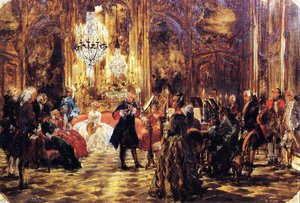
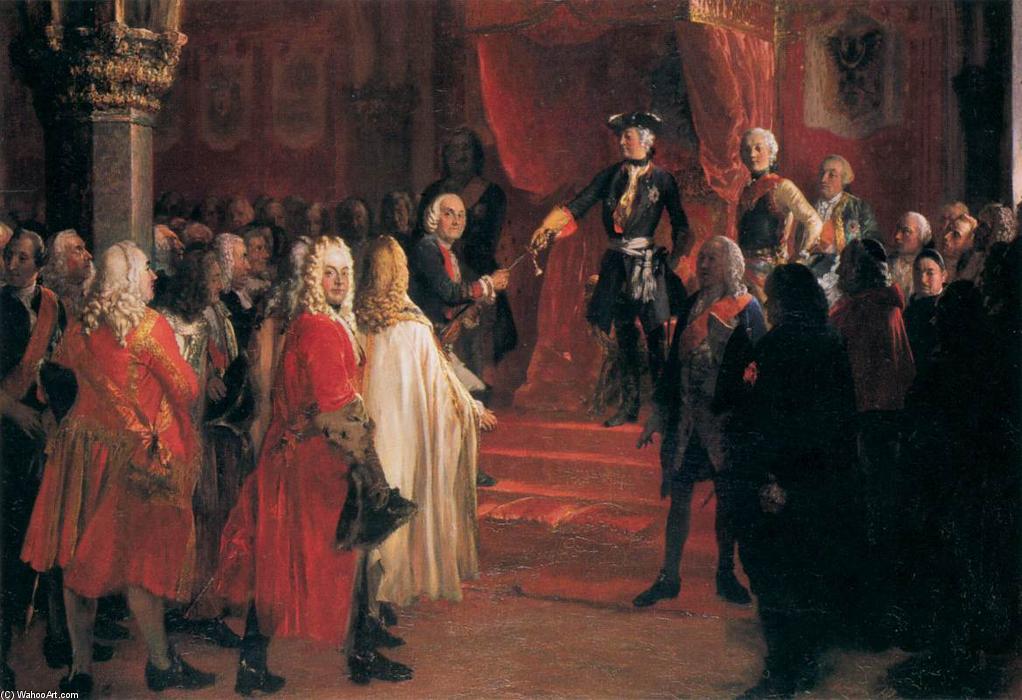
The Allegiance of the Silesian Diet before Frederick II in Breslau
 Oil On Canvas
- WallArt
- Baroque
 1855
1855 98.0 x 136.0 cm
 Nationalgalerie
 Ver más
Giclée / Impresión de arte
Impresiones giclée o en lienzo de calidad de museo con producción rápida y opciones de acabado flexibles. ( Comprar pintura hecha a mano Comprar imagen)




P118B $10

P118H $10

P118W $10

P438Z $10

P508JH $12

P508YH $12

P805H $10

P805Z $10

P919BZ $10

P919G $10

P919XJ $10

P959ZH $10

P968JZ $12

W106C $8

W218G $10

W218JH $8

W218Y $10

W307PJ $10

W316G $10

W316PJ $8

W316Y $10

W398PJ $8

W4111J $10

W500HY $15

W500JH $15

W692G $12

W849H $8

W940BG $15

W953PJ $8




Elija entre nuestros tamaños predefinidos que respetan las proporciones originales de la obra.

Puede introducir sus propias dimensiones para adaptarse a un marco o espacio específico. Si el tamaño seleccionado no coincide con las proporciones de la imagen original, recortaremos la obra de arte o extenderemos la imagen con un borde con efecto espejo o de color sólido. Se enviará una maqueta digital para su aprobación antes de que comience la producción.
Tenga en cuenta que la vista previa en pantalla no refleja el recorte o la extensión real. Solo la maqueta mostrará con precisión la composición final.
Aunque existen tamaños personalizados, recomendamos seleccionar una dimensión de la lista predefinida para preservar las proporciones originales.
Envío a todo el mundo () en 2 semanas en lugar de las 4/5 semanas estándar. (1 septiembre)

Envío exprés gratuito a todo el mundo

Lienzo de lino de alta calidad

Seguro de envío total

Garantía de reembolso de impuestos aduaneros

Garantía de fidelidad cromática exacta

Política de devolución de 60 días (solo por defectos)

Garantía de devolución del 100% del dinero

Descuento por cantidad
 La opción de vidrio solo está disponible en tamaños inferiores a 110 cm.

The Allegiance of the Silesian Diet before Frederick II in Breslau
Giclée / Impresión de arte
Dimensiones de la reproducción
-


Precio total final
$ 62
A Glimpse into Prussian Power: Adolph von Menzel’s ‘The Allegiance of the Silesian Diet’
Adolph von Menzel's “The Allegiance of the Silesian Diet before Frederick II in Breslau” is more than just a historical painting; it’s a meticulously crafted tableau vivant, a frozen moment brimming with political intrigue and regal authority. Completed in 1855, this imposing oil on canvas transports us to the heart of 18th-century Prussia, offering a rare and intimate view into the elaborate rituals surrounding power and succession. The sheer scale of the work – measuring an impressive 98 x 136 cm – immediately commands attention, drawing the viewer into a densely populated scene teeming with figures rendered in astonishing detail.
Menzel’s genius lies not merely in his technical skill—though that is undeniably remarkable, evidenced by the remarkably lifelike quality of each face and garment—but also in his ability to distill complex historical events into a powerfully symbolic narrative. The painting depicts a formal ceremony where the Silesian Diet, a regional governing body, pledged their allegiance to Frederick II, the “Great King” of Prussia. The central figure, a stern-faced man holding aloft a sword, embodies this power—a potent symbol of military might and political control. His posture is deliberate, radiating an aura of command that dominates the composition.
A Baroque Foundation: Style and Technique
While firmly rooted in Realism, Menzel’s work demonstrates a clear debt to the dramatic conventions of the Baroque period. The use of chiaroscuro—the stark contrast between light and shadow—is particularly striking, creating a theatrical atmosphere that elevates the scene beyond mere documentation. Strong directional lighting focuses attention on Frederick II and his immediate entourage, while the background figures fade into relative obscurity, reinforcing the hierarchy of power. Menzel’s brushwork is deliberately loose in areas, contributing to a textured surface that adds depth and visual interest – particularly noticeable in the fabrics and armor.
The artist's meticulous attention to detail extends beyond mere representation; he seems intent on capturing not just what was *seen*, but also the *feeling* of the event. The elaborate costumes, the carefully rendered architecture (a grand hall with columns and drapery), and the expressions on the faces of the assembled dignitaries all contribute to a sense of formality, solemnity, and underlying tension.
Historical Context: Silesia and Frederick II
To fully appreciate “The Allegiance of the Silesian Diet,” it’s crucial to understand its historical context. Silesia, a region with a complex and often turbulent past, was a key prize in European politics during the 18th century. Frederick II, known as Frederick the Great, was a brilliant military strategist and an ambitious ruler who sought to expand Prussian territory and influence. His reign marked a period of significant modernization and expansion for Prussia, transforming it into a major European power.
The Silesian Diet played a vital role in this political landscape, representing the interests of the region’s nobility and providing Frederick II with crucial support. The ceremony depicted in Menzel's painting was a formal affirmation of loyalty—a symbolic act designed to solidify his authority and ensure the stability of his rule. Interestingly, Menzel’s work reflects the broader artistic trends of the time, which often sought to glorify military achievements and celebrate the virtues of leadership.
Symbolism and Emotional Resonance
Beyond its historical significance, “The Allegiance of the Silesian Diet” is rich in symbolism. The sword represents power, authority, and the willingness to defend one’s realm. The elaborate attire worn by the dignitaries signifies their status and importance within the political hierarchy. The very act of pledging allegiance underscores the concept of loyalty—a cornerstone of both military and political systems.
Despite its formal subject matter, the painting evokes a sense of drama and intrigue. The viewer is drawn into a world of courtly ceremony and political maneuvering, where appearances are carefully constructed and alliances are constantly shifting. Menzel’s masterful use of light and shadow creates an atmosphere of both grandeur and tension, leaving us with a lingering sense of the complexities inherent in the pursuit of power.
Obras relacionadas


Biografía del artista
Una vida dedicada a la excelencia artística (1815-1905)
Adolph Friedrich Erdmann von Menzel, un artista realista alemán, dejó una huella imborrable en el mundo del arte con sus dibujos, grabados y pinturas. Nacido en Breslau, Silesia (actualmente Wrocław, Polonia), el 8 de diciembre de 1815, la vida de Menzel fue un testimonio de su dedicación a capturar la esencia de la realidad a través de su arte.Primeros años y formación
El padre de Menzel, un litógrafo, inicialmente pretendía que su hijo se convirtiera en profesor. Sin embargo, la pasión por el arte de Adolph prevaleció, llevándolo a estudiar brevemente en la Academia de Arte de Berlín en 1833. Posteriormente, se convirtió en autodidacta, perfeccionando sus habilidades a través de una práctica incansable.Logros artísticos y evolución
- El taller de forja (1872-1875), una obra maestra que muestra la aguda observación y el dominio técnico de Menzel. Esta pintura monumental retrata el proceso industrial con un realismo asombroso, capturando la energía y el movimiento de los trabajadores y las máquinas.
- El mercado de Verona, un testimonio de su capacidad para capturar la atmósfera de la vida cotidiana. Menzel se destacaba en representar escenas urbanas con gran detalle y vitalidad.
- Predicación en la iglesia parroquial de Innsbruck (1857), un ejemplo impresionante de su maestría, que se encuentra en la colección del museo Hugo Fischer (Bühl, Alemania). Esta obra demuestra su habilidad para representar figuras humanas y escenas religiosas con gran realismo y expresividad.
- Menzel también es conocido por sus pinturas históricas, como Fritz Coburgo en la batalla de Kerschenfeld, que reflejan su interés por la historia prusiana y su habilidad para representar eventos históricos con dramatismo y precisión.
Influencias y legado
La reputación póstuma de Menzel se basó en gran medida en sus trabajos gráficos y pinturas informales. Su influencia se extendió más allá de Alemania; Edgar Degas admiraba y copiaba su obra, llamándolo "el maestro vivo más grande". La asociación de Menzel con el arte francés e inglés es evidente en sus pinturas de género, como la ventana francesa y el jardín del palacio del príncipe Alberto. Su capacidad para capturar la luz y la atmósfera, así como su atención al detalle, lo convirtieron en un artista influyente. Menzel fue un cronista visual de su época, documentando la vida cotidiana, los avances industriales y los eventos históricos con una precisión y un realismo sin precedentes. Su legado perdura como uno de los artistas más importantes del siglo XIX alemán, reconocido por su habilidad técnica, su aguda observación y su capacidad para capturar la esencia de la realidad.Museos que exhiben obras de Menzel
Experimente la brillantez del arte de Adolph von Menzel explorando sus obras en ArtsDot.com.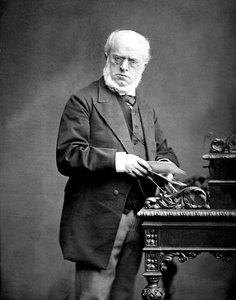
Adolph von Menzel
1815 - 1905 , Polonia
Datos clave
- Artistas Que Influyeron: ['Edgar Degas']
- Estilo Artístico: Realismo alemán
- Fecha De Fallecimiento: 1905
- Fecha De Nacimiento: 8 de diciembre de 1815
- Influencia Artística: ['Franz Ritter von Stuck']
- Lugar De Nacimiento: Wrocław, Polonia
- Nacionalidad: Alemán
- Nombre Completo: Adolph Friedrich Erdmann von Menzel
- Obras Notables:
- Molino de hierro (1872-1875)
- El mercado de Verona
- Kanzelpredigt en Innsbruck (1857)
Artículos relacionados

Drama Barroca: Llevando la Grandeza y la Emoción a los Interiores Contemporáneos
Descubre cómo el drama y la grandeza del arte barroco pueden transformar tus interiores. Guía experta, inspiración y reproducciones de alta calidad en .

The Dramatic Flourish: Exploring the Baroque Movement's Enduring Legacy in Art History
Explore the dramatic world of Baroque art! Discover iconic artists like Caravaggio & Rubens, defining techniques, and its lasting impact on art history. Expert insights for collectors & enthusiasts at ArtsDot.
Adolph von Menzel: Realism, Prussian Society & the Painterly Chronicle of a Changing Era
Explore the life & work of Adolph von Menzel, a leading German Realist painter. Discover his detailed depictions of Prussian society, innovative techniques, and lasting influence on art history. Hand-painted reproductions available at ArtsDot.
El Siglo XIX en el Arte: 10 Obras Maestras para Decorar con Historia y Estilo
Descubre 10 obras maestras del siglo XIX: Monet, Goya y más. Explora el impresionismo, realismo y romanticismo que definieron una época. Encuentra reproducciones de arte exclusivas para decorar tu hogar con estilo en ArtsDot.com.

Barroco Sublime: 10 Obras Maestras que Definieron una Época |
Descubre las 10 obras maestras del Barroco que marcaron una época. Caravaggio, Bernini y Velázquez cobran vida en . Reproducciones de arte de calidad museo para decorar tu hogar con elegancia. ¡Explora la colección online!