

 Ver en contexto
 Enviar
 Compartir
 Detalles

 Descargar
 Similares
 Radiografía
 Presentación de diapositivas
 Stats
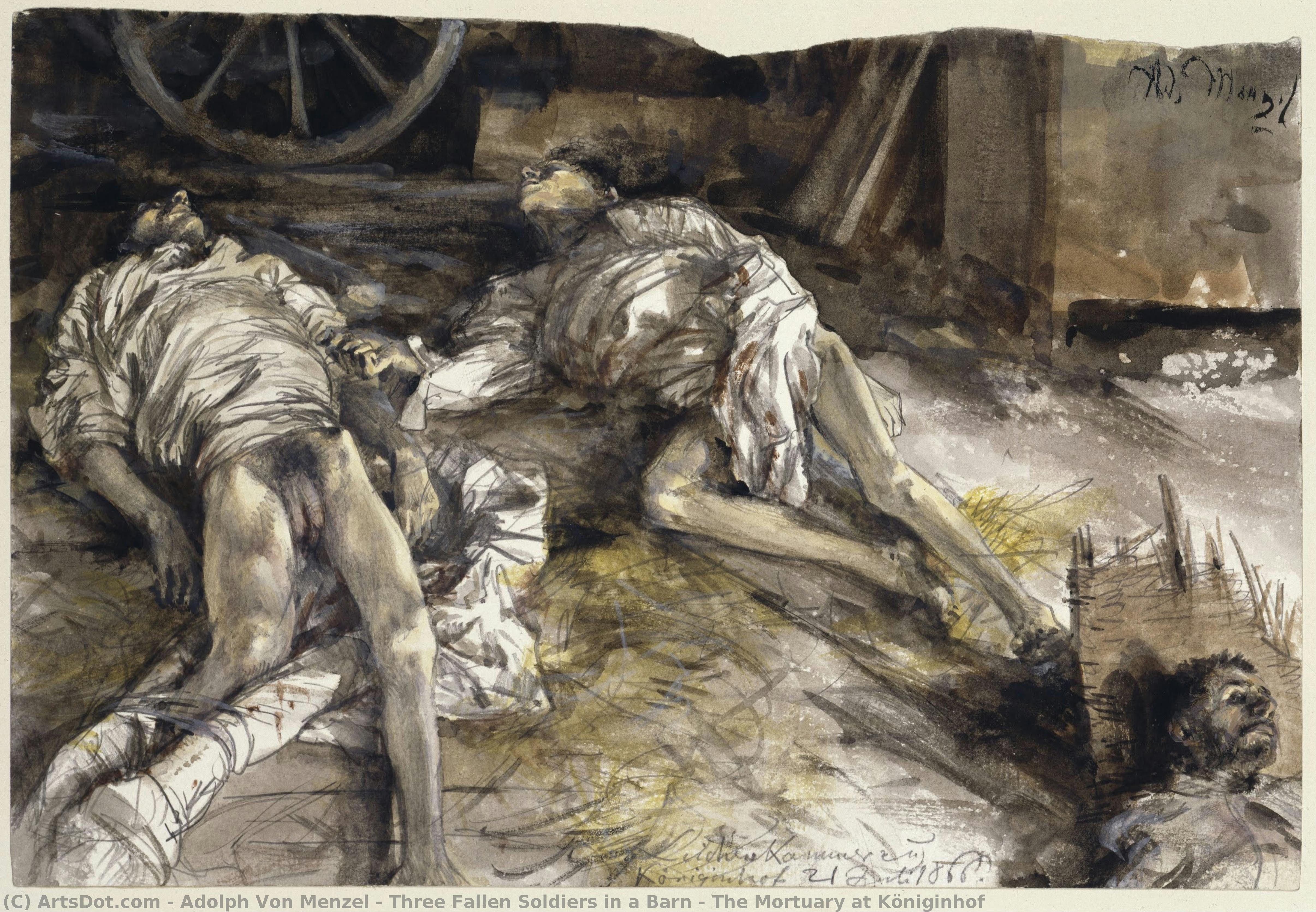
StatsThree Fallen Soldiers in a Barn / The Mortuary at Königinhof
 Watercolor
- WallArt
- German Realism
 19th Century
 27.0 x 18.0 cm
 Kupferstichkabinett
 Ver más
Adquiera una imagen digital de alta resolución y optimizada, muy superior a la vista previa en línea.
Cada archivo es preparado meticulosamente por nuestros especialistas internos mediante el uso de herramientas avanzadas y un experto retoque manual. Nos aseguramos de que cada imagen posea una claridad excepcional, una precisión cromática impecable y un detalle minucioso.
El archivo final se entrega por correo electrónico en un plazo de 72 horas, optimizado para su uso inmediato en entornos profesionales, editoriales y de impresión. Esta es la misma calidad en la que confían los estudios de diseño, las editoriales y las galerías de primer nivel.
Imagen Digital
Descarga un archivo de alta resolución para exhibición personal, impresión y proyectos creativos. ( Switch to Print Comprar pintura hecha a mano)
Incluido en cada pedido de imágenes digitales
Entrega digital experta, garantizada.
Al elegir ArtsDot.com, no solo está adquiriendo una imagen; está recibiendo una obra de arte digital mejorada profesionalmente, elaborada con precisión y respaldada por una garantía de satisfacción. Esto es todo lo que incluye su pedido, automáticamente:

Entrega rápida por email
Recibirá su archivo de imagen digital en alta resolución por correo electrónico en un plazo de 72 horas tras realizar su pedido, listo para su uso inmediato.

Archivo digital optimizado por IA
Su obra de arte se optimiza profesionalmente mediante herramientas avanzadas de IA y edición manual, garantizando el máximo detalle, claridad y precisión cromática.

Reenvío gratuito de por vida
¿Has borrado o perdido tu archivo por error? No te preocupes: te lo volveremos a enviar en cualquier momento, sin coste adicional.

Sin gastos de importación, siempre
Disfrute de su obra de arte al instante sin aduanas, aranceles ni gastos de envío; las descargas digitales siempre están libres de impuestos.

Garantía de fidelidad de color
Garantizamos que su imagen digital refleje los colores originales con la mayor fidelidad posible, mediante el uso de herramientas profesionales y gestión del color.

Garantía de satisfacción de 100 días
Si no está satisfecho con su imagen digital, la revisaremos o le reembolsaremos el 100% en un plazo de 100 días, sin preguntas.

100% Garantía de devolución de dinero
¿No está satisfecho? Obtenga un reembolso completo dentro de los 100 días posteriores a la recepción de su archivo digital, sin preguntas.

Descuentos por pedidos grandes
Compra 3 imágenes, ahorra 10% - Compra 5, ahorra 15% - Compra 10+, ahorra 20%. Ideal para proyectos creativos, galerías y agencias.
A Haunting Echo of War: The Somber Reality of Menzel’s Mortuary
In the quiet, shadowed corners of Adolph von Menzel’s 1866 masterpiece, Three Fallen Soldiers in a Barn (also known as The Mortuary at Königinhof), one finds a profound meditation on the fragility of life. This is not a painting of heroic charges or glorious victories; instead, it is an intimate, devastating encounter with the aftermath of the Austro-Prussian War. Menzel invites the viewer into a makeshift mortuary, where three soldiers lie motionless upon the earth, their lives extinguished by the brutal machinery of conflict. The setting—a rustic barn—serves as a stark, unadorned stage that strips away the romanticism often associated with 19th-century warfare, leaving only the raw, heavy presence of loss.
The composition is anchored by a profound sense of stillness, yet it is far from empty. Amidst the fallen men, two dogs wander through the scene, their presence adding a layer of poignant, almost surreal, naturalism. Their movement contrasts sharply with the frozen permanence of the deceased, perhaps symbolizing the indifferent continuation of life even in the wake of tragedy. The inclusion of humble elements like a wooden wheel and scattered hay grounds the scene in a tangible, earthly reality, making the sudden intrusion of death feel all the more visceral and unexpected.
Mastery of German Realism: Technique and Texture
Menzel’s technical execution is a triumph of German Realism, a movement defined by its commitment to portraying the world with uncompromising accuracy. Eschewing the grand, sweeping gestures of Romanticism, Menzel utilizes the delicate medium of watercolour and pencil wash to build a world of immense depth and texture. Through meticulous layering and precise hatching marks, he breathes life into the inanimate, capturing the rough grain of the barn wood, the softness of the hay, and the heavy, weighted stillness of the soldiers' uniforms.
The artist’s palette is intentionally restrained, dominated by a somber symphony of browns, greys, and muted earth tones. This monochromatic leaning does more than just reflect the bleakness of the setting; it directs the viewer’s emotional focus toward the atmosphere of mourning. The light in the painting does not illuminate so much as it haunts, casting soft shadows that shroud the figures in a veil of solemnity. For the collector or interior designer, this piece offers a sophisticated tonal depth that can anchor a room with its quiet, contemplative gravity.
A Legacy of Remembrance for the Discerning Collector
To possess a reproduction of this work is to hold a fragment of history. Menzel, a visual chronicler of his era, drew directly from his firsthand observations of the devastation in Königinhof, Bohemia. This personal connection imbues the artwork with an authenticity that transcends mere depiction; it is a witness to the human spirit's endurance through trauma. The painting does not merely show us death; it asks us to remember the cost of conflict and the quiet dignity found in grief.
For those looking to curate a space filled with art that provokes thought and evokes emotion, Three Fallen Soldiers in a Barn is an incomparable choice. Its understated elegance and historical weight make it a centerpiece for any collection dedicated to the profoundest themes of human existence. Whether displayed in a private study or a curated gallery setting, Menzel’s work continues to resonate, offering a timeless window into the shadows of our shared history.
Obras relacionadas


Biografía del artista
Una vida dedicada a la excelencia artística (1815-1905)
Adolph Friedrich Erdmann von Menzel, un artista realista alemán, dejó una huella imborrable en el mundo del arte con sus dibujos, grabados y pinturas. Nacido en Breslau, Silesia (actualmente Wrocław, Polonia), el 8 de diciembre de 1815, la vida de Menzel fue un testimonio de su dedicación a capturar la esencia de la realidad a través de su arte.Primeros años y formación
El padre de Menzel, un litógrafo, inicialmente pretendía que su hijo se convirtiera en profesor. Sin embargo, la pasión por el arte de Adolph prevaleció, llevándolo a estudiar brevemente en la Academia de Arte de Berlín en 1833. Posteriormente, se convirtió en autodidacta, perfeccionando sus habilidades a través de una práctica incansable.Logros artísticos y evolución
- El taller de forja (1872-1875), una obra maestra que muestra la aguda observación y el dominio técnico de Menzel. Esta pintura monumental retrata el proceso industrial con un realismo asombroso, capturando la energía y el movimiento de los trabajadores y las máquinas.
- El mercado de Verona, un testimonio de su capacidad para capturar la atmósfera de la vida cotidiana. Menzel se destacaba en representar escenas urbanas con gran detalle y vitalidad.
- Predicación en la iglesia parroquial de Innsbruck (1857), un ejemplo impresionante de su maestría, que se encuentra en la colección del museo Hugo Fischer (Bühl, Alemania). Esta obra demuestra su habilidad para representar figuras humanas y escenas religiosas con gran realismo y expresividad.
- Menzel también es conocido por sus pinturas históricas, como Fritz Coburgo en la batalla de Kerschenfeld, que reflejan su interés por la historia prusiana y su habilidad para representar eventos históricos con dramatismo y precisión.
Influencias y legado
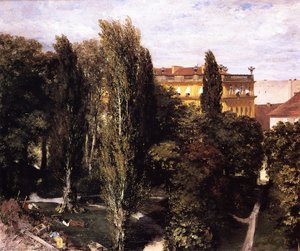
La reputación póstuma de Menzel se basó en gran medida en sus trabajos gráficos y pinturas informales. Su influencia se extendió más allá de Alemania; Edgar Degas admiraba y copiaba su obra, llamándolo "el maestro vivo más grande". La asociación de Menzel con el arte francés e inglés es evidente en sus pinturas de género, como la ventana francesa y el jardín del palacio del príncipe Alberto. Su capacidad para capturar la luz y la atmósfera, así como su atención al detalle, lo convirtieron en un artista influyente. Menzel fue un cronista visual de su época, documentando la vida cotidiana, los avances industriales y los eventos históricos con una precisión y un realismo sin precedentes. Su legado perdura como uno de los artistas más importantes del siglo XIX alemán, reconocido por su habilidad técnica, su aguda observación y su capacidad para capturar la esencia de la realidad.Museos que exhiben obras de Menzel
Experimente la brillantez del arte de Adolph von Menzel explorando sus obras en ArtsDot.com.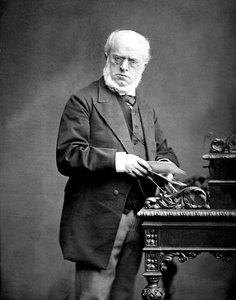
Adolph von Menzel
1815 - 1905 , Polonia
Breves datos
- Artistas Que Influyeron: ['Edgar Degas']
- Estilo Artístico: Realismo alemán
- Fecha De Fallecimiento: 1905
- Fecha De Nacimiento: 8 de diciembre de 1815
- Influencia Artística: ['Franz Ritter von Stuck']
- Lugar De Nacimiento: Wrocław, Polonia
- Nacionalidad: Alemán
- Nombre Completo: Adolph Friedrich Erdmann von Menzel
- Obras Notables:
- Molino de hierro (1872-1875)
- El mercado de Verona
- Kanzelpredigt en Innsbruck (1857)