

 Ver en contexto
 Enviar
 Compartir
 Detalles

 Descargar
 Similares
 Radiografía
 Presentación de diapositivas
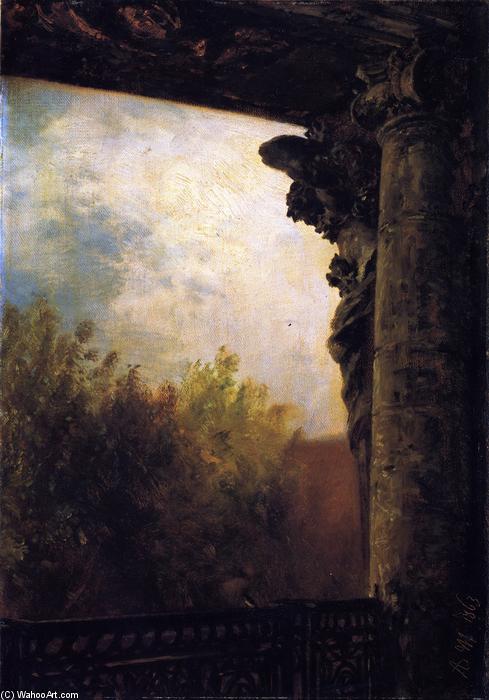
View from a Window of the Royal Palace in Berlin


 Ver más
Adquiera una imagen digital de alta resolución y optimizada, muy superior a la vista previa en línea.
Cada archivo es preparado meticulosamente por nuestros especialistas internos mediante el uso de herramientas avanzadas y un experto retoque manual. Nos aseguramos de que cada imagen posea una claridad excepcional, una precisión cromática impecable y un detalle minucioso.
El archivo final se entrega por correo electrónico en un plazo de 72 horas, optimizado para su uso inmediato en entornos profesionales, editoriales y de impresión. Esta es la misma calidad en la que confían los estudios de diseño, las editoriales y las galerías de primer nivel.
Imagen Digital
Descarga un archivo de alta resolución para exhibición personal, impresión y proyectos creativos. ( Comprar impresión Comprar pintura hecha a mano)
Incluido en cada pedido de imágenes digitales
Entrega digital experta, garantizada.
Al elegir ArtsDot.com, no solo está adquiriendo una imagen; está recibiendo una obra de arte digital mejorada profesionalmente, elaborada con precisión y respaldada por una garantía de satisfacción. Esto es todo lo que incluye su pedido, automáticamente:

Entrega rápida por email
Recibirá su archivo de imagen digital en alta resolución por correo electrónico en un plazo de 72 horas tras realizar su pedido, listo para su uso inmediato.

Archivo digital optimizado por IA
Su obra de arte se optimiza profesionalmente mediante herramientas avanzadas de IA y edición manual, garantizando el máximo detalle, claridad y precisión cromática.

Reenvío gratuito de por vida
¿Has borrado o perdido tu archivo por error? No te preocupes: te lo volveremos a enviar en cualquier momento, sin coste adicional.

Sin gastos de importación, siempre
Disfrute de su obra de arte al instante sin aduanas, aranceles ni gastos de envío; las descargas digitales siempre están libres de impuestos.

Garantía de fidelidad de color
Garantizamos que su imagen digital refleje los colores originales con la mayor fidelidad posible, mediante el uso de herramientas profesionales y gestión del color.

Garantía de satisfacción de 60 días
Si no está satisfecho con su imagen digital, la revisaremos o le reembolsaremos el 100% en un plazo de 60 días, sin preguntas.

100% Garantía de devolución de dinero
¿No está satisfecho? Obtenga un reembolso completo dentro de los 60 días posteriores a la recepción de su archivo digital, sin necesidad de explicaciones.

Descuentos por pedidos grandes
Compra 3 imágenes, ahorra 10% - Compra 5, ahorra 15% - Compra 10+, ahorra 20%. Ideal para proyectos creativos, galerías y agencias.
A Glimpse into Prussian Grandeur: Menzel's Window on History
Adolph von Menzel’s “View from a Window of the Royal Palace in Berlin,” painted in 1863, isn’t merely a landscape; it’s a meticulously crafted tableau vivant – a snapshot of a specific moment frozen in time. The painting offers a carefully composed vista through a window within the opulent confines of the Berlin Royal Palace, inviting us to share in the gaze of its observer and contemplate the complex interplay between power, observation, and the quiet dignity of everyday life. Menzel, a master of Realism, eschewed romanticized depictions in favor of an unflinching portrayal of his era, and this work exemplifies that commitment with remarkable precision.
The scene unfolds before us: a stately statue stands proudly on a pedestal, its classical form a stark contrast to the bustling activity below. A column rises beside it, anchoring the composition and drawing the eye upwards towards the palace itself – a monument to Prussian ambition and military might. Two figures, dressed in attire suggestive of court officials or perhaps visiting dignitaries, stand near the window’s edge, seemingly absorbed in observing the scene. They are not actively engaged; rather, they represent a contemplative presence, adding an element of mystery and inviting us to speculate on their thoughts and motivations.
The Painter's Craft: Technique and Detail
Menzel’s mastery lies in his painstaking attention to detail. The painting is rendered with extraordinary precision – from the weathered stone of the statue, meticulously sculpted to capture every nuance of its form, to the subtle variations in light and shadow across the palace facade. He employed a technique known as *pointillé*, using countless tiny dots of paint to create an illusion of texture and depth, mimicking the effects of natural light with remarkable accuracy. The use of muted tones – predominantly browns, grays, and ochres – contributes to the painting’s somber yet dignified atmosphere. Notice how he captures the reflections on the wet cobblestones, a testament to his understanding of atmospheric perspective.
The brushwork is remarkably controlled, suggesting a deliberate effort to convey both realism and a sense of formal composition. Menzel wasn't simply documenting; he was arranging – carefully positioning elements within the frame to create a visually compelling narrative. The layering of details—the folds in the clothing, the texture of the stone, the subtle expressions on the figures’ faces—all contribute to the painting’s immersive quality.
A Window into Prussian Society and Symbolism
“View from a Window” offers a poignant glimpse into 19th-century Prussian society. The statue itself is likely intended to represent a Roman emperor or a figure embodying imperial authority, symbolizing the dynasty’s claim to historical legitimacy and its connection to ancient ideals of power and order. The palace, with its imposing architecture, stands as a physical manifestation of this ambition. The two figures observing the scene could be interpreted as representing the watchful eye of the state, observing and judging the actions of its citizens.
Furthermore, the painting’s title—"View from a Window"—suggests a certain detachment, an observation of life unfolding beyond the confines of the palace. It invites us to consider the relationship between those in power and those subject to their rule. The quiet contemplation of the figures adds another layer of complexity, hinting at the burdens of authority and the potential for disillusionment.
Emotional Resonance and a Timeless Masterpiece
Despite its historical context, “View from a Window” possesses a timeless quality that continues to resonate with viewers today. The painting evokes a sense of quiet contemplation, inviting us to pause and reflect on our own place within the grand sweep of history. Menzel’s masterful use of light, color, and composition creates an atmosphere of understated elegance and profound observation. It's not a bombastic declaration of power, but rather a subtle meditation on the complexities of human experience—a reminder that even in the midst of imperial grandeur, life continues to unfold with its own rhythms and mysteries.
Obras relacionadas
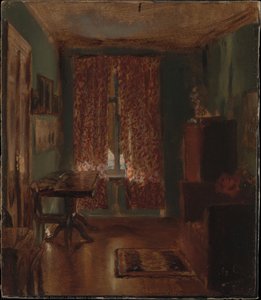
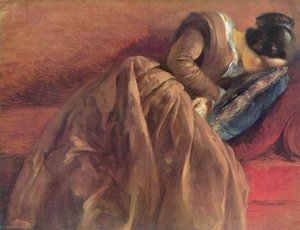

Biografía del artista
Una vida dedicada a la excelencia artística (1815-1905)
Adolph Friedrich Erdmann von Menzel, un artista realista alemán, dejó una huella imborrable en el mundo del arte con sus dibujos, grabados y pinturas. Nacido en Breslau, Silesia (actualmente Wrocław, Polonia), el 8 de diciembre de 1815, la vida de Menzel fue un testimonio de su dedicación a capturar la esencia de la realidad a través de su arte.Primeros años y formación
El padre de Menzel, un litógrafo, inicialmente pretendía que su hijo se convirtiera en profesor. Sin embargo, la pasión por el arte de Adolph prevaleció, llevándolo a estudiar brevemente en la Academia de Arte de Berlín en 1833. Posteriormente, se convirtió en autodidacta, perfeccionando sus habilidades a través de una práctica incansable.Logros artísticos y evolución
- El taller de forja (1872-1875), una obra maestra que muestra la aguda observación y el dominio técnico de Menzel. Esta pintura monumental retrata el proceso industrial con un realismo asombroso, capturando la energía y el movimiento de los trabajadores y las máquinas.
- El mercado de Verona, un testimonio de su capacidad para capturar la atmósfera de la vida cotidiana. Menzel se destacaba en representar escenas urbanas con gran detalle y vitalidad.
- Predicación en la iglesia parroquial de Innsbruck (1857), un ejemplo impresionante de su maestría, que se encuentra en la colección del museo Hugo Fischer (Bühl, Alemania). Esta obra demuestra su habilidad para representar figuras humanas y escenas religiosas con gran realismo y expresividad.
- Menzel también es conocido por sus pinturas históricas, como Fritz Coburgo en la batalla de Kerschenfeld, que reflejan su interés por la historia prusiana y su habilidad para representar eventos históricos con dramatismo y precisión.
Influencias y legado
La reputación póstuma de Menzel se basó en gran medida en sus trabajos gráficos y pinturas informales. Su influencia se extendió más allá de Alemania; Edgar Degas admiraba y copiaba su obra, llamándolo "el maestro vivo más grande". La asociación de Menzel con el arte francés e inglés es evidente en sus pinturas de género, como la ventana francesa y el jardín del palacio del príncipe Alberto. Su capacidad para capturar la luz y la atmósfera, así como su atención al detalle, lo convirtieron en un artista influyente. Menzel fue un cronista visual de su época, documentando la vida cotidiana, los avances industriales y los eventos históricos con una precisión y un realismo sin precedentes. Su legado perdura como uno de los artistas más importantes del siglo XIX alemán, reconocido por su habilidad técnica, su aguda observación y su capacidad para capturar la esencia de la realidad.Museos que exhiben obras de Menzel
Experimente la brillantez del arte de Adolph von Menzel explorando sus obras en ArtsDot.com.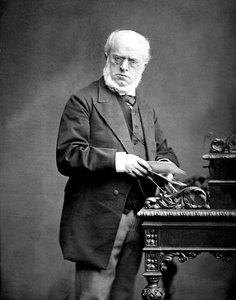
Adolph von Menzel
1815 - 1905 , Polonia
Breves datos
- Artistas Que Influyeron: ['Edgar Degas']
- Estilo Artístico: Realismo alemán
- Fecha De Fallecimiento: 1905
- Fecha De Nacimiento: 8 de diciembre de 1815
- Influencia Artística: ['Franz Ritter von Stuck']
- Lugar De Nacimiento: Wrocław, Polonia
- Nacionalidad: Alemán
- Nombre Completo: Adolph Friedrich Erdmann von Menzel
- Obras Notables:
- Molino de hierro (1872-1875)
- El mercado de Verona
- Kanzelpredigt en Innsbruck (1857)

