

 Ver en contexto
 Enviar
 Compartir
 Detalles

 Descargar
 Similares
 Radiografía
 Presentación de diapositivas
 Estadísticas
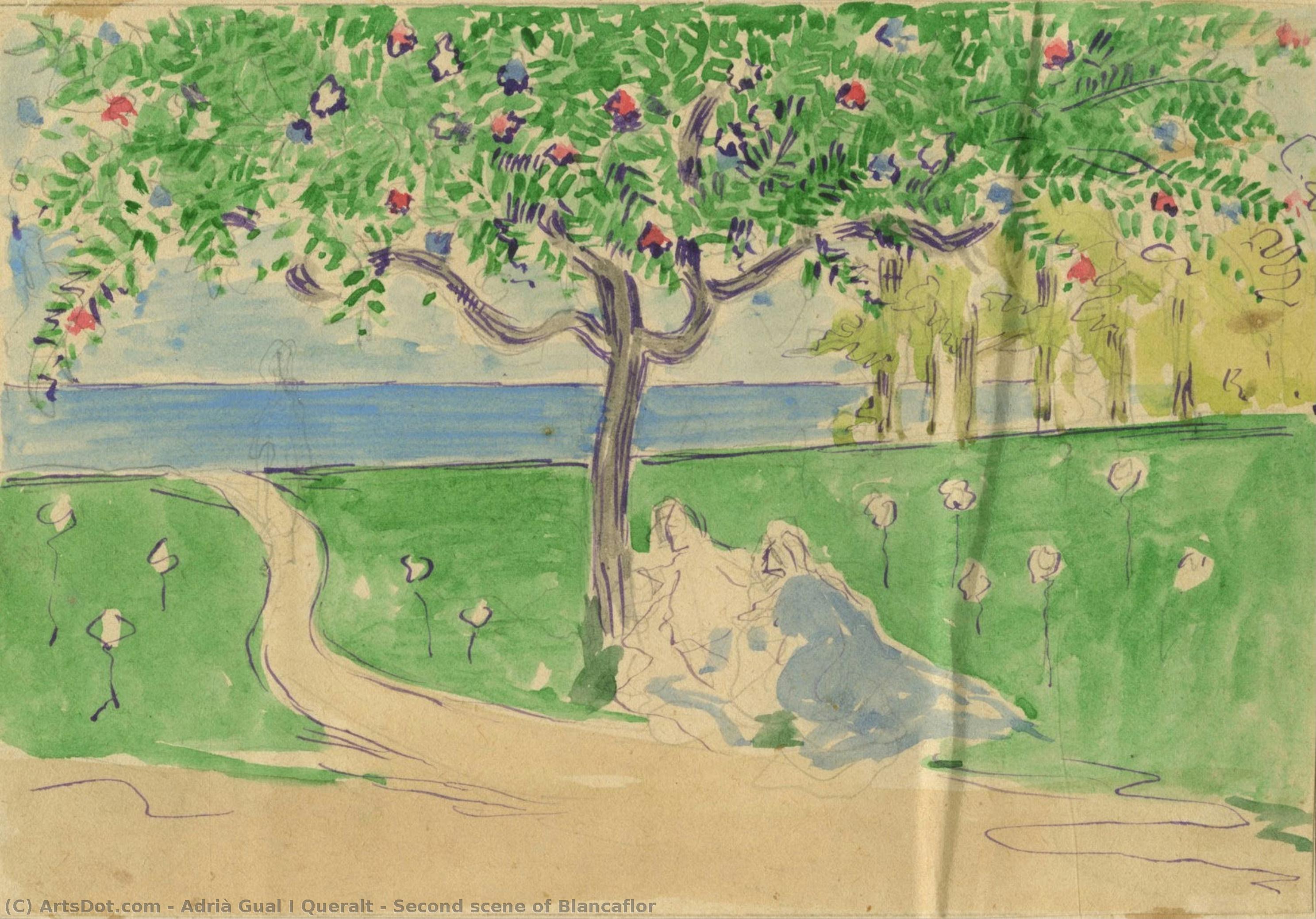
Second scene of Blancaflor
 12.0 x 15.0 cm
 Museo de la Música de Barcelona
 Ver más
Reproducción al óleo hecha a mano
Óleo sobre lienzo pintado a mano en el tamaño y marco de su elección, realizado por encargo por nuestros artistas. ( Cambiar a Impresión Cambiar a imagen digital)




































Elija entre nuestros tamaños predefinidos que respetan las proporciones originales de la obra.

Puede ingresar sus propias dimensiones para adaptarse a un marco o espacio específico. Si el tamaño seleccionado no coincide con las proporciones de la imagen original, recortaremos la obra o extenderemos la pintura con elementos adicionales pintados a mano. Se le enviará una maqueta digital para su aprobación antes de comenzar la producción.
Tenga en cuenta que la vista previa en pantalla no refleja el recorte o la extensión reales. Solo la maqueta mostrará con precisión la composición final.
Si bien existen tamaños personalizados, recomendamos seleccionar una dimensión de la lista predefinida para preservar las proporciones originales.
Tras realizar el pedido, el equipo de ArtsDot.com enviará un correo electrónico al cliente para solicitar instrucciones y proporcionarle una vista previa del boceto.
Envío a todo el mundo () en 3-4 semanas en lugar de las 5 semanas estándar. (8 septiembre). Sin comprometer la calidad.

Envío exprés gratuito a todo el mundo

Lienzo de lino de alta calidad

Seguro de envío total

Garantía de reembolso de impuestos aduaneros

Garantía de fidelidad cromática exacta

Política de devolución de 100 días (solo por defectos)

Garantía de devolución del 100% del dinero

Descuento por cantidad
 La opción de vidrio solo está disponible en tamaños inferiores a 110 cm.

Second scene of Blancaflor
Técnica de reproducción
Dimensiones de la reproducción
-


Precio total final
$ 263
Obras relacionadas


Biografía del artista
Adrià Gual i Queralt (1872–1943): A Pioneer of Catalan Modernism
Adrià Gual i Queralt, born in Barcelona in 1872, stands as a pivotal figure in the history of Catalan art and theatre. He was more than just an artist; he was a visionary who championed innovation and established institutions that continue to shape Catalan cultural identity today. His life’s work embodies the spirit of Modernism – a fervent embrace of symbolism, experimentation, and a desire to elevate artistic expression beyond mere imitation.Early Life and Artistic Formation
Adrià Gual's formative years were steeped in the intellectual ferment of Barcelona during its modernist awakening. He honed his skills as a graphic artist, specializing in posters that captured the dynamism and stylistic fervor of the era. His distinctive style—characterized by bold colors, simplified forms, and evocative imagery—immediately distinguished him from his contemporaries. Notably, he was recognized for his contribution to the Wagnerian Association’s twelve panels depicting scenes from Wagner's operas, a project that cemented his reputation as one of Catalonia’s foremost artistic voices. This early exposure to Wagnerian aesthetics profoundly influenced his subsequent artistic endeavors.The Escola Catalana d’Art Dramàtic and Theatre Innovation
Perhaps Gual’s most enduring legacy rests on the founding of the Escola Catalana d'Art Dramàtic (School of Dramatic Art) in 1913. Recognizing the need for a comprehensive training program that would propel Catalan theatre to new heights, he established this institution as a seed for what would later become the Institut del Teatre. This bold initiative aimed to revitalize Catalan drama by introducing influences from diverse European traditions—including Henrik Ibsen and Maurice Maeterlinck—while simultaneously nurturing local talent. Gual envisioned a theatrical repertoire that encompassed classics alongside contemporary works, reflecting the multifaceted cultural landscape of Catalonia.Notable Artistic Achievements: Painting and Symbolism
Adrià Gual’s artistic output extended beyond theatre design; he was also a prolific painter who embraced the principles of Modernist symbolism. His masterpiece, “La Rosada” (The Dew), housed in the Museu Nacional d'Art Contemporània de Catalunya (MNAC), exemplifies his stylistic approach—characterized by flattened perspectives, vibrant colors, and an emphasis on capturing fleeting moments of beauty. Furthermore, he created impressive theatrical productions like *Blancaflor*, which showcased his talent for blending visual artistry with dramatic storytelling. The Museo de la Música de Barcelona holds two paintings from Blancaflor, demonstrating Gual’s ability to convey emotion through color and form.Legacy and Influence
Adrià Gual i Queralt's impact on Catalan culture is undeniable. He championed the role of theatre as a vehicle for social commentary and artistic exploration, establishing an institution that continues to foster creativity and cultural engagement. His unwavering belief in the transformative power of art—inspired by figures like Wagner and Goethe—served as a guiding principle throughout his life’s work. As a graphic artist and painter, he left behind a rich visual heritage that reflects the spirit of Modernism and celebrates Catalan identity. His contributions to the Institut del Teatre solidify his place as one of Catalonia's most influential cultural innovators.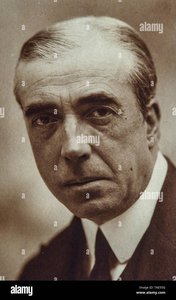
Adrià Gual i Queralt
1872 - 1943 , España
Datos clave
- Artistic Movement Or Style: Modernism
- Artists Who Influenced This Artist:
- Richard Wagner
- Henrik Ibsen
- Maurice Maeterlinck
- Date Of Birth: Barcelona, Spain (1872)
- Date Of Death: 1943
- Full Name: Adrià Gual i Queralt
- Nationality: Catalan
- Notable Artworks:
- La rosada
- Fashion plate of two maiden for Blancaflor
- Second scene of Blancaflor
- Place Of Birth: Barcelona