 Ver en contexto
 Enviar
 Compartir
 Detalles

 Descargar
 Similares
 Radiografía
 Presentación de diapositivas
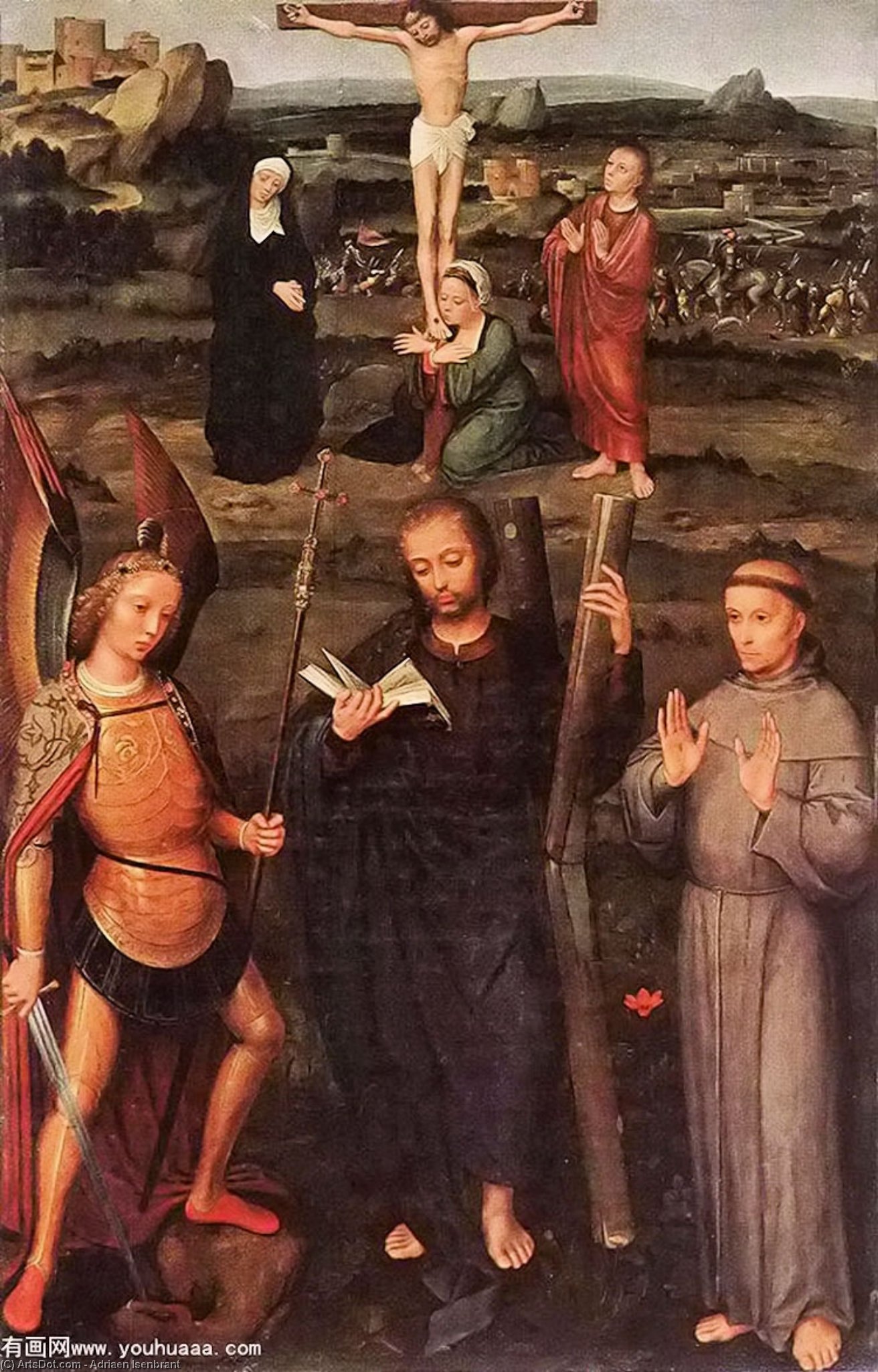
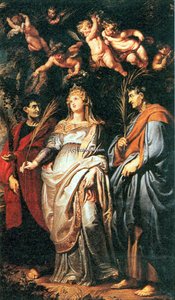
Archangel St Michael, St Andrew and St Francis of Assisi
 Oil
Oil- WallArt
- Northern Renaissance
 Renaissance
 127.0 x 81.0 cm
 Museo de las Artes de Budapest
 Ver más
Giclée / Impresión de arte
Impresiones giclée o en lienzo de calidad de museo con producción rápida y opciones de acabado flexibles. ( Comprar pintura hecha a mano Comprar imagen)




P118B $10

P118H $10

P118W $10

P438Z $10

P508JH $12

P508YH $12

P805H $10

P805Z $10

P919BZ $10

P919G $10

P919XJ $10

P959ZH $10

P968JZ $12

W106C $8

W218G $10

W218JH $8

W218Y $10

W307PJ $10

W316G $10

W316PJ $8

W316Y $10

W398PJ $8

W4111J $10

W500HY $15

W500JH $15

W692G $12

W849H $8

W940BG $15

W953PJ $8




Elija entre nuestros tamaños predefinidos que respetan las proporciones originales de la obra.

Puede introducir sus propias dimensiones para adaptarse a un marco o espacio específico. Si el tamaño seleccionado no coincide con las proporciones de la imagen original, recortaremos la obra de arte o extenderemos la imagen con un borde con efecto espejo o de color sólido. Se enviará una maqueta digital para su aprobación antes de que comience la producción.
Tenga en cuenta que la vista previa en pantalla no refleja el recorte o la extensión real. Solo la maqueta mostrará con precisión la composición final.
Aunque existen tamaños personalizados, recomendamos seleccionar una dimensión de la lista predefinida para preservar las proporciones originales.
Envío a todo el mundo () en 2 semanas en lugar de las 4/5 semanas estándar. (2 septiembre)

Envío exprés gratuito a todo el mundo

Lienzo de lino de alta calidad

Seguro de envío total

Garantía de reembolso de impuestos aduaneros

Garantía de fidelidad cromática exacta

Política de devolución de 60 días (solo por defectos)

Garantía de devolución del 100% del dinero

Descuento por cantidad
 La opción de vidrio solo está disponible en tamaños inferiores a 110 cm.

Archangel St Michael, St Andrew and St Francis of Assisi
Giclée / Impresión de arte
Dimensiones de la reproducción
-


Precio total final
$ 62
A Celestial Gathering: The Divine Vision of Adriaen Isenbrant
In the quiet, contemplative realm of Northern Renaissance devotion, few works capture the ethereal intersection of heaven and earth as profoundly as Archangel St Michael, St Andrew and St Francis of Assisi. This masterful composition serves as a window into a spiritual hierarchy, where the boundaries between the mortal and the divine become beautifully blurred. At the heart of this sacred assembly stands the Archangel St. Michael, a figure of celestial authority, hoisting a cross above his head as a beacon of triumph over darkness. Flanking him are the venerable figures of St. Francis of Assisi, clutching his book with humble devotion, and St. Andrew, creating a triad of sanctity that anchors the viewer's gaze amidst a swirling sea of divine witnesses.
The painting is not merely a portrait of saints but a complex tapestry of human and angelic existence. Beyond the central figures, the canvas breathes with life through a multitude of secondary characters—soldiers, knights, and ethereal beings—who populate the foreground and background. This layered arrangement creates a sense of immense depth, drawing the eye through a crowded, yet harmoniously balanced, landscape of faith. For the discerning collector or interior designer, this piece offers more than just decoration; it provides a focal point of profound narrative complexity, where every figure contributes to a larger story of protection, martyrdom, and spiritual grace.
Mastery of Light and the Shadowy Legacy of Isenbrant
The technique employed in this work reflects the meticulous tradition of the Bruges school, characterized by an almost microscopic attention to detail. The artist utilizes light not just to illuminate form, but to sculpt emotion. Notice how the radiance seems to emanate from the central holy figures, casting soft shadows that give the knights and onlookers a tangible, three-dimensional presence. This interplay of light and shadow—a precursor to the dramatic chiaroscuro seen in later eras—imbues the scene with a sense of quiet drama and eternal stillness.
The historical context of Adriaen Isenbrant adds an extra layer of intrigue for the art enthusiast. Often whispered about in academic circles as a "shadowy master," Isenbrant’s identity is entwined with the great traditions of Haarlem and Bruges. His ability to weave together such intricate, multi-figure compositions suggests a workshop leader of immense skill, capable of managing both the grand theological themes and the delicate textures of fabric, metal, and skin. To possess a reproduction of this work is to hold a piece of this enigmatic history, bringing the sophisticated aesthetic of the 16th-century Netherlands into a contemporary living space.
An Atmosphere of Timeless Elegance for the Modern Interior
Integrating a piece of such monumental spiritual and historical weight into a modern interior requires an eye for balance. This artwork is particularly suited for spaces that aim to evoke contemplation, such as a private library, a formal study, or a grand entryway. The rich, muted palette and the complex, multi-layered composition act as a sophisticated anchor for classical or transitional decor. It pairs exquisitely with heavy wood textures, velvet upholstery, and antique gold accents, yet its profound subject matter provides a striking, intellectual contrast to minimalist, modern settings.
Ultimately, Archangel St Michael, St Andrew and St Francis of Assisi is an invitation to pause. It is a work that rewards repeated viewing, revealing new details—a glint on a knight's armor, the gentle fold of a saint's robe, or a distant, watchful angel—each time the eye wanders across its surface. For those seeking to curate a collection that speaks of heritage, depth, and an enduring appreciation for the sublime, this painting stands as a testament to the everlasting power of sacred art.
Obras relacionadas
Biografía del artista
Adriaen Isenbrant - A Shadowy Master of Bruges: Unraveling the Enigma of Adriaen Ysenbrandt
Adriaen Isenbrant, or Adriaen Ysenbrandt as he is sometimes known, remains one of the most elusive figures in Northern Renaissance painting. Born around 1490, likely in either Haarlem or Antwerp—precise birth records are scarce—his life unfolded amidst the burgeoning artistic climate of Bruges, yet a definitive body of work attributable solely to his hand continues to tantalize and frustrate art historians. Documentary evidence suggests he was a successful and respected artist, deeply embedded within the guild system and enjoying patronage from wealthy merchants and traders, but concrete links between this thriving workshop leader and surviving artworks remain stubbornly scarce. This has led to decades of scholarly debate, with Isenbrant variously proposed as the author of works previously attributed to Gerard David and Jan Mostaert – earning him the moniker “Pseudo-Mostaert” – or even dismissed as a convenient label for a collective of anonymous artists.Life and Guild Affiliations in a Flourishing City
Isenbrant’s documented life begins in 1510, when he established himself as a burgher of Bruges—a pivotal moment signifying his integration into the city’s vibrant economic and cultural landscape. He swiftly ascended within the guild system, becoming a master in both the painters’ guild of St. Luke and the goldsmiths’ guild of St. Elooi that same year. This dual membership speaks to the interconnectedness of crafts during the period and suggests Isenbrant possessed a versatile skillset—a characteristic reflected not only in his artistic output but also in his involvement with civic administration. He repeatedly held positions of responsibility within the guilds – serving nine times as a “deacon” (vinder) and twice as governor (treasurer) – demonstrating his standing among his peers and highlighting the importance of social connections within Bruges’ elite circles. The city itself was a magnet for wealth and refinement; its thriving merchant class eager to commission diptychs, portraits, and devotional pieces that reflected their status and piety—a demand Isenbrant expertly catered to through his prolific workshop. Legal records from 1534 reveal the scale of his operation – a suit brought against Jan van Eyck (not the celebrated Jan van Eyck) for failing to deliver paintings Isenbrant had ordered for completion—underscoring his influence within Bruges’ artistic milieu and demonstrating his mastery of legal affairs alongside his artistic prowess. He even acted as an agent in Bruges for Adriaan Provoost, furthering solidifying his position within the artistic network.Artistic Influences and a Conservative Style
The influence of Gerard David is perhaps the most consistently cited element in discussions surrounding Isenbrant’s style. David’s compositional strategies—particularly the use of panoramic landscapes—and meticulous attention to detail are frequently echoed in works tentatively attributed to Isenbrant, suggesting a period of direct or indirect mentorship. However, unlike David’s increasingly refined and expressive approach—characterized by vibrant colors and dynamic brushstrokes—Isenbrant’s work – as it is presently understood – tends towards a more conservative aesthetic rooted in the traditions of Early Netherlandish painting. This manifests in painstaking precision, a subdued palette dominated by earthy tones, and a deliberate avoidance of dramatic gestures or emotional intensity. The paintings attributed to him often depict religious subjects—the *Seven Sorrows of the Virgin* being particularly prominent—and devotional scenes intended for private contemplation—reflecting the prevailing spiritual sensibilities of the era. While possessing technical skill surpassing many of his contemporaries, these works lack the groundbreaking experimentation seen in artists like Rogier van der Weyden and Hans Memling—a distinction that fuels ongoing debate among scholars. Some researchers propose that Isenbrant may have travelled to Genoa in 1511 alongside Joachim Patinir and Gerard David, potentially exposing him to Italian artistic currents—though definitive evidence supporting this hypothesis remains elusive.Key Characteristics of Works Attributed to Isenbrant
- Conservative Style: A continuation of Early Netherlandish traditions with meticulous detail and restrained emotion.
- Religious Subject Matter: Predominantly devotional scenes, particularly depictions of the Virgin Mary and the Passion of Christ.
- Influence of Gerard David: Evident in compositional arrangements and landscape backgrounds.
- Precise Rendering: A focus on accurate representation rather than dramatic innovation.
- Private Patronage: Primarily commissioned by wealthy merchants and individuals for personal devotion.
Adriaen Isenbrant
1580 - 1551 , Países Bajos
Datos clave
- Artistic Movement Or Style: Northern Renaissance
- Artists Who Influenced This Artist: ['Gerard David']
- Date Of Birth: c. 1490
- Date Of Death: 1551
- Full Name: Adriaen Isenbrant
- Nationality: Dutch
- Notable Artworks:
- The Virgin and Child Enthroned
- Saint Mary Magdalene Reading
- Place Of Birth: Haarlem, Netherlands
Artículos relacionados
Francis Bacon: Las 25 Obras Maestras del Expresionismo y su Impacto en el Arte Moderno
Explora las 25 obras maestras de Francis Bacon, el expresionismo visceral y la angustia humana. Descubre retratos icónicos, trípticos impactantes y su legado en el arte moderno. Reproducciones de museo en ArtsDot.com.

El Greco: Las 25 Obras Maestras que Definen un Genio del Arte y la Fe
Descubre las 25 obras maestras de El Greco, el genio del Renacimiento español. Explora su arte religioso, manierismo y la historia detrás de cuadros icónicos como 'El Entierro del Conde de Orgaz'. Encuentra reproducciones de alta calidad en ArtsDot.com.
Benny Andrews: A Life Painted in Layers – Narrative, Identity & the American Experience
Explore the powerful life & art of Benny Andrews – a pivotal figure in African American expressionism. Discover his unique collage style, activism, and poignant depictions of identity & social justice. A must-read for collectors.
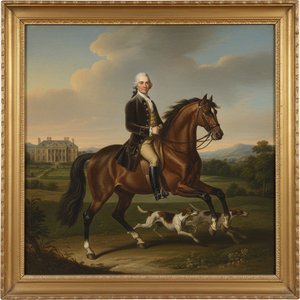
John Francis Sartorius II: Equestrian Elegance & the Rise of British Portraiture
Explore the captivating world of Francis Sartorius II (1734-1804), a leading British painter renowned for his exquisite equestrian portraits and hunting scenes. Discover his life, techniques & enduring legacy.
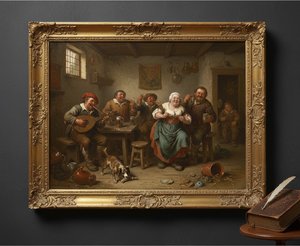
Adriaen van Ostade: A Master of Dutch Genre Painting & Social Commentary
Explore the life & work of Adriaen van Ostade, a leading Dutch Golden Age painter. Discover his realistic genre scenes, social commentary, and lasting influence on art history. Learn more at ArtsDot.