 Ver en contexto
 Enviar
 Compartir
 Detalles

 Descargar
 Similares
 Radiografía
 Presentación de diapositivas
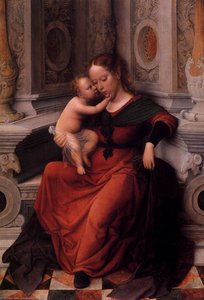
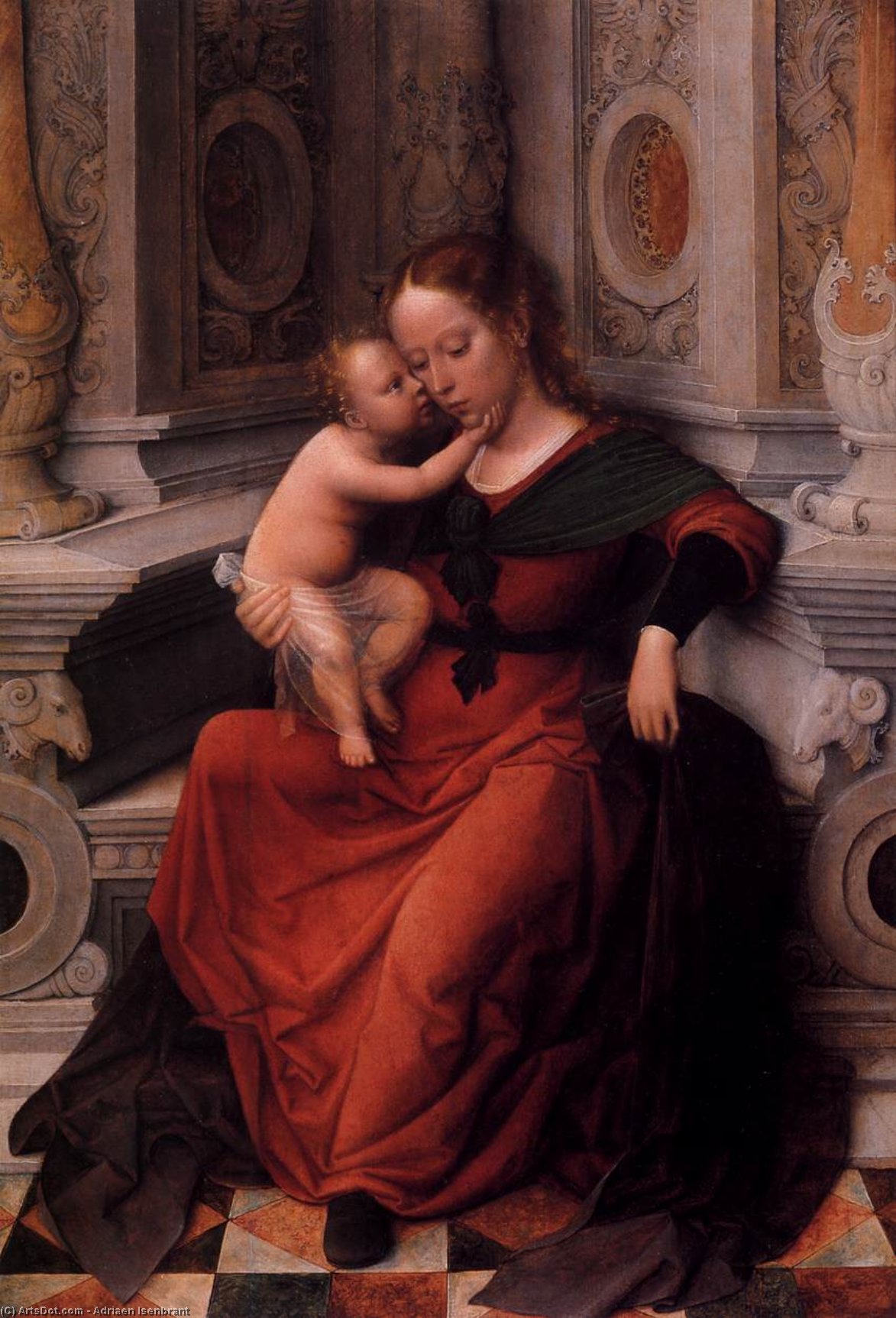
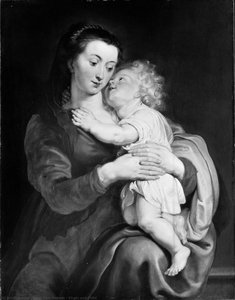
La Virgen y el Niño
 Óleo
Óleo- Arte de pared
- Renacimiento temprano
 1520
1520 61.0 x 42.0 cm
 Rijksmuseum
 Ver más
Giclée / Impresión de arte
Impresiones giclée o en lienzo de calidad de museo con producción rápida y opciones de acabado flexibles. ( Comprar pintura hecha a mano Comprar imagen)




P118B $10

P118H $10

P118W $10

P438Z $10

P508JH $12

P508YH $12

P805H $10

P805Z $10

P919BZ $10

P919G $10

P919XJ $10

P959ZH $10

P968JZ $12

W106C $8

W218G $10

W218JH $8

W218Y $10

W307PJ $10

W316G $10

W316PJ $8

W316Y $10

W398PJ $8

W4111J $10

W500HY $15

W500JH $15

W692G $12

W849H $8

W940BG $15

W953PJ $8




Elija entre nuestros tamaños predefinidos que respetan las proporciones originales de la obra.

Puede introducir sus propias dimensiones para adaptarse a un marco o espacio específico. Si el tamaño seleccionado no coincide con las proporciones de la imagen original, recortaremos la obra de arte o extenderemos la imagen con un borde con efecto espejo o de color sólido. Se enviará una maqueta digital para su aprobación antes de que comience la producción.
Tenga en cuenta que la vista previa en pantalla no refleja el recorte o la extensión real. Solo la maqueta mostrará con precisión la composición final.
Aunque existen tamaños personalizados, recomendamos seleccionar una dimensión de la lista predefinida para preservar las proporciones originales.
Envío a todo el mundo () en 2 semanas en lugar de las 4/5 semanas estándar. (24 agosto)

Envío exprés gratuito a todo el mundo

Lienzo de lino de alta calidad

Seguro de envío total

Garantía de reembolso de impuestos aduaneros

Garantía de fidelidad cromática exacta

Política de devolución de 60 días (solo por defectos)

Garantía de devolución del 100% del dinero

Descuento por cantidad
 La opción de vidrio solo está disponible en tamaños inferiores a 110 cm.

La Virgen y el Niño
Giclée / Impresión de arte
Dimensiones de la reproducción
-


Precio total final
$ 62
Descripción de la pieza
Un vistazo al corazón del arte flamenco temprano
La obra “Virgen y Niño” de Adriaen Isenbrant, pintada en 1520, no es simplemente una representación de María acunando a su hijo recién nacido; es una profunda meditación sobre la fe, la maternidad y la gracia divina, plasmada con el detalle meticuloso característico de la pintura flamenca temprana. Esta obra, situada dentro de un sereno entorno arquitectónico —con columnas, arcos e intrincadas molduras que elevan la escena a un reino de contemplación sagrada— ofrece una ventana cautivadora al clima artístico de Brujas durante principios del siglo XVI. Isenbrant, una figura envuelta en el debate académico debido a la escasez de obras con atribución definitiva, emplea magistralmente una técnica basada en la superposición de finas capas de veladuras al óleo, construyendo el color y la luminosidad con una sutileza extraordinaria. La superficie resultante posee una cualidad suave y pulida, que refleja la dedicación del artista por alcanzar tanto el realismo como una belleza etérea.
(Imagen: Virgen y Niño por Adriaen Isenbrant - Cortesía de Artvee)
El lenguaje de la forma y la luz
La composición de Isenbrant se ancla en las figuras centrales —María y Cristo— cuyas formas, representadas con una cuidadosa precisión anatómica pero imbuidas de un sentido palpable de ternura, dominan el encuadre. El artista manipula la luz con destreza para atraer nuestra atención hacia estos puntos focales. Una única y dramática fuente de luz, que probablemente proviene de la parte superior y ligeramente hacia la izquierda, proyecta sombras profundas que acentúan la importancia de las figuras, creando al mismo tiempo una atmósfera de silenciosa reverencia. Cabe destacar la precisión lineal que define la arquitectura y los pliegues de los ropajes, un sello distintivo de la pintura renacentista. Las formas son mayoritariamente orgánicas en la representación de las figuras humanas, aunque están meticulosamente ejecutadas, demostrando el dominio de Isenbreant sobre la perspectiva y la forma. La perspectiva algo achatada, típica de la época, dirige sutilmente nuestra mirada hacia la narrativa central sin recurrir a un escorzo extremo; en su lugar, la profundidad se logra mediante la estratificación y el sombreado dentro de los elementos arquitectónicos y las ricas texturas de la vestimenta.
Simbolismo tejido en la trama
Más allá de su belleza estética, “Virgen y Niño” está cargada de significado simbólico. El entorno mismo —la arquitectura monumental— eleva a María y a Cristo a una posición de significación divina. La presencia del cordero, un motivo recurrente en las representaciones del Niño Jesús, simboliza el sacrificio y la inocencia. La expresión serena de María y su gesto gentil transmiten su papel como encarnación del amor maternal y la piedad. Toda la escena evoca los principios fundamentales de la fe cristiana: el nacimiento virginal, la promesa de la salvación y el poder perdurable de la maternidad. Teniendo en cuenta la actividad del taller de Isenbrant, se cree que recibió encargos de ricos mercaderes y comerciantes de Brujas, lo que refleja la floreciente prosperidad económica de la ciudad en aquel tiempo.
Un maestro en la sombra: desentrañando el enigma
Adriaen Isenbrant sigue siendo una de las figuras más enigmáticas de la pintura del Renacimiento nórdico. A pesar de las extensas investigaciones académicas, la prueba definitiva de su autoría en muchas de las obras supervivientes continúa eludiendo a los historiadores del arte. A menudo vinculado a la etiqueta “Pseudo-Mostaert” —una designación aplicada a artistas cuyo trabajo es difícil de atribuir con certeza—, el legado de Isenbrant está entrelazado con la especulación y el debate. Es probable que su taller produjera un volumen significativo de pinturas religiosas, actuando como agente para otros artistas prominentes como Adriaan Provoost. El detalle meticuloso y la técnica refinada que se evidencian en “Virgen y Niño” ofrecen una visión fascinante de la habilidad artística de este maestro esquivo, invitándonos a contemplar su lugar dentro del rico tapiz del arte flamenco temprano. Las reproducciones de ArtsDot capturan la esencia de esta obra maestra, permitiéndole traer su serena belleza a su propio espacio.
Obras relacionadas
Biografía del artista
Adriaen Isenbrant - A Shadowy Master of Bruges: Unraveling the Enigma of Adriaen Ysenbrandt
Adriaen Isenbrant, or Adriaen Ysenbrandt as he is sometimes known, remains one of the most elusive figures in Northern Renaissance painting. Born around 1490, likely in either Haarlem or Antwerp—precise birth records are scarce—his life unfolded amidst the burgeoning artistic climate of Bruges, yet a definitive body of work attributable solely to his hand continues to tantalize and frustrate art historians. Documentary evidence suggests he was a successful and respected artist, deeply embedded within the guild system and enjoying patronage from wealthy merchants and traders, but concrete links between this thriving workshop leader and surviving artworks remain stubbornly scarce. This has led to decades of scholarly debate, with Isenbrant variously proposed as the author of works previously attributed to Gerard David and Jan Mostaert – earning him the moniker “Pseudo-Mostaert” – or even dismissed as a convenient label for a collective of anonymous artists.Life and Guild Affiliations in a Flourishing City
Isenbrant’s documented life begins in 1510, when he established himself as a burgher of Bruges—a pivotal moment signifying his integration into the city’s vibrant economic and cultural landscape. He swiftly ascended within the guild system, becoming a master in both the painters’ guild of St. Luke and the goldsmiths’ guild of St. Elooi that same year. This dual membership speaks to the interconnectedness of crafts during the period and suggests Isenbrant possessed a versatile skillset—a characteristic reflected not only in his artistic output but also in his involvement with civic administration. He repeatedly held positions of responsibility within the guilds – serving nine times as a “deacon” (vinder) and twice as governor (treasurer) – demonstrating his standing among his peers and highlighting the importance of social connections within Bruges’ elite circles. The city itself was a magnet for wealth and refinement; its thriving merchant class eager to commission diptychs, portraits, and devotional pieces that reflected their status and piety—a demand Isenbrant expertly catered to through his prolific workshop. Legal records from 1534 reveal the scale of his operation – a suit brought against Jan van Eyck (not the celebrated Jan van Eyck) for failing to deliver paintings Isenbrant had ordered for completion—underscoring his influence within Bruges’ artistic milieu and demonstrating his mastery of legal affairs alongside his artistic prowess. He even acted as an agent in Bruges for Adriaan Provoost, furthering solidifying his position within the artistic network.Artistic Influences and a Conservative Style
The influence of Gerard David is perhaps the most consistently cited element in discussions surrounding Isenbrant’s style. David’s compositional strategies—particularly the use of panoramic landscapes—and meticulous attention to detail are frequently echoed in works tentatively attributed to Isenbrant, suggesting a period of direct or indirect mentorship. However, unlike David’s increasingly refined and expressive approach—characterized by vibrant colors and dynamic brushstrokes—Isenbrant’s work – as it is presently understood – tends towards a more conservative aesthetic rooted in the traditions of Early Netherlandish painting. This manifests in painstaking precision, a subdued palette dominated by earthy tones, and a deliberate avoidance of dramatic gestures or emotional intensity. The paintings attributed to him often depict religious subjects—the *Seven Sorrows of the Virgin* being particularly prominent—and devotional scenes intended for private contemplation—reflecting the prevailing spiritual sensibilities of the era. While possessing technical skill surpassing many of his contemporaries, these works lack the groundbreaking experimentation seen in artists like Rogier van der Weyden and Hans Memling—a distinction that fuels ongoing debate among scholars. Some researchers propose that Isenbrant may have travelled to Genoa in 1511 alongside Joachim Patinir and Gerard David, potentially exposing him to Italian artistic currents—though definitive evidence supporting this hypothesis remains elusive.Key Characteristics of Works Attributed to Isenbrant
- Conservative Style: A continuation of Early Netherlandish traditions with meticulous detail and restrained emotion.
- Religious Subject Matter: Predominantly devotional scenes, particularly depictions of the Virgin Mary and the Passion of Christ.
- Influence of Gerard David: Evident in compositional arrangements and landscape backgrounds.
- Precise Rendering: A focus on accurate representation rather than dramatic innovation.
- Private Patronage: Primarily commissioned by wealthy merchants and individuals for personal devotion.
Adriaen Isenbrant
1580 - 1551 , Países Bajos
Datos clave
- Artistic Movement Or Style: Northern Renaissance
- Artists Who Influenced This Artist: ['Gerard David']
- Date Of Birth: c. 1490
- Date Of Death: 1551
- Full Name: Adriaen Isenbrant
- Nationality: Dutch
- Notable Artworks:
- The Virgin and Child Enthroned
- Saint Mary Magdalene Reading
- Place Of Birth: Haarlem, Netherlands
Artículos relacionados

The Enduring Legacy of Oil on Canvas: Technique, History & Aesthetic Impact
Explore the rich history & techniques of oil painting – from Renaissance masters to Impressionism. Discover pigments, layering methods, and why this timeless medium endures. Expert insights for artists & art enthusiasts.

El Óleo sobre Lienzo: Historia, Técnica y la Persistencia de un Medio Artístico Atemporal
Descubre la historia y técnica del óleo sobre lienzo. Explora reproducciones fieles hechas a mano, personalización artística y consejos de expertos con ArtsDot. ¡Colecciona arte con confianza!

The Enduring Power of Painting: A Historical & Contemporary Exploration of Form and Emotion
Explore the rich history & enduring techniques of oil painting with ArtsDot. Discover masterpieces, learn about art collecting, and find authentic handmade reproductions crafted by skilled artists.

El Legado Duradero del Óleo sobre Lienzo: Técnica, Historia y Práctica Contemporánea
Descubre la historia y técnica del óleo sobre lienzo. Explora reproducciones fieles hechas a mano, personalización artística y consejos de expertos con .
The Enduring Legacy of Oil Paint: Technique, History & Emotional Resonance in Western Art
Explore the rich history & techniques of oil painting! Discover Renaissance masters, scientific principles behind color, and emotional resonance in art. Learn about glazing, layering, and atmospheric perspective – a guide for enthusiasts & collectors.