

 Ver en contexto
 Enviar
 Compartir
 Detalles

 Descargar
 Similares
 Radiografía
 Presentación de diapositivas
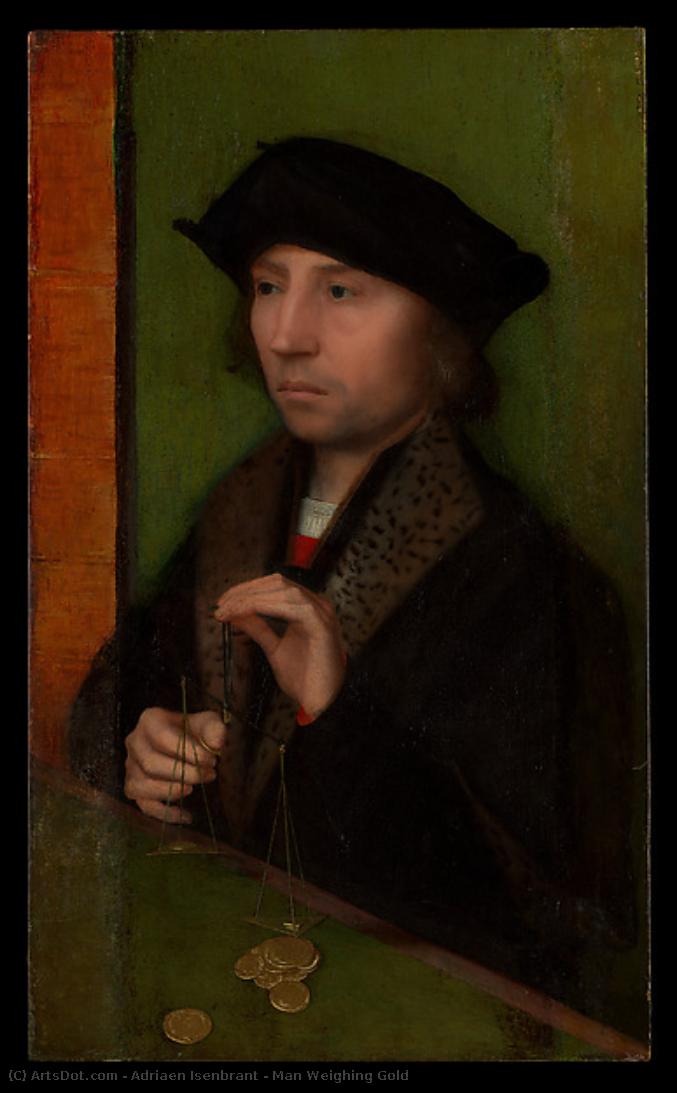
Man Weighing Gold
 Early Netherlandish Renaissance
 1515
1515 51.0 x 31.0 cm
 The Met Cloisters
 Ver más
Reproducción al óleo hecha a mano
Óleo sobre lienzo pintado a mano en el tamaño y marco de su elección, realizado por encargo por nuestros artistas. ( Comprar impresión Comprar imagen)




P118B $10

P118H $10

P118W $10

P438Z $10

P508JH $12

P508YH $12

P805H $10

P805Z $10

P919BZ $10

P919G $10

P919XJ $10

P959ZH $10

P968JZ $12

W106C $8

W218G $10

W218JH $8

W218Y $10

W307PJ $10

W316G $10

W316PJ $8

W316Y $10

W398PJ $8

W4111J $10

W500HY $15

W500JH $15

W692G $12

W849H $8

W940BG $15

W953PJ $8




Elija entre nuestros tamaños predefinidos que respetan las proporciones originales de la obra.

Puede ingresar sus propias dimensiones para adaptarse a un marco o espacio específico. Si el tamaño seleccionado no coincide con las proporciones de la imagen original, recortaremos la obra o extenderemos la pintura con elementos adicionales pintados a mano. Se le enviará una maqueta digital para su aprobación antes de comenzar la producción.
Tenga en cuenta que la vista previa en pantalla no refleja el recorte o la extensión reales. Solo la maqueta mostrará con precisión la composición final.
Si bien existen tamaños personalizados, recomendamos seleccionar una dimensión de la lista predefinida para preservar las proporciones originales.
Tras realizar el pedido, el equipo de ArtsDot.com enviará un correo electrónico al cliente para solicitar instrucciones y proporcionarle una vista previa del boceto.
Envío a todo el mundo () en 3-4 semanas en lugar de las 5 semanas estándar. (26 agosto). Sin comprometer la calidad.

Envío exprés gratuito a todo el mundo

Lienzo de lino de alta calidad

Seguro de envío total

Garantía de reembolso de impuestos aduaneros

Garantía de fidelidad cromática exacta

Política de devolución de 60 días (solo por defectos)

Garantía de devolución del 100% del dinero

Descuento por cantidad
 La opción de vidrio solo está disponible en tamaños inferiores a 110 cm.

Man Weighing Gold
Técnica de reproducción
Dimensiones de la reproducción
-


Precio total final
$ 263
Descripción de la obra
A Glimpse into a Merchant's World: The Enigmatic Adriaen Isenbrant
Adriaen Isenbrant, a figure shrouded in the mists of Northern Renaissance art history, presents us with ‘Man Weighing Gold’ (circa 1515-20), a remarkably intimate portrait that transcends mere representation. While definitive proof of his sole authorship remains elusive – earning him the moniker “Pseudo-Mostaert” – this painting offers a compelling window into the bustling commercial heart of Bruges, a pivotal trading hub during the early sixteenth century. The subject, a man dressed in the rich attire of a prosperous merchant, isn’t simply depicted; he's imbued with an aura of quiet contemplation as he carefully balances gold coins on a scale. The scene unfolds within a dimly lit interior, suggesting a private setting—perhaps his counting house or study—a deliberate choice that fosters a sense of intimacy and invites the viewer to share in his considered thoughts.
Image from Artvee
The Symbolism of Balance and Wealth
At the heart of the composition lies the balance scale, a potent symbol laden with meaning. It speaks not just to monetary value—the gleaming gold coins are undeniably indicative of wealth—but also to justice, prudence, and the careful weighing of decisions. The man’s furrowed brow and focused gaze suggest an internal deliberation, hinting at the responsibilities that accompany such prosperity. The inclusion of a partially visible landscape through the window frame adds another layer of interpretation. It's not merely a backdrop; it represents the wider world from which this merchant draws his fortune – a connection to the land and its resources. The muted greens and browns evoke a sense of stability and tradition, anchoring the scene in the established order of Bruges.
A Master’s Workshop: Style and Technique
‘Man Weighing Gold’ exemplifies the evolving artistic style of Isenbrant's workshop during this period. While firmly rooted in the traditions of Early Netherlandish painting—particularly the meticulous detail and realistic depiction championed by Gerard David – there’s a subtle shift towards a more nuanced approach to light and shadow, hinting at the burgeoning Renaissance influence. The artist skillfully employs oil paint on wood, creating a rich texture that captures the sheen of the gold coins and the luxuriousness of the fur-trimmed coat. Notice the careful rendering of folds in fabric, the subtle modeling of the face, and the precise detail of the scale—all hallmarks of Isenbrant’s technical prowess. The painting's overall mood is one of subdued elegance, reflecting the refined tastes of Bruges’ wealthy elite.
A Portrait of a Time: Bruges at its Zenith
To understand ‘Man Weighing Gold,’ it’s crucial to appreciate the context in which it was created. Bruges in the early 16th century was a thriving center of trade, connecting Europe with the East and facilitating the exchange of goods from across the continent. The city's merchants controlled vast wealth and wielded considerable influence. The painting captures this atmosphere of prosperity and ambition, offering a glimpse into the lives of those who shaped Bruges’ economic destiny. It’s a testament to the enduring allure of gold—not just as a material commodity, but as a symbol of status, power, and the pursuit of worldly success.
Obras relacionadas
Biografía del artista
Adriaen Isenbrant - A Shadowy Master of Bruges: Unraveling the Enigma of Adriaen Ysenbrandt
Adriaen Isenbrant, or Adriaen Ysenbrandt as he is sometimes known, remains one of the most elusive figures in Northern Renaissance painting. Born around 1490, likely in either Haarlem or Antwerp—precise birth records are scarce—his life unfolded amidst the burgeoning artistic climate of Bruges, yet a definitive body of work attributable solely to his hand continues to tantalize and frustrate art historians. Documentary evidence suggests he was a successful and respected artist, deeply embedded within the guild system and enjoying patronage from wealthy merchants and traders, but concrete links between this thriving workshop leader and surviving artworks remain stubbornly scarce. This has led to decades of scholarly debate, with Isenbrant variously proposed as the author of works previously attributed to Gerard David and Jan Mostaert – earning him the moniker “Pseudo-Mostaert” – or even dismissed as a convenient label for a collective of anonymous artists.Life and Guild Affiliations in a Flourishing City
Isenbrant’s documented life begins in 1510, when he established himself as a burgher of Bruges—a pivotal moment signifying his integration into the city’s vibrant economic and cultural landscape. He swiftly ascended within the guild system, becoming a master in both the painters’ guild of St. Luke and the goldsmiths’ guild of St. Elooi that same year. This dual membership speaks to the interconnectedness of crafts during the period and suggests Isenbrant possessed a versatile skillset—a characteristic reflected not only in his artistic output but also in his involvement with civic administration. He repeatedly held positions of responsibility within the guilds – serving nine times as a “deacon” (vinder) and twice as governor (treasurer) – demonstrating his standing among his peers and highlighting the importance of social connections within Bruges’ elite circles. The city itself was a magnet for wealth and refinement; its thriving merchant class eager to commission diptychs, portraits, and devotional pieces that reflected their status and piety—a demand Isenbrant expertly catered to through his prolific workshop. Legal records from 1534 reveal the scale of his operation – a suit brought against Jan van Eyck (not the celebrated Jan van Eyck) for failing to deliver paintings Isenbrant had ordered for completion—underscoring his influence within Bruges’ artistic milieu and demonstrating his mastery of legal affairs alongside his artistic prowess. He even acted as an agent in Bruges for Adriaan Provoost, furthering solidifying his position within the artistic network.Artistic Influences and a Conservative Style
The influence of Gerard David is perhaps the most consistently cited element in discussions surrounding Isenbrant’s style. David’s compositional strategies—particularly the use of panoramic landscapes—and meticulous attention to detail are frequently echoed in works tentatively attributed to Isenbrant, suggesting a period of direct or indirect mentorship. However, unlike David’s increasingly refined and expressive approach—characterized by vibrant colors and dynamic brushstrokes—Isenbrant’s work – as it is presently understood – tends towards a more conservative aesthetic rooted in the traditions of Early Netherlandish painting. This manifests in painstaking precision, a subdued palette dominated by earthy tones, and a deliberate avoidance of dramatic gestures or emotional intensity. The paintings attributed to him often depict religious subjects—the *Seven Sorrows of the Virgin* being particularly prominent—and devotional scenes intended for private contemplation—reflecting the prevailing spiritual sensibilities of the era. While possessing technical skill surpassing many of his contemporaries, these works lack the groundbreaking experimentation seen in artists like Rogier van der Weyden and Hans Memling—a distinction that fuels ongoing debate among scholars. Some researchers propose that Isenbrant may have travelled to Genoa in 1511 alongside Joachim Patinir and Gerard David, potentially exposing him to Italian artistic currents—though definitive evidence supporting this hypothesis remains elusive.Key Characteristics of Works Attributed to Isenbrant
- Conservative Style: A continuation of Early Netherlandish traditions with meticulous detail and restrained emotion.
- Religious Subject Matter: Predominantly devotional scenes, particularly depictions of the Virgin Mary and the Passion of Christ.
- Influence of Gerard David: Evident in compositional arrangements and landscape backgrounds.
- Precise Rendering: A focus on accurate representation rather than dramatic innovation.
- Private Patronage: Primarily commissioned by wealthy merchants and individuals for personal devotion.
Adriaen Isenbrant
1580 - 1551 , Países Bajos
Datos clave
- Artistic Movement Or Style: Northern Renaissance
- Artists Who Influenced This Artist: ['Gerard David']
- Date Of Birth: c. 1490
- Date Of Death: 1551
- Full Name: Adriaen Isenbrant
- Nationality: Dutch
- Notable Artworks:
- The Virgin and Child Enthroned
- Saint Mary Magdalene Reading
- Place Of Birth: Haarlem, Netherlands
Artículos relacionados
Golden Glow: How to Use Metallic Gold Artworks to Elevate Your Home Decor with Timeless Luxury
Discover how to elevate your home with the timeless elegance of metallic gold artworks. From sculptural metal pieces to gilded oil paintings, learn expert interior design tips for integrating luxurious gold accents into your space with sophistication and grace.

The Enduring Legacy of Oil on Canvas: Technique, History & Aesthetic Impact
Explore the rich history & techniques of oil painting – from Renaissance masters to Impressionism. Discover pigments, layering methods, and why this timeless medium endures. Expert insights for artists & art enthusiasts.
The Allure of Gold in Art History: Symbolism, Technique & Cultural Significance
Explore the rich history of gold in art! Discover symbolism, techniques & cultural significance from ancient civilizations to Klimt's masterpieces. Expert insights for collectors at ArtsDot.

El Óleo sobre Lienzo: Historia, Técnica y la Persistencia de un Medio Artístico Atemporal
Descubre la historia y técnica del óleo sobre lienzo. Explora reproducciones fieles hechas a mano, personalización artística y consejos de expertos con ArtsDot. ¡Colecciona arte con confianza!
Timeless Elegance: How to Integrate High Medieval Art into Your Modern Interior Design
Discover how to infuse your modern home with the divine light of High Medieval art. From gilded illuminated manuscripts to Gothic-inspired textures, learn expert tips for integrating timeless elegance and historical grandeur into contemporary interior design.

