

 Ver en contexto
 Enviar
 Compartir
 Detalles

 Descargar
 Similares
 Radiografía
 Presentación de diapositivas
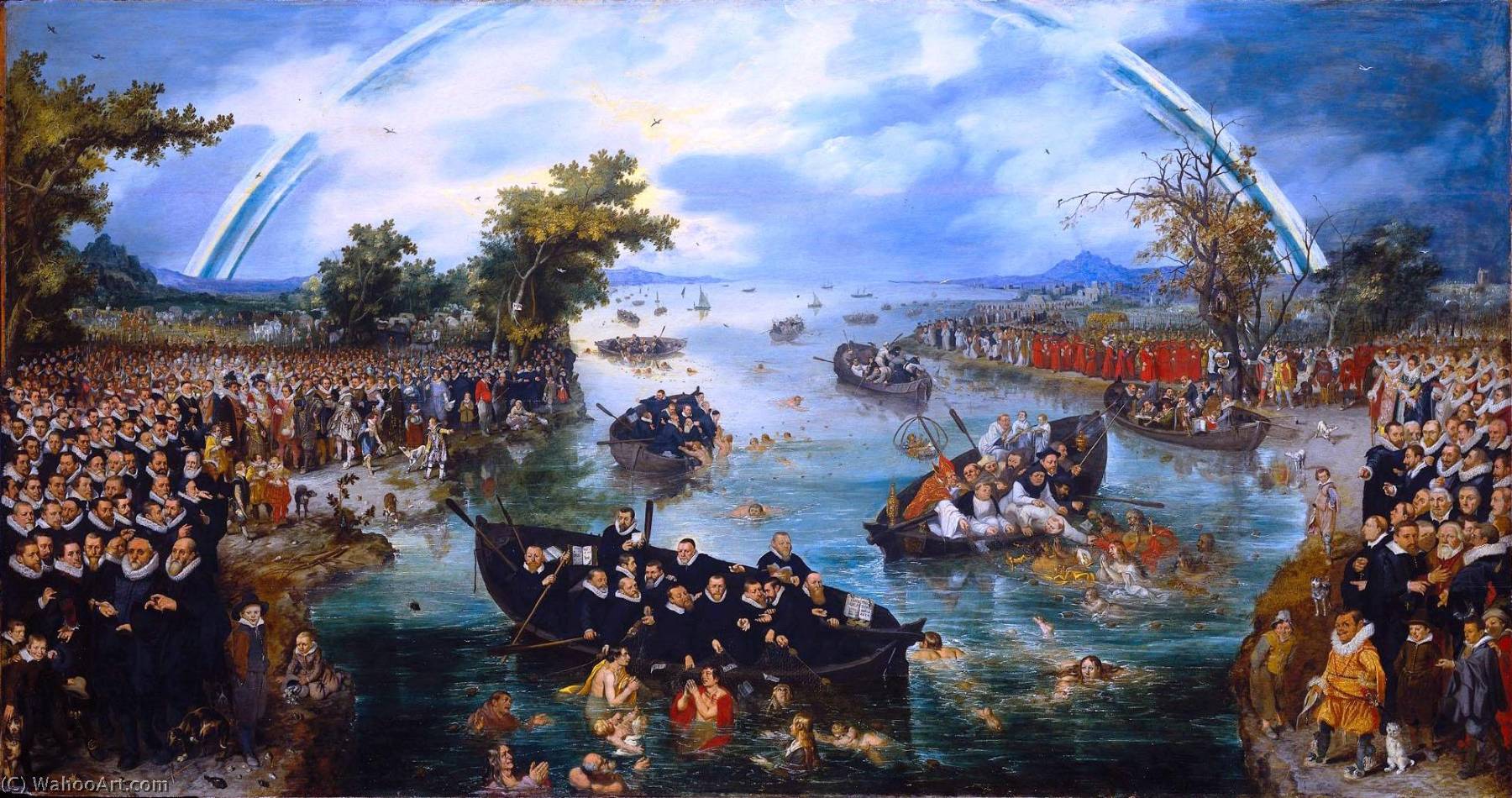
Fishing for Souls


 Ver más
Reproducción al óleo hecha a mano
Óleo sobre lienzo pintado a mano en el tamaño y marco de su elección, realizado por encargo por nuestros artistas. ( Comprar impresión Comprar imagen)




P118B $10

P118H $10

P118W $10

P438Z $10

P508JH $12

P508YH $12

P805H $10

P805Z $10

P919BZ $10

P919G $10

P919XJ $10

P959ZH $10

P968JZ $12

W106C $8

W218G $10

W218JH $8

W218Y $10

W307PJ $10

W316G $10

W316PJ $8

W316Y $10

W398PJ $8

W4111J $10

W500HY $15

W500JH $15

W692G $12

W849H $8

W940BG $15

W953PJ $8




Elija entre nuestros tamaños predefinidos que respetan las proporciones originales de la obra.

Puede ingresar sus propias dimensiones para adaptarse a un marco o espacio específico. Si el tamaño seleccionado no coincide con las proporciones de la imagen original, recortaremos la obra o extenderemos la pintura con elementos adicionales pintados a mano. Se le enviará una maqueta digital para su aprobación antes de comenzar la producción.
Tenga en cuenta que la vista previa en pantalla no refleja el recorte o la extensión reales. Solo la maqueta mostrará con precisión la composición final.
Si bien existen tamaños personalizados, recomendamos seleccionar una dimensión de la lista predefinida para preservar las proporciones originales.
Tras realizar el pedido, el equipo de ArtsDot.com enviará un correo electrónico al cliente para solicitar instrucciones y proporcionarle una vista previa del boceto.
Envío a todo el mundo () en 3-4 semanas en lugar de las 5 semanas estándar. (1 septiembre). Sin comprometer la calidad.

Envío exprés gratuito a todo el mundo

Lienzo de lino de alta calidad

Seguro de envío total

Garantía de reembolso de impuestos aduaneros

Garantía de fidelidad cromática exacta

Política de devolución de 60 días (solo por defectos)

Garantía de devolución del 100% del dinero

Descuento por cantidad
 La opción de vidrio solo está disponible en tamaños inferiores a 110 cm.

Fishing for Souls
Técnica de reproducción
Dimensiones de la reproducción
-


Precio total final
$ 488
A Storm of Faith and Water
In the vast, turbulent expanse of Adriaen Pietersz van de Venne’s 1614 masterpiece, Fishing for Souls, the viewer is not merely a spectator but a witness to a cosmic struggle. This monumental oil on panel serves as a breathtaking window into the Dutch Golden Age, capturing a moment where biblical catastrophe meets biting political commentary. At first glance, the eye is swept into a chaotic deluge—a visceral depiction of the Great Flood from the Book of Genesis. Figures struggle against churning, dark waters, their limbs flelied in desperate attempts to evade an encroaching annihilation. Yet, beneath this surface-level drama of survival lies a profound intellectual depth that transforms the painting from a simple religious narrative into a sophisticated allegory of religious discord.
The composition is a masterclass in Baroque tension, deliberately structured to guide the soul through layers of meaning. Van de Venne utilizes a tripartite division to organize the chaos: the lower realm is dominated by the terrifying, frothing energy of the flood; the central band features boats navigating the treacherous currents; and the upper reaches offer a glimpse of a distant, rain-swept shoreline beneath a celestial rainbow. This use of diagonals and atmospheric perspective creates an overwhelming sense of scale, pulling the observer into the very heart of the tempest. The lighting is particularly evocative, with diffused, overcast tones that suggest a world suspended in a moment of divine judgment, punctuated only by the soft, hopeful arc of the rainbow.
The Artistry of Allegory and Technique
To behold Fishing for Souls is to appreciate the meticulous technical prowess of the Dutch tradition. Van de Venne employs the hallmark techniques of the Baroque era, utilizing complex layering and glazing to achieve a luminous depth that seems to pulse with life. The color palette, though grounded in the somber blues, earthy browns, and murky greys of a storm-tossed sea, is brilliantly interrupted by the bright pigments of clothing and vessel hulls, providing necessary visual anchors amidst the swirling motion. Every brushstroke serves a purpose, from the textured, rough application that mimics the spray of salt water to the delicate rendering of human expressions caught in the throes of fear and hope.
Beyond its aesthetic splendor, the painting functions as a sharp-witted social commentary on the religious fractures of the seventeenth century. During the Twelve Years’ Truce, the Netherlands was a landscape divided by the ideological battle between Protestantism and Catholicism. Van de Venne subtly encodes this conflict within the scene; the river acts as a symbolic border between the Northern and Southern Netherlands. The act of "fishing" becomes a metaphor for the proselytizing efforts of both factions, each side attempting to harvest souls from the turbulent waters of existence. It is an intellectually stimulating piece that rewards repeated viewing, offering new layers of political irony and spiritual reflection with every encounter.
A Timeless Addition to the Collector's Gallery
For the discerning collector or interior designer, a high-quality reproduction of this work offers more than just decoration; it provides a conversational centerpiece of immense historical weight. The painting’s ability to evoke intense emotional responses—ranging from the dread of the flood to the peace of the rainbow—makes it an ideal focal point for spaces designed for contemplation and intellectual engagement. Whether placed in a grand library or a contemporary living space, the dramatic movement and rich, classical tones of Fishing for Souls command attention, bringing the storied atmosphere of the Dutch Golden Age into the modern home.
Obras relacionadas

Biografía del artista
Primeros Años y Formación
- Nacido: Delft, Países Bajos (1589)
- Fallecido: 1662
- Los padres de Van de Venne huyeron de la persecución protestante en los Países Bajos del Sur (españoles).
- Recibió educación en Leiden y se convirtió en parte de la vibrante comunidad política e intelectual alrededor de la Universidad.
- Aprendió latín en Leiden.
- Se formó como aprendiz con Simon de Valk, un maestro orfebre y pintor.
- Estudió grabado con Jeronimus van Diest, conocido por sus grisailles.
Desarrollo Profesional y Estilo Artístico
- Primeros Años (Middelburg): Se mudó a Middelburg en 1614, influenciado por Jan Brueghel el Viejo y Pieter Brueghel el Viejo.
- Comentario Político: Creó "Pesca de Almas" (1614), una pintura alegórica que comenta sobre los conflictos religiosos durante la Guerra de los Ochenta Años.
- Escenas de Género y Proverbios: A partir de 1620, produjo numerosas grisailles y grabados que representan escenas de género – campesinos, mendigos, ladrones y tontos que ilustran proverbios y dichos, a menudo basados en obras de Jacob Cats. Esto se convirtió en una característica distintiva de su estilo.
- Ilustración de Libros y Diseño de Impresos: Trabajó activamente como ilustrador de libros y diseñador de impresos durante toda su carrera.
- Mudanza a La Haya: Se trasladó a La Haya en 1625, uniéndose al Gremio de San Lucas y convirtiéndose en decano en 1637.
- Estilo Artístico: Conocido por alegorías, escenas de género, retratos, grisailles y obras satíricas. Sus pinturas a menudo incorporaban comentarios sociales y lecciones morales.
Obras Principales y Logros
- "Pesca de Almas" (1614): Una obra temprana significativa que demuestra su capacidad para crear alegorías políticas.
- Serie de Escenas de Género con Proverbios: Numerosos grabados y grisailles que ilustran proverbios y dichos, mostrando la vida cotidiana en el Siglo de Oro holandés.
- Ilustraciones de Libros: Contribuyó a ilustraciones para varios libros, incluyendo obras de Jacob Cats.
- Retratos e Historias: Ejecutó encargos para el stadholder holandés Frederik Hendrik, demostrando su habilidad en la retratística y la pintura histórica.
- Miembro Fundador de Confrerie Pictura: Jugó un papel en abogar por el estatus y el reconocimiento de los artistas dentro de la sociedad holandesa.
Influencias y Significado Histórico
- Jan Brueghel el Viejo & Pieter Brueghel el Viejo: Influyeron en su estilo temprano, particularmente durante su tiempo en Middelburg.
- Jacob Cats: Sus obras a menudo ilustraban proverbios y dichos escritos por Jacob Cats, reflejando una colaboración entre artista y escritor.
- Contexto del Siglo de Oro holandés: La obra de Van de Venne es representativa de la floreciente escena artística del Siglo de Oro holandés, caracterizada por la pintura de género, el retrato y el arte alegórico.
- Comentario Social: Sus pinturas proporcionaron comentarios perspicaces sobre temas sociales, conflictos religiosos y valores morales de su tiempo.
- Legado: Permaneció popular durante todo el siglo XVIII después de su muerte, influyendo en artistas posteriores con su uso de grisailles y escenas de género.
Últimos Años y Muerte
- Van de Venne se mudó a La Haya en 1625 donde permaneció hasta su muerte.
- Fue miembro fundador de Confrerie Pictura, un grupo empeñado en mejorar el estatus independiente y la posición social del artista en la sociedad holandesa al fomentar un enfoque más académico de las artes.
- Falleció en La Haya (1662).
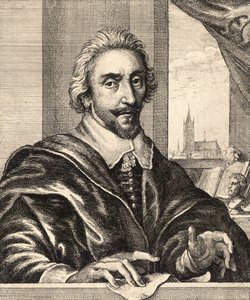
Adriaen Pietersz van de Venne
1589 - 1662 , Países Bajos
Datos clave
- Artistas Que Influyeron:
- Jan Brueghel el Viejo
- Pieter Brueghel el Viejo
- Fecha De Fallecimiento: 1662
- Fecha De Nacimiento: 1589
- Lugar De Nacimiento: Delft, Países Bajos
- Movimiento Artístico: Edad de Oro Holandesa
- Nacionalidad: Holandés
- Nombre Completo: Adriaen Pietersz van de Venne
- Obras Notables:
- Pesca de almas
- Rijcke-Armoede
Artículos relacionados
Willem van de Velde the Elder: Master of Maritime Painting & Chronicler of the Dutch Golden Age
Discover the captivating maritime paintings of Willem van de Velde the Elder, a master chronicler of the Dutch Golden Age. Explore his unparalleled realism and lasting influence on naval art history.

Los 10 Maestros del Siglo de Oro Holandés: Arte, Historia y Decoración Exclusiva
Descubre los 10 imprescindibles del Siglo de Oro Holandés: Rembrandt, Vermeer y más. Explora la historia, técnica y belleza de estos lienzos clásicos. Encuentra reproducciones de arte exclusivas para decorar tu hogar en .

Rembrandt van Rijn: Las 25 Obras Maestras que Definen un Genio | Arte, Historia y Decoración
Descubre las 25 obras maestras de Rembrandt van Rijn, el genio del barroco holandés. Explora su historia, técnica y simbolismo en retratos icónicos como 'La Ronda Nocturna'. Encuentra reproducciones de arte exclusivas para decorar tu hogar con ArtsDot.com.
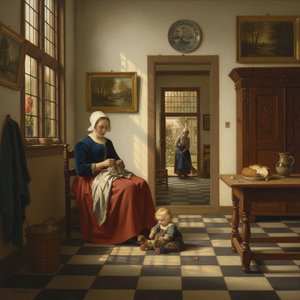
Pieter de Hooch: Illuminating Dutch Domestic Life & Golden Age Charm
Explore the captivating world of Pieter de Hooch, a master of Dutch Golden Age painting. Discover his innovative use of light, intimate domestic scenes, and lasting influence on art history. Learn more at ArtsDot.

Reflejos de una Época Dorada: La Pintura Barroca Holandesa y la Innovación Cultural
Descubra la riqueza y el detalle de la pintura barroca holandesa del Siglo de Oro. Explore las obras maestras de Rembrandt, Vermeer y otros artistas clave. Análisis experto e historia cultural.

