 Ver en contexto
 Enviar
 Compartir
 Detalles

 Descargar
 Similares
 Radiografía
 Presentación de diapositivas
 Estadísticas
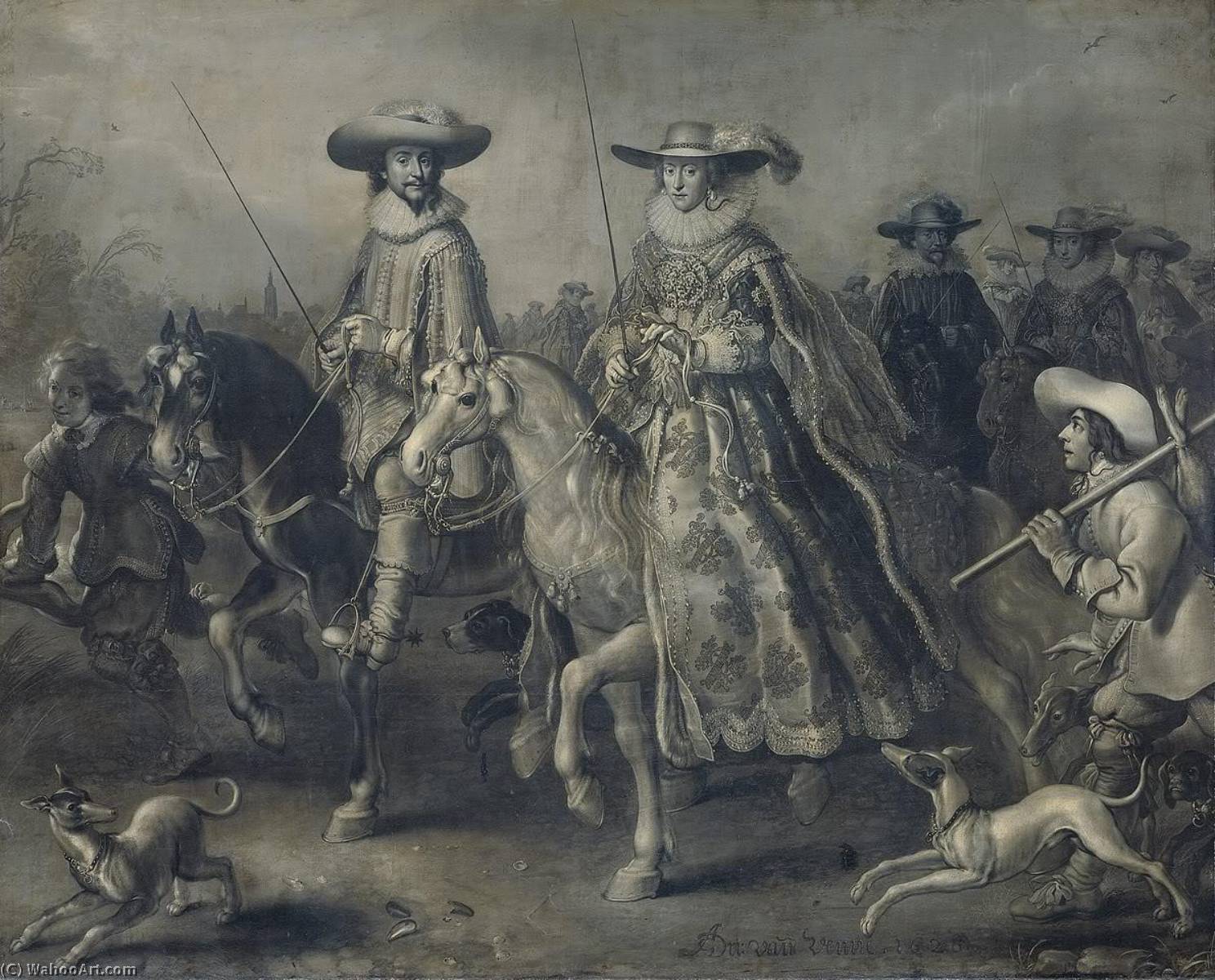
Frederick V, King of Bohemia, and his Wife Elizabeth Stuart


 Ver más
Giclée / Impresión de arte
Impresiones giclée o en lienzo de calidad de museo con producción rápida y opciones de acabado flexibles. ( Comprar pintura hecha a mano Cambiar a imagen digital)




P118B $10

P118H $10

P118W $10

P438Z $10

P508JH $12

P508YH $12

P805H $10

P805Z $10

P919BZ $10

P919G $10

P919XJ $10

P959ZH $10

P968JZ $12

W106C $8

W218G $10

W218JH $8

W218Y $10

W307PJ $10

W316G $10

W316PJ $8

W316Y $10

W398PJ $8

W4111J $10

W500HY $15

W500JH $15

W692G $12

W849H $8

W940BG $15

W953PJ $8




Elija entre nuestros tamaños predefinidos que respetan las proporciones originales de la obra.

Puede introducir sus propias dimensiones para adaptarse a un marco o espacio específico. Si el tamaño seleccionado no coincide con las proporciones de la imagen original, recortaremos la obra de arte o extenderemos la imagen con un borde con efecto espejo o de color sólido. Se enviará una maqueta digital para su aprobación antes de que comience la producción.
Tenga en cuenta que la vista previa en pantalla no refleja el recorte o la extensión real. Solo la maqueta mostrará con precisión la composición final.
Aunque existen tamaños personalizados, recomendamos seleccionar una dimensión de la lista predefinida para preservar las proporciones originales.
Envío a todo el mundo () en 2 semanas en lugar de las 4/5 semanas estándar. (9 septiembre)

Envío exprés gratuito a todo el mundo

Lienzo de lino de alta calidad

Seguro de envío total

Garantía de reembolso de impuestos aduaneros

Garantía de fidelidad cromática exacta

Política de devolución de 100 días (solo por defectos)

Garantía de devolución del 100% del dinero

Descuento por cantidad
 La opción de vidrio solo está disponible en tamaños inferiores a 110 cm.

Frederick V, King of Bohemia, and his Wife Elizabeth Stuart
Giclée / Impresión de arte
Dimensiones de la reproducción
-


Precio total final
$ 62
Frederick V, King of Bohemia, and his Wife Elizabeth Stuart – A Portrait of Turbulent Faith
The grisaille painting by Adriaen Pietersz van de Venne, depicting Frederick V and Elizabeth Stuart riding horses amidst a throng of figures, stands as a testament to the anxieties and aspirations of its era—the tumultuous years following the Thirty Years’ War. More than just a depiction of royalty, it embodies the complex interplay between religious conviction and political ambition that defined the Holy Roman Empire in the early 17th century. Executed around 1626-1628, this artwork captures not merely an event but also the very spirit of its time—a moment frozen in a dramatic tableau of power and piety.- Subject Matter: The scene portrays Frederick V, Elector Palatine and King of Bohemia, accompanied by his wife Elizabeth Stuart, traversing a ceremonial procession. Surrounding them are nobles, soldiers, and attendants, creating an atmosphere of grandeur and formality. Notably prominent is a dog positioned on the right side of the composition, adding to the visual richness of the scene.
- Style: Van de Venne’s masterful technique exemplifies the prevailing artistic style of his time—the Baroque—characterized by dynamism, theatricality, and an emphasis on illusionistic realism. The artist skillfully employs chiaroscuro, manipulating light and shadow to sculpt figures and heighten emotional impact. This dramatic use of light is particularly evident in the highlights illuminating the horses’ coats and the faces of key participants.
- Technique: Painted on a plain-weave canvas lined with wax and retouched, the grisaille employs meticulous brushwork—primarily visible in the white highlights—to achieve remarkable detail and luminosity despite its monochrome palette. Infrared reflectography reveals subtle changes during the painting process, highlighting Van de Venne’s careful attention to capturing fleeting expressions and gestures. Examination under magnification confirms that the ‘8’ in the date was painted on top of the ‘6’, demonstrating a dedication to precision and accuracy.
- Historical Context: The painting emerged against the backdrop of the Thirty Years' War, a devastating conflict fueled by religious tensions between Protestants and Catholics. Frederick V ascended to the throne of Bohemia amidst considerable opposition from Catholic factions who viewed his Protestant faith as a threat to Habsburg dominance. Elizabeth Stuart, daughter of James VI of Scotland and I of England—a staunch supporter of the Protestant cause—represented the unwavering commitment to religious liberty that underpinned the Bohemian Revolt.
- Symbolism: The composition speaks volumes about the anxieties of the period. The horses symbolize power and nobility, while the swords held by several figures underscore the martial dimension of the conflict. The dog’s presence may represent loyalty or vigilance—qualities deemed essential for safeguarding Protestant interests. Furthermore, the meticulous rendering of facial expressions conveys a palpable sense of urgency and determination, reflecting the profound stakes involved in securing religious freedom.
Obras relacionadas

Biografía del artista
Primeros Años y Formación
- Nacido: Delft, Países Bajos (1589)
- Fallecido: 1662
- Los padres de Van de Venne huyeron de la persecución protestante en los Países Bajos del Sur (españoles).
- Recibió educación en Leiden y se convirtió en parte de la vibrante comunidad política e intelectual alrededor de la Universidad.
- Aprendió latín en Leiden.
- Se formó como aprendiz con Simon de Valk, un maestro orfebre y pintor.
- Estudió grabado con Jeronimus van Diest, conocido por sus grisailles.
Desarrollo Profesional y Estilo Artístico
- Primeros Años (Middelburg): Se mudó a Middelburg en 1614, influenciado por Jan Brueghel el Viejo y Pieter Brueghel el Viejo.
- Comentario Político: Creó "Pesca de Almas" (1614), una pintura alegórica que comenta sobre los conflictos religiosos durante la Guerra de los Ochenta Años.
- Escenas de Género y Proverbios: A partir de 1620, produjo numerosas grisailles y grabados que representan escenas de género – campesinos, mendigos, ladrones y tontos que ilustran proverbios y dichos, a menudo basados en obras de Jacob Cats. Esto se convirtió en una característica distintiva de su estilo.
- Ilustración de Libros y Diseño de Impresos: Trabajó activamente como ilustrador de libros y diseñador de impresos durante toda su carrera.
- Mudanza a La Haya: Se trasladó a La Haya en 1625, uniéndose al Gremio de San Lucas y convirtiéndose en decano en 1637.
- Estilo Artístico: Conocido por alegorías, escenas de género, retratos, grisailles y obras satíricas. Sus pinturas a menudo incorporaban comentarios sociales y lecciones morales.
Obras Principales y Logros
- "Pesca de Almas" (1614): Una obra temprana significativa que demuestra su capacidad para crear alegorías políticas.
- Serie de Escenas de Género con Proverbios: Numerosos grabados y grisailles que ilustran proverbios y dichos, mostrando la vida cotidiana en el Siglo de Oro holandés.
- Ilustraciones de Libros: Contribuyó a ilustraciones para varios libros, incluyendo obras de Jacob Cats.
- Retratos e Historias: Ejecutó encargos para el stadholder holandés Frederik Hendrik, demostrando su habilidad en la retratística y la pintura histórica.
- Miembro Fundador de Confrerie Pictura: Jugó un papel en abogar por el estatus y el reconocimiento de los artistas dentro de la sociedad holandesa.
Influencias y Significado Histórico
- Jan Brueghel el Viejo & Pieter Brueghel el Viejo: Influyeron en su estilo temprano, particularmente durante su tiempo en Middelburg.
- Jacob Cats: Sus obras a menudo ilustraban proverbios y dichos escritos por Jacob Cats, reflejando una colaboración entre artista y escritor.
- Contexto del Siglo de Oro holandés: La obra de Van de Venne es representativa de la floreciente escena artística del Siglo de Oro holandés, caracterizada por la pintura de género, el retrato y el arte alegórico.
- Comentario Social: Sus pinturas proporcionaron comentarios perspicaces sobre temas sociales, conflictos religiosos y valores morales de su tiempo.
- Legado: Permaneció popular durante todo el siglo XVIII después de su muerte, influyendo en artistas posteriores con su uso de grisailles y escenas de género.
Últimos Años y Muerte
- Van de Venne se mudó a La Haya en 1625 donde permaneció hasta su muerte.
- Fue miembro fundador de Confrerie Pictura, un grupo empeñado en mejorar el estatus independiente y la posición social del artista en la sociedad holandesa al fomentar un enfoque más académico de las artes.
- Falleció en La Haya (1662).
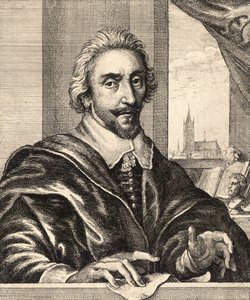
Adriaen Pietersz van de Venne
1589 - 1662 , Países Bajos
Datos clave
- Artistas Que Influyeron:
- Jan Brueghel el Viejo
- Pieter Brueghel el Viejo
- Fecha De Fallecimiento: 1662
- Fecha De Nacimiento: 1589
- Lugar De Nacimiento: Delft, Países Bajos
- Movimiento Artístico: Edad de Oro Holandesa
- Nacionalidad: Holandés
- Nombre Completo: Adriaen Pietersz van de Venne
- Obras Notables:
- Pesca de almas
- Rijcke-Armoede
Artículos relacionados

Theatricality & Triumph: Baroque Drama in Painting & Sculpture
Explore the dramatic world of Baroque art! Discover its history, defining characteristics, & lasting influence on painting & sculpture. Expert insights into Caravaggio, Zurbarán, and Bernini – plus high-quality reproductions at ArtsDot.

The Dramatic Flourish: Exploring the Baroque Movement's Enduring Legacy in Art History
Explore the dramatic world of Baroque art! Discover iconic artists like Caravaggio & Rubens, defining techniques, and its lasting impact on art history. Expert insights for collectors & enthusiasts at ArtsDot.

The Visceral Stage: Exploring Dramatic Narratives & Emotional Intensity in Baroque Art
Explore the dramatic world of Baroque art! Discover iconic masters like Caravaggio & Rembrandt, their techniques, and the movement's lasting impact. Expert insights for collectors & enthusiasts at ArtsDot.

Barroco Sublime: 10 Obras Maestras que Definieron una Época |
Descubre las 10 obras maestras del Barroco que marcaron una época. Caravaggio, Bernini y Velázquez cobran vida en . Reproducciones de arte de calidad museo para decorar tu hogar con elegancia. ¡Explora la colección online!

Drama Barroca: Llevando la Grandeza y la Emoción a los Interiores Contemporáneos
Descubre cómo el drama y la grandeza del arte barroco pueden transformar tus interiores. Guía experta, inspiración y reproducciones de alta calidad en .