

 Ver en contexto
 Enviar
 Compartir
 Detalles

 Descargar
 Similares
 Radiografía
 Presentación de diapositivas
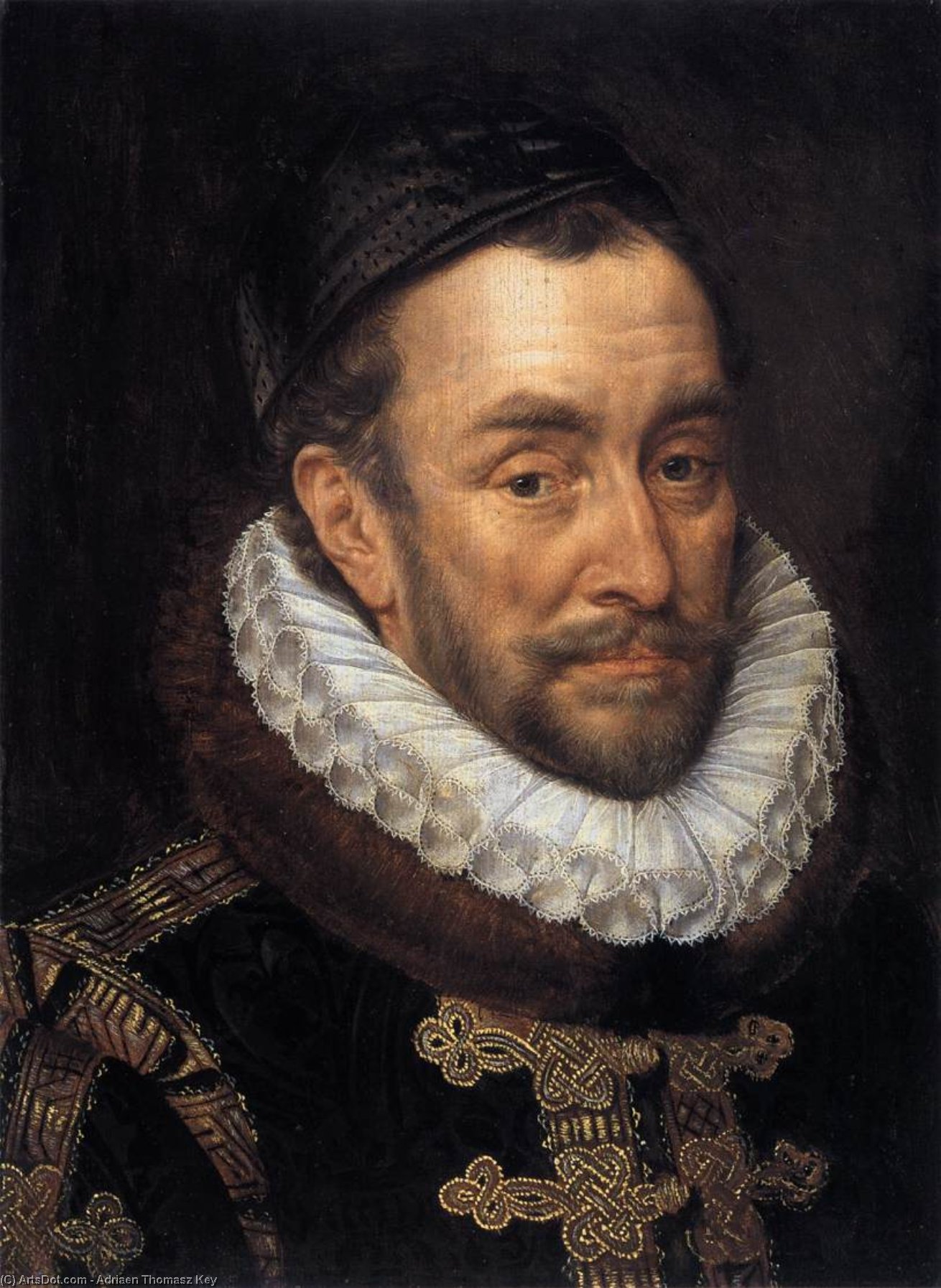
William I, Prince of Orange, called William the Silent,
 1579
1579 48.0 x 35.0 cm
 Rijksmuseum
 Ver más
Adquiera una imagen digital de alta resolución y optimizada, muy superior a la vista previa en línea.
Cada archivo es preparado meticulosamente por nuestros especialistas internos mediante el uso de herramientas avanzadas y un experto retoque manual. Nos aseguramos de que cada imagen posea una claridad excepcional, una precisión cromática impecable y un detalle minucioso.
El archivo final se entrega por correo electrónico en un plazo de 72 horas, optimizado para su uso inmediato en entornos profesionales, editoriales y de impresión. Esta es la misma calidad en la que confían los estudios de diseño, las editoriales y las galerías de primer nivel.
Imagen Digital
Descarga un archivo de alta resolución para exhibición personal, impresión y proyectos creativos. ( Comprar impresión Comprar pintura hecha a mano)
Incluido en cada pedido de imágenes digitales
Entrega digital experta, garantizada.
Al elegir ArtsDot.com, no solo está adquiriendo una imagen; está recibiendo una obra de arte digital mejorada profesionalmente, elaborada con precisión y respaldada por una garantía de satisfacción. Esto es todo lo que incluye su pedido, automáticamente:

Entrega rápida por email
Recibirá su archivo de imagen digital en alta resolución por correo electrónico en un plazo de 72 horas tras realizar su pedido, listo para su uso inmediato.

Archivo digital optimizado por IA
Su obra de arte se optimiza profesionalmente mediante herramientas avanzadas de IA y edición manual, garantizando el máximo detalle, claridad y precisión cromática.

Reenvío gratuito de por vida
¿Has borrado o perdido tu archivo por error? No te preocupes: te lo volveremos a enviar en cualquier momento, sin coste adicional.

Sin gastos de importación, siempre
Disfrute de su obra de arte al instante sin aduanas, aranceles ni gastos de envío; las descargas digitales siempre están libres de impuestos.

Garantía de fidelidad de color
Garantizamos que su imagen digital refleje los colores originales con la mayor fidelidad posible, mediante el uso de herramientas profesionales y gestión del color.

Garantía de satisfacción de 60 días
Si no está satisfecho con su imagen digital, la revisaremos o le reembolsaremos el 100% en un plazo de 60 días, sin preguntas.

100% Garantía de devolución de dinero
¿No está satisfecho? Obtenga un reembolso completo dentro de los 60 días posteriores a la recepción de su archivo digital, sin necesidad de explicaciones.

Descuentos por pedidos grandes
Compra 3 imágenes, ahorra 10% - Compra 5, ahorra 15% - Compra 10+, ahorra 20%. Ideal para proyectos creativos, galerías y agencias.
Obras relacionadas







Biografía del artista
Adriaen Thomasz. Key: A Legacy Shaped by Willem Key and Flemish Renaissance
Adriaen Thomasz. Key (c. 1544, Antwerp – after 1589, Antwerp) stands as a pivotal figure in the artistic landscape of the Dutch Golden Age, largely recognized for his meticulous portraits and contributions to religious painting alongside his role as a master printmaker. While biographical details remain scarce—a testament to the challenges faced by documenting artists during that era—scholarly research has illuminated crucial aspects of his life and career, revealing connections beyond mere apprenticeship to Willem Key that underscore the interconnectedness of Antwerp’s artistic milieu.Early Life and Training
Precise information regarding Adriaen Thomasz. Key's birthdate and familial origins is elusive, though he was born in Antwerp around 1544. Unlike many prominent artists of his time who boasted aristocratic lineages, Key’s family name wasn’t associated with Willem Key—a fact that has prompted considerable debate among historians. His formative years were spent under the tutelage of Pieter Coecke van Aelst and Frans Floris in Antwerp, where he absorbed the stylistic principles of the Flemish Renaissance. Lombardus's influence in Liège further broadened his artistic horizons, equipping him with foundational knowledge and techniques essential for his subsequent endeavors. Joining the Guild of St. Luke in 1540 solidified his professional standing within Antwerp’s vibrant art community—a crucial step towards establishing himself as a respected artist and craftsman.The Willem Key Workshop: Collaboration and Innovation
Key’s association with Willem Key represents a cornerstone of his artistic development. He served as an apprentice to Key, immersing himself in the workshop's environment—a crucible of experimentation and stylistic refinement—where he honed his skills alongside other talented artists. This collaboration fostered a shared commitment to realism and dramatic composition, characteristics that would permeate Key’s own oeuvre. Following Key’s death in 1568, Key skillfully assumed leadership of the workshop, preserving its legacy and continuing to produce exceptional artwork. He navigated the turbulent political climate of the time—marked by religious conflict and dynastic instability—demonstrating resilience and artistic perseverance. The workshop continued to flourish under his guidance, producing prints and paintings that upheld the highest standards of artistic excellence.Style and Technique: Mastering Portraiture and Printmaking
Key’s artistic style is characterized by remarkable technical precision and an astute understanding of human anatomy, achieved through meticulous observation and anatomical studies. His portraits are renowned for their expressive realism, capturing subtle nuances of emotion and conveying psychological depth—a hallmark of the Flemish Renaissance tradition. He skillfully employed chiaroscuro—the dramatic interplay of light and shadow—to sculpt form and imbue his canvases with atmospheric grandeur. Beyond painting, Key excelled as a printmaker, producing stunningly detailed engravings that disseminated his artistic vision across Europe. His prints served not only as reproductions of his paintings but also as independent artworks demonstrating his mastery of etching techniques. These prints are considered masterpieces of the genre, showcasing exceptional draughtsmanship and tonal range.Influence and Legacy
Adriaen Thomasz. Key’s work exerted considerable influence on subsequent generations of painters, notably Rubens—who benefited from Key's workshop experience and stylistic insights. Key’s innovative approach to portraiture and printmaking established precedents for artistic excellence and contributed significantly to the flourishing visual culture of the Dutch Golden Age. His legacy continues to inspire artists today who strive for technical virtuosity and emotional resonance—a testament to his enduring contribution to European art history. He is remembered as a master craftsman whose dedication to detail and artistic vision cemented his place among Antwerp’s most celebrated artists.Notable Works
Key produced several notable paintings, including “Portrait of a Man” and “Portrait of Jacob Claesz Basgen of Bas,” which exemplify his signature style and artistic prowess. These works are housed in prestigious collections worldwide, ensuring that Key’s artistic achievements endure for centuries to come. They stand as enduring symbols of Flemish Renaissance artistry and continue to captivate viewers with their beauty and psychological depth.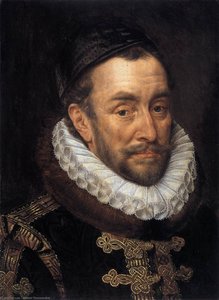
Adríaen Thomasz Key
Bélgica
Breves datos
- Artistic Movement Or Style: Dutch Golden Age
- Artists Or Movements Influenced By This Artist: ['Rubens']
- Artists Who Influenced This Artist: ['Willem Key']
- Date Of Birth: c. 1544 Antwerp
- Date Of Death: after 1589 Antwerp
- Full Name: Adriaen Thomasz Key
- Nationality: Flamenco
- Notable Artworks:
- Retrato de hombre
- Retrato de Jacob Claesz Basgen
- Place Of Birth: Antwerp Belgium

