 Vista previa
 Compartir
 Compartir
 Ver detalles

 Descargar
 Ver similares
 Radiografía
 Presentación de diapositivas
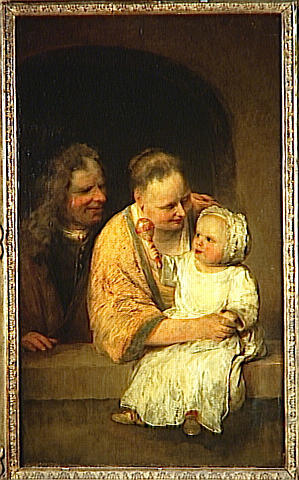
PORTRAIT DE FAMILLE


 Leer más
Reproducción al óleo hecha a mano
Óleo sobre lienzo pintado a mano en el tamaño y marco de su elección, realizado por encargo por nuestros artistas. ( Pedir impresión Comprar descarga)




P118B $10

P118H $10

P118W $10

P438Z $10

P508JH $12

P508YH $12

P805H $10

P805Z $10

P919BZ $10

P919G $10

P919XJ $10

P959ZH $10

P968JZ $12

W106C $8

W218G $10

W218JH $8

W218Y $10

W307PJ $10

W316G $10

W316PJ $8

W316Y $10

W398PJ $8

W4111J $10

W500HY $15

W500JH $15

W692G $12

W849H $8

W940BG $15

W953PJ $8




Elija entre nuestros tamaños predefinidos que respetan las proporciones originales de la obra.

Puede ingresar sus propias dimensiones para adaptarse a un marco o espacio específico. Si el tamaño seleccionado no coincide con las proporciones de la imagen original, recortaremos la obra o extenderemos la pintura con elementos adicionales pintados a mano. Se le enviará una maqueta digital para su aprobación antes de comenzar la producción.
Tenga en cuenta que la vista previa en pantalla no refleja el recorte o la extensión reales. Solo la maqueta mostrará con precisión la composición final.
Si bien existen tamaños personalizados, recomendamos seleccionar una dimensión de la lista predefinida para preservar las proporciones originales.
Tras realizar el pedido, el equipo de ArtsDot.com enviará un correo electrónico al cliente para solicitar instrucciones y proporcionarle una vista previa del boceto.
Envío a todo el mundo () en 3-4 semanas en lugar de las 5 semanas estándar. (21 agosto). Sin comprometer la calidad.

Envío exprés gratuito a todo el mundo

Lienzo de lino de alta calidad

Seguro de envío completo

Garantía de reembolso de aranceles aduaneros

Garantía de fidelidad cromática exacta

Política de devolución de 60 días (solo por defectos)

Garantía de devolución del 100% del dinero

Oferta por volumen
 La opción de vidrio solo está disponible en tamaños inferiores a 110 cm.

PORTRAIT DE FAMILLE
Técnica de reproducción
Tamaño de la reproducción
-


Precio total
$ 313
Descripción de la obra
An Echo of Mastery: The Soul of Portrait de Famille
To encounter Aert de Gelder’s “Portrait de Famille” is to step into a profound dialogue with the past, specifically the twilight years of the Dutch Golden Age. Completed around 1720, this evocative oil on canvas serves as a vibrant, breathing echo of Rembrandt van Rijn’s legendary influence. De Gelder, one of Rembrandt's most devoted pupils, does not merely imitate his master; he breathes new life into the dramatic chiaroscuro technique, using light to sculpt emotion from the darkness. The painting captures a family unit—a mother, a father, and an infant—not as static figures in a formal arrangement, but as a cohesive, breathing entity bound by an invisible thread of affection and quiet contemplation.
The composition is masterfully orchestrated in a classic triangular formation, a structural hallmark that directs the viewer’s eye toward the heart of the domestic scene. At the apex of this human pyramid sits the mother, her presence commanding yet tender as she cradles her newborn. To her side, the father completes the triad, his posture providing a stabilizing balance to the group. This arrangement creates an intimate, enclosed space that feels shielded from the outside world, inviting collectors and admirers alike into a private moment of familial serenity. The dark, indistinct background acts as a void that pushes the subjects forward, ensuring that every flicker of light on a cheek or fold of fabric demands our full attention.
Texture, Light, and the Art of Observation
Technically, “Portrait de Famille” is a triumph of the Dutch Baroque tradition. De Gelder employs a palette dominated by rich, earthy tones—deep browns, warm ochres, and soft creams—which lend the work an organic, timeless warmth. Subtle splashes of red and white within the woman’s attire provide necessary focal points, preventing the composition from receding into shadow. What truly distinguishes this piece, however, is the artist's tactile approach to paint. His visible, energetic brushstrokes imbue the canvas with a sense of immediacy and vitality, a deliberate choice that celebrates the physical act of painting itself.
The lighting is nothing short of theatrical. Originating from an unseen source to the left, the light washes over the figures, highlighting the soft contours of the infant’s skin and the weathered textures of the parents' clothing. This interplay of brilliance and deep shadow creates a sense of three-dimensional depth, even within a relatively shallow pictorial space. For the interior designer or art enthusiast, this dramatic use of light offers an unparalleled opportunity to create a focal point in a room, bringing a sense of historical weight and sophisticated drama to any curated collection.
Symbolism and the Eternal Bond
Beyond its aesthetic brilliance, the painting is steeped in profound symbolic meaning. The infant, nestled securely within the mother's arms, serves as a potent symbol of innocence and the enduring continuity of lineage. There is a quiet gravity in the expressions of the parents—a solemnity that suggests they are not merely posing for a portrait, but reflecting on the responsibilities and the sacred nature of their bond. This layer of narrative complexity transforms the work from a mere likeness into a meditation on human connection and the passage of time.
For those seeking to adorn a space with art that speaks to the heart, “Portrait de Famille” offers more than just visual beauty; it offers an atmosphere of contemplative peace. Whether displayed in a grand library or a contemporary living space, this reproduction carries with it the weight of history and the warmth of human intimacy, making it a timeless investment for any lover of fine art.
Obras relacionadas

Biografía del artista
El Eco de un Maestro: La Devoción de Aert de Gelder al Espíritu de Rembrandt
Enfrentarse a las obras de Aert de Gelder es encontrarse con un eco, una resonancia vibrante y apasionada de uno de los más grandes maestros de la historia. Aunque su paso por la tierra fue trágicamente breve, De Gelder se forjó un nicho significativo en los anales del arte neerlandés, ligado para siempre por su devoción al profundo claroscuro y la profundidad emocional de Rembrandt van Rijn. Nacido en Dordrecht alrededor de 1645, su vida parece casi demasiado corta para abarcar una producción artística tan intensa. Sin embargo, dentro de esos años fugaces, absorbió la esencia misma de la técnica de un maestro, canalizándola en un cuerpo de obra que habla elocuentemente del drama humano y el fervor espiritual.
Su formación no fue meramente académica; fue una inmersión. Estudiar en el propio estudio de Rembrandt entre 1661 y 1663 lo situó en el epicentro de la innovación artística. Este aprendizaje resultó formativo, permitiéndole absorber no solo pinceladas, sino una filosofía: una manera de ver el drama inherente tanto en los momentos cotidianos como en las narrativas sagradas.
Dominando el Estilo Tardío de Rembrandt
El estilo característico de De Gelder es inseparable del brillo del período tardío de su mentor. Es un estilo marcado por una carga emocional casi palpable. Sus lienzos no simplemente representan escenas; las hacen respirar, atrayendo al espectador hacia momentos de profunda contemplación o acción intensa. Ya sea que abordara grandes narrativas bíblicas o íntimos estudios de personajes, el elemento humano permanece primordial.
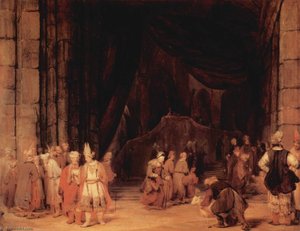
Considere la amplitud dramática de piezas como "El Bautismo de Cristo" o la tensión cargada capturada en "Ahimelech Dándole la Espada de Goliat a David". Estas obras no son meras ilustraciones; son meditaciones sobre la fe y el conflicto. De Gelder poseía un don notable para la narración, utilizando la luz y la sombra —esa técnica rembrandtiana distintiva— para guiar la mirada y profundizar la resonancia emocional de cada figura.
Su retrato atestigua aún más este dominio. En obras como "Esther y Mardoqueo" o su representación del "Rey David", uno no solo percibe el parecido físico, sino el alma. Tenía una habilidad asombrosa para transmitir la turbulencia interior, la dignidad silenciosa o el espíritu triunfante que residían en sus modelos.
Significado Histórico y Legado
La carrera de Aert de Gelder sirve como un fascinante puente en la historia del arte. Su adhesión al emocionalismo y al peso narrativo de los maestros de la Edad de Oro neerlandesa le permitió mantener una conexión poderosa con el cenit de esa era, incluso cuando los gustos artísticos comenzaron a inclinarse hacia el siglo XVIII. Actuó como custodio del legado de Rembrandt, asegurando que su vocabulario dramático permaneciera vibrante.
Su significado perdurable reside en esta continuación. Demostró que se podía construir sobre los logros monumentales de un maestro sin simplemente imitarlos; más bien, interiorizó el espíritu y lo adaptó. El hecho de que instituciones como el Rijksmuseum alberguen sus piezas subraya su lugar dentro del canon del genio neerlandés, solidificando su reputación junto a gigantes como Jan Lievens.
Ver el arte de De Gelder es ser testigo de la devoción hecha visible: un compromiso por capturar el drama sublime inherente a la condición humana, todo filtrado a través del inolvidable lente de la visión incomparable de Rembrandt.
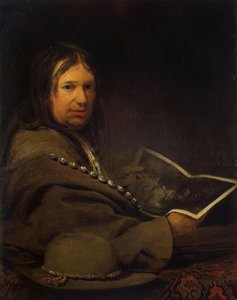
Aert De Gelder
1645 - 1645 , Países Bajos
Datos clave
- Artistic Movement Or Style: Estilo tardío de Rembrandt
- Artists Who Influenced This Artist: ['rembrandt van rijn']
- Date Of Birth: 1645
- Date Of Death: 1645
- Full Name: aert de gelder
- Nationality: Holandés
- Notable Artworks:
- El bautismo de Cristo
- Rey David
- Place Of Birth: Dordrecht, Países Bajos
Artículos relacionados

Rembrandt van Rijn: Las 25 Obras Maestras que Definen un Genio | Arte, Historia y Decoración
Descubre las 25 obras maestras de Rembrandt van Rijn, el genio del barroco holandés. Explora su historia, técnica y simbolismo en retratos icónicos como 'La Ronda Nocturna'. Encuentra reproducciones de arte exclusivas para decorar tu hogar con ArtsDot.com.

Los 10 Maestros del Barroco Holandés: Obras que Definen una Época | ArtsDot
Descubre los 10 imprescindibles del Barroco holandés: Rembrandt, Vermeer y más. Explora la historia, técnica y belleza de estas obras maestras. Reproducciones de arte en ArtsDot.com para decorar tu hogar con elegancia.

Barroco Sublime: 10 Obras Maestras que Definieron una Época |
Descubre las 10 obras maestras del Barroco que marcaron una época. Caravaggio, Bernini y Velázquez cobran vida en . Reproducciones de arte de calidad museo para decorar tu hogar con elegancia. ¡Explora la colección online!
Rembrandt van Rijn: A Life Illuminated – Innovation, Emotion, and the Dutch Golden Age
Explore the life & art of Rembrandt van Rijn, a Dutch Golden Age master. Discover his innovative techniques, iconic paintings like 'The Night Watch', and enduring legacy. Expert insights for collectors & enthusiasts.
Illuminating Rembrandt's Chiaroscuro in The Night Watch - Nature
Explore the brilliance of Rembrandt's chiaroscuro technique & the Dutch Golden Age. Discover iconic artworks, expert analysis, and museum-quality reproductions at ArtsDot.com.