

 Ver en contexto
 Enviar
 Compartir
 Detalles

 Descargar
 Similares
 Radiografía
 Presentación de diapositivas
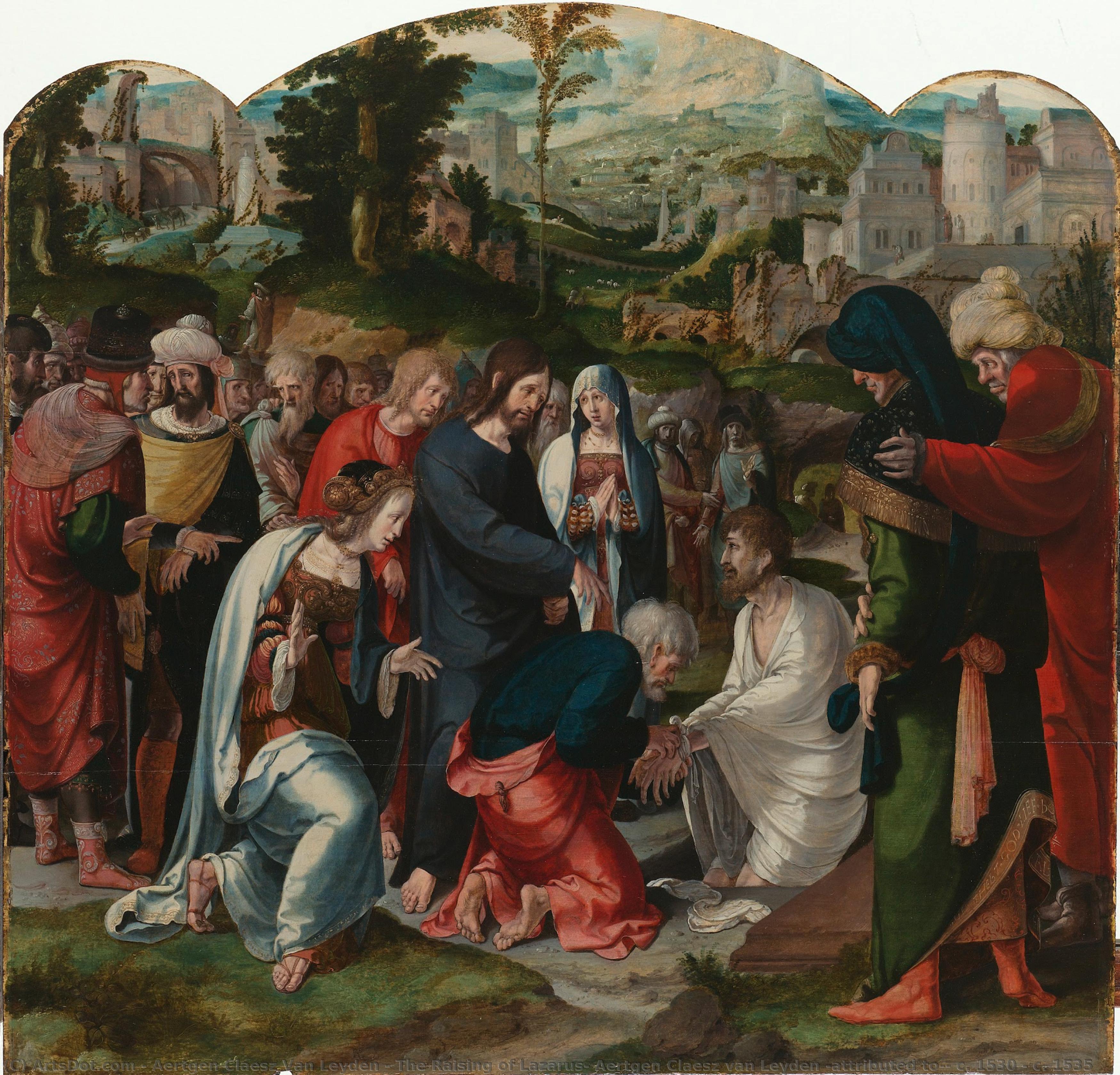
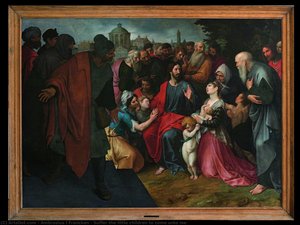
The Raising of Lazarus, Aertgen Claesz van Leyden (attributed to), c. 1530 - c. 1535
 Early Netherlandish
 1535
1535 76.0 x 79.0 cm
 Ver más
Adquiera una imagen digital de alta resolución y optimizada, muy superior a la vista previa en línea.
Cada archivo es preparado meticulosamente por nuestros especialistas internos mediante el uso de herramientas avanzadas y un experto retoque manual. Nos aseguramos de que cada imagen posea una claridad excepcional, una precisión cromática impecable y un detalle minucioso.
El archivo final se entrega por correo electrónico en un plazo de 72 horas, optimizado para su uso inmediato en entornos profesionales, editoriales y de impresión. Esta es la misma calidad en la que confían los estudios de diseño, las editoriales y las galerías de primer nivel.
Imagen Digital
Descarga un archivo de alta resolución para exhibición personal, impresión y proyectos creativos. ( Comprar impresión Comprar pintura hecha a mano)
Incluido en cada pedido de imágenes digitales
Entrega digital experta, garantizada.
Al elegir ArtsDot.com, no solo está adquiriendo una imagen; está recibiendo una obra de arte digital mejorada profesionalmente, elaborada con precisión y respaldada por una garantía de satisfacción. Esto es todo lo que incluye su pedido, automáticamente:

Entrega rápida por email
Recibirá su archivo de imagen digital en alta resolución por correo electrónico en un plazo de 72 horas tras realizar su pedido, listo para su uso inmediato.

Archivo digital optimizado por IA
Su obra de arte se optimiza profesionalmente mediante herramientas avanzadas de IA y edición manual, garantizando el máximo detalle, claridad y precisión cromática.

Reenvío gratuito de por vida
¿Has borrado o perdido tu archivo por error? No te preocupes: te lo volveremos a enviar en cualquier momento, sin coste adicional.

Sin gastos de importación, siempre
Disfrute de su obra de arte al instante sin aduanas, aranceles ni gastos de envío; las descargas digitales siempre están libres de impuestos.

Garantía de fidelidad de color
Garantizamos que su imagen digital refleje los colores originales con la mayor fidelidad posible, mediante el uso de herramientas profesionales y gestión del color.

Garantía de satisfacción de 60 días
Si no está satisfecho con su imagen digital, la revisaremos o le reembolsaremos el 100% en un plazo de 60 días, sin preguntas.

100% Garantía de devolución de dinero
¿No está satisfecho? Obtenga un reembolso completo dentro de los 60 días posteriores a la recepción de su archivo digital, sin necesidad de explicaciones.

Descuentos por pedidos grandes
Compra 3 imágenes, ahorra 10% - Compra 5, ahorra 15% - Compra 10+, ahorra 20%. Ideal para proyectos creativos, galerías y agencias.
Obras relacionadas
Biografía del artista
Aertgen Claesz van Leyden: Un maestro del detalle sutil en el Renacimiento holandés
Aertgen Claesz van Leyden (c. 1498 – c. 1564), un nombre quizás menos familiar que el de sus contemporáneos, se erige como una figura silenciosamente significativa dentro del rico tapiz de la pintura flamenca temprana. Nacido y principalmente activo en Leiden, Países Bajos, forjó una identidad artística distintiva caracterizada por una exquisita atención al detalle, una profunda comprensión de la iconografía religiosa y un dominio magistral del óleo; cualidades que le aseguraron un lugar entre los estimados Maestros de Leiden.
Los primeros años de Van Leyden permanecen envuells en cierto misterio. Los registros sugieren que era hijo de un batanero de Leiden, una profesión que indica una familia arraigada en la producción textil. Este humilde origen contrasta drásticamente con el refinado arte que desarrollaría más tarde. Su formación artística formal comenzó bajo la tutela de Cornelis Engebrechtsz., un destacado pintor de Leiden conocido por su realismo meticuloso y sus detalladas representaciones de escenas religiosas. La influencia de Engebrechtsz. es claramente visible en las obras iniciales de Aertgen, caracterizadas por un énfasis similar en la precisión del trazo y una paleta contenida. Sin embargo, no se trató de una mera imitación; Van Leyden desarrolló rápidamente su propio estilo único, divergiendo sutilmente del enfoque de su mentor.
El desarrollo de un estilo distintivo
La trayectoria artística de Van Leyden revela una evolución fascinante, influenciada por una diversa gama de maestros y tendencias contemporáneas. Sus obras tempranas demuestran una clara deuda con Engebrechtsz., particularmente en la meticulosa representación de los ropajes y la observación cuidadosa de las formas naturales. No obstante, a medida que maduraba, Van Leyden absorbiya elementos de Jan van Scorel, renombrado por sus colores luminosos y efectos atmosféricos, e incluso el estilo más dramático de Maarten van Heemskerck, un maestro de la pintura narrativa. Esta mezcla ecléctica resultó en un enfoque altamente individualista, uno que es tanto técnicamente consumado como emocionalmente resonante.
Crucialmente, el estilo de Van Leyden no fue simplemente una síntesis de influencias; poseía una capacidad extraordinaria para destilar estos elementos en una visión cohesiva y profundamente personal. Sus pinturas se distinguen por sus sutiles gradaciones tonales, su delicado modelado y un realismo casi fotográfico, sello distintivo de la escuela de Leiden. Frecuentemente empleaba una paleta limitada, favoreciendo tonos tierra apagados y ricos colores de joyas, creando una sensación de serena solemnidad y profundidad espiritual.
Temas religiosos y significado iconográfico
La obra de Van Leyden está abrumadoramente dedicada a temas religiosos, reflejando el clima artístico predominante del siglo XVI. Produjo numerosos retablos, pinturas sobre tabla e imágenes devocionales, cada una imbuida de un profundo significado simbólico. Sus representaciones de escenas bíblicas, como La resurrección de Lázaro (atribuida a él), no son meras ilustraciones, sino narrativas cuidadosamente construidas para transmitir verdades teológicas. La meticulosa atención del artista al detalle trasciende la mera representación; incorpora con precisión el simbolismo en cada elemento de la composición, desde los gestos y expresiones de las figuras hasta la disposición de los objetos dentro de la escena.
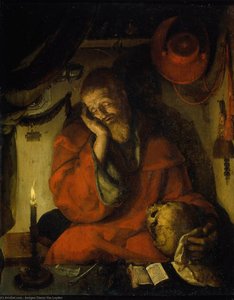
Entre sus obras notables se encuentran San Jerónimo en su estudio, un retrato conmovedor del ermitaño contemplando las escrituras, y representaciones del Juicio Final. Su Vocación de San Antonio es particularmente digna de mención por su íntima representación de la conversión del santo, un momento de profundo despertar espiritual plasmado con una sensibilidad asombrosa.
Legado y contexto histórico
A pesar de su considerable talento y su prolífica producción, el nombre de Van Leyden a menudo ha quedado a la sombra de su hermano más famoso, Lucas van Leyden. Esto se debe en parte a los desafíos inherentes a la atribución de pinturas a artistas individuales dentro de la escuela de Leiden, un grupo caracterizado por un alto grado de similitud estilística. Sin embargo, la investigación académica reciente ha reconocido cada vez más la contribución única de Aertgen al arte neerlandés.
La obra de Van Leyden refleja las corrientes culturales y artísticas más amplias del siglo XVI: el auge del humanismo, el redescubrimiento de la antigüedad clásica y el creciente interés por la imaginería religiosa. Sus pinturas ofrecen una ventana valiosa a la vida espiritual e intelectual de la Europa renacentista, demostrando el poder del arte tanto para iluminar como para inspirar.
Su legado perdura a través de sus obras meticulosamente elaboradas, que continúan siendo admiradas por su brillantez técnica, profundidad emocional y profundo significado simbólico. Aertgen Claesz van Leyden permanece como un testimonio de la maestría silenciosa y la influencia duradera de un pintor maestro que merece un mayor reconocimiento dentro de la historia del arte.
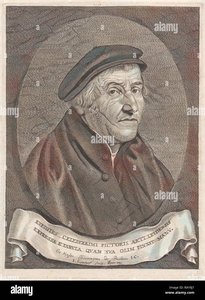
Aertgen Claesz Van Leyden
1498 - 1564 , Países Bajos
Breves datos
- Artistas O Movimientos Influenciados Por Este Artista:
- Jan van Scorel
- Maarten van Heemskerck
- Artistas Que Influyeron En Este Artista: ['Cornelis Engebrechtsz']
- Fecha De Muerte: c. 1564
- Fecha De Nacimiento: c. 1498
- Lugar De Nacimiento: Leiden, Países Bajos
- Movimiento O Estilo Artístico: Primitivo flamenco
- Nacionalidad: Holandesa
- Nombre Completo: Aertgen Claesz van Leyden
- Obras Notables:
- La resurrección de Lázaro
- San Jerónimo

