

 Enviar
 Compartir
 Detalles

 Descargar
 Similares
 Presentación de diapositivas
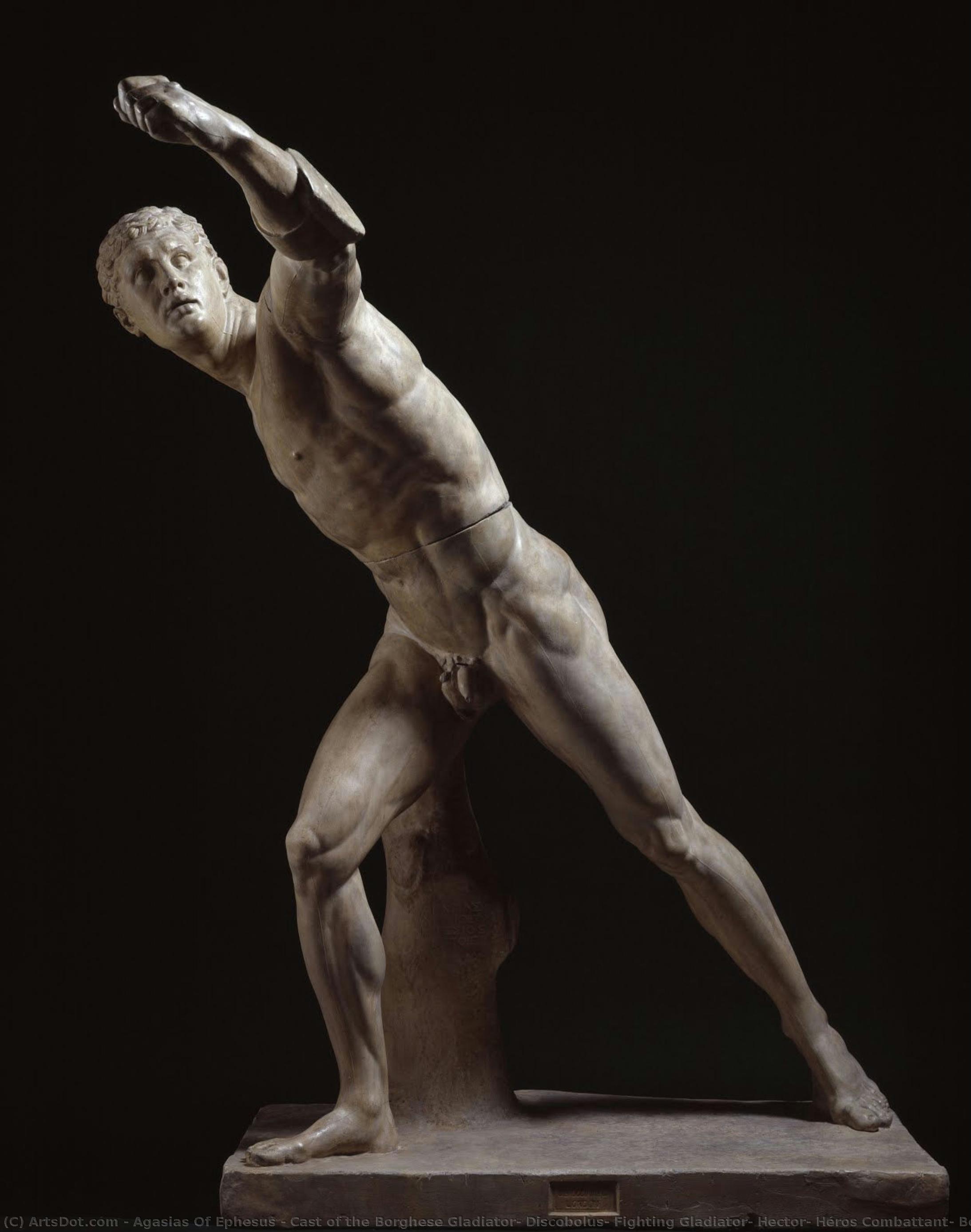
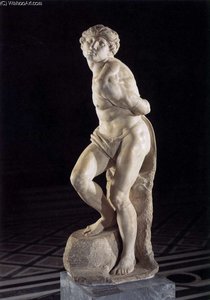
Cast of the Borghese Gladiator; Discobolus; Fighting Gladiator; Hector; Héros Combattant; Borghese Warrior; Original in Musée du Louvre, Paris; Warrior of Agasias


 Ver más
Giclée / Impresión de arte
Impresiones giclée o en lienzo de calidad de museo con producción rápida y opciones de acabado flexibles. ( Comprar pintura hecha a mano Comprar imagen)




































Elija entre nuestros tamaños predefinidos que respetan las proporciones originales de la obra.

Puede introducir sus propias dimensiones para adaptarse a un marco o espacio específico. Si el tamaño seleccionado no coincide con las proporciones de la imagen original, recortaremos la obra de arte o extenderemos la imagen con un borde con efecto espejo o de color sólido. Se enviará una maqueta digital para su aprobación antes de que comience la producción.
Tenga en cuenta que la vista previa en pantalla no refleja el recorte o la extensión real. Solo la maqueta mostrará con precisión la composición final.
Aunque existen tamaños personalizados, recomendamos seleccionar una dimensión de la lista predefinida para preservar las proporciones originales.
Envío a todo el mundo () en 2 semanas en lugar de las 4/5 semanas estándar. (4 septiembre)

Envío exprés gratuito a todo el mundo

Lienzo de lino de alta calidad

Seguro de envío total

Garantía de reembolso de impuestos aduaneros

Garantía de fidelidad cromática exacta

Política de devolución de 60 días (solo por defectos)

Garantía de devolución del 100% del dinero

Descuento por cantidad
 La opción de vidrio solo está disponible en tamaños inferiores a 110 cm.

Cast of the Borghese Gladiator; Discobolus; Fighting Gladiator; Hector; Héros Combattant; Borghese Warrior; Original in Musée du Louvre, Paris; Warrior of Agasias
Giclée / Impresión de arte
Dimensiones de la reproducción
-


Precio total final
$ 62
The Eternal Motion of the Borghese Warrior
In the quiet stillness of a museum gallery or the curated elegance of a private study, few figures command attention quite like the Borghese Gladiator. This breathtaking plaster cast captures a moment of suspended animation, frozen in the height of physical exertion. The sculpture depicts a male figure caught in a dynamic, twisting motion, his body a masterclass in Hellenistic tension and anatomical precision. As he prepares to release his projectile, every sinew and muscle is rendered with profound clarity, creating a rhythmic flow of energy that leads the eye across the diagonal axis of his torso. The play of light and shadow across the smooth, matte surface of the cast emphasizes the heroic musculature, evoking a sense of raw power and disciplined grace that has captivated observers for centuries.
The artistry of Agasias of Ephesus lies in his ability to breathe life into cold medium. While the original marble masterpiece resides in the hallowed halls of the Musée du Louvre, this reproduction allows the spirit of ancient Greece to inhabit contemporary spaces. The composition is a triumph of balance; despite the intense physical struggle depicted, there is an underlying harmony in the figure's stance. His grounded left leg provides a foundation of stability, contrasting beautifully with the reaching, preparatory movement of his right arm. For the discerning collector or interior designer, this piece serves as a profound focal point, offering a sophisticated interplay of classical grandeur and sculptural depth that complements both minimalist modernism and opulent traditional decor.
A Legacy Carved in History
To behold this work is to touch the lineage of Western civilization. The history of the Borghese Gladiator is as dramatic as the sculpture itself. Originally unearthed near Anzio, Italy, in 1611, the statue became a crown jewel of the illustrious Borghese collection. Its journey through time is marked by the hands of emperors and connoisseurs alike; notably, Napoleon Bonaparte’s acquisition of the piece in 1807 cemented its status as an icon of cultural heritage. The sculpture's influence even reached the royal courts of England, where bronze casts graced the gardens of St. James’ Palace and Wilton, inspiring generations of artists and thinkers to contemplate the ideals of heroism and human perfection.
Beyond its physical form, the piece carries a deep symbolic weight. It represents the Hellenistic pursuit of naturalism—the transition from the idealized, static figures of earlier eras to a more visceral, emotional representation of the human condition. The warrior is not merely a subject of athletic prowess but an emblem of the struggle, the focus, and the indomitable will. For those seeking to infuse their environment with inspiration, this reproduction offers more than mere decoration; it provides a window into an era where art sought to capture the very essence of life, strength, and the eternal dance between movement and stillness.
Obras relacionadas



Biografía del artista
Agasias of Ephesus: The Sculptor Behind the Borghese Warrior
Agasias of Ephesus, a Greek sculptor active in the first century BC, remains an enigmatic figure despite his enduring legacy as creator of one of Hellenistic sculpture’s most iconic masterpieces – the Borghese Gladiator. Little is known about his personal life beyond fragmentary inscriptions hinting at his involvement in Delos during Roman rule, yet his artistic output speaks volumes about the intellectual and aesthetic currents shaping ancient Greece. He stands as a testament to the dynamism and naturalism that characterized the period following Alexander the Great’s death, embodying the ambition to represent human form with unprecedented realism.Early Life and Artistic Training
Information regarding Agasias' birthdate and family is scarce. Evidence suggests he hailed from Ephesus, a thriving port city at the crossroads of Greek and Roman cultures—a location that fostered artistic innovation and patronage. He was likely the son of Dositheus, another sculptor known for his work on monumental sculptures in Ephesus, establishing him within a lineage dedicated to crafting impressive representations of gods and heroes. While precise details about his formative years are elusive, it’s plausible he received training under prominent sculptors of his time, absorbing techniques honed by masters like Lysippos—a figure whose influence is palpable in Agasias' stylistic choices. Lysippos, renowned for his anatomical accuracy and mastery of sculpture, undoubtedly instilled in Agasias a dedication to portraying the human body with unparalleled fidelity – a characteristic that would become central to Agasias’ artistic vision.The Borghese Gladiator: A Pinnacle of Hellenistic Style
The Borghese Gladiator, housed in the Louvre Museum, represents Agasias’ magnum opus and arguably embodies the very essence of Hellenistic sculpture. Completed around 100 BC, this colossal bronze statue depicts a warrior engaged in combat—a subject favored by sculptors during this era who sought to capture movement and emotion with remarkable accuracy. Unlike idealized depictions prevalent in Classical art, Agasias' Gladiator is imbued with palpable tension and physicality; muscles ripple beneath the skin, conveying the strain of exertion. The sculptor meticulously studied anatomy, utilizing techniques honed by Lysippos—a master known for his anatomical precision—to achieve a level of realism previously unattainable. The statue’s pose—the warrior leaning forward, one arm outstretched—is deliberately asymmetrical, reflecting the Hellenistic preoccupation with dynamism and conveying an impression of immediacy. Agasias skillfully employed bronze casting techniques to capture this movement, demonstrating mastery over material science alongside artistic vision. The surface is polished to a gleaming sheen, enhancing its visual impact and highlighting the sculptor’s meticulous attention to detail – a hallmark of Hellenistic artistry. It's believed that Agasias utilized molds created by Lysippos himself, furthering the transmission of classical sculptural principles into his own work.Beyond the Gladiator: Temple Sculpture and Artistic Legacy
While the Borghese Gladiator secures Agasias’ place in art history, his contribution extends beyond this single monumental work. He played a crucial role in decorating the Temple of Artemis at Ephesus—one of the Seven Wonders of the Ancient World—a project that showcased his skill in crafting large-scale sculptures for religious contexts. The temple complex was adorned with statues depicting gods and heroes, reflecting the artistic sensibilities of the time and demonstrating Agasias’ ability to execute ambitious commissions. These monumental sculptures served as a powerful symbol of Ephesian piety and artistic prowess, cementing Agasias' reputation as one of the most celebrated sculptors of his era. Agasias' style—characterized by naturalism, dynamism, and anatomical precision—influenced subsequent sculptors throughout antiquity and beyond. His work served as a model for artists striving to emulate Lysippos’ achievements and solidified Ephesus’ reputation as a center of artistic excellence. Though Agasias himself remains shrouded in obscurity, his legacy persists through the enduring beauty and intellectual depth of his sculptures—particularly the Borghese Gladiator—a testament to the transformative power of Hellenistic art and its lasting impact on Western artistic tradition. He represents a pivotal figure in bridging the gap between Classical idealism and Hellenistic realism, marking a significant advancement in sculptural representation and establishing him as an unforgettable artist.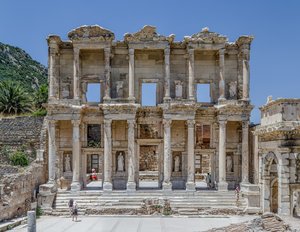
agasias de efeso
Greece
Datos clave
- Artistic Movement Or Style: Hellenismo escultórico
- Artists Or Movements Influenced By This Artist: ['Escultura clásica']
- Artists Who Influenced This Artist: ['Lisíppos']
- Full Name: agasias of ephesus
- Nationality: Griego
- Notable Artworks: ['El Gladiador Borghese']
- Place Of Birth: Greece
Artículos relacionados

Esculturas de Bronce Legendarias: 10 Obras Maestras que Transformaron el Arte | ArtsDot
Descubre las 10 esculturas de bronce más legendarias que revolucionaron el arte. Explora la historia de Rodin, Degas y otros maestros del bronce. Encuentra reproducciones de alta calidad e inspiración para tu hogar en ArtsDot.com.

The Enduring Form: Exploring Themes & Techniques in Sculpture Across Historical Periods
Explore the rich history of sculpture from ancient masterpieces to contemporary innovations. Discover key techniques, influential artists & investment potential for discerning art collectors.

Las 10 Obras Maestras de Bronce que Revolucionaron la Historia del Arte | ArtsDot
Descubre las 10 esculturas de bronce más influyentes de la historia del arte. Explora obras maestras de Rodin, Degas y otros genios. Encuentra reproducciones de arte de calidad museo en ArtsDot.com.

The Enduring Form: Sculpture Across History, Technique & Emotional Resonance
Explore the rich history of sculpture with ArtsDot. Discover key techniques, influential artists & investment potential for discerning collectors. Expert insights into valuing and collecting timeless masterpieces.
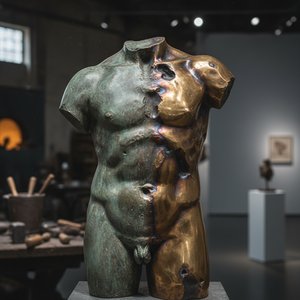
El Legado Duradero de la Escultura en Bronce: Historia, Técnicas e Interpretaciones Contemporáneas
Descubra la historia, las técnicas y el valor de la escultura en bronce. Guía experta para coleccionistas e inversores. Explore obras maestras y aprenda sobre fundición a la cera perdida.

