 Ver en contexto
 Enviar
 Compartir
 Detalles

 Descargar
 Similares
 Radiografía
 Presentación de diapositivas
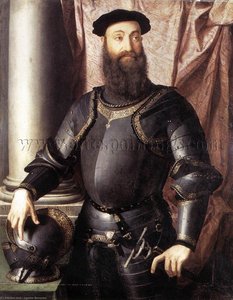
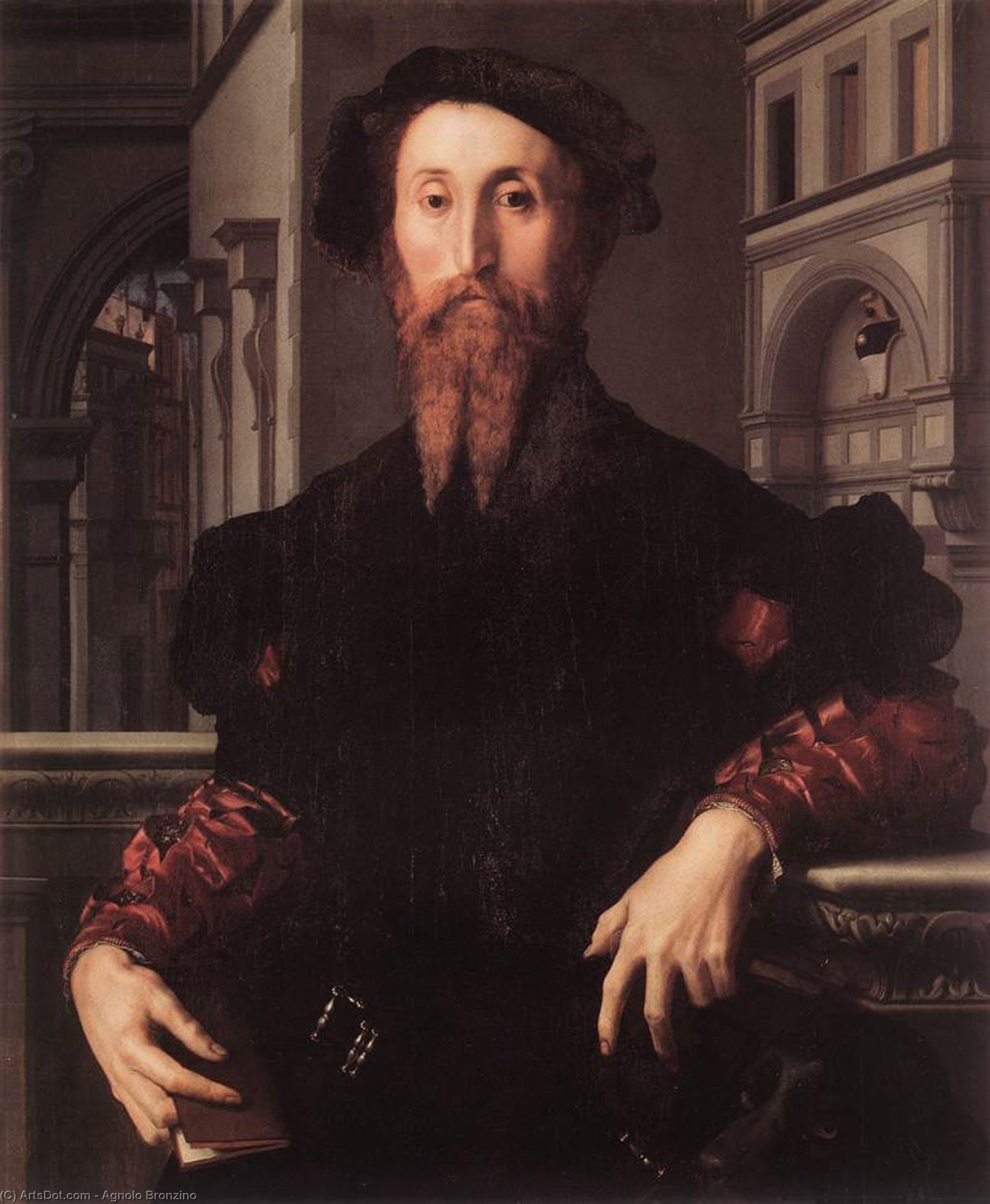
Portrait of Bartolomeo Panciatichi
 Mannerism
 1540
1540 104.0 x 84.0 cm
 Galería de los Uffizi
 Ver más
Giclée / Impresión de arte
Impresiones giclée o en lienzo de calidad de museo con producción rápida y opciones de acabado flexibles. ( Comprar pintura hecha a mano Comprar imagen)




P118B $10

P118H $10

P118W $10

P438Z $10

P508JH $12

P508YH $12

P805H $10

P805Z $10

P919BZ $10

P919G $10

P919XJ $10

P959ZH $10

P968JZ $12

W106C $8

W218G $10

W218JH $8

W218Y $10

W307PJ $10

W316G $10

W316PJ $8

W316Y $10

W398PJ $8

W4111J $10

W500HY $15

W500JH $15

W692G $12

W849H $8

W940BG $15

W953PJ $8




Elija entre nuestros tamaños predefinidos que respetan las proporciones originales de la obra.

Puede introducir sus propias dimensiones para adaptarse a un marco o espacio específico. Si el tamaño seleccionado no coincide con las proporciones de la imagen original, recortaremos la obra de arte o extenderemos la imagen con un borde con efecto espejo o de color sólido. Se enviará una maqueta digital para su aprobación antes de que comience la producción.
Tenga en cuenta que la vista previa en pantalla no refleja el recorte o la extensión real. Solo la maqueta mostrará con precisión la composición final.
Aunque existen tamaños personalizados, recomendamos seleccionar una dimensión de la lista predefinida para preservar las proporciones originales.
Envío a todo el mundo () en 2 semanas en lugar de las 4/5 semanas estándar. (31 agosto)

Envío exprés gratuito a todo el mundo

Lienzo de lino de alta calidad

Seguro de envío total

Garantía de reembolso de impuestos aduaneros

Garantía de fidelidad cromática exacta

Política de devolución de 60 días (solo por defectos)

Garantía de devolución del 100% del dinero

Descuento por cantidad
 La opción de vidrio solo está disponible en tamaños inferiores a 110 cm.

Portrait of Bartolomeo Panciatichi
Giclée / Impresión de arte
Dimensiones de la reproducción
-


Precio total final
$ 62
Portrait of Bartolomeo Panciatichi: A Florentine Masterpiece of Reserved Elegance
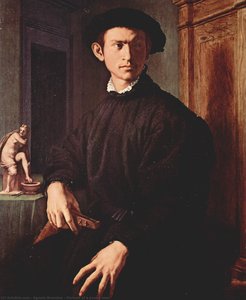
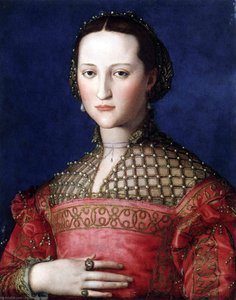
Agnolo Bronzino’s “Portrait of Bartolomeo Panciatichi,” painted in 1540, is more than just a likeness; it's a meticulously crafted distillation of Renaissance ideals – a testament to the power of portraiture as both documentation and carefully constructed symbolism. This captivating work, now housed within the Uffizi Gallery in Florence, offers a rare glimpse into the refined world of Florentine nobility during the height of the Medici’s influence, revealing a masterful command of technique and an astute understanding of human psychology.
The subject himself, Bartolomeo Panciatichi, was a prominent figure – a humanist scholar, diplomat, and politician deeply embedded within Florence's intricate social fabric. Born in France to a merchant family with strong ties to the Medici court, he later became a trusted advisor to Cosimo I de’ Medici, serving as a key link between Florence and France. The portrait captures him at the peak of his influence, radiating an aura of quiet authority and understated wealth. Bronzino doesn't offer us a boisterous celebration of triumph; instead, he presents a carefully controlled image of dignified composure.
A Study in Mannerist Precision
Bronzino’s style is undeniably Mannerist – a movement that prioritized elegance, refinement, and intellectualism over the emotional fervor of the High Renaissance. This portrait exemplifies these characteristics with remarkable precision. The composition is strikingly formal, dominated by strong vertical lines that draw the eye towards Panciatichi's face and figure. Notice the meticulous rendering of textures: the velvet drape, the folds of his clothing, the subtle sheen on his skin – each element is treated with painstaking detail, creating a sense of tactile realism. The use of color is restrained yet sophisticated, relying on rich, deep tones that enhance the portrait’s overall elegance.
Technically, Bronzino employed a technique known as “stiacciato,” where he applied thin layers of paint to create subtle gradations and smooth transitions. This method contributes significantly to the portrait's polished surface and luminous quality. The artist’s brushwork is remarkably controlled, almost sculptural in its precision – a hallmark of his style. The elongated figure, characteristic of Mannerism, subtly emphasizes Panciatichi’s status and intellectual prowess, while the carefully arranged background—a cityscape receding into the distance—provides context without distracting from the central subject.
Symbolic Layers and Courtly Intrigue
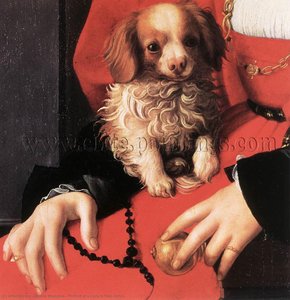
Beyond its technical brilliance, “Portrait of Bartolomeo Panciatichi” is laden with symbolic meaning. The pose itself – leaning casually against a balustrade – suggests both confidence and detachment. The inclusion of the family coat of arms on his attire subtly reinforces his noble lineage. Notably, a young puppy appears at the bottom right, adding an element of playful charm to the otherwise austere scene. This small detail hints at Panciatichi’s role as a father and protector.
Furthermore, the portrait reflects the broader cultural context of Renaissance Florence – a period marked by political intrigue, artistic innovation, and a renewed interest in classical ideals. Bronzino served as the court painter to Cosimo I, and his portraits were commissioned not merely to document likenesses but also to project an image of power, sophistication, and intellectual refinement. The portrait is thus a carefully constructed statement about status, wealth, and the values prized by the Florentine elite.
A Timeless Masterpiece
“Portrait of Bartolomeo Panciatichi” remains a captivating work of art, offering a window into the world of Renaissance Florence and demonstrating Bronzino’s unparalleled skill as a portraitist. Its meticulous detail, elegant composition, and subtle symbolism continue to fascinate viewers today, solidifying its place as one of the most important works in the Uffizi Gallery's collection. Reproductions capture only a fraction of the original’s depth and nuance, but they offer an accessible way to appreciate this enduring masterpiece.
Obras relacionadas
Biografía del artista
Primeros años y formación
Agnolo di Cosimo, conocido como Bronzino, nació en Florencia, Italia, el 17 de noviembre de 1503. Era hijo de un carnicero y comenzó su formación artística con Raffaellino del Garbo, seguido por un aprendizaje con Pontormo, un destacado pintor manierista.Estilo artístico e influencias
El estilo de Bronzino se caracteriza por figuras elegantes, calmadas y reservadas, a menudo carentes de la agitación y emoción que se encuentran en las obras de su maestro, Pontormo. Sus retratos, particularmente los de la élite florentina, son reconocidos por su minuciosa atención al detalle y han influido en el retrato cortesano europeo durante siglos.Obras destacadas
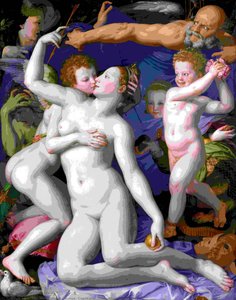
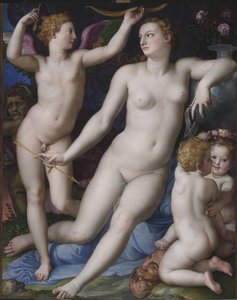
- Venus, Cupido, Falsedad y Tiempo (c. 1544-45), ahora en la Galería Nacional de Londres
- Retratos de Cosimo I de' Medici y su esposa Eleonora di Toledo, que muestran la maestría de Bronzino en el retrato manierista
- Retratos idealizados de los poetas Dante (c. 1530, ahora en Washington, D.C.) y Petrarca
Legado y vida posterior
Bronzino se convirtió en el pintor oficial de la corte del duque de Toscana y permaneció en esta posición durante la mayor parte de su carrera. Fue miembro fundador de la Accademia delle Arti del Disegno en Florencia en 1563. Bronzino falleció el 23 de noviembre de 1572, en Florencia.- Vea más obras de Agnolo Bronzino en https://ArtsDot.com/@/agnolo_bronzino
- Explore el movimiento artístico barroco florentino y su influencia en el arte occidental en https://ArtsDot.com/@@/a@d3cpvx
- Descubra más sobre el movimiento artístico del Renacimiento italiano y su impacto en el arte occidental en /es/art/show/art-d3cpud-es/
Influencia y Evolución Artística
Bronzino, influenciado inicialmente por Pontormo y el manierismo temprano, desarrolló un estilo distintivo caracterizado por la frialdad emocional y una elegancia formal. Su obra evolucionó hacia una mayor claridad y precisión en los detalles, aunque mantuvo su enfoque en la representación idealizada de sus sujetos. Su habilidad para capturar la esencia del poder y la sofisticación cortesana lo convirtió en el retratista preferido de la familia Medici y otras figuras prominentes de la época. Su influencia se extendió por toda Europa, marcando una etapa importante en la historia del retrato cortesano.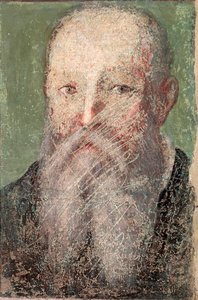
Agnolo Bronzino
1503 - 1572 , Italia
Datos clave
- Artistas Que Influyeron:
- Pontormo
- Raffaellino del Garbo
- Estilo Artístico: Manierismo
- Fecha De Fallecimiento: 23 de noviembre de 1572
- Fecha De Nacimiento: 17 de noviembre de 1503
- Influencia En Artistas: Escuela florentina, retrato cortesano
- Lugar De Nacimiento: Florencia, Italia
- Nacionalidad: Italiana
- Nombre Completo: Agnolo Bronzino
- Obras Notables:
- Venus, Cupido y el Tiempo
- Retratos de Cosimo I
- Retrato de Dante
- Retrato de Petrarca
Artículos relacionados
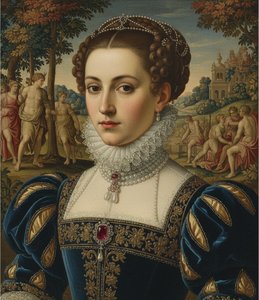
Agnolo Bronzino: Mastering Courtly Portraiture & the Enigmatic Gaze of Renaissance Florence
Explore the captivating world of Agnolo Bronzino, Renaissance master portraitist. Discover his elegant style, symbolic depth & lasting influence on art history. Expert insights for collectors.
Virtud Cívica y Rivalidad Artística: Mecenazgo e Innovación en las Repúblicas Italianas del Renacimiento, 1400–1600
Descubre el Renacimiento italiano: mecenazgo, rivalidad artística y la explosión del humanismo. Análisis experto de artistas clave y su legado cultural. ¡Sumérgete en una época fascinante!
Andrea del Sarto: Florentine Grace, Technical Mastery & Artistic Ambition
Explore the life & art of Andrea del Sarto, a Florentine Renaissance master renowned for harmonious compositions & technical brilliance. Discover his frescoes, portraits, and lasting influence on art history.
Mario Sironi: A Poetic of Modern Italian Identity Through Symbolism & Social Commentary
Explore the profound works of Mario Sironi, a key figure in Italian Modernism. Discover his evolution from Futurism to Metaphysical painting and his powerful social commentary. Learn about his legacy at ArtsDot.
Giovanni Fattori: Realism, Identity & the Tuscan Landscape – A Macchiaioli Master
Explore the life & art of Giovanni Fattori, a leading figure of the Macchiaioli movement. Discover his revolutionary realism, captivating Tuscan landscapes, and lasting impact on Italian painting. Learn more at ArtsDot.