 Ver en contexto
 Enviar
 Compartir
 Detalles

 Descargar
 Similares
 Radiografía
 Presentación de diapositivas
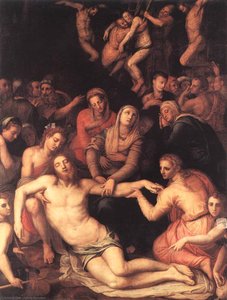
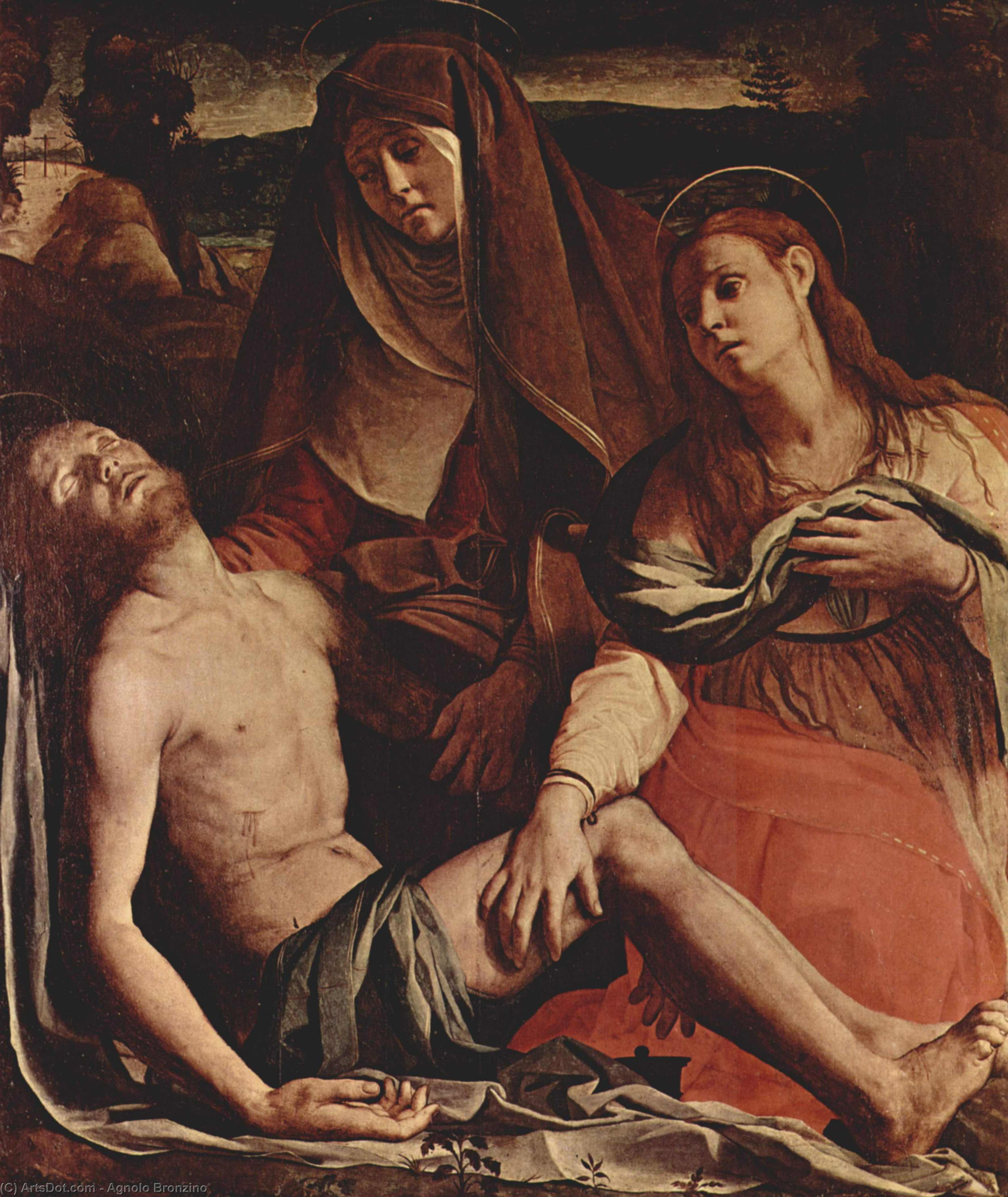
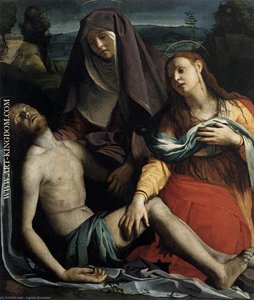
The Dead Christ with the Virgin and St. Mary Magdalene
 Oil
Oil- WallArt
- Mannerism
 1530
1530- Renaissance
 100.0 x 105.0 cm
 Ver más
Giclée / Impresión de arte
Impresiones giclée o en lienzo de calidad de museo con producción rápida y opciones de acabado flexibles. ( Comprar pintura hecha a mano Comprar imagen)




P118B $10

P118H $10

P118W $10

P438Z $10

P508JH $12

P508YH $12

P805H $10

P805Z $10

P919BZ $10

P919G $10

P919XJ $10

P959ZH $10

P968JZ $12

W106C $8

W218G $10

W218JH $8

W218Y $10

W307PJ $10

W316G $10

W316PJ $8

W316Y $10

W398PJ $8

W4111J $10

W500HY $15

W500JH $15

W692G $12

W849H $8

W940BG $15

W953PJ $8




Elija entre nuestros tamaños predefinidos que respetan las proporciones originales de la obra.

Puede introducir sus propias dimensiones para adaptarse a un marco o espacio específico. Si el tamaño seleccionado no coincide con las proporciones de la imagen original, recortaremos la obra de arte o extenderemos la imagen con un borde con efecto espejo o de color sólido. Se enviará una maqueta digital para su aprobación antes de que comience la producción.
Tenga en cuenta que la vista previa en pantalla no refleja el recorte o la extensión real. Solo la maqueta mostrará con precisión la composición final.
Aunque existen tamaños personalizados, recomendamos seleccionar una dimensión de la lista predefinida para preservar las proporciones originales.
Envío a todo el mundo () en 2 semanas en lugar de las 4/5 semanas estándar. (26 agosto)

Envío exprés gratuito a todo el mundo

Lienzo de lino de alta calidad

Seguro de envío total

Garantía de reembolso de impuestos aduaneros

Garantía de fidelidad cromática exacta

Política de devolución de 60 días (solo por defectos)

Garantía de devolución del 100% del dinero

Descuento por cantidad
 La opción de vidrio solo está disponible en tamaños inferiores a 110 cm.

The Dead Christ with the Virgin and St. Mary Magdalene
Giclée / Impresión de arte
Dimensiones de la reproducción
-


Precio total final
$ 62
Descripción de la pieza
A Vision of Sorrow and Grace
In the profound stillness of Agnolo Bronzino’s The Dead Christ with the Virgin and St. Mary Magdalene, we are invited into a moment of eternal mourning, captured with the refined precision that defined the Florentine Mannerist era. Created around 1530, this masterpiece transcends a mere religious depiction to become an intimate study of grief and devotion. The composition centers on the heartbreaking embrace of the Virgin Mary, who cradles the lifeless body of her son, Jesus. This central act of maternal tenderness is framed by the presence of St. Man Mary Magdalene, whose downward gaze and visible sorrow anchor the emotional weight of the scene. Through Bronzino’s lens, the tragedy of the Crucifixion is stripped of its chaotic violence, replaced instead by a somber, sculptural elegance that commands the viewer's silent reverence.
The technique employed in this work reflects the transition from the high Renaissance to the more stylized Mannerist movement. Bronzino, a student of the revolutionary Pontormo, utilizes a sophisticated approach to form and light that gives the figures a marble-like quality. Even when viewed through the lens of historical monochrome or subtle tonal shifts, the anatomical precision is undeniable. The way the light catches the pale, lifeless skin of Christ against the heavy, draped fabrics of the mourners creates a dramatic chiaroscuro effect that breathes life into the tragedy. For the discerning collector, this painting offers a masterclass in how texture and shadow can be used to evoke the tactile reality of cloth and the ethereal weight of spiritual suffering.
Symbolism and the Mannerist Spirit
Beyond its immediate emotional impact, the artwork is rich with the symbolic language of 16th-century Italy. The arrangement of the figures serves as a silent dialogue between the earthly and the divine. The Virgin Mary acts as the bridge between the physical reality of death and the spiritual promise of resurrection. Her stoic yet broken composure reflects the "reserved elegance" for which Bronzino became famous—a style that avoids excessive melodrama in favor of a profound, internalized strength. St. Mary Magdalene, representing the penitent soul, provides the emotional mirror for the viewer, her weeping a testament to the human experience of loss. The secondary figures, positioned at the periphery, create a sense of depth and communal mourning, suggesting that this grief is not solitary but universal.
For interior designers and art enthusiasts looking to curate a space of contemplation, this piece serves as a powerful focal point. Its large scale of 100 x 105 cm allows the intricate details of the drapery and the subtle expressions of the faces to command attention in a gallery or a sophisticated residential setting. A high-quality reproduction of this work does more than decorate a wall; it introduces a sense of historical gravity and intellectual depth. Whether placed in a library, a formal study, or a quiet corner of a living space, The Dead Christ with the Virgin and St. Mary Magdalene brings with it the enduring legacy of the Florentine masters, offering an atmosphere of timelessness and profound aesthetic beauty.
Obras relacionadas
Biografía del artista
Primeros años y formación
Agnolo di Cosimo, conocido como Bronzino, nació en Florencia, Italia, el 17 de noviembre de 1503. Era hijo de un carnicero y comenzó su formación artística con Raffaellino del Garbo, seguido por un aprendizaje con Pontormo, un destacado pintor manierista.Estilo artístico e influencias
El estilo de Bronzino se caracteriza por figuras elegantes, calmadas y reservadas, a menudo carentes de la agitación y emoción que se encuentran en las obras de su maestro, Pontormo. Sus retratos, particularmente los de la élite florentina, son reconocidos por su minuciosa atención al detalle y han influido en el retrato cortesano europeo durante siglos.Obras destacadas
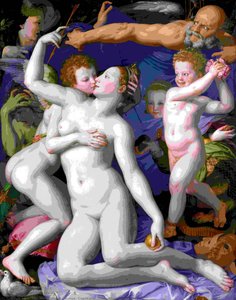
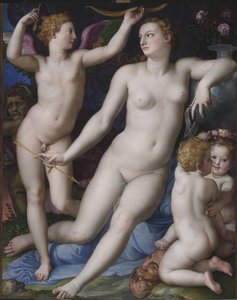
- Venus, Cupido, Falsedad y Tiempo (c. 1544-45), ahora en la Galería Nacional de Londres
- Retratos de Cosimo I de' Medici y su esposa Eleonora di Toledo, que muestran la maestría de Bronzino en el retrato manierista
- Retratos idealizados de los poetas Dante (c. 1530, ahora en Washington, D.C.) y Petrarca
Legado y vida posterior
Bronzino se convirtió en el pintor oficial de la corte del duque de Toscana y permaneció en esta posición durante la mayor parte de su carrera. Fue miembro fundador de la Accademia delle Arti del Disegno en Florencia en 1563. Bronzino falleció el 23 de noviembre de 1572, en Florencia.- Vea más obras de Agnolo Bronzino en https://ArtsDot.com/@/agnolo_bronzino
- Explore el movimiento artístico barroco florentino y su influencia en el arte occidental en https://ArtsDot.com/@@/a@d3cpvx
- Descubra más sobre el movimiento artístico del Renacimiento italiano y su impacto en el arte occidental en /es/art/show/art-d3cpud-es/
Influencia y Evolución Artística
Bronzino, influenciado inicialmente por Pontormo y el manierismo temprano, desarrolló un estilo distintivo caracterizado por la frialdad emocional y una elegancia formal. Su obra evolucionó hacia una mayor claridad y precisión en los detalles, aunque mantuvo su enfoque en la representación idealizada de sus sujetos. Su habilidad para capturar la esencia del poder y la sofisticación cortesana lo convirtió en el retratista preferido de la familia Medici y otras figuras prominentes de la época. Su influencia se extendió por toda Europa, marcando una etapa importante en la historia del retrato cortesano.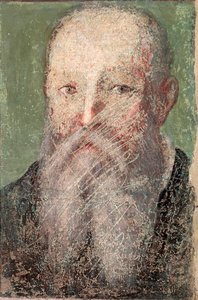
Agnolo Bronzino
1503 - 1572 , Italia
Datos clave
- Artistas Que Influyeron:
- Pontormo
- Raffaellino del Garbo
- Estilo Artístico: Manierismo
- Fecha De Fallecimiento: 23 de noviembre de 1572
- Fecha De Nacimiento: 17 de noviembre de 1503
- Influencia En Artistas: Escuela florentina, retrato cortesano
- Lugar De Nacimiento: Florencia, Italia
- Nacionalidad: Italiana
- Nombre Completo: Agnolo Bronzino
- Obras Notables:
- Venus, Cupido y el Tiempo
- Retratos de Cosimo I
- Retrato de Dante
- Retrato de Petrarca
Artículos relacionados

Fra Angelico: Las 25 Obras Maestras del Renacimiento para Decorar con Arte y Fe
Descubre las 25 obras maestras de Fra Angelico, el pintor renacentista que llenó el arte sacro de luz y fe. Explora su técnica, simbolismo y belleza en frescos e iconos. Encuentra reproducciones de alta calidad para decorar tu hogar con ArtsDot.com.

El Greco: Las 25 Obras Maestras que Definen un Genio del Arte y la Fe
Descubre las 25 obras maestras de El Greco, el genio del Renacimiento español. Explora su arte religioso, manierismo y la historia detrás de cuadros icónicos como 'El Entierro del Conde de Orgaz'. Encuentra reproducciones de alta calidad en ArtsDot.com.
Jacob Henricus Maris: A Master of Dutch Atmospheric Realism & the Intimate Landscape
Explore the captivating world of Jacob Henricus Maris, a leading figure of the Dutch Hague School. Discover his atmospheric landscapes, signature brushstrokes & lasting influence on 19th-century art. Learn more at ArtsDot.
El Crepúsculo del Clasicismo Renacentista: Un Estudio del Estilo y la Afectación en el Manierismo
Descubre el Manierismo: un análisis profundo de este fascinante estilo artístico del Renacimiento tardío. Explora sus características, artistas clave y legado con ArtsDot.

Giotto di Bondone: Las 25 Obras Maestras que Definieron el Renacimiento | ArtsDot
Descubre las 25 obras maestras de Giotto di Bondone, el pionero del Renacimiento. Explora la historia, técnica y simbolismo de sus frescos italianos más icónicos. Encuentra reproducciones de arte exclusivas para decorar tu hogar en ArtsDot.com.