 Ver en contexto
 Enviar
 Compartir
 Detalles

 Descargar
 Similares
 Radiografía
 Presentación de diapositivas
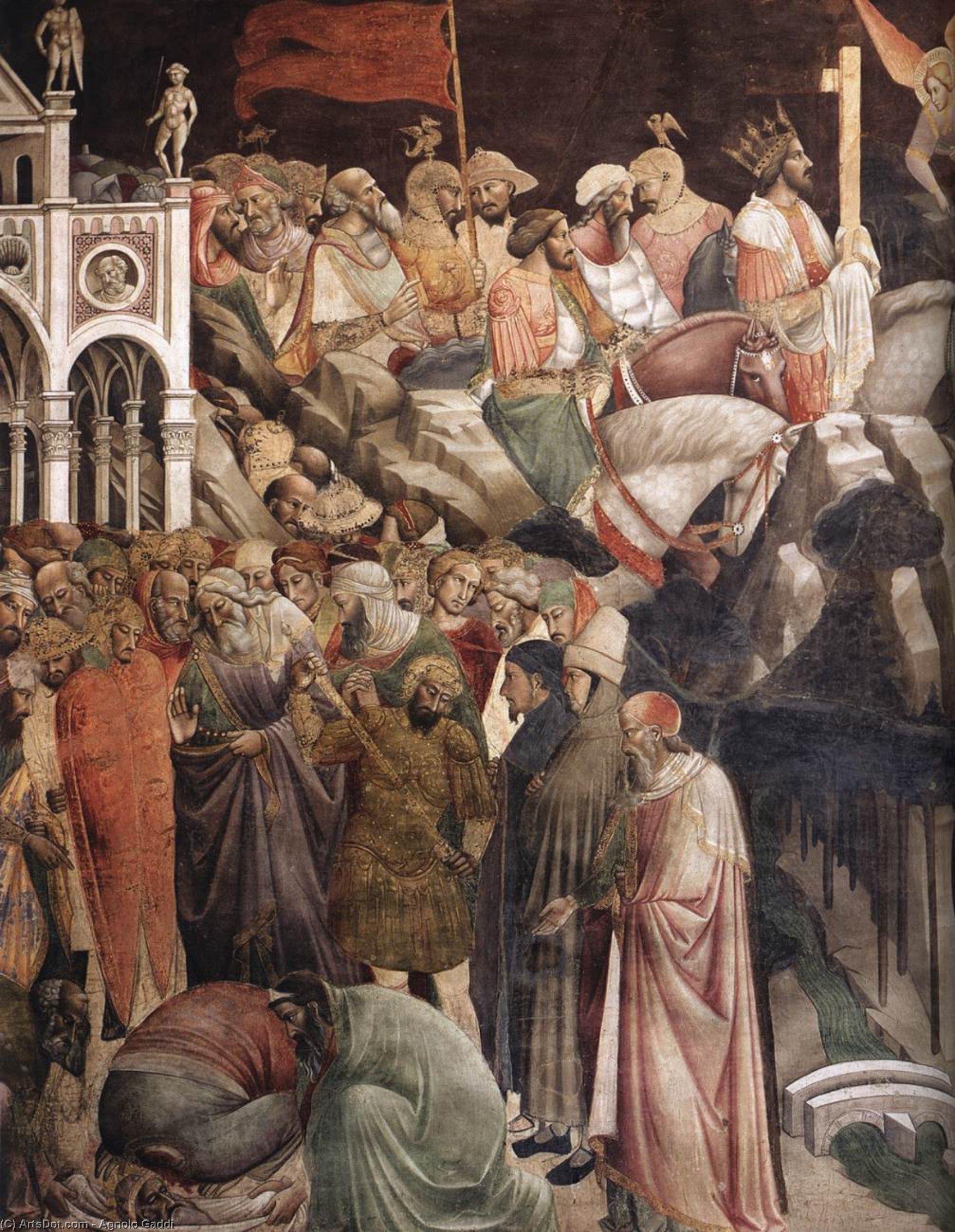
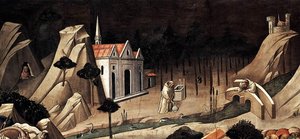
The Triumph of the Cross (detail)


 Ver más
Giclée / Impresión de arte
Impresiones giclée o en lienzo de calidad de museo con producción rápida y opciones de acabado flexibles. ( Comprar pintura hecha a mano Comprar imagen)




P118B $10

P118H $10

P118W $10

P438Z $10

P508JH $12

P508YH $12

P805H $10

P805Z $10

P919BZ $10

P919G $10

P919XJ $10

P959ZH $10

P968JZ $12

W106C $8

W218G $10

W218JH $8

W218Y $10

W307PJ $10

W316G $10

W316PJ $8

W316Y $10

W398PJ $8

W4111J $10

W500HY $15

W500JH $15

W692G $12

W849H $8

W940BG $15

W953PJ $8




Elija entre nuestros tamaños predefinidos que respetan las proporciones originales de la obra.

Puede introducir sus propias dimensiones para adaptarse a un marco o espacio específico. Si el tamaño seleccionado no coincide con las proporciones de la imagen original, recortaremos la obra de arte o extenderemos la imagen con un borde con efecto espejo o de color sólido. Se enviará una maqueta digital para su aprobación antes de que comience la producción.
Tenga en cuenta que la vista previa en pantalla no refleja el recorte o la extensión real. Solo la maqueta mostrará con precisión la composición final.
Aunque existen tamaños personalizados, recomendamos seleccionar una dimensión de la lista predefinida para preservar las proporciones originales.
Envío a todo el mundo () en 2 semanas en lugar de las 4/5 semanas estándar. (4 septiembre)

Envío exprés gratuito a todo el mundo

Lienzo de lino de alta calidad

Seguro de envío total

Garantía de reembolso de impuestos aduaneros

Garantía de fidelidad cromática exacta

Política de devolución de 60 días (solo por defectos)

Garantía de devolución del 100% del dinero

Descuento por cantidad
 La opción de vidrio solo está disponible en tamaños inferiores a 110 cm.

The Triumph of the Cross (detail)
Giclée / Impresión de arte
Dimensiones de la reproducción
-


Precio total final
$ 62
A Glimpse into Florentine Faith: Agnolo Gaddi’s Triumph of the Cross
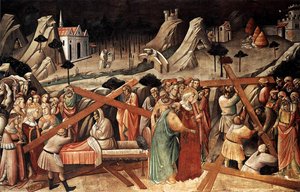
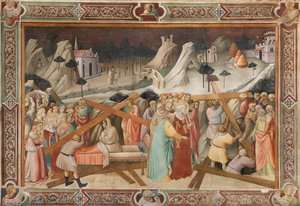
The fresco known as “The Triumph of the Cross,” painted by Agnolo Gaddi around 1380 in the Basilica of Santa Croce in Florence, isn't merely a depiction of a pivotal biblical event; it’s a vibrant window into the artistic and spiritual landscape of early Renaissance Italy. Commissioned for the chapel of San Leonardo, this monumental work embodies the burgeoning humanist spirit while retaining the deeply rooted Gothic traditions that shaped Florentine art during its formative years. Gaddi, as the last major follower of Giotto's style, masterfully bridged the gap between the late medieval and the nascent Renaissance, imbuing his fresco with a sense of dynamic movement and profound emotional resonance.
The scene unfolds with an arresting energy – not a static representation of suffering, but a palpable drama centered around the central cross. The composition is meticulously structured, drawing the viewer’s eye along a carefully orchestrated diagonal from the lower left corner, where figures gather in solemn contemplation, towards the apex of the cross itself. This deliberate arrangement creates a powerful sense of depth and directs our gaze to the heart of the narrative: the moment of Christ's sacrifice. Gaddi’s mastery lies not just in his technical skill but also in his ability to convey the weight of this event through gesture, expression, and the interplay of light and shadow.
A Symphony of Color and Technique
Gaddi’s technique is a fascinating blend of Giotto's naturalism and the emerging innovations of the Renaissance. He employs a vibrant palette – rich reds, deep blues, and earthy greens – to depict the figures and architectural elements with remarkable realism. Notice particularly the subtle gradations of color in the drapery, which create a sense of volume and texture that brings the clothing to life. The fresco’s application is characterized by a delicate layering of pigments, achieved through meticulous glazing techniques—a hallmark of Gaddi's style. This layering allows light to penetrate deeply into the paint surface, producing an astonishing luminosity that seems to emanate from within the figures themselves.
The artist skillfully utilizes *sfumato*, a technique borrowed from Leonardo da Vinci, to soften outlines and create atmospheric effects. This is most evident in the background architecture, where the buildings recede into the distance with a hazy quality, contributing to the fresco’s overall sense of depth and perspective. The use of *chiaroscuro* – the dramatic contrast between light and dark – further enhances the emotional impact of the scene, highlighting key figures and emphasizing the solemnity of the event.
Symbolism and Spiritual Depth
Beyond its technical brilliance, “The Triumph of the Cross” is laden with symbolic meaning. The presence of numerous figures—including saints, angels, and ordinary people—represents the universality of Christ’s sacrifice and its relevance to all humanity. The inclusion of specific details, such as the depiction of Saint Bernard preaching and Saint Catherine of Alexandria offering prayers, underscores the importance of faith and devotion within the Florentine community. The central cross itself is not simply a symbol of death but also of resurrection—a potent reminder of hope and redemption.
The figures are arranged in a carefully choreographed manner, each contributing to the overall narrative. Note how the gestures of the figures – hands raised in prayer, faces filled with sorrow or awe – convey a range of emotions that resonate deeply with the viewer. The artist’s ability to capture these subtle nuances of expression is a testament to his profound understanding of human psychology and his deep-seated faith.
A Legacy of Florentine Art
“The Triumph of the Cross” stands as a pivotal work in the transition from Gothic to Renaissance art. While firmly rooted in the traditions of Giotto, Gaddi’s fresco demonstrates a willingness to experiment with new techniques and approaches— foreshadowing the innovations that would characterize the High Renaissance. It is a testament to the artistic vitality of Florence during this period and a powerful reminder of the enduring power of faith and symbolism. Reproductions of this magnificent fresco offer a captivating glimpse into the heart of Florentine culture and the profound spiritual beliefs that shaped its artistic legacy.
Obras relacionadas

Biografía del artista
Biografía y Contribuciones Artísticas
Agnolo Gaddi, pintor italiano originario de Florencia, vivió entre 1350 y 1396. Hijo de Taddeo Gaddi, un destacado discípulo del renombrado maestro florentino Giotto, Agnolo estaba destinado a la grandeza artística desde su nacimiento. Se convirtió en el último gran pintor florentino estilísticamente descendiente de Giotto, influyendo en el mundo del arte con sus prolíficas obras.
Contribuciones Artísticas Destacadas
- Influencia en Cennino Cennini: Entre los alumnos de Agnolo se encontraba Cennino Cennini, autor de un tratado de arte influyente. Esto resalta el impacto de Agnolo en el desarrollo de técnicas y teorías artísticas.
- Frescos en Santa Croce, Florencia: La obra de Agnolo puede encontrarse en el coro de Santa Croce en Florencia, testimonio de su habilidad en composiciones a gran escala e intrincadas.
Estilo Artístico y Movimiento
El estilo de Agnolo Gaddi se caracteriza por:
- Influencia del Arte Gótico: Su obra refleja el movimiento artístico gótico, con énfasis en la iluminación dramática, las texturas detalladas y un enfoque en los temas religiosos.
- Transición al Renacimiento Temprano: Aunque principalmente un pintor gótico, sus obras posteriores muestran indicios del estilo renacentista emergente, marcándolo como una figura de transición en la historia del arte italiano.
Vida y Desarrollo Artístico
Nacido alrededor de 1350 en Florencia, Agnolo Gaddi creció en un entorno artístico familiar. Su padre, Taddeo Gaddi, fue un importante discípulo de Giotto, lo que expuso a Agnolo desde temprana edad al arte innovador y expresivo del maestro Giotto. Recibió su formación inicial en el taller de su padre, donde aprendió las técnicas tradicionales de la pintura. Posteriormente, continuó sus estudios con otros pintores destacados de la época.
Agnolo se destacó por su habilidad para combinar elementos góticos con una creciente sensibilidad hacia los principios del Renacimiento. Sus obras tempranas muestran una fuerte influencia de Giotto, pero a medida que avanzaba en su carrera, desarrolló un estilo propio caracterizado por composiciones complejas, figuras expresivas y una atención meticulosa al detalle.
Trabajó principalmente en Florencia, donde pintó retablos y frescos para diversas iglesias e instituciones religiosas. Su trabajo en la basílica de Santa Croce es particularmente notable, con sus elaborados frescos que narran leyendas relacionadas con la Vera Cruz. También realizó encargos para clientes adinerados, incluyendo a la familia Medici.
Logros Mayores y Legado
Entre los logros más importantes de Agnolo Gaddi se encuentran:
- Frescos en Santa Croce: Su ciclo de frescos en Santa Croce es considerado una obra maestra del arte gótico florentino.
- Influencia en Cennino Cennini: La formación de Cennino Cennini, autor de un influyente tratado sobre pintura, demuestra la importancia de Agnolo como maestro y transmisor de conocimientos artísticos.
- Transición entre estilos: Su capacidad para fusionar elementos góticos con principios renacentistas lo convierte en una figura clave en la transición del arte italiano hacia el Renacimiento.
Agnolo Gaddi falleció en Florencia en 1396, dejando un legado como uno de los pintores más talentosos de la época gótica tardía. Su obra continúa siendo admirada por su belleza, complejidad y significado histórico.
Recursos Adicionales
- Giorgio Vasari's "Lives of the Most Excellent Painters, Sculptors, and Architects": Agnolo Gaddi aparece en esta obra fundamental, consolidando aún más su lugar en la historia del arte.
- The Museum Silvano Lodi Collection (Campione, Italy): Aunque no se centra específicamente en Agnolo Gaddi, esta colección ofrece una visión general del arte italiano de varios períodos, incluido el gótico.
- Para obtener más información sobre la influencia de Agnolo Gaddi y el contexto de su época, explore el Museo Ognissanti (Florencia, Italia), que proporciona información sobre el entorno cultural y religioso que moldeó su arte.
- Vea ejemplos de arte gótico, incluyendo obras de Giotto di Bondone, en el tríptico de Stefanéschi. Martirio de San Pedro y otras piezas en la colección de ArtsDot.
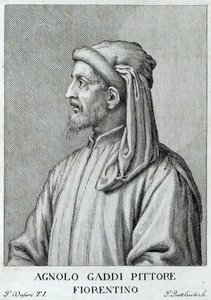
Agnolo Gaddi
1350 - 1396 , Italia
Datos clave
- Artistas Que Influyeron:
- Giotto di Bondone
- Taddeo Gaddi
- Fecha De Fallecimiento: 1396
- Fecha De Nacimiento: c. 1350
- Influenciado A: ['Cennino Cennini']
- Lugar De Nacimiento: Florencia, Italia
- Movimiento Artístico: Gótico, Renacimiento temprano
- Nacionalidad: Italiana
- Nombre Completo: Agnolo Gaddi
- Obras Notables:
- Frescos en Santa Croce
- Madonna Enthroned
- Leyendas de la Cruz
- Madonna de Humildad
Artículos relacionados

Legado en las Paredes: Frescos Familiares que Trascienden el Tiempo
Descubre el arte del fresco muralístico para inmortalizar tu historia familiar. Expertos en frescos personalizados y técnicas ancestrales. Crea un legado visual único con .

The Enduring Legacy of Fresco Painting: Techniques, History & Contemporary Relevance
Explore the rich history & enduring artistry of fresco painting – from Giotto to Michelangelo! Discover techniques, conservation efforts, & modern applications. Learn how ArtsDot brings this timeless art form to your home.

The Enduring Legacy of Fresco: Technique, History & Artistic Expression Across Cultures
Explore the rich history & enduring legacy of fresco painting! Discover ancient techniques, Giotto's masterpieces, and modern applications. Expert insights for art lovers & professionals.

¿El Arte que Habita Contigo: El Poder Emocional de un Fresco Interior Personalizado?
Descubre el poder emocional de un fresco interior personalizado. Expertos en arte te guían para crear una obra única que refleje tu estilo y valore tu hogar. : calidad, confianza y diseño excepcional.
El Fresco a Través de los Siglos: Técnica, Historia y Expresión Artística Duradera
Descubre la historia y técnica del fresco, desde sus orígenes en la antigüedad hasta los maestros renacentistas. Guía completa sobre conservación, restauración y el legado artístico de este arte milenario.