

 Ver en contexto
 Enviar
 Compartir
 Detalles

 Descargar
 Similares
 Radiografía
 Presentación de diapositivas
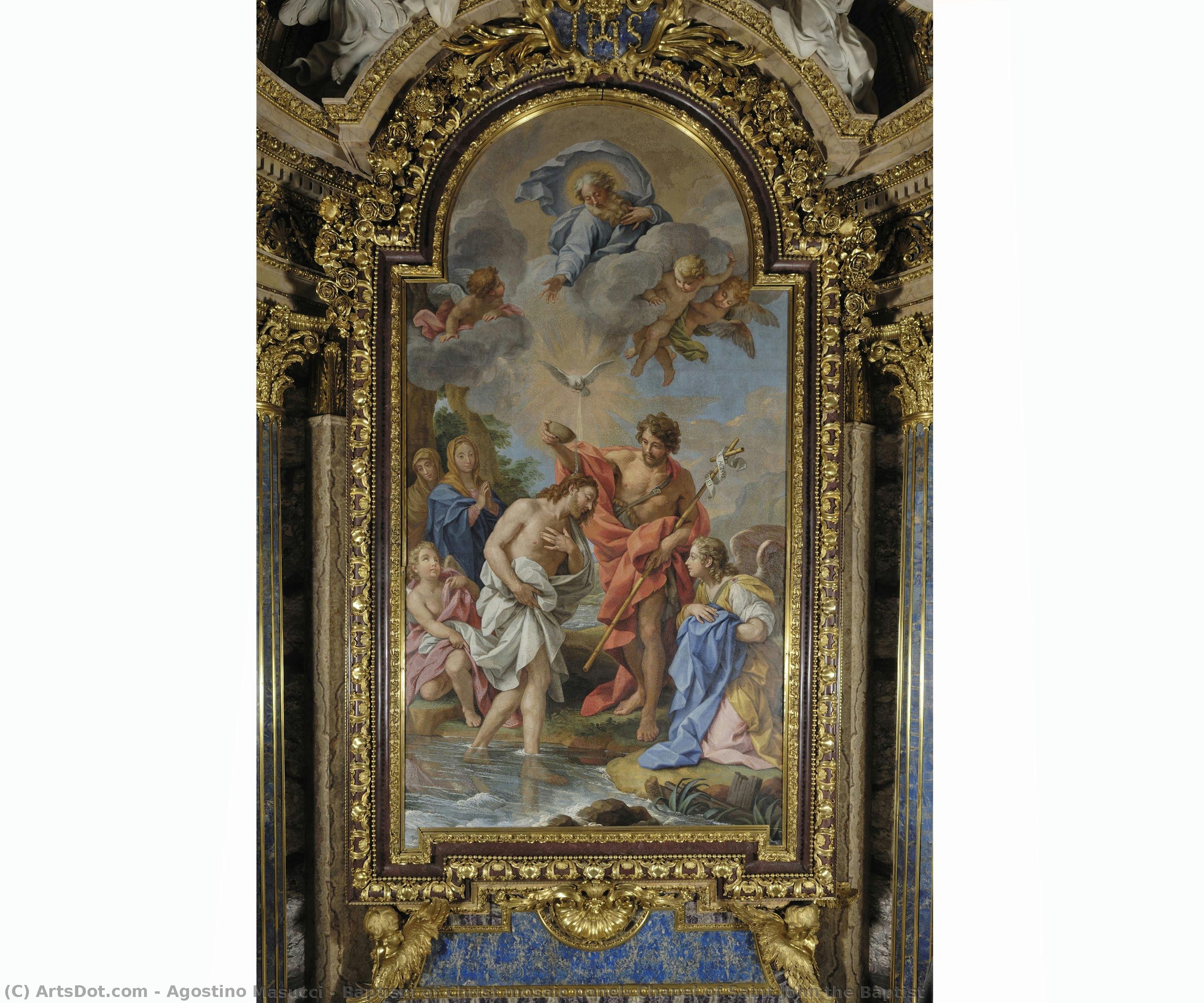
Baptism of Christ mosaic panel, Chapel of Saint John the Baptist


 Ver más
Reproducción al óleo hecha a mano
Óleo sobre lienzo pintado a mano en el tamaño y marco de su elección, realizado por encargo por nuestros artistas. ( Comprar impresión Comprar imagen)




































Elija entre nuestros tamaños predefinidos que respetan las proporciones originales de la obra.

Puede ingresar sus propias dimensiones para adaptarse a un marco o espacio específico. Si el tamaño seleccionado no coincide con las proporciones de la imagen original, recortaremos la obra o extenderemos la pintura con elementos adicionales pintados a mano. Se le enviará una maqueta digital para su aprobación antes de comenzar la producción.
Tenga en cuenta que la vista previa en pantalla no refleja el recorte o la extensión reales. Solo la maqueta mostrará con precisión la composición final.
Si bien existen tamaños personalizados, recomendamos seleccionar una dimensión de la lista predefinida para preservar las proporciones originales.
Tras realizar el pedido, el equipo de ArtsDot.com enviará un correo electrónico al cliente para solicitar instrucciones y proporcionarle una vista previa del boceto.
Envío a todo el mundo () en 3-4 semanas en lugar de las 5 semanas estándar. (28 agosto). Sin comprometer la calidad.

Envío exprés gratuito a todo el mundo

Lienzo de lino de alta calidad

Seguro de envío total

Garantía de reembolso de impuestos aduaneros

Garantía de fidelidad cromática exacta

Política de devolución de 60 días (solo por defectos)

Garantía de devolución del 100% del dinero

Descuento por cantidad
 La opción de vidrio solo está disponible en tamaños inferiores a 110 cm.

Baptism of Christ mosaic panel, Chapel of Saint John the Baptist
Técnica de reproducción
Dimensiones de la reproducción
-


Precio total final
$ 263
Obras relacionadas




Biografía del artista
Agostino Masucci: A Baroque Visionary Shaping Lisbon’s Glory
Agostino Masucci (1691-1758) stands as a pivotal figure in the late Baroque and Rococo artistic landscape of Rome, leaving an indelible mark on religious painting and architectural grandeur. Born in Rome amidst the burgeoning artistic fervor of his era, Masucci's formative years were spent honing his craft under the tutelage of Andrea Procaccino, establishing a foundation for his subsequent collaborations with Carlo Maratta – arguably the most influential painter of his time – within Maratta’s prestigious studio. This association cemented his position at the forefront of Baroque artistic innovation and propelled him toward recognition as one of Rome's leading artists.Early Life and Artistic Training
Born in Rome, Agostino Masucci received an exceptional education for his time, primarily thanks to the guidance of Andrea Procaccino, a celebrated sculptor and painter who instilled in him a deep appreciation for classical ideals and artistic rigor. Procaccino’s influence extended beyond mere instruction; he fostered Masucci's intellectual curiosity and encouraged him to engage with humanist thought – values that would permeate his entire artistic career. Recognizing Masucci’s talent, Procaccino introduced him to Carlo Maratta, whose studio became a crucible of Baroque artistry, shaping Masucci’s stylistic sensibilities and propelling him toward unparalleled renown. Furthermore, Masucci's enrollment in the Accademia di San Luca in 1706 demonstrated his commitment to scholarly pursuits and solidified his connection with fellow artists dedicated to elevating artistic excellence. His subsequent triumph at the Academy’s competition – securing a second prize – underscored his burgeoning mastery of technique and established him as one of Rome’s most promising young talents.Collaboration with Carlo Maratta and Artistic Style
Masucci's partnership with Carlo Maratta proved transformative, fostering a symbiotic relationship that yielded masterpieces of Baroque grandeur. Together, they honed Maratta’s style—characterized by meticulous detail, dramatic lighting, and idealized figures—further refining Masucci’s artistic vision. This collaboration extended beyond stylistic emulation; it fostered intellectual exchange and cemented their shared belief in the power of art to convey profound spiritual truths. Masucci's paintings exemplify the Baroque aesthetic's hallmark features: opulent drapery, dynamic compositions, and emotionally charged expressions – elements that reflect Maratta’s unwavering commitment to artistic perfection. His style blended classical influences with Baroque conventions, resulting in works imbued with both elegance and emotional intensity.Notable Commissions and Architectural Patronage
Masucci’s prolific output encompassed a diverse range of commissions, primarily focused on churches throughout Rome. He produced evocative oval paintings for Santa Maria in Via Lata and captivating works in San Francesco di Paola, San Marcello al Corso, Santa Maria del Popolo, Santissimo Nome di Maria in Via Latina and Santa Maria Maggiore – each imbued with the characteristic grandeur and emotional depth of Baroque painting. These canvases showcased Masucci’s unparalleled skill in capturing human emotion and conveying religious fervor—a testament to his artistic prowess. Beyond his individual achievements, Masucci served as a tutor to prominent artists like Stefano Pozzi, Johann Zoffany, and Gavin Hamilton, contributing to the transmission of artistic knowledge and fostering stylistic developments that would resonate throughout subsequent generations. His academic style blended elements of Baroque tradition with nascent neoclassical influences, reflecting the evolving tastes of his time.The Chapel of Saint John the Baptist in Lisbon
Perhaps Masucci’s most ambitious undertaking was his collaboration with Filippo Juvarra and Luigi Vanvitelli on the design and construction of the Chapel of Saint John the Baptist in Lisbon – a project destined to become one of the most opulent and costly religious spaces of its time. This monumental commission demanded meticulous attention to detail, resulting in three magnificent mosaic panels depicting scenes from biblical narratives—a testament to Masucci’s mastery of technique and his ability to translate theological concepts into breathtaking visual splendor. The chapel's completion in 1750 cemented Masucci’s legacy as an artist capable of elevating religious devotion through artistic excellence. His involvement underscored the importance of artistic patronage in shaping cultural landmarks and commemorating significant historical events.Legacy and Influence
Agostino Masucci died in Rome on October 19, 1758, leaving behind a substantial body of work that continues to inspire admiration for its masterful execution and profound spiritual resonance—a testament to Agostino Masucci’s enduring contribution to the Baroque aesthetic. His influence extended beyond his individual achievements, shaping the artistic sensibilities of younger generations and fostering stylistic developments that would resonate throughout subsequent centuries. He remains recognized as one of Rome's foremost artists, embodying the ideals of Baroque grandeur and artistic innovation—a figure whose legacy endures as a beacon of creative excellence.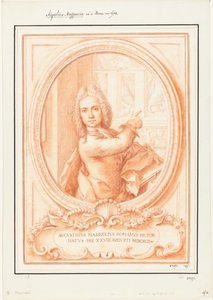
Agostino Masucci
1691 - 1758 , Italia
Datos clave
- Artistic Movement Or Style: Barroco Internacional
- Artists Or Movements Influenced By This Artist: ['Pompeo Batoni']
- Artists Who Influenced This Artist:
- Andrea Procaccino
- Carlo Maratta
- Date Of Birth: 1691
- Date Of Death: October 19, 1758
- Full Name: Agostino Masucci
- Nationality: Italiano
- Notable Artworks:
- El Retablo del Bendito Agostino Novello
- Detalle de dos ángeles en el mosaico del Bautismo de Cristo
- Mosaico del Bautismo de Cristo
- Place Of Birth: Roma, Italia

