

 Ver en contexto
 Enviar
 Compartir
 Detalles

 Descargar
 Similares
 Radiografía
 Presentación de diapositivas
 Stats
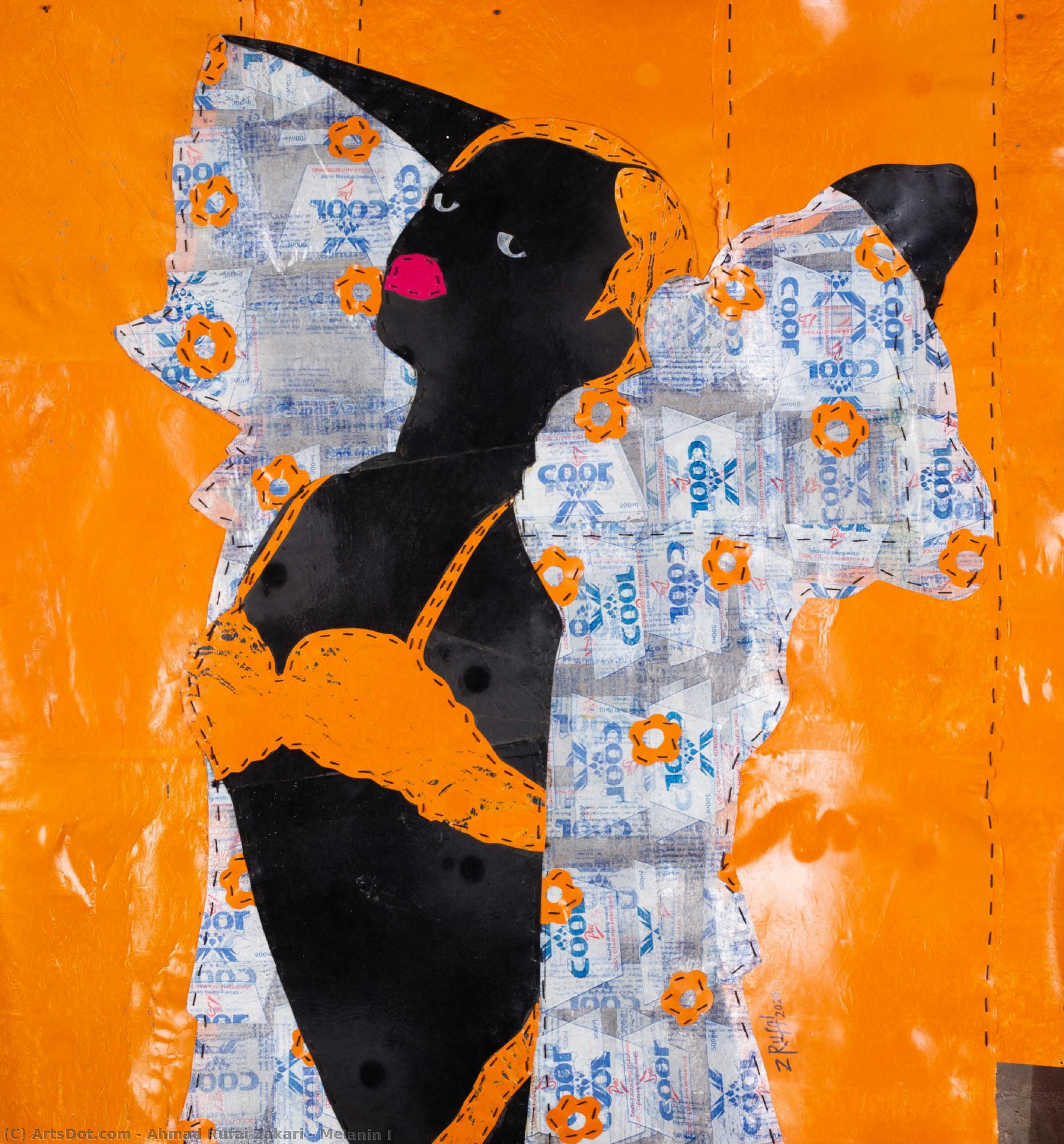
StatsMelanin I
 Collage
- WallArt
- Contemporary Art
 2020
2020- Contemporary
 94.0 x 99.0 cm
 Nubuke Foundation
 Ver más
Adquiera una imagen digital de alta resolución y optimizada, muy superior a la vista previa en línea.
Cada archivo es preparado meticulosamente por nuestros especialistas internos mediante el uso de herramientas avanzadas y un experto retoque manual. Nos aseguramos de que cada imagen posea una claridad excepcional, una precisión cromática impecable y un detalle minucioso.
El archivo final se entrega por correo electrónico en un plazo de 72 horas, optimizado para su uso inmediato en entornos profesionales, editoriales y de impresión. Esta es la misma calidad en la que confían los estudios de diseño, las editoriales y las galerías de primer nivel.
Imagen Digital
Descarga un archivo de alta resolución para exhibición personal, impresión y proyectos creativos. ( Switch to Print Comprar pintura hecha a mano)
Incluido en cada pedido de imágenes digitales
Entrega digital experta, garantizada.
Al elegir ArtsDot.com, no solo está adquiriendo una imagen; está recibiendo una obra de arte digital mejorada profesionalmente, elaborada con precisión y respaldada por una garantía de satisfacción. Esto es todo lo que incluye su pedido, automáticamente:

Entrega rápida por email
Recibirá su archivo de imagen digital en alta resolución por correo electrónico en un plazo de 72 horas tras realizar su pedido, listo para su uso inmediato.

Archivo digital optimizado por IA
Su obra de arte se optimiza profesionalmente mediante herramientas avanzadas de IA y edición manual, garantizando el máximo detalle, claridad y precisión cromática.

Reenvío gratuito de por vida
¿Has borrado o perdido tu archivo por error? No te preocupes: te lo volveremos a enviar en cualquier momento, sin coste adicional.

Sin gastos de importación, siempre
Disfrute de su obra de arte al instante sin aduanas, aranceles ni gastos de envío; las descargas digitales siempre están libres de impuestos.

Garantía de fidelidad de color
Garantizamos que su imagen digital refleje los colores originales con la mayor fidelidad posible, mediante el uso de herramientas profesionales y gestión del color.

Garantía de satisfacción de 100 días
Si no está satisfecho con su imagen digital, la revisaremos o le reembolsaremos el 100% en un plazo de 100 días, sin preguntas.

100% Garantía de devolución de dinero
¿No está satisfecho? Obtenga un reembolso completo dentro de los 100 días posteriores a la recepción de su archivo digital, sin preguntas.

Descuentos por pedidos grandes
Compra 3 imágenes, ahorra 10% - Compra 5, ahorra 15% - Compra 10+, ahorra 20%. Ideal para proyectos creativos, galerías y agencias.
A Symphony of Waste and Beauty
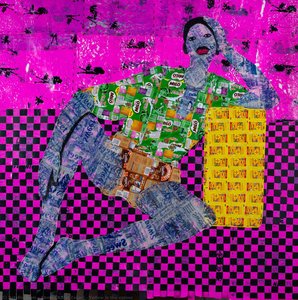
In the captivating piece Melanin I, Ghanaian artist Ahmad Rufai Zakari invites us into a world where the discarded becomes divine. At first glance, the viewer is met with the vibrant, rhythmic presence of a woman, her dark hair and bright yellow bikini top creating a striking focal point that radiates energy and movement. She appears caught in a moment of pure, uninhibited dance, her arms outstretched as if embracing the very air around her. Yet, as one draws closer, the true magic of the work reveals itself through its unconventional skin. This is not merely a painting; it is a complex, tactile tapestry woven from the remnants of modern life. Zakari masterfully utilizes single-use plastics, food packages, and found paper to construct the figure, transforming the debris of consumerism into a breathtakingly beautiful human form.
The technique employed in Melanin I is nothing short of revolutionary, bridging the gap between environmental activism and fine art. By repurposing plastic bags and bottles, Zakari creates a multidimensional surface that plays with light and shadow in ways traditional oils cannot. The texture is rugged yet intentional, where the glossy sheen of a plastic wrapper might mimic the luster of skin, or the crinkle of a discarded package provides the structural depth of fabric. This collage-like approach lends the work an organic, breathing quality, making the subject feel as though she is emerging directly from the environmental landscape she inhabits. The inclusion of subtle background elements, such as the clock and nearby bottles, adds layers of narrative complexity, suggesting the relentless march of time and the omnipresence of industrial waste in our daily lives.
Symbolism and Social Resonance
Beyond its aesthetic allure, Melanin I serves as a profound social commentary on the contemporary Ghanaian experience. Zakari, a pioneer of eco-art, uses his medium to critique the perils of rapid industrialization and the ecological footprint of global trade. The choice of materials is deeply symbolic; each piece of plastic used in the composition carries the weight of its former life as a transient, disposable object. By elevating these "worthless" fragments into a celebrated portrait of femininity, the artist challenges us to reconsider our relationship with consumption and waste. There is a poignant tension here between the joy of the dancing figure and the heavy reality of the materials used to create her, prompting a reflection on how much of our beauty and progress is built upon the environmental costs we often choose to ignore.
For the discerning collector or interior designer, this artwork offers more than just visual impact; it provides a conversation piece that resonates with the modern values of sustainability and social consciousness. The dynamic composition and bold color palette make it an ideal centerpiece for a sophisticated contemporary space, adding both texture and intellectual depth to a room. To own a reproduction of Melanin I is to possess a fragment of a vital movement in African contemporary art—a movement that seeks to reimagine the future by healing the scars of the past through creativity and resilience.
Obras relacionadas







Biografía del artista
The Alchemy of Waste: The Visionary Art of Ahmad Rufai Zakari
In the vibrant landscape of contemporary Ghanaian art, few voices resonate with as much tactile urgency and social depth as Ahmad Rufai Zakari. Born in Ghana in 1990, Zakari has emerged not merely as a creator of images, but as an alchemist of the discarded. His practice is a profound engagement with the realities of modern existence, specifically the environmental and human costs of global consumerism. Growing up amidst the shifting tides of Ghanaian society, Zakari witnessed firsthand the pervasive impact of industrialization—the way single-use plastics, once convenient, become permanent scars upon the landscape. This observation became the seed for an artistic journey that seeks to transform the ephemeral debris of modern life into enduring monuments of human dignity.
Zakari’s medium is perhaps his most radical statement. Eschewing traditional oils or acrylics, he utilizes a sophisticated form of collage and assemblage, meticulously repurposing single-use plastics—bags, food packaging, water sachets, and bottles—to construct his figures. This technique is far more than an aesthetic choice; it is a deliberate act of environmental stewardship. By trimming these found objects into precise shapes and stitching them together with rope and needle, he creates a textured, multidimensional surface that mimics the depth of fine art painting while retaining the raw, physical reality of its components. In his hands, the very materials that threaten our ecosystems are reborn as canvases of beauty, forcing the viewer to confront their own relationship with consumption and the culture of disposability.
Reimagining Identity Through Plastic and Thread
The subjects of Zakari’s work are often powerful, dynamic portraits of women, particularly Black women, who serve as vessels for themes of resilience, strength, and defiance. His compositions frequently feature figures in motion or poised with a commanding presence, embodying aspirations for liberation and empowerment. Through his use of vibrant, often clashing colors found within plastic wrappers, he creates a visual rhythm that feels both contemporary and deeply rooted in the aesthetic traditions of African textiles and folklore. These portraits are not mere representations; they are reimagined icons that challenge conventional perspectives on femininity and social status.
Several of his works stand as pillars of his creative achievement, each exploring different facets of the human condition:
- Janet: A mesmerizing masterpiece that functions as a complex, tactile tapestry. In this piece, Zakari explores themes of carelessness and transgression, using the textures of food packages to create a figure that is both fragile and indomitable.
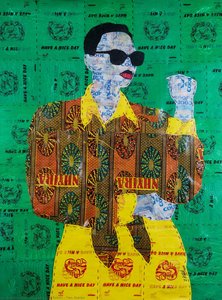
- Zakiya: A vibrant celebration of modernity where the boundaries between waste and wonder dissolve. Clad in a brilliant yellow shirt, the subject stands as a beacon of joy against a lush backdrop, illustrating how beauty can be reclaimed from the overlooked.
- Hawa One: A work that invites the viewer into a world where the discarded becomes divine, featuring a serene presence draped in luminous colors that radiate warmth and spiritual depth.
- Melanin I: An energetic exploration of movement and identity, where the rhythmic presence of a dancing figure captures the uninhibited spirit of life amidst the remnants of consumer culture.
A Legacy of Social Commentary and Artistic Evolution
The evolution of Zakari’s style reveals a deep connection to the history of collage, drawing subtle inspirations from Surrealist pioneers such as Kurt Schwitters and Max Ernst. However, he has moved beyond mere imitation to create a uniquely African narrative that addresses the specificities of labor exploitation and environmental degradation in contemporary Ghana. His work sits at the intersection of fine art and activism, where every stitch of thread and every fragment of plastic serves as a critique of the pervasive culture of waste.
As his practice continues to develop, Zakari’s historical significance lies in his ability to bridge the gap between the environmental crisis and the human spirit. He compels us to look closer at what we cast aside, suggesting that within the wreckage of modern consumerism, there exists the potential for profound rebirth. Through his innovative technique and unflinching social gaze, Ahmad Rufai Zakari ensures that the voices of the marginalized and the stories of our changing planet are not just heard, but seen in all their textured, brilliant glory.
ahmad rufai zakari
1990 - , Ghana
Breves datos
- Artistic Movement Or Style: Plastic Collage Art
- Full Name: Ahmad Rufai Zakari
- Nationality: Ghanaian
- Notable Artworks:
- Janet
- Yellow is the colour
- Place Of Birth: Ghana