

 Ver en contexto
 Enviar
 Compartir
 Detalles

 Descargar
 Similares
 Radiografía
 Presentación de diapositivas
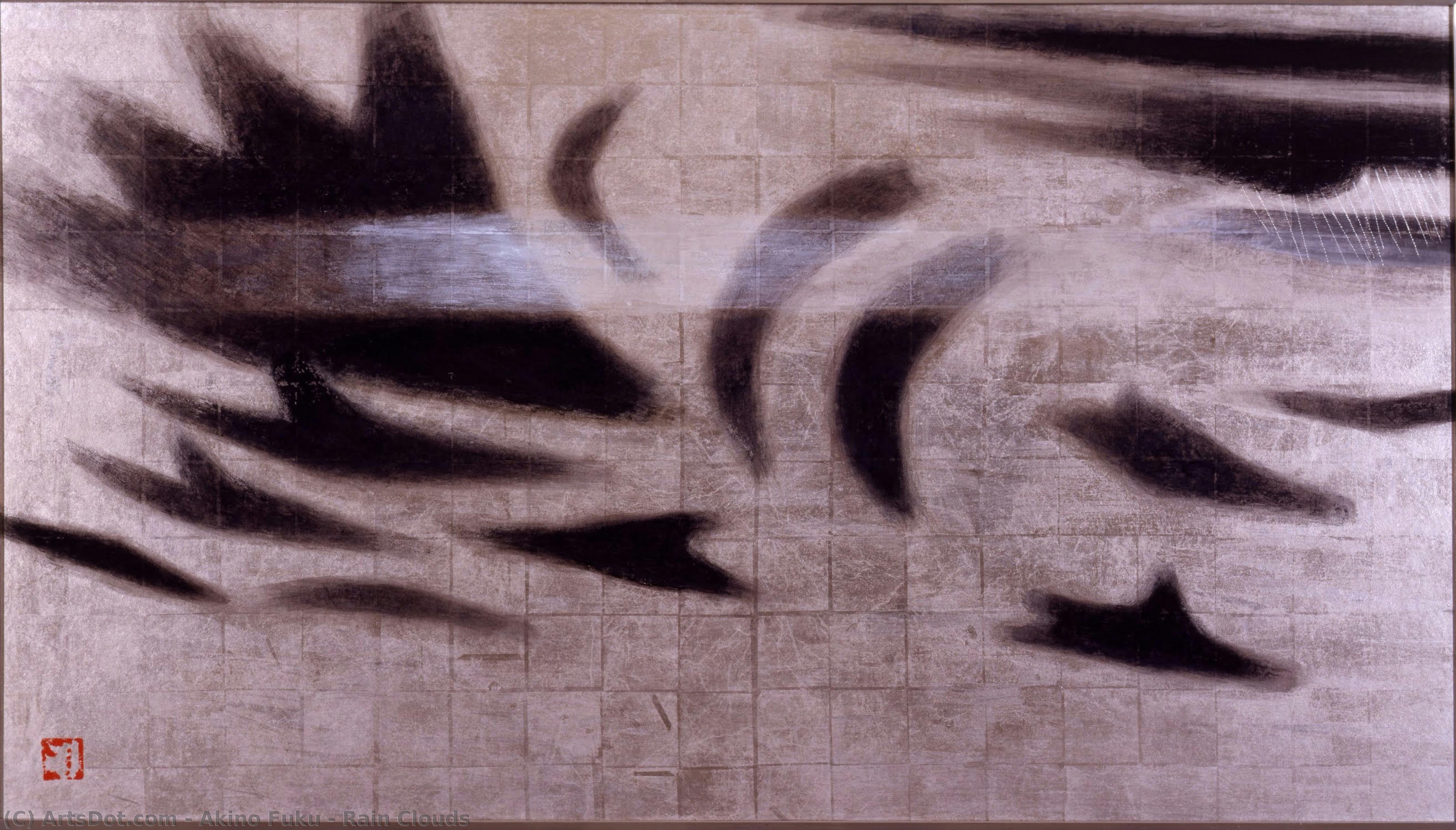
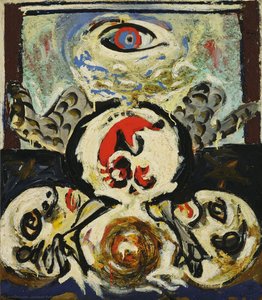
Rain Clouds
 Painting
 Modern
 209.0 x 119.0 cm
 Museo de Arte Fuku Akino
 Ver más
Reproducción al óleo hecha a mano
Óleo sobre lienzo pintado a mano en el tamaño y marco de su elección, realizado por encargo por nuestros artistas. ( Comprar impresión Comprar imagen)




P118B $10

P118H $10

P118W $10

P438Z $10

P508JH $12

P508YH $12

P805H $10

P805Z $10

P919BZ $10

P919G $10

P919XJ $10

P959ZH $10

P968JZ $12

W106C $8

W218G $10

W218JH $8

W218Y $10

W307PJ $10

W316G $10

W316PJ $8

W316Y $10

W398PJ $8

W4111J $10

W500HY $15

W500JH $15

W692G $12

W849H $8

W940BG $15

W953PJ $8




Elija entre nuestros tamaños predefinidos que respetan las proporciones originales de la obra.

Puede ingresar sus propias dimensiones para adaptarse a un marco o espacio específico. Si el tamaño seleccionado no coincide con las proporciones de la imagen original, recortaremos la obra o extenderemos la pintura con elementos adicionales pintados a mano. Se le enviará una maqueta digital para su aprobación antes de comenzar la producción.
Tenga en cuenta que la vista previa en pantalla no refleja el recorte o la extensión reales. Solo la maqueta mostrará con precisión la composición final.
Si bien existen tamaños personalizados, recomendamos seleccionar una dimensión de la lista predefinida para preservar las proporciones originales.
Tras realizar el pedido, el equipo de ArtsDot.com enviará un correo electrónico al cliente para solicitar instrucciones y proporcionarle una vista previa del boceto.
Envío a todo el mundo () en 3-4 semanas en lugar de las 5 semanas estándar. (7 septiembre). Sin comprometer la calidad.

Envío exprés gratuito a todo el mundo

Lienzo de lino de alta calidad

Seguro de envío total

Garantía de reembolso de impuestos aduaneros

Garantía de fidelidad cromática exacta

Política de devolución de 100 días (solo por defectos)

Garantía de devolución del 100% del dinero

Descuento por cantidad
 La opción de vidrio solo está disponible en tamaños inferiores a 110 cm.

Rain Clouds
Técnica de reproducción
Dimensiones de la reproducción
-


Precio total final
$ 263
A Sky in Motion: The Ethereal Majesty of Akino Fuku
In the vast, sweeping expanse of "Rain Clouds," the viewer is immediately swept into a breathtaking moment of suspended animation. This monumental work by the esteemed Japanese master Akino Fuku captures a scene of profound dynamism, where the boundaries between the earth and the heavens seem to dissolve. At the heart of this composition lies a magnificent bird, its wings unfurently spread in a gesture of pure, unbridled freedom. The sheer scale of the creature, stretching across the breadth of the canvas, creates an overwhelming sense of presence that commands the room. As the bird glides over the subtle silhouette of a building below, the artist establishes a striking contrast between the grounded, architectural world and the limitless, soaring spirit of nature.
The technique employed in this piece reflects Fuku’s deep-rooted training in traditional Japanese-style painting, yet it is infused with an almost cinematic sense of movement. The brushwork is masterful, capturing the turbulent energy of the atmosphere and the rhythmic flow of the clouds. There is a palpable texture to the sky, where light and shadow dance through layers of pigment, suggesting the heavy, moisture-laden air that precedes a storm. This interplay of light creates a luminous quality that breathes life into the wings of the bird, making every feather feel as though it is catching a sudden gust of wind. For the collector, this painting offers more than just a visual experience; it provides a window into a world where the elements are in constant, beautiful flux.
A Fusion of Cultures and Spirit
To understand the emotional depth of "Rain Clouds," one must look toward the unique life journey of Akino Fuku herself. Born in Japan and trained under the legendary Suisho Nishiyama, Fuku’s artistic soul was profoundly shaped by her extensive travels through India, Afghanistan, and beyond. Her work often serves as a bridge between the disciplined elegance of Japanese aesthetics and the vibrant, soulful landscapes of the East. In this particular piece, we see that same spiritual curiosity; the bird becomes a symbol of the wandering spirit, much like the artist herself, traversing vast territories and finding beauty in the transient nature of weather and flight.
The symbolism within the work invites deep contemplation. The rain clouds represent the inevitable cycles of change and the weight of existence, while the soaring bird acts as an emblem of resilience and transcendence. It is a piece that speaks to the human desire to rise above the storms of life. For interior designers and art enthusiasts, this painting serves as a powerful focal point in any curated space. Whether placed in a grand gallery or a serene private study, its ability to evoke both awe and tranquility makes it an incomparable addition to a collection. Owning a reproduction of such a significant work allows one to invite the transformative power of Fuku’s vision into their own environment, fostering a sense of wonder and eternal motion.
Obras relacionadas


Biografía del artista
Vida Temprana y Formación
Akino Fuku, una renombrada pintora japonesa, nació en Futamata, Iwata-gun, Shizuoka Prefecture, Japón, en 1908. Comenzó su viaje artístico bajo la tutela de Suisho Nishiyama en Kioto, donde estudió pintura al estilo japonés (Nihonga).Carrera Artística y Estilo
La obra de Akino Fuku se caracteriza por su enfoque en temas indios, paisajes y personas. Su estilo único, que combina técnicas japonesas tradicionales con su fascinación por la cultura india, ha cautivado a audiencias en todo el mundo. Notablemente, su obra ""Regreso a Través de los Campos" (1930) fue seleccionada para la exposición Teiten, marcando un hito significativo en su carrera. Su paleta de colores es rica y terrosa, reflejando las escenas que pintaba, desde los vibrantes mercados indios hasta los paisajes áridos de Afganistán. Su técnica se caracteriza por pinceladas precisas y detalladas, pero también por una libertad expresiva que le permite capturar la esencia del momento y el espíritu de sus sujetos.Reconocimiento Internacional y Viajes
En 1962, Akino Fuku fue invitada a enseñar como profesora visitante en la Universidad Visva-Bharati en India. Esta experiencia influyó profundamente en su obra, lo que llevó a numerosos viajes posteriores al país. Sus viajes se extendieron también a Afganistán, Nepal, Camboya y África, todos ellos representados en sus obras de arte. Estos viajes no solo proporcionaron una rica fuente de inspiración para sus pinturas, sino que también ampliaron su comprensión del mundo y enriquecieron su perspectiva artística.Logros Destacados y Legado
Las contribuciones de Akino Fuku al arte japonés han sido reconocidas con varios premios, incluyendo la Orden del Mérito Cultural (1991) y la Orden de la Cultura (1999). En 1998 se construyó un museo en su ciudad natal de Hamamatsu para albergar sus obras. El museo fue diseñado por el arquitecto japonés Terunobu Fujimori, conocido por su arquitectura orgánica y su respeto por la naturaleza. Su legado continúa inspirando a artistas y entusiastas del arte en todo el mundo. Su capacidad para fusionar elementos de la tradición japonesa con influencias culturales extranjeras la convierte en una figura única e importante en la historia del arte asiático.Obras Notables y Exposiciones
- ""Sobre la Arena" (1936), expuesta en la exposición jurado Bunten
- ""El Significado del Museo de Bellas Artes (Gifu, Japón)", con su obra en el Museo de Bellas Artes (Gifu, Japón)
- Presente en la colección del Museo de Arte Murauchi en Tokio, Japón
- Vea las obras de Akino Fuku en ArtsDot.com: https://ArtsDot.com/@/akino fuku
- Explore su biografía y obras notables en Wikipedia: https://en.wikipedia.org/wiki/fuku_akino
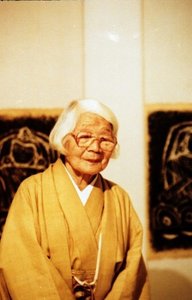
Akino Fuku
1908 - 2001 , Japón
Datos clave
- Artistas Influyentes: ['Suisho Nishiyama']
- Estilo Artístico: Nihonga, Orientalismo
- Fecha De Fallecimiento: 11 de octubre de 2001
- Fecha De Nacimiento: 25 de julio de 1908
- Lugar De Nacimiento: Mitaka, Japón
- Nacionalidad: Japonesa
- Nombre Completo: Akino Fuku
- Obras Notables:
- Returning through the fields
- On the sand
- River Crossing
- The Ganges
- Desert Guide
Artículos relacionados
Feathered Visions: A Historical & Artistic Exploration of Birds in Painting
Explore the rich history of birds in painting! Discover symbolism, artistic movements & master artists like Audubon. High-quality reproductions available at ArtsDot.
The Eloquence of Arrangement: Compositional Strategies in Western Art from the Renaissance to Modernism
Explore the evolution of compositional strategies in Western art! Discover how masters like Raphael & Zurbaran used perspective, proportion, and dynamic arrangement to create timeless masterpieces. Enhance your art appreciation today!

The Embodiment of Motion: Dynamic Composition & Energetic Expression in Art History
Explore the evolution of dynamic composition in art history – from chiaroscuro masters to abstract expressionism. Discover how artists like Kandinsky & Pollock embodied energy and movement on canvas. Expert insights for discerning collectors.

The Eloquence of Arrangement: Exploring Compositional Strategies in Western Art
Explore the evolution of compositional strategies in Western art from the Renaissance to Modernism. Discover how masters like Raphael & Zurbaran used perspective, proportion, and dynamic arrangement to create timeless masterpieces. Enhance your art appreciation today!
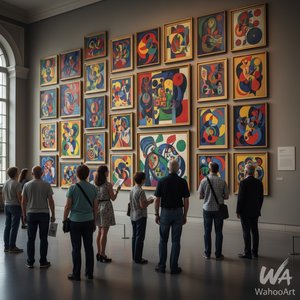
Kandinsky: Las 25 Obras Maestras del Pionero de la Abstracción | ArtsDot
Descubre las 25 obras maestras de Wassily Kandinsky, pionero del arte abstracto. Explora su expresionismo, composiciones únicas y la historia detrás de cada cuadro. Reproducciones de alta calidad para decorar tu hogar con arte moderno en ArtsDot.com.