 Ver en contexto
 Enviar
 Compartir
 Detalles

 Descargar
 Similares
 Radiografía
 Presentación de diapositivas
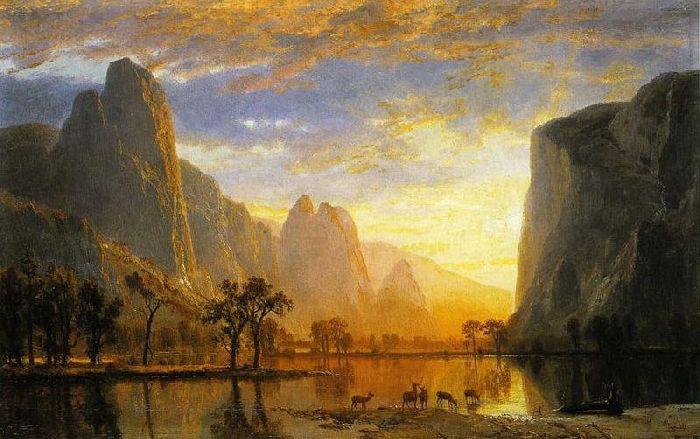
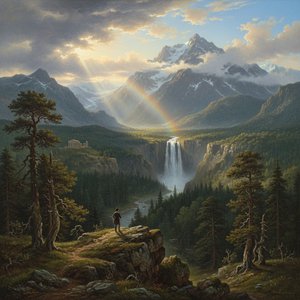
Valley of the Yosemite
 Oil On Canvas
- WallArt
- Hudson River School
 1864
1864- 19th Century
 30.0 x 48.0 cm
 Museo de Bellas Artes
 Ver más
Giclée / Impresión de arte
Impresiones giclée o en lienzo de calidad de museo con producción rápida y opciones de acabado flexibles. ( Comprar pintura hecha a mano Comprar imagen)




P118B $10

P118H $10

P118W $10

P438Z $10

P508JH $12

P508YH $12

P805H $10

P805Z $10

P919BZ $10

P919G $10

P919XJ $10

P959ZH $10

P968JZ $12

W106C $8

W218G $10

W218JH $8

W218Y $10

W307PJ $10

W316G $10

W316PJ $8

W316Y $10

W398PJ $8

W4111J $10

W500HY $15

W500JH $15

W692G $12

W849H $8

W940BG $15

W953PJ $8




Elija entre nuestros tamaños predefinidos que respetan las proporciones originales de la obra.

Puede introducir sus propias dimensiones para adaptarse a un marco o espacio específico. Si el tamaño seleccionado no coincide con las proporciones de la imagen original, recortaremos la obra de arte o extenderemos la imagen con un borde con efecto espejo o de color sólido. Se enviará una maqueta digital para su aprobación antes de que comience la producción.
Tenga en cuenta que la vista previa en pantalla no refleja el recorte o la extensión real. Solo la maqueta mostrará con precisión la composición final.
Aunque existen tamaños personalizados, recomendamos seleccionar una dimensión de la lista predefinida para preservar las proporciones originales.
Envío a todo el mundo () en 2 semanas en lugar de las 4/5 semanas estándar. (23 agosto)

Envío exprés gratuito a todo el mundo

Lienzo de lino de alta calidad

Seguro de envío total

Garantía de reembolso de impuestos aduaneros

Garantía de fidelidad cromática exacta

Política de devolución de 60 días (solo por defectos)

Garantía de devolución del 100% del dinero

Descuento por cantidad
 La opción de vidrio solo está disponible en tamaños inferiores a 110 cm.

Valley of the Yosemite
Giclée / Impresión de arte
Dimensiones de la reproducción
-


Precio total final
$ 62
Descripción de la pieza
A Vision of Yosemite's Sublime Beauty
The painting “Valley of the Yosemite,” completed in 1864 by Albert Bierstadt, stands as a cornerstone of the Hudson River School movement and embodies its core ethos – an unwavering belief in the transformative power of nature. More than just a topographical representation, it’s a carefully crafted panorama designed to inspire awe and reverence for the grandeur of the American West. Bierstadt's ambition wasn't simply to depict what he saw; he sought to capture the very essence of the sublime—that feeling of overwhelming emotion triggered by encountering something vast and powerful beyond human comprehension.The Artist’s Technique: Mastering Light and Atmosphere
Bierstadt’s mastery lay in his meticulous attention to detail and his profound understanding of atmospheric perspective. Employing oil paints on canvas, he utilized a layering technique that built up tonal gradations with painstaking precision. He meticulously studied the effects of light filtering through mountain peaks and valleys, painstakingly recreating the dappled sunlight illuminating the riverbed and casting long shadows across the meadow. This meticulous approach wasn’t merely about accuracy; it was about conveying the palpable feeling of being immersed in a landscape brimming with life and energy. The artist skillfully blended colors to simulate the hazy air of Yosemite Valley, creating an illusion of depth that draws the viewer into the scene.Historical Context: Romantic Idealism Meets Scientific Observation
The painting emerged during a period of intense fascination with the American frontier—a time when explorers, artists, and writers alike were captivated by the untamed wilderness. Bierstadt’s work reflects both the romantic idealism prevalent in European art circles at the time and the burgeoning interest in scientific observation fueled by advancements in geology and botany. The Hudson River School championed a belief that nature possessed inherent moral grandeur, offering solace and inspiration to humanity. Artists like Bierstadt sought to elevate landscapes into symbols of spiritual truth, mirroring the philosophical currents of Romanticism which emphasized emotion and imagination alongside reason.Symbolism Within the Landscape: Horses, Deer, and the Spirit of Exploration
Beyond its technical brilliance, “Valley of the Yosemite” is laden with symbolic significance. The prominent horses grazing in the foreground represent not only the practical realities of westward expansion but also embody a broader theme of human dominion over nature—albeit tempered by respect for its majesty. Similarly, the deer scattered throughout the valley symbolize innocence and grace, contrasting sharply with the imposing mountains that dominate the horizon. These animals serve as visual anchors, grounding the viewer in the scene while simultaneously hinting at deeper spiritual ideas about harmony between humanity and the natural world. The artist’s deliberate placement of these figures reinforces the painting's overarching message: a celebration of exploration and an acknowledgement of nature’s enduring beauty.Emotional Impact: Capturing the Sublime Experience
Ultimately, “Valley of the Yosemite” succeeds in transporting the viewer to the heart of Yosemite Valley—inspiring feelings of wonder, awe, and contemplation. Bierstadt skillfully manipulated color palettes and compositional elements to evoke a sense of sublime grandeur. The vastness of the mountains combined with the luminous quality of the light creates an experience that transcends mere visual perception; it aims to stir the soul and instill in the viewer a profound appreciation for the magnificence of the natural world. It remains a testament to Bierstadt’s ability to translate emotion into art—a timeless masterpiece that continues to captivate audiences today.Obras relacionadas
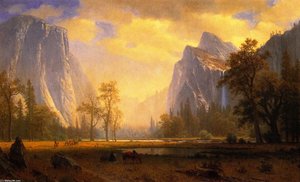
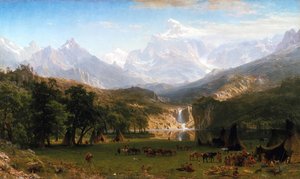
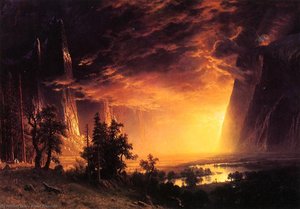
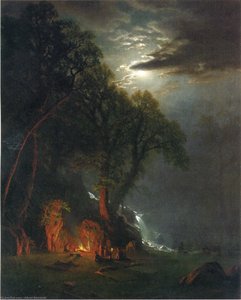
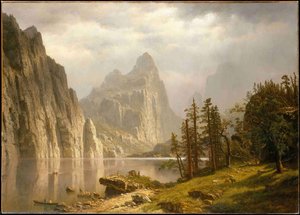
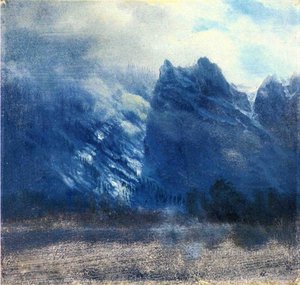
Biografía del artista
Primeros años y educación
Albert Bierstadt, un renombrado pintor germano-americano, nació el 7 de enero de 1830 en Solingen, Prusia. Su familia emigró a los Estados Unidos cuando él era tan solo un año de edad, estableciéndose en New Bedford, Massachusetts. La vida temprana de Bierstadt se caracterizó por su creciente gusto por el arte, y comenzó a hacer hábiles bocetos con crayones en su juventud.Carrera artística
La carrera artística de Bierstadt despegó en 1851 cuando comenzó a pintar al óleo. Regresó a Alemania en 1853 para estudiar pintura durante varios años en Düsseldorf, lo que influyó enormemente en su estilo. Al regresar a los Estados Unidos, Bierstadt se unió a la Escuela del Río Hudson, un grupo de pintores afines que se centraban en capturar los majestuosos paisajes del valle del río Hudson. En 1858, Bierstadt expuso una gran pintura de un paisaje suizo en la Academia Nacional de Diseño, obteniendo una recepción crítica positiva y el ingreso honorífico a la academia. Sus viajes posteriores al oeste americano con Frederick W. Lander y Fitz Hugh Ludlow inspiraron sus icónicos paisajes, que mostraban la grandeza del oeste americano.Estilo e Influencias
El estilo de Bierstadt se caracterizaba por su meticuloso detalle, su uso dramático de la luz y la sombra, y su capacidad para evocar una sensación de asombro y reverencia ante la naturaleza. Estuvo fuertemente influenciado por el luminismo, un movimiento artístico que enfatizaba la representación precisa de la luz natural y los efectos atmosféricos. También se inspiró en las obras de artistas europeos como Caspar David Friedrich, conocido por sus paisajes románticos y melancólicos. La Escuela del Río Hudson fue una influencia crucial, compartiendo su compromiso con la representación fiel y grandiosa de los paisajes americanos.Obras destacadas y legado
Entre las obras más notables de Bierstadt se encuentran "Paisaje occidental", que es un testimonio de su habilidad para capturar los vastos paisajes del oeste americano; "Escena costera", que demuestra su capacidad para transmitir la belleza de la costa americana; y sus representaciones épicas de las Montañas Rocosas, Alaska y otros lugares emblemáticos. Sus pinturas se caracterizan por su gran escala y su realismo detallado, lo que le valió el apodo de "el pintor del oeste americano". Bierstadt dejó un legado duradero como uno de los pintores de paisajes más importantes del siglo XIX, contribuyendo significativamente al desarrollo del arte americano y ayudando a moldear la percepción pública del paisaje occidental.Datos clave
- Nacido: 7 de enero de 1830, Solingen, Prusia
- Fallecido: 18 de febrero de 1902
- Nacionalidad: Germano-americano
- Estilo: Pintura de paisajes, Escuela del Río Hudson
- Obras notables: Paisaje occidental, Escena costera

Albert Bierstadt
1830 - 1902 , Alemania
Datos clave
- Artistas Que Influyeron: ['Escuela del Río Hudson']
- Estilo Artístico: Pintura paisajista, Escuela del Río Hudson
- Fecha De Fallecimiento: 18 de febrero de 1902
- Fecha De Nacimiento: 7 de enero de 1830
- Lugar De Nacimiento: Solingen, Alemania
- Nacionalidad: Germano-estadounidense
- Nombre Completo: Albert Bierstadt
- Obras Notables:
- Paisaje occidental
- Escena costera
- Cascadas de Staubbach
- Molino rústico
- Búfalos en las Llanuras
- Alaska
- Montañas Rocosas
- Entre montañas Sierra Nevada
Artículos relacionados
Los 10 Maestros del Río Hudson: Obras que Definieron un Movimiento Artístico
Descubre los 10 lienzos más emblemáticos de la Escuela del Río Hudson. Explora las obras maestras de Thomas Cole, Church y Bierstadt que capturan la belleza del paisaje americano. Encuentra reproducciones de arte exclusivas en ArtsDot.com.

El Sublime Paisaje Americano: Explorando el Movimiento de la Escuela del Río Hudson
Descubre la Escuela del Río Hudson: un movimiento artístico clave en la historia de la pintura estadounidense. Explora su estética romántica, sus artistas más destacados y el concepto del sublime paisaje americano.

Robert Spencer: Luminism, Narrative & the American Landscape Tradition
Explore the captivating world of Luminism & the Hudson River School with our expert analysis. Discover the history, artists, and enduring beauty of 19th-century American landscape painting. Find museum-quality reproductions at ArtsDot.
Albert Bierstadt: Luminosity, Landscape & the American Ideal
Explore the breathtaking landscapes of Albert Bierstadt, master of the American West & a leading figure in the Hudson River School. Discover his luminous style and iconic paintings – a timeless investment for art lovers.
Evoking Nature's Sublime: A Comprehensive Exploration of 19th-Century Landscape Painting
Explore the captivating world of 19th-century landscape painting! Discover renowned artists like Friedrich & Monet, key movements, and find the perfect artwork to bring nature's serenity into your home. Expert insights at ArtsDot.