 Vista previa
 Compartir
 Compartir
 Ver detalles

 Descargar
 Ver similares
 Radiografía
 Presentación de diapositivas
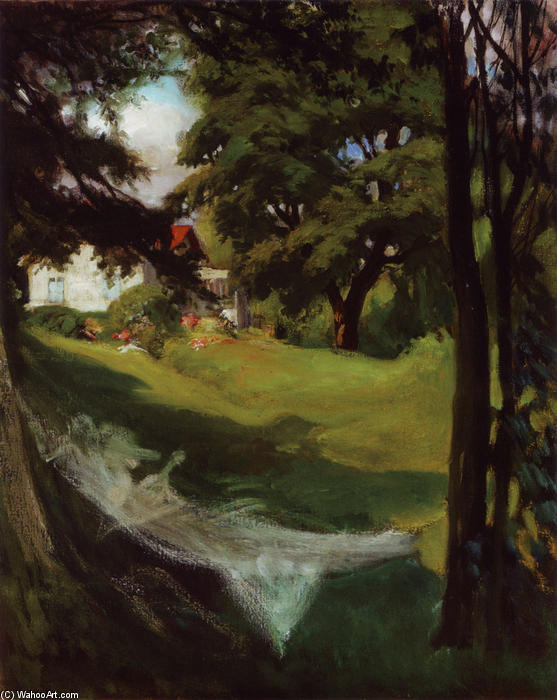
Villa Edelfelt at Haikko Seen from the Sea


 Leer más
Reproducción al óleo hecha a mano
Óleo sobre lienzo pintado a mano en el tamaño y marco de su elección, realizado por encargo por nuestros artistas. ( Pedir impresión Comprar descarga)




































Elija entre nuestros tamaños predefinidos que respetan las proporciones originales de la obra.

Puede ingresar sus propias dimensiones para adaptarse a un marco o espacio específico. Si el tamaño seleccionado no coincide con las proporciones de la imagen original, recortaremos la obra o extenderemos la pintura con elementos adicionales pintados a mano. Se le enviará una maqueta digital para su aprobación antes de comenzar la producción.
Tenga en cuenta que la vista previa en pantalla no refleja el recorte o la extensión reales. Solo la maqueta mostrará con precisión la composición final.
Si bien existen tamaños personalizados, recomendamos seleccionar una dimensión de la lista predefinida para preservar las proporciones originales.
Tras realizar el pedido, el equipo de ArtsDot.com enviará un correo electrónico al cliente para solicitar instrucciones y proporcionarle una vista previa del boceto.
Envío a todo el mundo () en 3-4 semanas en lugar de las 5 semanas estándar. (22 agosto). Sin comprometer la calidad.

Envío exprés gratuito a todo el mundo

Lienzo de lino de alta calidad

Seguro de envío completo

Garantía de reembolso de aranceles aduaneros

Garantía de fidelidad cromática exacta

Política de devolución de 60 días (solo por defectos)

Garantía de devolución del 100% del dinero

Oferta por volumen
 La opción de vidrio solo está disponible en tamaños inferiores a 110 cm.

Villa Edelfelt at Haikko Seen from the Sea
Técnica de reproducción
Tamaño de la reproducción
-


Precio total
$ 263
Descripción de la obra
Villa Edelfelt at Haikko Seen from the Sea: A Masterpiece of Finnish Realism
Albert Edelfelt’s “Villa Edelfelt at Haikko Seen from the Sea” is more than just a picturesque landscape; it's a profound meditation on domestic tranquility, rural life, and the burgeoning national identity of Finland in the late 19th century. Painted around 1880, this artwork captures a pivotal moment – the establishment of Edelfelt’s family estate at Haikko, a location that would become synonymous with his artistic legacy and a symbol of Finnish cultural revival.
The scene unfolds with remarkable clarity and detail. The focal point is the elegant villa itself, its distinctive red-tiled roof immediately drawing the eye against the lush green expanse of the surrounding fields. Edelfelt’s meticulous attention to architectural form – the pitched roofs, the symmetrical windows, the carefully arranged gardens – speaks to his commitment to realism, a hallmark of his artistic approach. The presence of a solitary figure, likely a family member or guest, adds a human element, suggesting an appreciation for leisure and connection with nature.
The Realist Vision of Albert Edelfelt
Edelfelt’s style is firmly rooted in the tenets of Realism, a movement that sought to depict everyday life and subjects without idealization or romantic embellishment. Influenced by artists like Jean-Léon Gérôme, with whom he studied in Paris, Edelfelt employed a precise technique, utilizing carefully observed brushstrokes to render textures – from the rough bark of the trees to the smooth surface of the water – with astonishing accuracy. This commitment to naturalism was particularly significant for Edelfelt, who aimed to elevate Finnish culture and landscape onto the international stage.
The composition itself is deceptively simple. The use of atmospheric perspective—the subtle blurring of distant elements—creates a sense of depth and distance, drawing the viewer into the scene. The play of light and shadow, skillfully rendered, adds to the painting’s overall mood of serenity and quiet contemplation. Edelfelt's palette leans towards muted greens, blues, and browns, reflecting the natural tones of the Finnish countryside.
Symbolism and National Identity
“Villa Edelfelt at Haikko Seen from the Sea” carries a powerful symbolic weight beyond its immediate depiction of a beautiful estate. The villa itself represents stability, family, and the burgeoning aspirations of Finland as a nation. The surrounding landscape – the sea, the fields, the trees – are not merely decorative elements; they are integral to the painting’s narrative, representing the heartland of Finnish culture and identity.
Painted during a period of increasing national consciousness in Finland, Edelfelt's work contributed significantly to the movement to showcase Finnish life and landscapes abroad. His dedication to portraying authentic scenes of rural Finland helped shape a new sense of national pride and artistic identity, solidifying his place as one of the most important figures in the Golden Age of Finnish Art.
A Timeless Reflection
Today, this artwork continues to resonate with viewers due to its masterful execution and profound subject matter. It’s a testament to Edelfelt's skill as a painter and his ability to capture not just a visual scene but also the essence of a place and a time. A hand-painted reproduction offers an unparalleled opportunity to experience this iconic work of art, bringing its beauty and significance into your home or office.
Obras relacionadas
Biografía del artista
Primeros años y educación
Albert Gustaf Aristides Edelfelt, un renombrado pintor finlandés, nació el 21 de julio de 1854 en Porvoo, Finlandia. Sus padres, Carl Albert Edelfelt y Alexandra Edelfelt (de soltera Brandt), eran suecos-finlandeses. La vida temprana de Edelfelt se caracterizó por una pasión innata por el arte, lo que le llevó a cursar estudios formales en la escuela de dibujo de la Sociedad Finlandesa de Arte en 1869.Trayectoria artística
El viaje artístico de Edelfelt lo llevó a varias instituciones destacadas:- Academia de Bellas Artes de Amberes (1873-74), donde perfeccionó sus habilidades en pintura histórica.
- École Nationale des Beaux-Arts en París (1874-78), bajo la tutela de Jean-Léon Gérôme, refinando aún más su oficio.
- Una breve estancia en San Petersburgo (1881-82) lo expuso a diversas influencias artísticas.
Desarrollo y logros notables
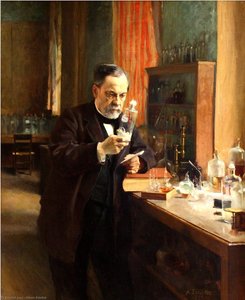
El gran avance de Edelfelt llegó con una medalla de oro en la Exposición Universal de París de 1889. Sus obras notables incluyen:- Retrato de Louis Pasteur, que le valió la Legión de Honor en 1886.
- Joven mujer en su boudoir, mostrando su dominio para capturar la esencia de la feminidad.
- Bajo los abedules, una representación conmovedora de paisajes finlandeses.
Influencias y significado histórico
Como uno de los primeros artistas finlandeses en alcanzar fama internacional, Edelfelt contribuyó significativamente al movimiento artístico realista en Finlandia. Su influencia se extendió a pintores finlandeses más jóvenes, como Akseli Gallen-Kallela y Gunnar Berndtson, a quienes ayudó en sus avances en París. Edelfelt adoptó el realismo francés pero lo iluminó con el brillo de la luz nórdica. Se considera el pintor más grande de Finlandia durante la segunda mitad del siglo XIX y la primera mitad del XX, y uno de los contribuyentes más destacados a la Edad de Oro del Arte Finlandés.Legado y reconocimiento
Las obras de Edelfelt se exhiben en varios museos, incluido el Ateneumin Taidemuseo en Helsinki. Su legado fue conmemorado con una moneda conmemorativa de 100 euros dedicada a Albert Edelfelt en 2004, celebrando su 150 aniversario natal.- Explore las obras de Albert Edelfelt en ArtsDot
- Descubra la colección del Ateneumin Taidemuseo en ArtsDot
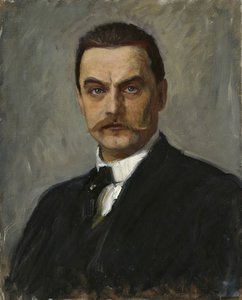
Albert Edelfelt
1854 - 1905 , Finlandia
Datos clave
- Artistas Influenciados:
- Akseli Gallen-Kallela
- Gunnar Berndtson
- Artistas Que Influyeron:
- Jean-Léon Gérôme
- Adolf von Becker
- Fecha De Muerte: 18 de agosto de 1905
- Fecha De Nacimiento: 21 de julio de 1854
- Lugar De Nacimiento: Porvoo, Finlandia
- Movimiento Artístico: Realismo
- Nacionalidad: Finlandés
- Nombre Completo: Albert Gustaf Aristides Edelfelt
- Obras Notables:
- Retrato de Louis Pasteur
- Joven mujer en su boudoir
- Bajo los abedules
Artículos relacionados
Albert Edelfelt: A Pioneer of Finnish Realism & International Impressionist Circles
Explore the life & work of Albert Edelfelt, a pioneering Finnish Realist painter who bridged Impressionism & national identity. Discover his masterpieces and lasting influence on art history.
Cultivating Paradise: A Historical & Artistic Exploration of Gardens in Painting
Explore the rich history of gardens in painting! Discover masterpieces from Renaissance to Impressionism & beyond. Learn about symbolism, artists like Monet & Klimt, and find your perfect artwork at ArtsDot.
Romantic Realism's Finest: 10 Masterpieces for Your Home | ArtsDot
Explore 10 defining masterpieces of Romantic Realism! Discover Courbet, Millet & Daumier's powerful paintings—capturing emotion and social realities. Find museum-quality reproductions for your home at ArtsDot.com.

Impresionismo: 10 Obras Maestras que Capturan la Luz y el Momento
Descubre 10 obras maestras del impresionismo de Monet, Renoir y Degas. Explora la luz, el color y las historias detrás de estos icónicos cuadros. Reproducciones de arte en ArtsDot.com para decorar tu hogar con estilo.

Ecos de la Sociedad: El Legado Duradero del Realismo Social en el Arte
Descubre el fascinante mundo del Realismo Social. Explora sus orígenes, artistas clave y su impacto duradero en la historia del arte. ¡Encuentra reproducciones de alta calidad en ArtsDot!