

 Ver en contexto
 Enviar
 Compartir
 Detalles

 Descargar
 Similares
 Radiografía
 Presentación de diapositivas
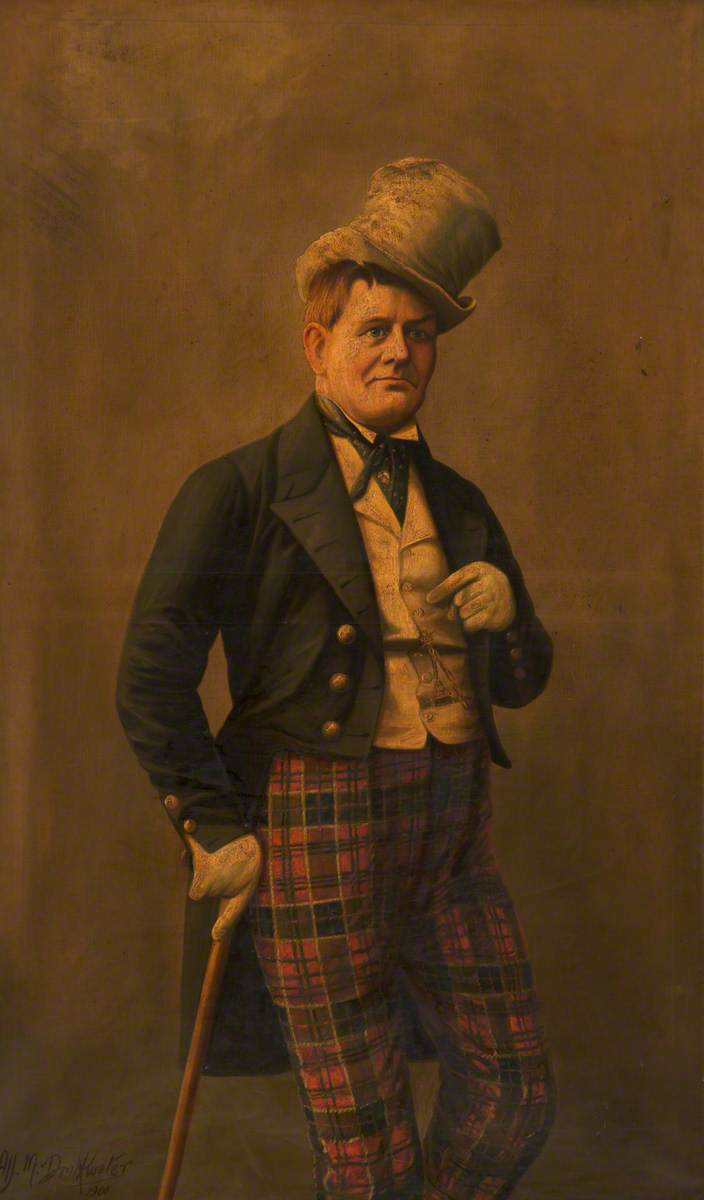
Edwin Brinsley ('Sheridan Brinsley') (1835–1890), Comedian
 1900
1900 125.0 x 65.0 cm
 Ver más
Reproducción al óleo hecha a mano
Óleo sobre lienzo pintado a mano en el tamaño y marco de su elección, realizado por encargo por nuestros artistas. ( Comprar impresión Comprar imagen)




































Elija entre nuestros tamaños predefinidos que respetan las proporciones originales de la obra.

Puede ingresar sus propias dimensiones para adaptarse a un marco o espacio específico. Si el tamaño seleccionado no coincide con las proporciones de la imagen original, recortaremos la obra o extenderemos la pintura con elementos adicionales pintados a mano. Se le enviará una maqueta digital para su aprobación antes de comenzar la producción.
Tenga en cuenta que la vista previa en pantalla no refleja el recorte o la extensión reales. Solo la maqueta mostrará con precisión la composición final.
Si bien existen tamaños personalizados, recomendamos seleccionar una dimensión de la lista predefinida para preservar las proporciones originales.
Tras realizar el pedido, el equipo de ArtsDot.com enviará un correo electrónico al cliente para solicitar instrucciones y proporcionarle una vista previa del boceto.
Envío a todo el mundo () en 3-4 semanas en lugar de las 5 semanas estándar. (7 septiembre). Sin comprometer la calidad.

Envío exprés gratuito a todo el mundo

Lienzo de lino de alta calidad

Seguro de envío total

Garantía de reembolso de impuestos aduaneros

Garantía de fidelidad cromática exacta

Política de devolución de 100 días (solo por defectos)

Garantía de devolución del 100% del dinero

Descuento por cantidad
 La opción de vidrio solo está disponible en tamaños inferiores a 110 cm.

Edwin Brinsley ('Sheridan Brinsley') (1835–1890), Comedian
Técnica de reproducción
Dimensiones de la reproducción
-


Precio total final
$ 263
Obras relacionadas










Biografía del artista
A Life Painted in Atmosphere: Albert Milton Drinkwater (1860–1917)
Albert Milton Drinkwater, a name perhaps less celebrated than some of his Victorian contemporaries, nevertheless occupies a significant niche within the landscape and portrait traditions of late 19th-century British art. Born in 1860, Drinkwater’s life coincided with a period of immense social and artistic change, a time when the rigid academic styles were beginning to yield to new explorations of light, mood, and individual expression. While biographical details remain somewhat sparse, the body of work he left behind speaks volumes about an artist deeply attuned to the subtleties of the natural world and the character of his sitters. He wasn’t a revolutionary in the manner of the Impressionists, but rather a skilled realist who imbued his paintings with a quiet emotional resonance that continues to captivate viewers today.Early Influences and Artistic Development
Drinkwater's artistic journey unfolded against the backdrop of a Britain undergoing rapid industrialization and urbanization. This era fostered a growing appreciation for rural scenes and a nostalgic yearning for a simpler way of life, themes that would become central to his oeuvre. While specific details regarding his formal training are limited, it’s reasonable to assume he received instruction in traditional techniques—the meticulous detail evident in his work suggests a solid grounding in academic principles. However, Drinkwater quickly moved beyond mere replication, developing a distinctive style characterized by atmospheric perspective and a sensitive handling of light. His early works often depict the English countryside – tranquil lakes reflecting the sky, weathered bridges spanning quiet rivers, and expansive fields bathed in golden sunlight. These paintings aren’t simply topographical records; they are imbued with a sense of peace and solitude, inviting the viewer to step into the scene and experience its tranquility firsthand. The influence of artists like John Constable and Thomas Gainsborough is palpable, particularly in Drinkwater's ability to capture the fleeting effects of weather and the inherent beauty of the English landscape. He also demonstrated an aptitude for portraiture, creating compelling likenesses that reveal not only physical appearance but also a sense of inner life.Mastering Realism and Capturing Character
Drinkwater’s skill lay in his ability to blend technical proficiency with emotional insight. His landscapes are notable for their detailed realism—every tree leaf, every ripple on the water's surface is rendered with painstaking accuracy. Yet, this meticulousness never feels cold or clinical; instead, it serves to enhance the overall atmospheric effect. He was a master of capturing light and shadow, using subtle gradations of tone to create depth and mood. His portraits share this same attention to detail, but they are also distinguished by their psychological depth. Drinkwater wasn’t interested in simply creating flattering representations; he sought to capture the essence of his sitters—their personality, their intelligence, their vulnerabilities. A portrait of Edwin Brinsley ('Sheridan Brinsley'), a comedian, for example, reveals not only the subject's outward appearance but also a hint of the performer's inner complexities. Drinkwater’s ability to convey character through subtle nuances of expression and pose sets his portraits apart from more conventional examples of Victorian portraiture.Legacy and Historical Significance
Albert Milton Drinkwater died in 1917, leaving behind a body of work that offers a fascinating glimpse into the artistic sensibilities of late Victorian Britain. While he may not have achieved widespread fame during his lifetime, his paintings continue to be appreciated for their technical skill, atmospheric beauty, and emotional depth. His works provide valuable insights into the social and cultural values of the era—the growing appreciation for rural life, the fascination with individual character, and the desire to capture the fleeting moments of everyday existence.- Detailed Realism: Drinkwater’s paintings are characterized by a meticulous attention to detail, capturing the subtleties of light, texture, and form.
- Atmospheric Perspective: He was a master of creating depth and mood through subtle gradations of tone and atmospheric effects.
- Psychological Insight: His portraits reveal not only physical appearance but also a sense of inner life and character.
- Victorian Landscape Tradition: Drinkwater’s landscapes reflect the growing appreciation for rural scenes and a nostalgic yearning for a simpler way of life.
albert milton drinkwater
1860 - 1917
Datos clave
- Artistic Movement Or Style: Landscape Painting
- Artists Or Movements Influenced By This Artist: ['']
- Artists Who Influenced This Artist: ['']
- Date Of Birth: 1860
- Date Of Death: 1917
- Full Name: Albert Milton Drinkwater
- Nationality: British
- Notable Artworks:
- Barton Aqueduct and Bridge
- Landscape with Mountain and Lake
- Place Of Birth: England