 Ver en contexto
 Enviar
 Compartir
 Detalles

 Descargar
 Similares
 Radiografía
 Presentación de diapositivas
 Estadísticas
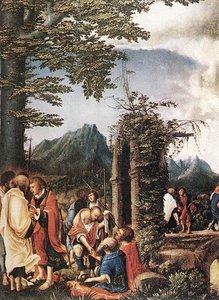
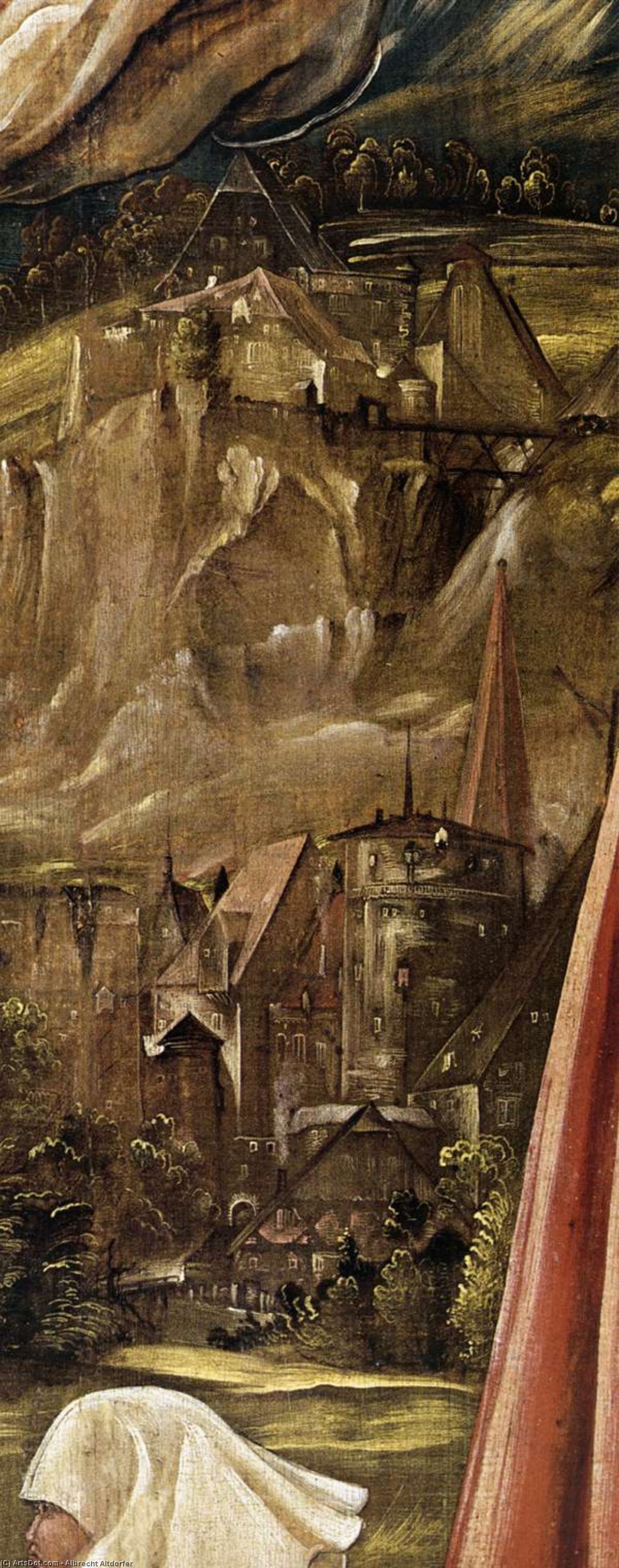
Cristo en la cruz entre María y San Juan (detalle)


 Ver más
Giclée / Impresión de arte
Impresiones giclée o en lienzo de calidad de museo con producción rápida y opciones de acabado flexibles. ( Comprar pintura hecha a mano Cambiar a imagen digital)




P118B $10

P118H $10

P118W $10

P438Z $10

P508JH $12

P508YH $12

P805H $10

P805Z $10

P919BZ $10

P919G $10

P919XJ $10

P959ZH $10

P968JZ $12

W106C $8

W218G $10

W218JH $8

W218Y $10

W307PJ $10

W316G $10

W316PJ $8

W316Y $10

W398PJ $8

W4111J $10

W500HY $15

W500JH $15

W692G $12

W849H $8

W940BG $15

W953PJ $8




Elija entre nuestros tamaños predefinidos que respetan las proporciones originales de la obra.

Puede introducir sus propias dimensiones para adaptarse a un marco o espacio específico. Si el tamaño seleccionado no coincide con las proporciones de la imagen original, recortaremos la obra de arte o extenderemos la imagen con un borde con efecto espejo o de color sólido. Se enviará una maqueta digital para su aprobación antes de que comience la producción.
Tenga en cuenta que la vista previa en pantalla no refleja el recorte o la extensión real. Solo la maqueta mostrará con precisión la composición final.
Aunque existen tamaños personalizados, recomendamos seleccionar una dimensión de la lista predefinida para preservar las proporciones originales.
Envío a todo el mundo () en 2 semanas en lugar de las 4/5 semanas estándar. (8 septiembre)

Envío exprés gratuito a todo el mundo

Lienzo de lino de alta calidad

Seguro de envío total

Garantía de reembolso de impuestos aduaneros

Garantía de fidelidad cromática exacta

Política de devolución de 100 días (solo por defectos)

Garantía de devolución del 100% del dinero

Descuento por cantidad
 La opción de vidrio solo está disponible en tamaños inferiores a 110 cm.

Cristo en la cruz entre María y San Juan (detalle)
Giclée / Impresión de arte
Dimensiones de la reproducción
-


Precio total final
$ 62
Albrecht Altdorfer’s Vision of Suffering and Redemption
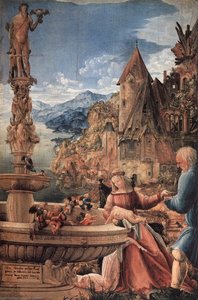
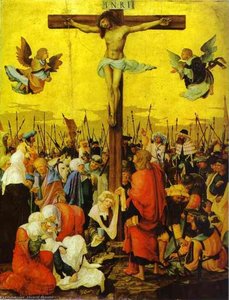
The painting “Christ on the Cross between Mary and St John,” executed in 1512 by Albrecht Altdorfer, stands as a cornerstone of Northern Renaissance landscape art—a testament to his singular ability to infuse religious iconography with breathtaking natural beauty. More than just depicting a pivotal biblical scene, it embodies a profound philosophical contemplation on faith, mortality, and the enduring power of divine compassion.A Landscape Steeped in Symbolism
Altdorfer’s genius lay not merely in meticulous observation but in transforming visual reality into expressive allegory. The painting isn't set against an idyllic pastoral backdrop; instead, it unfolds within a rugged mountainous terrain—a deliberate choice reflecting the spiritual struggles inherent in Christian faith. These peaks dominate the composition, symbolizing obstacles faced by humanity on its journey toward salvation. Beneath them, Mary and St John kneel in prayer, their postures conveying humility and devotion – figures rendered with remarkable realism despite their ethereal presence. The artist skillfully employs atmospheric perspective, blurring distant features to heighten the sense of depth and convey a feeling of solemn grandeur.Technique and Artistic Innovation
Altdorfer’s technique exemplifies the burgeoning Renaissance interest in naturalism without sacrificing spiritual significance. He utilized oil paint on panel—a relatively new medium at the time—allowing for nuanced tonal gradations and capturing subtle textures that would have been unattainable with tempera. The artist's brushstrokes are visible, conveying a palpable energy and dynamism that contrasts sharply with the stillness of the figures themselves. This textural richness contributes to the painting’s emotional impact, inviting viewers to contemplate the physicality of suffering alongside its spiritual transcendence. Careful attention was paid to detail—the folds of Mary’s robe, the expressions on their faces—creating an image brimming with palpable emotion and conveying a deep understanding of human psychology.Historical Context: Reformation's Influence
The painting emerged during a period of intense religious upheaval – the Protestant Reformation. Altdorfer’s artistic vision reflects this turbulent era, grappling with questions of faith and morality amidst societal change. The depiction of Christ’s crucifixion speaks to themes of sacrifice and redemption—concepts central to both Catholic and emerging Protestant interpretations of Christianity. Yet, Altdorfer avoids didactic pronouncements; instead, he presents a contemplative meditation on the human condition, prompting viewers to confront their own beliefs and anxieties.Emotional Resonance: A Moment Frozen in Time
“Christ on the Cross between Mary and St John” transcends mere representation; it communicates profound emotional resonance. The artist’s masterful use of color—muted browns and greens dominating the landscape—creates a mood of solemn contemplation, mirroring the spiritual gravity of the subject matter. The gaze of Mary and St John is directed upwards toward heaven, conveying unwavering faith and hope amidst despair. Ultimately, Altdorfer's masterpiece compels us to consider not only the suffering endured by Christ but also the enduring beauty and solace found in divine grace—a timeless reminder of humanity’s yearning for transcendence.Obras relacionadas

Biografía del artista
Primeros años y carrera
Albrecht Altdorfer, un renombrado pintor, grabador y arquitecto alemán, nació en Regensburg, Baviera, alrededor de 1480. Su padre, Ulrich Altdorfer, pintor y miniaturista, probablemente influyó en su interés por el arte desde temprana edad.Ascenso a la prominencia
La carrera artística de Altdorfer ganó impulso con la creación de pequeñas obras íntimas en medios no convencionales. Se estableció en Regensburg en 1505, convirtiéndose eventualmente en arquitecto de la ciudad y concejal. Sus primeras obras firmadas, incluyendo grabados y dibujos como los *Stygmata de San Francisco* y *San Jerónimo*, datan de alrededor de 1506.Contribución a la Escuela del Danubio
Altdorfer es considerado el principal representante de la Escuela del Danubio, un círculo que pionero el paisaje como género independiente en el sur de Alemania. Sus viajes por el río Danubio y hacia los Alpes en 1511 lo inspiraron a convertirse en el primer pintor de paisajes en el sentido moderno, liderando la Escuela del Danubio.Obras notables y colaboraciones
- La Batalla de Alejandro en Issos (1529) para el duque Guillermo IV de Baviera
- Colaboración con Maximiliano I en Innsbruck desde 1513
- Influenciado por artistas como Giorgione y Lucas Cranach, como se ve en su crucifixión
Colecciones de museos y legado
- El Museum Ostdeutsche Galerie (Alemania) presenta obras de Altdorfer, incluyendo la *Madonna* (hermosa María de Regensburg).
- Las Kunstsammlungen und Museen Augsburg (Austria) también exhiben su arte.
- El legado de Altdorfer se extiende más allá de sus 55 paneles, 120 dibujos y numerosos grabados, con un impacto duradero en el Renacimiento alemán.
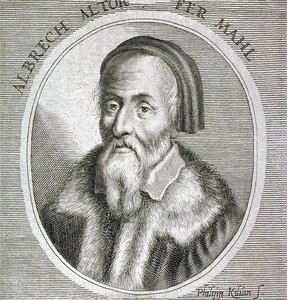
Albrecht Altdorfer
1480 - 1538 , Alemania
Datos clave
- Artistas Que Influyeron:
- Giorgione
- Lucas Cranach el Viejo
- Alberto Durero
- Fecha De Muerte: 1538
- Fecha De Nacimiento: c. 1480
- Influenciado A Artistas: ['Escuela del Danubio']
- Lugar De Nacimiento: Regensburg, Alemania
- Movimiento Artístico: Renacimiento alemán
- Nacionalidad: Alemán
- Nombre Completo: Albrecht Altdorfer
- Obras Notables:
- La Batalla de Alejandro en Issos
- Susana y los viejos
- Natividad de la Virgen
Artículos relacionados
Albrecht Dürer: Las 25 Obras Maestras del Renacimiento Alemán | ArtsDot
Descubre las 25 obras maestras de Albrecht Dürer, el genio del Renacimiento alemán. Explora grabados icónicos como 'Melancolía I' y aprende sobre su técnica innovadora. Encuentra reproducciones de arte de alta calidad para decorar tu hogar en ArtsDot.com.

Evocations of Place: A Historical Journey Through Landscape Art
Explore the rich history of landscape art with ArtsDot. Discover renowned artists, movements like Impressionism & Romanticism, and expert guidance for collecting timeless pieces. Find your perfect serene escape today!
Albrecht Altdorfer: Innovation, Spirituality & the Northern Renaissance Landscape
Explore the groundbreaking art of Albrecht Altdorfer, a pioneer of the Northern Renaissance's Danube School. Discover his innovative landscapes, spiritual symbolism & lasting influence on German painting.

Paisajes Románticos: 10 Obras Maestras que Definieron un Movimiento Artístico
Descubre los 10 paisajes románticos más influyentes de artistas como Caspar David Friedrich y Turner. Explora la belleza, el simbolismo y las técnicas del movimiento romántico. Reproducciones de arte exclusivas en ArtsDot.com.

John Constable: Las 25 Obras Maestras del Paisaje Inglés | ArtsDot
Descubre las 25 obras maestras de John Constable, el pintor romántico inglés que capturó la belleza del paisaje. Explora su técnica, historia y significado en ArtsDot.com. Reproducciones de arte de alta calidad para tu hogar.