 Ver en contexto
 Enviar
 Compartir
 Detalles

 Descargar
 Similares
 Radiografía
 Presentación de diapositivas
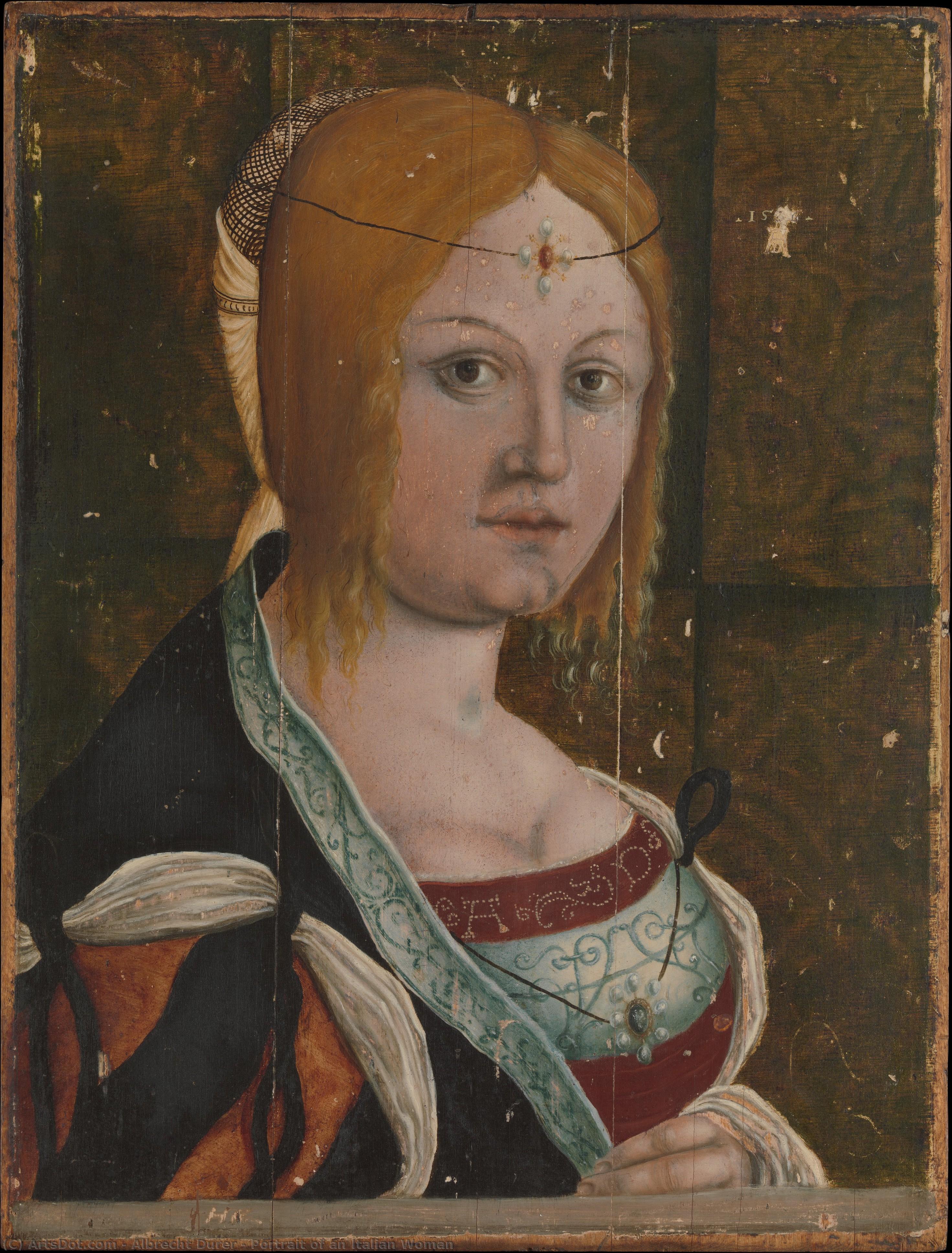
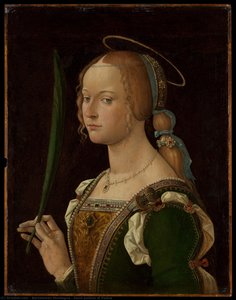
Portrait of an Italian Woman
 Oil
Oil- WallArt
- Renaissance
 Renaissance
 45.0 x 35.0 cm
 Ver más
Giclée / Impresión de arte
Impresiones giclée o en lienzo de calidad de museo con producción rápida y opciones de acabado flexibles. ( Comprar pintura hecha a mano Comprar imagen)




P118B $10

P118H $10

P118W $10

P438Z $10

P508JH $12

P508YH $12

P805H $10

P805Z $10

P919BZ $10

P919G $10

P919XJ $10

P959ZH $10

P968JZ $12

W106C $8

W218G $10

W218JH $8

W218Y $10

W307PJ $10

W316G $10

W316PJ $8

W316Y $10

W398PJ $8

W4111J $10

W500HY $15

W500JH $15

W692G $12

W849H $8

W940BG $15

W953PJ $8




Elija entre nuestros tamaños predefinidos que respetan las proporciones originales de la obra.

Puede introducir sus propias dimensiones para adaptarse a un marco o espacio específico. Si el tamaño seleccionado no coincide con las proporciones de la imagen original, recortaremos la obra de arte o extenderemos la imagen con un borde con efecto espejo o de color sólido. Se enviará una maqueta digital para su aprobación antes de que comience la producción.
Tenga en cuenta que la vista previa en pantalla no refleja el recorte o la extensión real. Solo la maqueta mostrará con precisión la composición final.
Aunque existen tamaños personalizados, recomendamos seleccionar una dimensión de la lista predefinida para preservar las proporciones originales.
Envío a todo el mundo () en 2 semanas en lugar de las 4/5 semanas estándar. (4 septiembre)

Envío exprés gratuito a todo el mundo

Lienzo de lino de alta calidad

Seguro de envío total

Garantía de reembolso de impuestos aduaneros

Garantía de fidelidad cromática exacta

Política de devolución de 60 días (solo por defectos)

Garantía de devolución del 100% del dinero

Descuento por cantidad
 La opción de vidrio solo está disponible en tamaños inferiores a 110 cm.

Portrait of an Italian Woman
Giclée / Impresión de arte
Dimensiones de la reproducción
-


Precio total final
$ 62
A Glimpse into Renaissance Splendor
In the quiet intimacy of Albrecht Dürer’s Portrait of an Italian Woman, we are invited to witness a moment frozen in the amber of the Northern Renaissance. The painting presents a captivating subject: a woman of striking presence, her long blonde hair cascading with a natural elegance that belies the structured formality of her station. Adorned with a delicate crown and a shimmering necklace, she sits as a testament to the era's fascination with both individual character and social prestige. Her gaze, intense and unyielding, pierces through the centuries, establishing an immediate, visceral connection with the viewer. This is not merely a likeness; it is an encounter with a soul preserved through the meticulous mastery of a German master.
The composition breathes with a subtle, layered complexity that rewards the discerning eye. While the woman commands the foreground, Dürer weaves a narrative depth into the periphery, where shadowy figures emerge from the background, suggesting a larger, bustling world just beyond the frame. A solitary bird, perched near the upper corner, adds a touch of ephemeral life to the scene, perhaps serving as a symbol of the fleeting nature of beauty or the lightness of the spirit amidst the weight of earthly status. The interplay of light and shadow creates a sense of volume and atmosphere, pulling the viewer into a space that feels both profoundly personal and historically monumental.
Mastery of Line and the Dürer Legacy
To behold this work is to appreciate the technical zenith of the 15th-century workshop tradition. Albrecht Dürer, a titan of Nuremberg, brought to this portrait a precision born from his lineage of goldsmithing and his rigorous training under Michael Wolgemut. Every strand of hair and every glint of light on her jewelry reflects a disciplined command over medium and texture. The technique suggests a profound understanding of how light interacts with different surfaces—the softness of skin, the cold hardness of precious metals, and the organic flow of textiles. This level of detail is what makes a high-quality reproduction of such a piece so transformative for an interior space; it brings with it a sense of tactile reality and historical gravity.
For the collector or the interior designer, this portrait offers more than mere decoration; it provides a focal point of intellectual and aesthetic depth. The painting’s ability to anchor a room with its somber yet regal palette makes it an ideal centerpiece for sophisticated environments, whether in a classical study or a contemporary gallery-style living area. It serves as a bridge between the meticulous craftsmanship of the past and the refined tastes of the present, offering an enduring elegance that transcends fleeting trends.
An Emotional Resonance for Modern Spaces
Beyond its historical significance, the Portrait of an Italian Woman possesses an emotional resonance that is deeply evocative. There is a certain melancholy intertwined with her strength, a tension between the permanence of art and the transience of human life. This duality creates a compelling atmosphere of contemplation, making the piece a profound addition to any collection focused on emotive storytelling. When placed within a curated space, the painting acts as a silent narrator, inviting guests to pause, reflect, and engage with the mysteries of the Renaissance spirit.
Obras relacionadas
Biografía del artista
Albrecht Dürer: Vida y Legado
Primeros Años y Formación
Albrecht Dürer, una figura imponente del Renacimiento alemán, nació el 21 de mayo de 1471 en Núremberg, Alemania. Su padre, Albrecht Dürer el Viejo, era un exitoso joyero, y fue dentro de este ambiente artístico donde la inclinación de joven Albrecht hacia el arte comenzó a florecer. A los trece años, comenzó su aprendizaje con Michael Wolgemut, un destacado artista en Núremberg, adquiriendo habilidades fundamentales en pintura, dibujo y técnicas de grabado. Un autorretrato creado en 1484, que se exhibe en la Albertina de Viena, proporciona evidencia notable de su talento precoz.
Ascenso a la Prominencia y Desarrollo Artístico
Para sus veinte años, Dürer se había establecido como un maestro grabador, logrando reconocimiento en toda Europa. Emprendió viajes a Italia, donde conoció las obras de maestros del Renacimiento como Rafael, Giovanni Bellini y Leonardo da Vinci. Estas interacciones influyeron profundamente en su estilo artístico, llevándolo a integrar motivos y técnicas clásicas en su estética europea del norte.
Obras Clave y Estilo Artístico
El *oeuvre* de Dürer abarca una amplia gama de medios, incluyendo pinturas, grabados, grabados en madera y escritos teóricos. Algunas de sus obras más celebradas incluyen:
- La Serie del Apocalipsis (1498): Una colección de catorce grabados que ilustran el Libro Revelación, mostrando la habilidad de Dürer en este medio a pesar de sus elementos estilísticos góticos.
- Melancolía I (1514): Tal vez su grabado más enigmático, Melancolía I continúa siendo objeto de un intenso análisis y interpretación por parte de los estudiosos.
- San Jerónimo en su Estudio (1514): Un magistral grabado que demuestra el excepcional dominio de Dürer de la perspectiva, el detalle y la representación simbólica.
El estilo de Dürer se caracteriza por el realismo meticuloso, el dibujo preciso y una profunda comprensión de la anatomía y la perspectiva. También fue pionero en el uso del color aguafuerte como medio independiente.
Contribuciones Teóricas
Más allá de su práctica artística, Dürer hizo contribuciones significativas a la teoría del arte. Escribió varios tratados sobre geometría, proporción y anatomía humana, incluyendo Cuatro Libros de Proporción Humana (1528). Estos escritos demuestran su creencia en las bases matemáticas del arte y su compromiso con establecer un enfoque científico para la creación artística.
Legado e Importancia Histórica
El impacto de Albrecht Dürer en el mundo del arte es innegable. Puenteó la brecha entre las tradiciones europeas del norte y los ideales del Renacimiento italiano, introduciendo motivos clásicos en el arte del norte mientras mantenía su carácter distintivo. Sus tratados teóricos ayudaron a elevar el estatus de los artistas y establecieron un nuevo marco intelectual para la práctica artística. Sigue siendo una figura fundamental en la historia del arte, inspirando a generaciones de artistas con sus habilidades técnicas, espíritu innovador y visión profunda.
Influencias
- Michael Wolgemut
- Leonardo da Vinci
- Rafael
- Giovanni Bellini
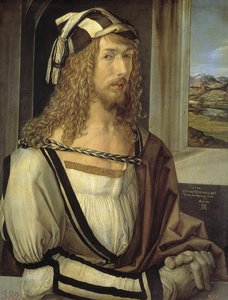
Albrecht Dürer
1471 - 1528 , Italy
Datos clave
- Artistas Que Influyeron:
- Michael Wolgemut
- Rafael
- Giovanni Bellini
- Leonardo da Vinci
- Fecha De Muerte: 1528
- Fecha De Nacimiento: 21 de mayo de 1471
- Lugar De Nacimiento: Núremberg, Italia
- Movimiento Artístico: Renacimiento alemán
- Nacionalidad: Alemán
- Nombre Completo: Albrecht Dürer
- Obras Notables:
- Serie del Apocalipsis
- Melancolía I
- San Jerónimo en su Estudio
Artículos relacionados
Albrecht Dürer: Las 25 Obras Maestras del Renacimiento Alemán | ArtsDot
Descubre las 25 obras maestras de Albrecht Dürer, el genio del Renacimiento alemán. Explora grabados icónicos como 'Melancolía I' y aprende sobre su técnica innovadora. Encuentra reproducciones de arte de alta calidad para decorar tu hogar en ArtsDot.com.
Expresionismo Alemán: 10 Obras Maestras que Transformaron el Arte | ArtsDot
Descubre las 10 obras maestras del Expresionismo Alemán: Kirchner, Munch y más. Explora la historia, técnica y emoción detrás de estos lienzos icónicos. Reproducciones de arte de museo en ArtsDot.com. ¡Inspira tu hogar con arte!
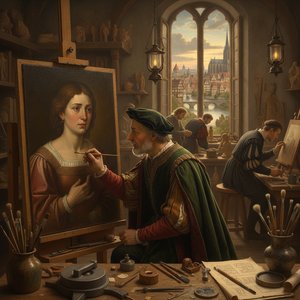
The Northern Awakening: Artistic Innovation & Cultural Transformation in the German Renaissance
Explore the artistic innovation of the German Renaissance! Discover Dürer, the Danube School & Reformation art. Learn about techniques, materials & lasting influence. Find museum-quality reproductions at ArtsDot.
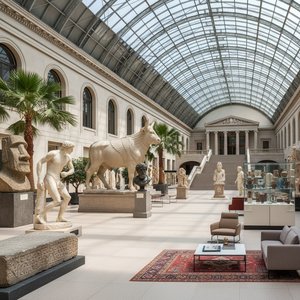
Los 25 Tesoros del Museo Británico: Arte, Historia y Decoración Excepcional
Descubre los 25 tesoros del Museo Británico: desde la Piedra Rosetta hasta obras de Rembrandt y Van Gogh. Explora su historia, técnica y significado. Reproducciones de arte exclusivas en ArtsDot.com para decorar tu hogar con elegancia.
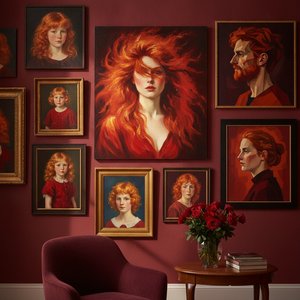
Crimson & Captivating: The Fiery Allure of Red-Haired Masterpieces to Inspire Your Home Gallery
Ignite your interior design with the fiery elegance of red-haired portraits. Explore premium, hand-painted oil reproductions of Renoir and Modigliani. Discover timeless beauty and bespoke commissions at ArtsDot.com—where art history meets modern luxury for your home.