 Vista previa
 Compartir
 Compartir
 Ver detalles

 Descargar
 Ver similares
 Radiografía
 Presentación de diapositivas
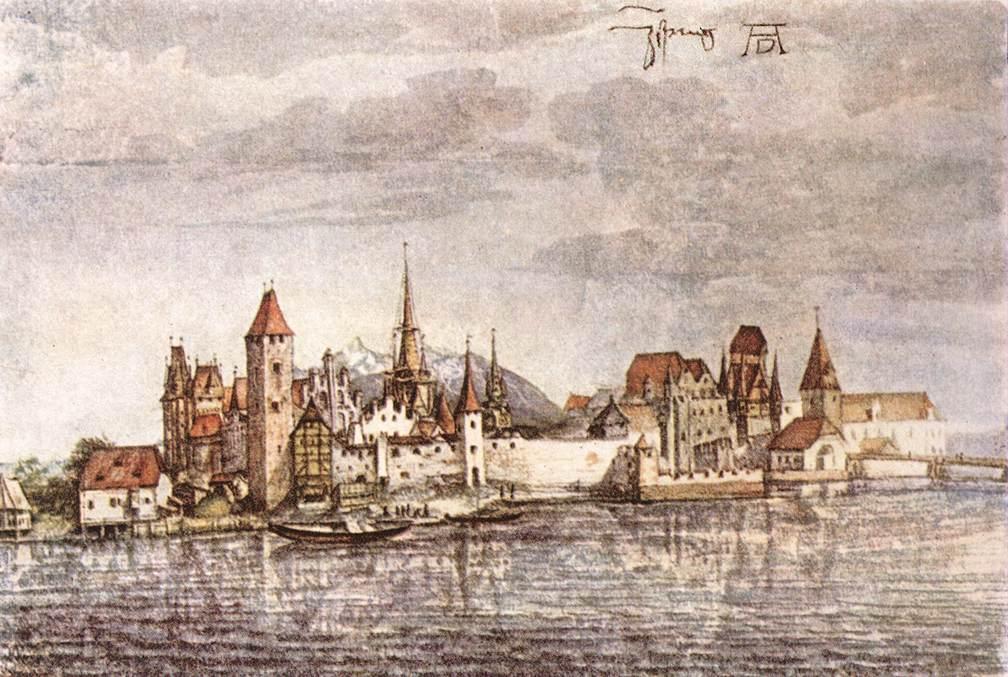
Vista de Innsbruck
 Acrílico
- Arte de pared
- Renacimiento nórdico
 1495
1495 127.0 x 187.0 cm
 Colección Gráfica Albertina
 Leer más
Reproducción al óleo hecha a mano
Óleo sobre lienzo pintado a mano en el tamaño y marco de su elección, realizado por encargo por nuestros artistas. ( Pedir impresión Comprar descarga)




P118B $10

P118H $10

P118W $10

P438Z $10

P508JH $12

P508YH $12

P805H $10

P805Z $10

P919BZ $10

P919G $10

P919XJ $10

P959ZH $10

P968JZ $12

W106C $8

W218G $10

W218JH $8

W218Y $10

W307PJ $10

W316G $10

W316PJ $8

W316Y $10

W398PJ $8

W4111J $10

W500HY $15

W500JH $15

W692G $12

W849H $8

W940BG $15

W953PJ $8




Elija entre nuestros tamaños predefinidos que respetan las proporciones originales de la obra.

Puede ingresar sus propias dimensiones para adaptarse a un marco o espacio específico. Si el tamaño seleccionado no coincide con las proporciones de la imagen original, recortaremos la obra o extenderemos la pintura con elementos adicionales pintados a mano. Se le enviará una maqueta digital para su aprobación antes de comenzar la producción.
Tenga en cuenta que la vista previa en pantalla no refleja el recorte o la extensión reales. Solo la maqueta mostrará con precisión la composición final.
Si bien existen tamaños personalizados, recomendamos seleccionar una dimensión de la lista predefinida para preservar las proporciones originales.
Tras realizar el pedido, el equipo de ArtsDot.com enviará un correo electrónico al cliente para solicitar instrucciones y proporcionarle una vista previa del boceto.
Envío a todo el mundo () en 3-4 semanas en lugar de las 5 semanas estándar. (22 agosto). Sin comprometer la calidad.

Envío exprés gratuito a todo el mundo

Lienzo de lino de alta calidad

Seguro de envío completo

Garantía de reembolso de aranceles aduaneros

Garantía de fidelidad cromática exacta

Política de devolución de 60 días (solo por defectos)

Garantía de devolución del 100% del dinero

Oferta por volumen
 La opción de vidrio solo está disponible en tamaños inferiores a 110 cm.

Vista de Innsbruck
Técnica de reproducción
Tamaño de la reproducción
-


Precio total
$ 263
Descripción de la obra
A Window Into Innsbruck’s Renaissance Soul
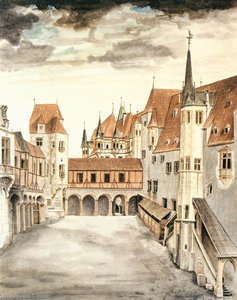
Albrecht Dürer's “View of Innsbruck,” completed in 1495, transcends mere topographical depiction; it embodies the intellectual fervor and artistic ambition characteristic of Northern Renaissance art. Housed within the Graphische Sammlung Albertina in Vienna, this watercolor masterpiece remains a testament to Dürer’s unparalleled skill in capturing both visual precision and emotional resonance—a feat achieved through masterful observation and innovative artistic choices. Measuring 127 x 187 cm, the painting isn't simply a representation of Innsbruck; it’s an invitation into a meticulously crafted world brimming with symbolic significance.The Artistry Behind the Watercolor Technique
Dürer’s selection of watercolor as his medium speaks volumes about his artistic sensibilities. Unlike oil paints which offer rich textures and blending capabilities, watercolor relies on pigment suspended in water—a technique demanding considerable patience and control. As detailed on The Art Medium of Watercolour page, achieving subtle gradations of color and capturing the luminous quality of light required a level of technical mastery that distinguishes Dürer’s work from many contemporaries. This careful layering process allowed him to imbue the scene with depth and atmosphere—a crucial element in conveying the grandeur of Innsbruck during its golden age. The artist's meticulous attention to detail is palpable, evident in the rendering of architectural features and the depiction of flowing water, mirroring the prevailing humanist ideals of clarity and observation that underpinned Renaissance artistic practice.A City Captured Through Perspective
The composition itself is remarkable. Dürer presents Innsbruck from across the river, framing the cityscape with boats positioned prominently in the foreground—a deliberate choice that draws the viewer’s eye into the scene and establishes a sense of spatial depth. Buildings rise on either side of the riverbank, showcasing a diverse range of architectural styles and roof shapes – indicative of Innsbruck's vibrant commercial and residential life at the time. The artist skillfully employs perspective to create an illusion of three dimensions, enhancing realism and conveying the grandeur of the city’s skyline. Towers and spires punctuate the horizon, hinting at churches and other important landmarks—symbols of faith and civic pride within the Renaissance context.Symbolism Embedded in Detail
Beyond its technical brilliance, “View of Innsbruck” is laden with symbolic meaning. The river itself represents fluidity and change – mirroring the dynamism of human experience and reflecting the influence of humanist thought. Furthermore, the careful depiction of architectural elements speaks to the importance placed on classical ideals of beauty and proportion during the Renaissance. Dürer’s masterful watercolor technique elevates this observation beyond mere documentation; it transforms it into an emotive portrayal of Innsbruck's cultural heritage—a visual record that continues to inspire admiration centuries later.A Legacy Enduring Through Reproduction
Like many other seminal artworks, “View of Innsbruck” benefits greatly from high-quality reproductions offered by platforms like ArtsDot.com. These reproductions allow art enthusiasts worldwide to experience the beauty and intellectual depth of Dürer’s vision without the constraints of physical ownership—preserving this masterpiece for future generations while fostering appreciation for Northern Renaissance artistry.Obras relacionadas

Biografía del artista
Albrecht Dürer: Vida y Legado
Primeros Años y Formación
Albrecht Dürer, una figura imponente del Renacimiento alemán, nació el 21 de mayo de 1471 en Núremberg, Alemania. Su padre, Albrecht Dürer el Viejo, era un exitoso joyero, y fue dentro de este ambiente artístico donde la inclinación de joven Albrecht hacia el arte comenzó a florecer. A los trece años, comenzó su aprendizaje con Michael Wolgemut, un destacado artista en Núremberg, adquiriendo habilidades fundamentales en pintura, dibujo y técnicas de grabado. Un autorretrato creado en 1484, que se exhibe en la Albertina de Viena, proporciona evidencia notable de su talento precoz.
Ascenso a la Prominencia y Desarrollo Artístico
Para sus veinte años, Dürer se había establecido como un maestro grabador, logrando reconocimiento en toda Europa. Emprendió viajes a Italia, donde conoció las obras de maestros del Renacimiento como Rafael, Giovanni Bellini y Leonardo da Vinci. Estas interacciones influyeron profundamente en su estilo artístico, llevándolo a integrar motivos y técnicas clásicas en su estética europea del norte.
Obras Clave y Estilo Artístico
El *oeuvre* de Dürer abarca una amplia gama de medios, incluyendo pinturas, grabados, grabados en madera y escritos teóricos. Algunas de sus obras más celebradas incluyen:
- La Serie del Apocalipsis (1498): Una colección de catorce grabados que ilustran el Libro Revelación, mostrando la habilidad de Dürer en este medio a pesar de sus elementos estilísticos góticos.
- Melancolía I (1514): Tal vez su grabado más enigmático, Melancolía I continúa siendo objeto de un intenso análisis y interpretación por parte de los estudiosos.
- San Jerónimo en su Estudio (1514): Un magistral grabado que demuestra el excepcional dominio de Dürer de la perspectiva, el detalle y la representación simbólica.
El estilo de Dürer se caracteriza por el realismo meticuloso, el dibujo preciso y una profunda comprensión de la anatomía y la perspectiva. También fue pionero en el uso del color aguafuerte como medio independiente.
Contribuciones Teóricas
Más allá de su práctica artística, Dürer hizo contribuciones significativas a la teoría del arte. Escribió varios tratados sobre geometría, proporción y anatomía humana, incluyendo Cuatro Libros de Proporción Humana (1528). Estos escritos demuestran su creencia en las bases matemáticas del arte y su compromiso con establecer un enfoque científico para la creación artística.
Legado e Importancia Histórica
El impacto de Albrecht Dürer en el mundo del arte es innegable. Puenteó la brecha entre las tradiciones europeas del norte y los ideales del Renacimiento italiano, introduciendo motivos clásicos en el arte del norte mientras mantenía su carácter distintivo. Sus tratados teóricos ayudaron a elevar el estatus de los artistas y establecieron un nuevo marco intelectual para la práctica artística. Sigue siendo una figura fundamental en la historia del arte, inspirando a generaciones de artistas con sus habilidades técnicas, espíritu innovador y visión profunda.
Influencias
- Michael Wolgemut
- Leonardo da Vinci
- Rafael
- Giovanni Bellini
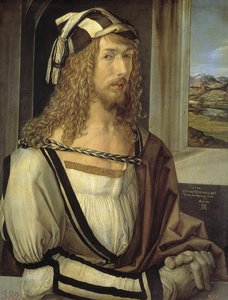
Albrecht Dürer
1471 - 1528 , Italy
Datos clave
- Artistas Que Influyeron:
- Michael Wolgemut
- Rafael
- Giovanni Bellini
- Leonardo da Vinci
- Fecha De Muerte: 1528
- Fecha De Nacimiento: 21 de mayo de 1471
- Lugar De Nacimiento: Núremberg, Italia
- Movimiento Artístico: Renacimiento alemán
- Nacionalidad: Alemán
- Nombre Completo: Albrecht Dürer
- Obras Notables:
- Serie del Apocalipsis
- Melancolía I
- San Jerónimo en su Estudio
Artículos relacionados
Albrecht Dürer: Las 25 Obras Maestras del Renacimiento Alemán | ArtsDot
Descubre las 25 obras maestras de Albrecht Dürer, el genio del Renacimiento alemán. Explora grabados icónicos como 'Melancolía I' y aprende sobre su técnica innovadora. Encuentra reproducciones de arte de alta calidad para decorar tu hogar en ArtsDot.com.

Acuarelas Legendarias: 10 Obras Maestras que Transformaron el Arte | ArtsDot
Descubre 10 acuarelas legendarias de Turner, Monet y Sargent que revolucionaron el arte. Explora la historia, técnica y belleza de estas obras maestras impresionistas y románticas. Reproducciones de museo en ArtsDot.com.

Ephemeral Visions: Exploring the Artistic Legacy & Contemporary Practice of Watercolor Painting
Explore the captivating world of watercolor painting! Discover its rich history, essential techniques, influential artists & collecting tips. A comprehensive guide for art enthusiasts from ArtsDot.

Visiones Efímeras: Historia y Resonancia Emocional de la Pintura Acuarela
Descubre la fascinante historia de la acuarela, desde sus orígenes hasta su expresión contemporánea. Explora técnicas, artistas clave como Paul Klee y encuentra reproducciones de alta calidad en ArtsDot.

Ephemeral Visions: Exploring the Artistic Legacy & Nuances of Watercolor Painting
Explore the captivating world of watercolor painting! Discover its rich history, essential techniques, influential artists & collecting tips from art experts. A comprehensive guide for enthusiasts.