

 Ver en contexto
 Enviar
 Compartir
 Detalles

 Descargar
 Similares
 Radiografía
 Presentación de diapositivas
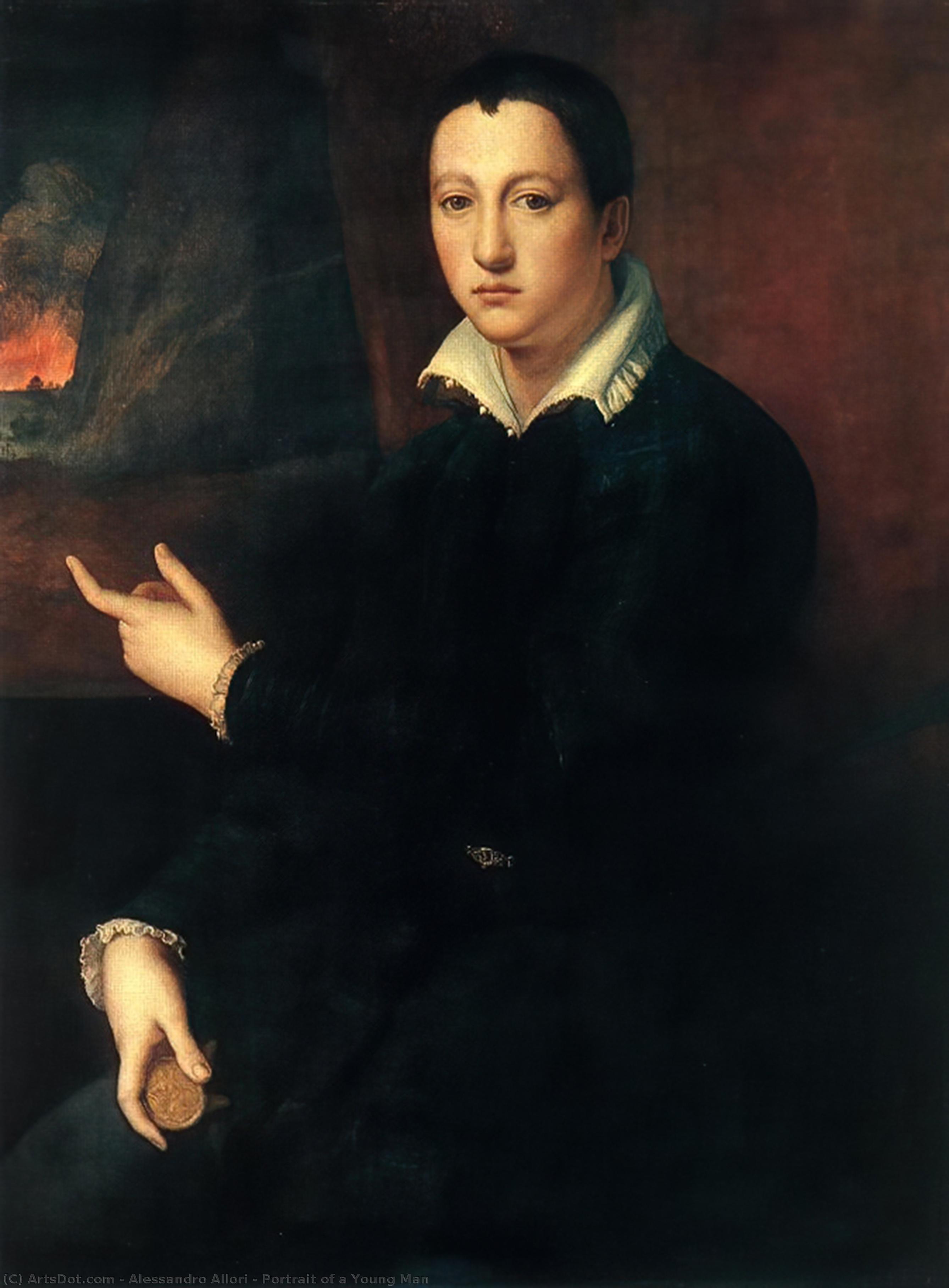
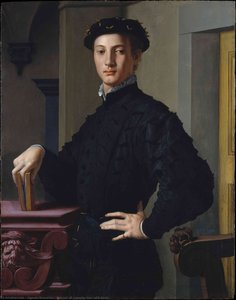
Portrait of a Young Man


 Ver más
Adquiera una imagen digital de alta resolución y optimizada, muy superior a la vista previa en línea.
Cada archivo es preparado meticulosamente por nuestros especialistas internos mediante el uso de herramientas avanzadas y un experto retoque manual. Nos aseguramos de que cada imagen posea una claridad excepcional, una precisión cromática impecable y un detalle minucioso.
El archivo final se entrega por correo electrónico en un plazo de 72 horas, optimizado para su uso inmediato en entornos profesionales, editoriales y de impresión. Esta es la misma calidad en la que confían los estudios de diseño, las editoriales y las galerías de primer nivel.
Imagen Digital
Descarga un archivo de alta resolución para exhibición personal, impresión y proyectos creativos. ( Comprar impresión Comprar pintura hecha a mano)
Incluido en cada pedido de imágenes digitales
Entrega digital experta, garantizada.
Al elegir ArtsDot.com, no solo está adquiriendo una imagen; está recibiendo una obra de arte digital mejorada profesionalmente, elaborada con precisión y respaldada por una garantía de satisfacción. Esto es todo lo que incluye su pedido, automáticamente:

Entrega rápida por email
Recibirá su archivo de imagen digital en alta resolución por correo electrónico en un plazo de 72 horas tras realizar su pedido, listo para su uso inmediato.

Archivo digital optimizado por IA
Su obra de arte se optimiza profesionalmente mediante herramientas avanzadas de IA y edición manual, garantizando el máximo detalle, claridad y precisión cromática.

Reenvío gratuito de por vida
¿Has borrado o perdido tu archivo por error? No te preocupes: te lo volveremos a enviar en cualquier momento, sin coste adicional.

Sin gastos de importación, siempre
Disfrute de su obra de arte al instante sin aduanas, aranceles ni gastos de envío; las descargas digitales siempre están libres de impuestos.

Garantía de fidelidad de color
Garantizamos que su imagen digital refleje los colores originales con la mayor fidelidad posible, mediante el uso de herramientas profesionales y gestión del color.

Garantía de satisfacción de 60 días
Si no está satisfecho con su imagen digital, la revisaremos o le reembolsaremos el 100% en un plazo de 60 días, sin preguntas.

100% Garantía de devolución de dinero
¿No está satisfecho? Obtenga un reembolso completo dentro de los 60 días posteriores a la recepción de su archivo digital, sin necesidad de explicaciones.

Descuentos por pedidos grandes
Compra 3 imágenes, ahorra 10% - Compra 5, ahorra 15% - Compra 10+, ahorra 20%. Ideal para proyectos creativos, galerías y agencias.
Descripción del coleccionable
A Study in Renaissance Dignity: Unveiling Alessandro Allori’s ‘Portrait of a Young Man’
Alessandro Allori's “Portrait of a Young Man,” painted circa 1560-65, is more than just a likeness; it’s a carefully constructed meditation on status, contemplation, and the burgeoning spirit of the Italian Renaissance. This arresting portrait, currently residing in the Ashmolean Museum in Oxford, immediately draws the viewer into a world of restrained elegance and subtle psychological depth – a testament to Allori's mastery of capturing not just appearance but also the quiet intensity within. The painting’s power lies in its ability to evoke a sense of dignified reserve, hinting at an inner life both complex and profoundly thoughtful.
The composition is remarkably controlled, centering on the young man who occupies the majority of the frame. His posture, subtly angled towards the viewer, suggests a deliberate awareness – he’s not merely posing for the artist; he's engaging with the act of representation itself. The inclusion of two secondary figures in the background—a woman to his left and a gentleman further back on the right—adds layers of narrative without disrupting the central focus. A prominent clock near the top-left corner subtly anchors the scene, perhaps symbolizing the passage of time or the subject’s awareness of his position within society's intricate hierarchy.
A Palette of Shadow and Light: Technique and Materiality
Allori’s technical skill is immediately apparent in the painting’s rich color palette. Dominated by deep browns, blacks, and muted greens, the overall effect is one of somber formality. However, this darkness is skillfully punctuated by highlights of white – particularly noticeable in the subject's collar and face—creating a dramatic interplay of light and shadow that emphasizes his features and lends depth to the portrait. The artist’s use of oil paint on canvas allows for meticulous layering, building up textures from the smooth skin of the face to the more pronounced roughness of the fabric. Glazes are likely employed to achieve subtle color transitions, adding luminosity and a remarkable sense of realism.
The painting's linear perspective, while not flawlessly consistent, effectively establishes depth, drawing the eye into the background landscape glimpsed through an opening or window. This atmospheric perspective—the blurring of details in the distance—creates a convincing illusion of space and reinforces the feeling of looking out at a broader world beyond the immediate scene. The strong lines defining the subject’s clothing – the elaborate ruffles of his collar, the folds of his sleeves – are meticulously rendered, showcasing Allori's attention to detail and his understanding of fabric texture.
Symbolism and the Portraiture of an Era
The stern expression on the young man’s face is perhaps the most striking element of the portrait. It conveys a sense of seriousness, even disapproval—a quiet dignity that speaks volumes about his character. His gesture – a subtle pointing outwards – suggests importance or direction, as if he's offering guidance or sharing an observation. The inclusion of the clock could be interpreted symbolically, representing the passage of time and perhaps alluding to the subject’s awareness of his social standing and responsibilities.
Stylistically, “Portrait of a Young Man” firmly places Allori within the late Mannerist tradition—a period characterized by elongated forms, complex compositions, and an emphasis on psychological realism. Yet, unlike some of his Mannerist contemporaries, Allori avoids excessive ornamentation or artificiality, instead opting for a more restrained and controlled aesthetic. The painting’s overall effect is one of polished sophistication, reflecting the values and sensibilities of Renaissance Florence.
A Legacy in Oil: Alessandro Allori's Enduring Influence
Alessandro Allori (1535-1607) was a pivotal figure in Florentine art, deeply influenced by Agnolo Bronzino, his mentor. His work embodies the transition from the High Renaissance to Mannerism, showcasing both technical brilliance and a profound understanding of human psychology. “Portrait of a Young Man” stands as a prime example of Allori’s artistic vision—a captivating study in dignity, contemplation, and the enduring power of portraiture.
Obras relacionadas


Biografía del artista
Alessandro Allori: Pintor Manierista Florentino
- Nacido: Florencia, Italia (31 de mayo de 1535)
- Fallecido: 22 de septiembre de 1607
Vida Temprana y Formación
Alessandro Allori nació en Florencia en 1535. Tras la muerte de su padre en 1540, fue criado y formado por Agnolo Bronzino, un renombrado pintor manierista y un amigo cercano de la familia. Esta tutoría moldeó profundamente el estilo artístico de Allori. La influencia de Bronzino es evidente en la preferencia de Allori por formas antinaturales, similares al mármol, y un enfoque en estatuas frías dentro de sus composiciones.
Estilo Artístico e Influencias
El trabajo de Allori a menudo se caracteriza como derivativo, con críticos que notan que parecía inspirarse principalmente en el arte preexistente. Su estilo se marca por la representación pulida de figuras que poseen una calidad antinatural, casi similar al mármol, lo que le da a sus pinturas una apariencia bidimensional y estatuaria. Esta estética se puede observar en sus colaboraciones con Giovanni Maria Butteri y su principal alumno, Giovanni Bizzelli. Otros alumnos notables incluyeron Cristoforo del Altissimo, Cesare Dandini, Aurelio Lomi, John Mosnier, Alessandro Pieroni, Giovanni Battista Vanni y Monanni.
- Características Clave: Formas similares al mármol antinaturales, estatuaria fría, figuras pulidas, calidad bidimensional.
- Influencias: Agnolo Bronzino, movimiento manierista.
Obras Principales y Legado
Las contribuciones artísticas de Alessandro Allori se pueden encontrar en varios museos de todo el mundo, incluido el Gemäldegalerie en Berlín. Un evento notable ocurrió en 2006 cuando una pintura de Allori, posiblemente un retrato de Eleonora (Dianora) di Toledo de' Medici, fue devuelta al Gemäldegalerie por el corresponsal extranjero de la BBC, Sir Charles Wheeler, quien la había recibido en Alemania en 1952.
- Obras Notables: "Alegoría de la Vida Humana", "Historias de San Jerónimo" (fresco), varios retratos.
- Legado: Su hijo, Cristofano Allori, también se convirtió en pintor, continuando la tradición artística familiar.
Significado Histórico
Alessandro Allori ocupa un lugar significativo en la historia del arte florentino como una figura clave dentro de la escuela manierista tardía. Si bien su estilo ha sido criticado por su naturaleza derivativa, jugó un papel importante en la transmisión y el desarrollo de la estética manierista. Su influencia se puede ver en las obras de sus alumnos, y sus pinturas continúan siendo estudiadas y admiradas por los entusiastas del arte en la actualidad. También estuvo involucrado en proyectos decorativos significativos para importantes mecenas como la familia Medici, lo que demuestra su importancia dentro de los círculos artísticos de Florencia.
Alessandro Allori
1535 - 1607 , Italia
Breves datos
- Artistas Influenciados:
- Cristofano Allori
- Alessandro Pieroni
- Artistas Que Influyeron:
- Agnolo Bronzino
- Miguel Ángel
- Fecha De Fallecimiento: 22 de septiembre de 1607
- Fecha De Nacimiento: 31 de mayo de 1535
- Lugar De Nacimiento: Florencia, Italia
- Movimiento Artístico: Manierismo tardío
- Nacionalidad: Italiana
- Nombre Completo: Alessandro Allori
- Obras Notables:
- Alegoría de la vida humana
- Historias de San Jerónimo

