 Ver en contexto
 Enviar
 Compartir
 Detalles

 Descargar
 Similares
 Radiografía
 Presentación de diapositivas
 Estadísticas
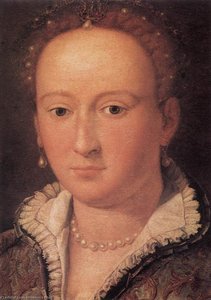
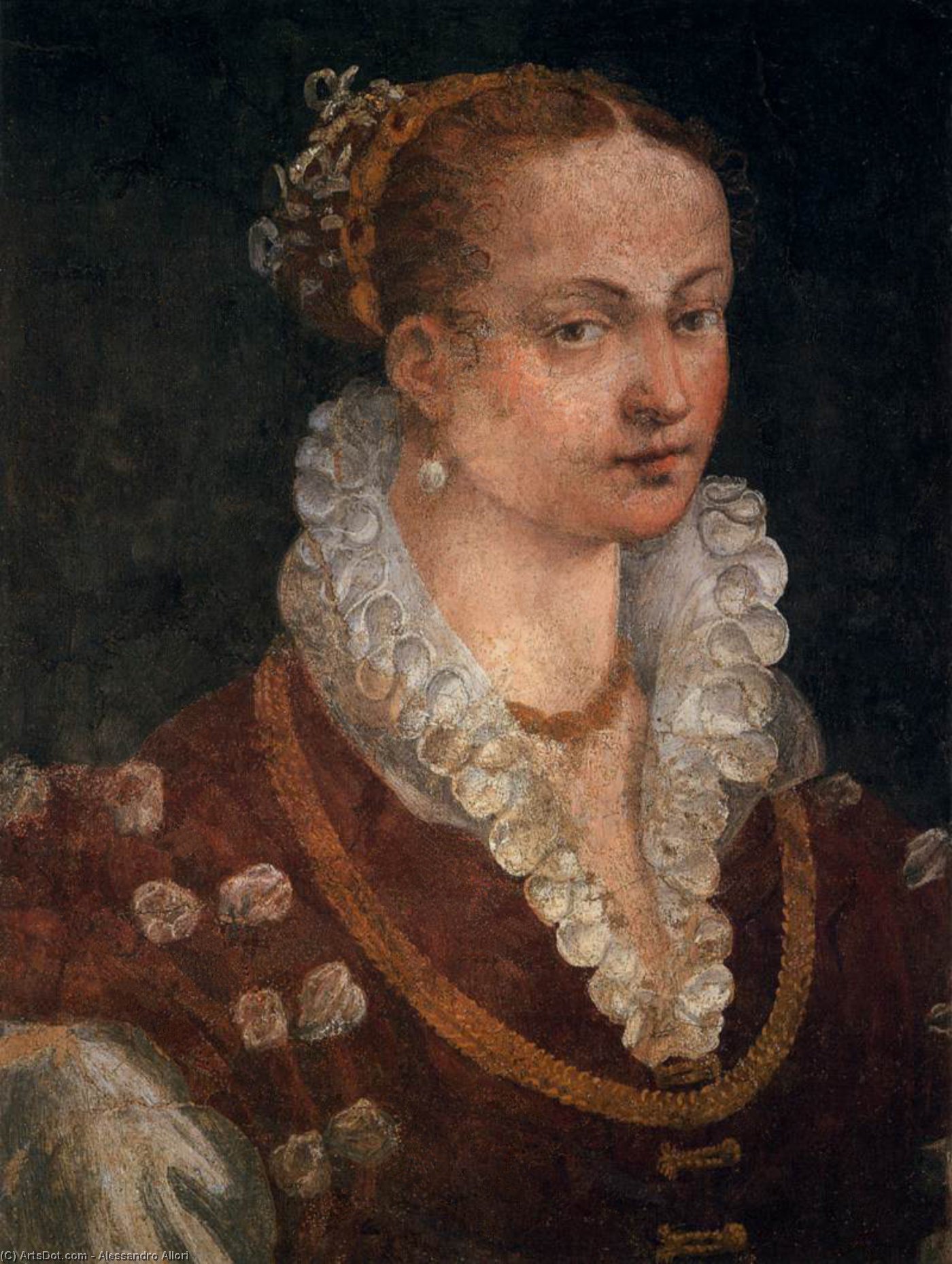
Portrait of Bianca Cappello, Second Wife of Francesco I de' Medici
 Acrylic On Canvas
- WallArt
- Late Mannerism
 1580
1580 75.0 x 52.0 cm
 Galería de los Uffizi
 Ver más
Giclée / Impresión de arte
Impresiones giclée o en lienzo de calidad de museo con producción rápida y opciones de acabado flexibles. ( Comprar pintura hecha a mano Cambiar a imagen digital)




P118B $10

P118H $10

P118W $10

P438Z $10

P508JH $12

P508YH $12

P805H $10

P805Z $10

P919BZ $10

P919G $10

P919XJ $10

P959ZH $10

P968JZ $12

W106C $8

W218G $10

W218JH $8

W218Y $10

W307PJ $10

W316G $10

W316PJ $8

W316Y $10

W398PJ $8

W4111J $10

W500HY $15

W500JH $15

W692G $12

W849H $8

W940BG $15

W953PJ $8




Elija entre nuestros tamaños predefinidos que respetan las proporciones originales de la obra.

Puede introducir sus propias dimensiones para adaptarse a un marco o espacio específico. Si el tamaño seleccionado no coincide con las proporciones de la imagen original, recortaremos la obra de arte o extenderemos la imagen con un borde con efecto espejo o de color sólido. Se enviará una maqueta digital para su aprobación antes de que comience la producción.
Tenga en cuenta que la vista previa en pantalla no refleja el recorte o la extensión real. Solo la maqueta mostrará con precisión la composición final.
Aunque existen tamaños personalizados, recomendamos seleccionar una dimensión de la lista predefinida para preservar las proporciones originales.
Envío a todo el mundo () en 2 semanas en lugar de las 4/5 semanas estándar. (9 septiembre)

Envío exprés gratuito a todo el mundo

Lienzo de lino de alta calidad

Seguro de envío total

Garantía de reembolso de impuestos aduaneros

Garantía de fidelidad cromática exacta

Política de devolución de 100 días (solo por defectos)

Garantía de devolución del 100% del dinero

Descuento por cantidad
 La opción de vidrio solo está disponible en tamaños inferiores a 110 cm.

Portrait of Bianca Cappello, Second Wife of Francesco I de' Medici
Giclée / Impresión de arte
Dimensiones de la reproducción
-


Precio total final
$ 62
Portrait of Bianca Cappello: A Medici Intrigue in Velvet and Shadow
Alessandro Allori’s “Portrait of Bianca Cappello, Second Wife of Francesco I de' Medici” – a captivating work completed around 1580 – is more than just a likeness; it’s a carefully constructed tableau of power, desire, and veiled secrets. Measuring a modest 75 x 52 cm, this fresco, now housed in the Galleria degli Uffizi in Florence, offers a glimpse into the turbulent world of the Medici court, specifically the scandalous affair that cemented Bianca Cappello's place as one of Florence’s most intriguing figures. The painting immediately draws the eye to Bianca herself – a woman radiating an almost unsettling allure. Her long, flowing hair is rendered with a subtle shimmer, hinting at the luxurious fabrics she undoubtedly wore, while her direct gaze challenges the viewer, inviting speculation about the thoughts and emotions hidden beneath her composed exterior.
Allori’s masterful technique exemplifies the late Mannerist style prevalent during this period. He eschews the idealized beauty of earlier Renaissance portraits in favor of a more psychologically complex representation. Notice the elongated proportions of Bianca's hands, a hallmark of Mannerism, and the delicate modeling of her features – each curve and shadow meticulously crafted to create an illusion of depth and volume. The use of color is restrained yet effective; the rich crimson of her gown contrasts dramatically with the cool tones of the background, drawing attention to the central figure and emphasizing her importance within the composition. The subtle hints of gold in her jewelry—a necklace and earrings—further underscore her elevated status.
A Woman of Intrigue: Bianca Cappello’s Rise and Fall
Bianca Cappello's story is inextricably linked to the fortunes of the Medici dynasty. Born into a prominent Venetian noble family, she possessed an undeniable beauty that quickly caught the eye of Francesco I de' Medici, then Grand Duke of Tuscany. Their relationship began as a clandestine affair, fueled by mutual attraction and political maneuvering. Francesco, seeking to secure his succession and circumvent the restrictions imposed by his wife, Joanna of Austria, married Bianca in 1578 – a move that scandalized Florence and ignited considerable opposition from the powerful Medici family, particularly Francesco’s brother, Ferdinando.
The painting captures this pivotal moment. While the presence of two secondary figures—likely members of the court—adds depth to the scene, they remain deliberately understated, serving primarily as witnesses to Bianca's central position. The arrangement subtly suggests a power dynamic: Bianca is not merely a subject but the focal point of attention, radiating an aura of both vulnerability and defiance. Historical accounts suggest that Francesco’s brother, Ferdinando, orchestrated Bianca’s death, possibly through poisoning, in 1587, fueled by jealousy and resentment over her influence within the court.
Symbolism and Artistic Devices
Beyond its narrative content, “Portrait of Bianca Cappello” is rich in symbolic details. The crimson gown, a color associated with royalty and passion, reinforces Bianca’s elevated status and hints at the tumultuous nature of her relationship with Francesco. The pearl necklace, a symbol of purity and virtue, ironically contrasts sharply with the illicit affair she engaged in. Allori employs subtle visual cues to convey this duality – Bianca's gaze is direct and confident, yet there’s an underlying tension, a suggestion that she is aware of the precariousness of her position.
Furthermore, the painting’s composition—a carefully balanced arrangement of figures within a shallow space—creates a sense of intimacy and immediacy. The use of *sfumato*, a technique pioneered by Leonardo da Vinci, softens the edges of Bianca's features, lending her an ethereal quality and contributing to the overall atmosphere of mystery and intrigue. The background, rendered in muted tones, serves as a neutral backdrop, allowing Bianca’s presence to dominate the scene.
A Timeless Masterpiece: Reproduction Possibilities
ArtsDot offers meticulously crafted hand-painted reproductions of Alessandro Allori's “Portrait of Bianca Cappello,” capturing the essence of this iconic work with unparalleled fidelity. Our artists utilize traditional techniques and archival-quality materials to ensure that each reproduction faithfully replicates the painting’s nuanced colors, delicate details, and atmospheric depth. Whether you are an art collector, interior designer seeking a statement piece, or simply an admirer of Renaissance art, our reproductions provide a beautiful and authentic way to experience this captivating portrait – a window into the dramatic world of the Medici court and the enigmatic figure of Bianca Cappello.
Obras relacionadas

Biografía del artista
Alessandro Allori: Pintor Manierista Florentino
- Nacido: Florencia, Italia (31 de mayo de 1535)
- Fallecido: 22 de septiembre de 1607
Vida Temprana y Formación
Alessandro Allori nació en Florencia en 1535. Tras la muerte de su padre en 1540, fue criado y formado por Agnolo Bronzino, un renombrado pintor manierista y un amigo cercano de la familia. Esta tutoría moldeó profundamente el estilo artístico de Allori. La influencia de Bronzino es evidente en la preferencia de Allori por formas antinaturales, similares al mármol, y un enfoque en estatuas frías dentro de sus composiciones.
Estilo Artístico e Influencias
El trabajo de Allori a menudo se caracteriza como derivativo, con críticos que notan que parecía inspirarse principalmente en el arte preexistente. Su estilo se marca por la representación pulida de figuras que poseen una calidad antinatural, casi similar al mármol, lo que le da a sus pinturas una apariencia bidimensional y estatuaria. Esta estética se puede observar en sus colaboraciones con Giovanni Maria Butteri y su principal alumno, Giovanni Bizzelli. Otros alumnos notables incluyeron Cristoforo del Altissimo, Cesare Dandini, Aurelio Lomi, John Mosnier, Alessandro Pieroni, Giovanni Battista Vanni y Monanni.
- Características Clave: Formas similares al mármol antinaturales, estatuaria fría, figuras pulidas, calidad bidimensional.
- Influencias: Agnolo Bronzino, movimiento manierista.
Obras Principales y Legado
Las contribuciones artísticas de Alessandro Allori se pueden encontrar en varios museos de todo el mundo, incluido el Gemäldegalerie en Berlín. Un evento notable ocurrió en 2006 cuando una pintura de Allori, posiblemente un retrato de Eleonora (Dianora) di Toledo de' Medici, fue devuelta al Gemäldegalerie por el corresponsal extranjero de la BBC, Sir Charles Wheeler, quien la había recibido en Alemania en 1952.
- Obras Notables: "Alegoría de la Vida Humana", "Historias de San Jerónimo" (fresco), varios retratos.
- Legado: Su hijo, Cristofano Allori, también se convirtió en pintor, continuando la tradición artística familiar.
Significado Histórico
Alessandro Allori ocupa un lugar significativo en la historia del arte florentino como una figura clave dentro de la escuela manierista tardía. Si bien su estilo ha sido criticado por su naturaleza derivativa, jugó un papel importante en la transmisión y el desarrollo de la estética manierista. Su influencia se puede ver en las obras de sus alumnos, y sus pinturas continúan siendo estudiadas y admiradas por los entusiastas del arte en la actualidad. También estuvo involucrado en proyectos decorativos significativos para importantes mecenas como la familia Medici, lo que demuestra su importancia dentro de los círculos artísticos de Florencia.
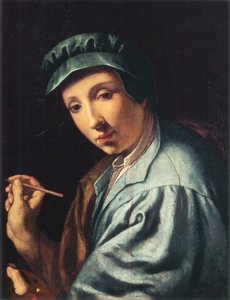
Alessandro Allori
1535 - 1607 , Italia
Datos clave
- Artistas Influenciados:
- Cristofano Allori
- Alessandro Pieroni
- Artistas Que Influyeron:
- Agnolo Bronzino
- Miguel Ángel
- Fecha De Fallecimiento: 22 de septiembre de 1607
- Fecha De Nacimiento: 31 de mayo de 1535
- Lugar De Nacimiento: Florencia, Italia
- Movimiento Artístico: Manierismo tardío
- Nacionalidad: Italiana
- Nombre Completo: Alessandro Allori
- Obras Notables:
- Alegoría de la vida humana
- Historias de San Jerónimo
Artículos relacionados
Giulio Romano: A Master of Mannerism & the Palazzo Te Legacy
Explore the revolutionary art of Giulio Romano, master of Mannerism & architect of Palazzo Te. Discover his influence, investment potential, and stunning frescoes – a guide for discerning collectors.
Mannerismo: 10 Obras Maestras que Definieron un Estilo Revolucionario | ArtsDot.com
Descubre las 10 obras maestras del Mannerismo: Pontormo, El Greco y más. Explora la elegancia renacentista, figuras alargadas y paletas vibrantes de este movimiento artístico único. Reproducciones de arte exclusivas en ArtsDot.com.
The Dramatic Dialogue: Baroque Mannerism & the Synthesis of Emotion, Form, and Artistic Rebellion
Explore the dramatic world of Baroque Mannerism! Discover its history, iconic artists like Rubens & El Greco, and lasting influence on art. Expert insights for collectors & enthusiasts at ArtsDot.
El Crepúsculo del Clasicismo Renacentista: Un Estudio del Estilo y la Afectación en el Manierismo
Descubre el Manierismo: un análisis profundo de este fascinante estilo artístico del Renacimiento tardío. Explora sus características, artistas clave y legado con ArtsDot.
Renaissance Mannerism: Style, Subtlety & the Transition from Harmony to Artifice
Explore the captivating world of Renaissance Mannerism! Discover its key characteristics, pioneering artists like Pontormo & Bronzino, and its pivotal role in art history. Expert insights & museum-quality reproductions at ArtsDot.