 Ver en contexto
 Enviar
 Compartir
 Detalles

 Descargar
 Similares
 Radiografía
 Presentación de diapositivas
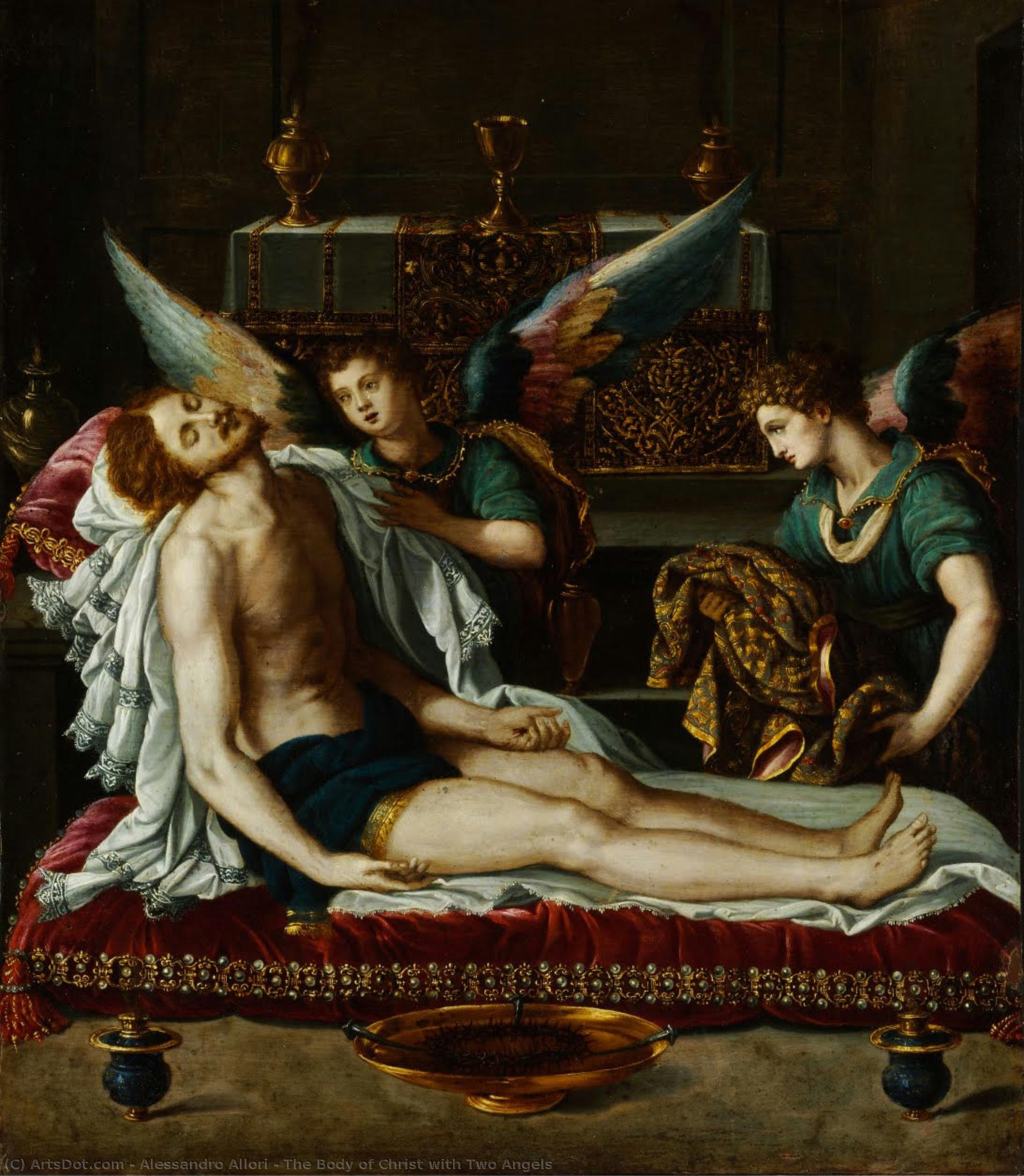
The Body of Christ with Two Angels
 Oil On Canvas
- WallArt
- Late Mannerism
 1590
1590 45.0 x 39.0 cm
 Museo de Bellas Artes (Budapest)
 Ver más
Giclée / Impresión de arte
Impresiones giclée o en lienzo de calidad de museo con producción rápida y opciones de acabado flexibles. ( Comprar pintura hecha a mano Comprar imagen)




P118B $10

P118H $10

P118W $10

P438Z $10

P508JH $12

P508YH $12

P805H $10

P805Z $10

P919BZ $10

P919G $10

P919XJ $10

P959ZH $10

P968JZ $12

W106C $8

W218G $10

W218JH $8

W218Y $10

W307PJ $10

W316G $10

W316PJ $8

W316Y $10

W398PJ $8

W4111J $10

W500HY $15

W500JH $15

W692G $12

W849H $8

W940BG $15

W953PJ $8




Elija entre nuestros tamaños predefinidos que respetan las proporciones originales de la obra.

Puede introducir sus propias dimensiones para adaptarse a un marco o espacio específico. Si el tamaño seleccionado no coincide con las proporciones de la imagen original, recortaremos la obra de arte o extenderemos la imagen con un borde con efecto espejo o de color sólido. Se enviará una maqueta digital para su aprobación antes de que comience la producción.
Tenga en cuenta que la vista previa en pantalla no refleja el recorte o la extensión real. Solo la maqueta mostrará con precisión la composición final.
Aunque existen tamaños personalizados, recomendamos seleccionar una dimensión de la lista predefinida para preservar las proporciones originales.
Envío a todo el mundo () en 2 semanas en lugar de las 4/5 semanas estándar. (27 agosto)

Envío exprés gratuito a todo el mundo

Lienzo de lino de alta calidad

Seguro de envío total

Garantía de reembolso de impuestos aduaneros

Garantía de fidelidad cromática exacta

Política de devolución de 60 días (solo por defectos)

Garantía de devolución del 100% del dinero

Descuento por cantidad
 La opción de vidrio solo está disponible en tamaños inferiores a 110 cm.

The Body of Christ with Two Angels
Giclée / Impresión de arte
Dimensiones de la reproducción
-


Precio total final
$ 62
Descripción de la pieza
A Glimpse into the Soul: Alessandro Allori’s “The Body of Christ with Two Angels”
Alessandro Allori's "The Body of Christ with Two Angels," painted around 1590, isn’t merely a depiction of a religious scene; it’s an invitation to contemplate profound sorrow and the quiet dignity of suffering. Emerging from the shadowy depths of the Palazzo Vecchio’s storeroom, this painting transcends its humble origins – a fragment within a larger collection – to become a powerfully intimate meditation on loss and divine compassion. The work immediately draws the eye with its restrained palette of deep blues, ochres, and reds, colors that evoke both the solemnity of death and the warmth of human empathy. It’s a scene steeped in Byzantine tradition, yet subtly infused with Allori's distinctly Florentine sensibility – a delicate balance between reverence and earthly realism.
- Subject Matter: The painting centers on the lifeless body of Christ, laid upon a simple wooden bed draped in crimson velvet. Two serene angels flank the scene, their gestures conveying not judgment or condemnation, but a profound sense of comfort and care.
- Style & Technique: Allori’s style is characterized by its polished surfaces, elongated figures, and a masterful use of light and shadow – hallmarks of the late Mannerist movement. The drapery flows with an almost sculptural quality, while the faces of Christ and the angels are rendered with remarkable sensitivity, capturing a fleeting expression of peace.
- Historical Context: Painted during the Counter-Reformation, this work reflects the era’s renewed emphasis on religious devotion and emotional engagement. The scene draws heavily from Byzantine iconography, particularly the “Epitaphios” – an image depicting Christ's body laid out for anointing – a tradition deeply rooted in Eastern Orthodox Christianity.
Symbolism Woven into the Fabric of Grief
Beyond its immediate depiction, "The Body of Christ with Two Angels" is rich in symbolic meaning. The crimson velvet beneath Christ’s body isn't simply a decorative element; it represents the “red stone” – the relic of the Holy Stone of Unction, venerated in Jerusalem and believed to have been used to anoint Christ’s body after his crucifixion. This detail subtly connects the painting to the broader narrative of Christian pilgrimage and devotion. The angels themselves are not presented as imposing figures of authority but rather as gentle attendants, embodying compassion and mercy. Their positioning – one closer to the left edge, the other nearer to the right – creates a sense of balance and harmony, mirroring the divine order within the scene.
The inclusion of a dining table with two cups and a bowl adds an unexpected layer of domesticity to the sacred space, suggesting a moment of quiet contemplation amidst profound grief. It’s as if Christ is being cared for in his final moments, surrounded by the familiar comforts of home – a poignant reminder of his humanity.A Florentine Legacy: Allori's Artistic Journey
Alessandro Allori’s artistic development was profoundly shaped by his early life. Orphaned at a young age, he found an unlikely mentor in Agnolo Bronzino, one of Florence’s most celebrated painters. This adoption wasn’t merely familial—it was an immersion into a world of refined technique, intellectual rigor, and the distinctive aesthetic principles that would come to define Allori’s own style. Bronzino instilled within him not only technical mastery but also a particular sensibility: a preference for polished surfaces, elongated forms, and a cool, almost sculptural quality in his figures. This influence became the cornerstone of Allori's artistic identity, though it often drew criticism for its perceived derivativeness throughout his career.
Allori’s work reflects a complex interplay between tradition and innovation. He skillfully blended Byzantine iconography with his own unique Florentine style, creating images that are both deeply rooted in the past and strikingly contemporary. His ability to capture the emotional weight of religious subjects – particularly grief and compassion – is what truly sets his paintings apart.Bringing “The Body of Christ” into Your Space
Reproductions of "The Body of Christ with Two Angels" offer a remarkable opportunity to bring this evocative artwork into your home or office. ArtsDot’s meticulous reproductions faithfully capture the painting's nuanced details, colors, and textures, allowing you to experience its emotional depth and artistic beauty firsthand. Whether displayed as a statement piece in a formal living room or as a contemplative focal point in a study, this painting is sure to evoke a sense of serenity, reflection, and profound connection to the enduring themes of faith and humanity.
Obras relacionadas

Biografía del artista
Alessandro Allori: Pintor Manierista Florentino
- Nacido: Florencia, Italia (31 de mayo de 1535)
- Fallecido: 22 de septiembre de 1607
Vida Temprana y Formación
Alessandro Allori nació en Florencia en 1535. Tras la muerte de su padre en 1540, fue criado y formado por Agnolo Bronzino, un renombrado pintor manierista y un amigo cercano de la familia. Esta tutoría moldeó profundamente el estilo artístico de Allori. La influencia de Bronzino es evidente en la preferencia de Allori por formas antinaturales, similares al mármol, y un enfoque en estatuas frías dentro de sus composiciones.
Estilo Artístico e Influencias
El trabajo de Allori a menudo se caracteriza como derivativo, con críticos que notan que parecía inspirarse principalmente en el arte preexistente. Su estilo se marca por la representación pulida de figuras que poseen una calidad antinatural, casi similar al mármol, lo que le da a sus pinturas una apariencia bidimensional y estatuaria. Esta estética se puede observar en sus colaboraciones con Giovanni Maria Butteri y su principal alumno, Giovanni Bizzelli. Otros alumnos notables incluyeron Cristoforo del Altissimo, Cesare Dandini, Aurelio Lomi, John Mosnier, Alessandro Pieroni, Giovanni Battista Vanni y Monanni.
- Características Clave: Formas similares al mármol antinaturales, estatuaria fría, figuras pulidas, calidad bidimensional.
- Influencias: Agnolo Bronzino, movimiento manierista.
Obras Principales y Legado
Las contribuciones artísticas de Alessandro Allori se pueden encontrar en varios museos de todo el mundo, incluido el Gemäldegalerie en Berlín. Un evento notable ocurrió en 2006 cuando una pintura de Allori, posiblemente un retrato de Eleonora (Dianora) di Toledo de' Medici, fue devuelta al Gemäldegalerie por el corresponsal extranjero de la BBC, Sir Charles Wheeler, quien la había recibido en Alemania en 1952.
- Obras Notables: "Alegoría de la Vida Humana", "Historias de San Jerónimo" (fresco), varios retratos.
- Legado: Su hijo, Cristofano Allori, también se convirtió en pintor, continuando la tradición artística familiar.
Significado Histórico
Alessandro Allori ocupa un lugar significativo en la historia del arte florentino como una figura clave dentro de la escuela manierista tardía. Si bien su estilo ha sido criticado por su naturaleza derivativa, jugó un papel importante en la transmisión y el desarrollo de la estética manierista. Su influencia se puede ver en las obras de sus alumnos, y sus pinturas continúan siendo estudiadas y admiradas por los entusiastas del arte en la actualidad. También estuvo involucrado en proyectos decorativos significativos para importantes mecenas como la familia Medici, lo que demuestra su importancia dentro de los círculos artísticos de Florencia.

Alessandro Allori
1535 - 1607 , Italia
Datos clave
- Artistas Influenciados:
- Cristofano Allori
- Alessandro Pieroni
- Artistas Que Influyeron:
- Agnolo Bronzino
- Miguel Ángel
- Fecha De Fallecimiento: 22 de septiembre de 1607
- Fecha De Nacimiento: 31 de mayo de 1535
- Lugar De Nacimiento: Florencia, Italia
- Movimiento Artístico: Manierismo tardío
- Nacionalidad: Italiana
- Nombre Completo: Alessandro Allori
- Obras Notables:
- Alegoría de la vida humana
- Historias de San Jerónimo
Artículos relacionados
Celestial Messengers: Angels in Painting – A Historical & Artistic Exploration
Explore the captivating history of angels in painting! Discover symbolism, iconic Renaissance & Byzantine masterpieces, and renowned artists. Expert insights for art lovers & collectors at ArtsDot.
Celestial Messengers: A Comprehensive Exploration of Angelic Representation in Art History
Explore the captivating history of angels in art! Discover symbolism, iconic Renaissance masterpieces & renowned artists. Expert insights for art lovers & collectors at ArtsDot.
Fra Angelico: Las 25 Obras Maestras del Renacimiento para Decorar con Arte y Fe
Descubre las 25 obras maestras de Fra Angelico, el pintor renacentista que llenó el arte sacro de luz y fe. Explora su técnica, simbolismo y belleza en frescos e iconos. Encuentra reproducciones de alta calidad para decorar tu hogar con ArtsDot.com.
Sacred Narratives on Canvas: Exploring Religious Painting Through History
Explore the rich history of religious painting with ArtsDot.com! Discover iconic artworks, symbolism & techniques from antiquity to the Renaissance. Enhance your art appreciation today.
Sacred Narratives Embodied: A Comprehensive Exploration of Religious Iconography in Art History
Explore the rich history of religious iconography in art! Discover symbolism, movements & masterpieces from Byzantine to Renaissance periods. Expert insights for collectors and enthusiasts at ArtsDot.