

 Vista previa
 Compartir
 Compartir
 Ver detalles

 Descargar
 Ver similares
 Radiografía
 Presentación de diapositivas
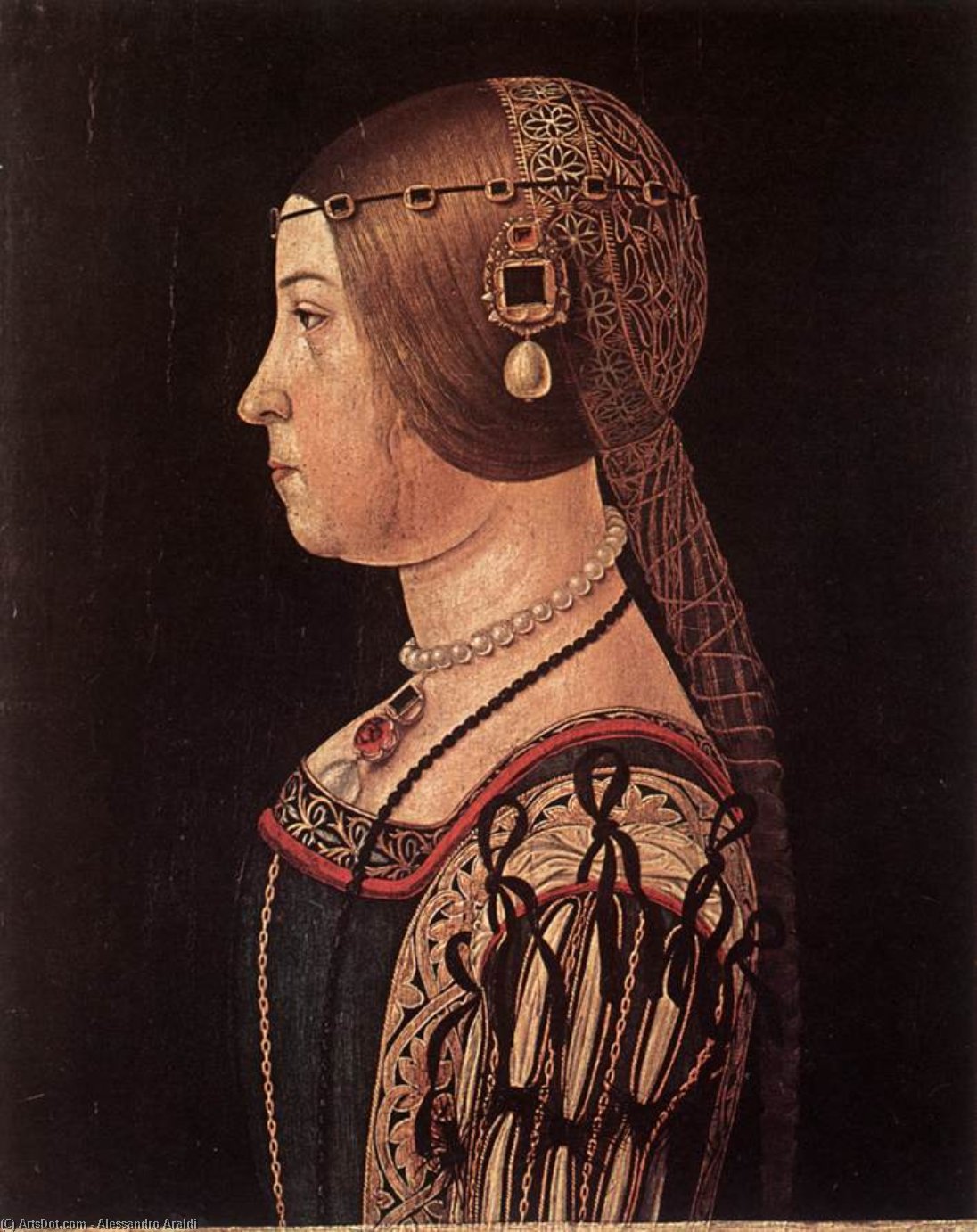
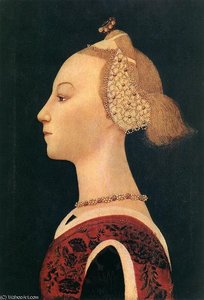
Portrait of Barbara Pallavicino
 Oil On Canvas
- WallArt
- Renaissance
 1510
1510 46.0 x 35.0 cm
 Galería de los Uffizi
 Leer más
Reproducción al óleo hecha a mano
Óleo sobre lienzo pintado a mano en el tamaño y marco de su elección, realizado por encargo por nuestros artistas. ( Pedir impresión Comprar descarga)




P118B $10

P118H $10

P118W $10

P438Z $10

P508JH $12

P508YH $12

P805H $10

P805Z $10

P919BZ $10

P919G $10

P919XJ $10

P959ZH $10

P968JZ $12

W106C $8

W218G $10

W218JH $8

W218Y $10

W307PJ $10

W316G $10

W316PJ $8

W316Y $10

W398PJ $8

W4111J $10

W500HY $15

W500JH $15

W692G $12

W849H $8

W940BG $15

W953PJ $8




Elija entre nuestros tamaños predefinidos que respetan las proporciones originales de la obra.

Puede ingresar sus propias dimensiones para adaptarse a un marco o espacio específico. Si el tamaño seleccionado no coincide con las proporciones de la imagen original, recortaremos la obra o extenderemos la pintura con elementos adicionales pintados a mano. Se le enviará una maqueta digital para su aprobación antes de comenzar la producción.
Tenga en cuenta que la vista previa en pantalla no refleja el recorte o la extensión reales. Solo la maqueta mostrará con precisión la composición final.
Si bien existen tamaños personalizados, recomendamos seleccionar una dimensión de la lista predefinida para preservar las proporciones originales.
Tras realizar el pedido, el equipo de ArtsDot.com enviará un correo electrónico al cliente para solicitar instrucciones y proporcionarle una vista previa del boceto.
Envío a todo el mundo () en 3-4 semanas en lugar de las 5 semanas estándar. (22 agosto). Sin comprometer la calidad.

Envío exprés gratuito a todo el mundo

Lienzo de lino de alta calidad

Seguro de envío completo

Garantía de reembolso de aranceles aduaneros

Garantía de fidelidad cromática exacta

Política de devolución de 60 días (solo por defectos)

Garantía de devolución del 100% del dinero

Oferta por volumen
 La opción de vidrio solo está disponible en tamaños inferiores a 110 cm.

Portrait of Barbara Pallavicino
Técnica de reproducción
Tamaño de la reproducción
-


Precio total
$ 263
Descripción de la obra
The Unveiling Gaze: Portraiture in the Italian Renaissance
To stand before Alessandro Araldi's "Portrait of Barbara Pallavicino" is to encounter a moment suspended in time, a direct communion with the spirit of the early sixteenth century. This oil painting, executed in 1510, transcends a mere likeness; it is a carefully constructed meditation on status, intellect, and enduring feminine grace. The subject, Barbara Pallavicino, confronts the viewer with an arresting seriousness. Her gaze, unwavering and direct, seems to penetrate the veil of centuries, inviting us not just to observe her beauty, but to question the nature of portraiture itself—what does it mean to be seen so completely?
Mastery in Oil: Technique and Elegance
Araldi’s handling of oil paint is evident in every delicate fold of Barbara's attire. The richness achieved through his technique allows the textures—the sheen of her dress, the subtle gleam on her necklace, the softness of her hair—to leap from the canvas. While the overall composition speaks to the refined tastes of the Italian Renaissance, Araldi imbues it with a palpable sense of immediacy. His background elements, though perhaps understated, serve only to elevate the sitter, ensuring that all focus remains upon the captivating presence emanating from Barbara herself. The careful rendering of light across her features suggests an artist deeply versed in the emerging naturalism of the period.
Historical Echoes: Life in Parma at the Turn of the Century
Painted when Alessandro Araldi was a mature practitioner, this portrait situates us within the vibrant cultural milieu of Parma. The early sixteenth century was a time of burgeoning artistic confidence across Italy, where patronage fueled an intense desire to capture and commemorate individual lives. To own such a piece is to possess a tangible link to the aristocratic circles that shaped Renaissance culture. It speaks to a society that valued both outward display—the elegance suggested by her garments—and inner fortitude, embodied in her resolute expression.
Symbolism of the Portrait
The symbolism within this work is subtle yet profound. The necklace, an adornment of wealth and connection, speaks to her social standing, while the gravity of her expression hints at a depth of character beyond mere superficial beauty. Renaissance portraiture often served as a visual testament to lineage and virtue. Barbara’s composure suggests a woman who understands her place in the world but whose inner life remains sovereign. It is a study in controlled power, beautifully framed by Araldi's skilled hand.
Bringing History Home: For the Modern Collector
For those seeking an artwork that marries historical gravitas with undeniable aesthetic appeal, this reproduction offers an unparalleled opportunity. Imagine this piece gracing your salon or drawing-room; it does not merely decorate a space—it elevates its narrative. The combination of Araldi's masterful technique and the timeless subject matter ensures that "Portrait of Barbara Pallavicino" will remain a focal point, sparking conversation and contemplation for generations to come.
Obras relacionadas

Biografía del artista
Alessandro Araldi: Un Maestro Parmigiano Oscuro pero Significativo
Alessandro Araldi (c. 1460 – c. 1529) permanece como una figura sombría en los anales del arte renacentista, sin embargo, su contribución al paisaje artístico de Parma es innegable. Pocas noticias biográficas sobreviven, dejando a los estudiosos reconstruir su vida y carrera principalmente mediante el análisis estilístico de sus pinturas y frescos supervivientes—un testimonio de los desafíos enfrentados por documentar artistas durante este período. Nacido alrededor de 1460 en Parma, Italia, una ciudad reconocida por su patrocinio artístico bajo Federico II Gonzaga.- Influencias Tempranas y Aprendizaje: El desarrollo artístico de Araldi comenzó dentro del taller de Cristoforo Caselli ("Il Temperello"), pintor boloñés destacado conocido por sus composiciones dramáticas y pinceladas expresivas. Esta experiencia formativa sin duda inculcó en él una comprensión de la narración visual teatral, que impregnaría sus obras posteriores.
- El Taller Mazzola: Además perfeccionó sus habilidades bajo Lorenzo Costa desde Ferrara, cuyo estilo mezclaba elegancia veneciana con realismo florentino—una convergencia crucial que moldeó su sensibilidad artística.
- Frescos Destacados: Entre sus logros más celebrados están dos escenas representando Santa Catalina y San Jerónimo, encargadas para la Abbess Giovanna da Piacenza en 1514. Estas pinturas revelan la atención meticulosa de Araldi al detalle y su capacidad para transmitir emoción religiosa con una sorprendente sutileza.
- Colaboración y Legado: Notablemente, Antonio Allegri (Correggio) emprendió un proyecto monumental de fresco junto a Araldi en San Paolo, lo que resultó en un estilo artístico divergente—una divergencia estilística que enfatiza la naturaleza dinámica de la innovación artística durante el Renacimiento.
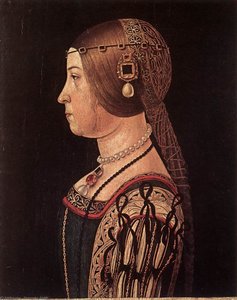
Alessandro Araldi
1460 - 1529 , Italia
Datos clave
- Artistic Movement Or Style: Renaissance
- Artists Who Influenced This Artist:
- Cristoforo Caselli
- Giovanni Bellini
- Lorenzo Costa
- Vivarini
- Date Of Birth: ca. 1460 Parma Italy
- Date Of Death: ca. 1529 Parma Italy
- Full Name: Alessandro Araldi
- Nationality: Italian
- Notable Artworks:
- Lo Sposalizio di Maria e San Giuseppe
- Ultima Cena
- Madonna col bambino e i santi Antonio abate e Paolo
- Place Of Birth: Parma Italy
Artículos relacionados

The Enduring Legacy of Oil on Canvas: Technique, History & Aesthetic Impact
Explore the rich history & techniques of oil painting – from Renaissance masters to Impressionism. Discover pigments, layering methods, and why this timeless medium endures. Expert insights for artists & art enthusiasts.

El Óleo sobre Lienzo: Historia, Técnica y la Persistencia de un Medio Artístico Atemporal
Descubre la historia y técnica del óleo sobre lienzo. Explora reproducciones fieles hechas a mano, personalización artística y consejos de expertos con ArtsDot. ¡Colecciona arte con confianza!

The Enduring Power of Painting: A Historical & Contemporary Exploration of Form and Emotion
Explore the rich history & enduring techniques of oil painting with ArtsDot. Discover masterpieces, learn about art collecting, and find authentic handmade reproductions crafted by skilled artists.

El Legado Duradero del Óleo sobre Lienzo: Técnica, Historia y Práctica Contemporánea
Descubre la historia y técnica del óleo sobre lienzo. Explora reproducciones fieles hechas a mano, personalización artística y consejos de expertos con .
10 Obras Maestras al Óleo sobre Tabla que Revolucionaron la Historia del Arte | ArtsDot
Descubre 10 obras maestras al óleo sobre tabla que revolucionaron el arte. Explora la historia de Van Gogh, Monet y otros artistas clave. Encuentra reproducciones de alta calidad e inspírate para decorar tu hogar con ArtsDot.com.

