

 Ver en contexto
 Enviar
 Compartir
 Detalles

 Descargar
 Similares
 Radiografía
 Presentación de diapositivas
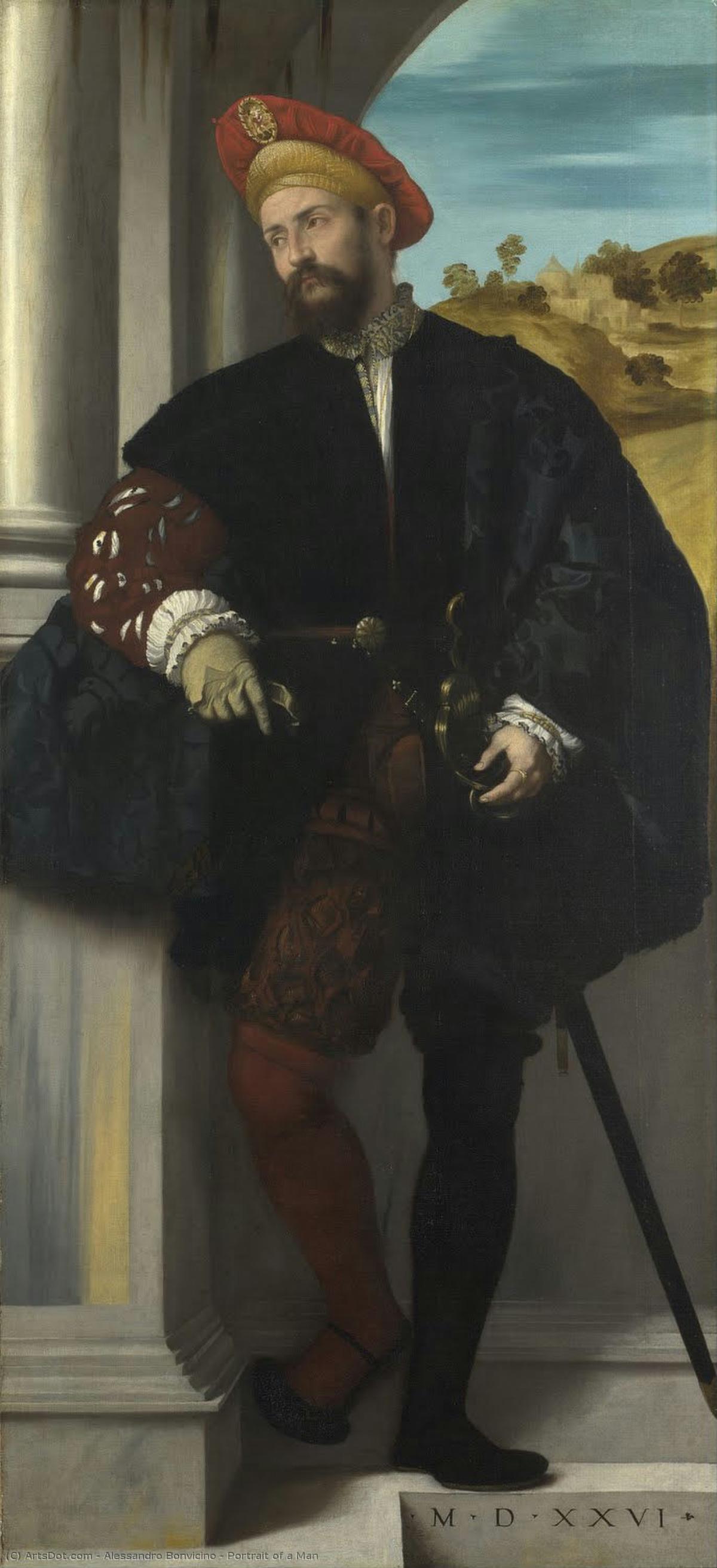
Portrait of a Man
 Oil On Canvas
- WallArt
- Early Renaissance
 1526
1526 201.0 x 92.0 cm
 Galería Nacional
 Ver más
Reproducción al óleo hecha a mano
Óleo sobre lienzo pintado a mano en el tamaño y marco de su elección, realizado por encargo por nuestros artistas. ( Comprar impresión Comprar imagen)




P118B $10

P118H $10

P118W $10

P438Z $10

P508JH $12

P508YH $12

P805H $10

P805Z $10

P919BZ $10

P919G $10

P919XJ $10

P959ZH $10

P968JZ $12

W106C $8

W218G $10

W218JH $8

W218Y $10

W307PJ $10

W316G $10

W316PJ $8

W316Y $10

W398PJ $8

W4111J $10

W500HY $15

W500JH $15

W692G $12

W849H $8

W940BG $15

W953PJ $8




Elija entre nuestros tamaños predefinidos que respetan las proporciones originales de la obra.

Puede ingresar sus propias dimensiones para adaptarse a un marco o espacio específico. Si el tamaño seleccionado no coincide con las proporciones de la imagen original, recortaremos la obra o extenderemos la pintura con elementos adicionales pintados a mano. Se le enviará una maqueta digital para su aprobación antes de comenzar la producción.
Tenga en cuenta que la vista previa en pantalla no refleja el recorte o la extensión reales. Solo la maqueta mostrará con precisión la composición final.
Si bien existen tamaños personalizados, recomendamos seleccionar una dimensión de la lista predefinida para preservar las proporciones originales.
Tras realizar el pedido, el equipo de ArtsDot.com enviará un correo electrónico al cliente para solicitar instrucciones y proporcionarle una vista previa del boceto.
Envío a todo el mundo () en 3-4 semanas en lugar de las 5 semanas estándar. (22 agosto). Sin comprometer la calidad.

Envío exprés gratuito a todo el mundo

Lienzo de lino de alta calidad

Seguro de envío total

Garantía de reembolso de impuestos aduaneros

Garantía de fidelidad cromática exacta

Política de devolución de 60 días (solo por defectos)

Garantía de devolución del 100% del dinero

Descuento por cantidad
 La opción de vidrio solo está disponible en tamaños inferiores a 110 cm.

Portrait of a Man
Técnica de reproducción
Dimensiones de la reproducción
-


Precio total final
$ 263
Descripción de la obra
A Window into Renaissance Venice: Alessandro Bonvicino’s “Portrait of a Man”
Alessandro Bonvicino, more intimately known as Moretto da Brescia, possessed a rare gift – the ability to capture not just likeness but also an elusive sense of mood and atmosphere within his paintings. His “Portrait of a Man,” created in 1526, offers a compelling glimpse into the burgeoning artistic landscape of Venice during the High Renaissance, a period marked by both opulent patronage and a subtle shift towards greater psychological depth. This remarkable work, once part of the esteemed Avogadro Collection in Brescia, is more than simply a depiction of an individual; it’s a carefully constructed tableau that speaks volumes about status, contemplation, and the burgeoning humanist ideals of the era.
The painting immediately draws the eye to its subject – a gentleman presented with a dignified composure. He stands before what appears to be a pillar or wall, suggesting a moment of quiet reflection. His attire is indicative of his social standing: a richly colored suit, likely crimson trousers and a blue shirt, speaks to wealth and influence. A prominent Saint Christopher badge adorning his chest further reinforces this image of nobility and piety – a common symbol during the period, representing protection on one’s journey through life. The sword casually resting at his side hints at both power and vigilance, a subtle reminder of the responsibilities associated with his position.
The Venetian Influence: Giorgione and Titian's Legacy
“Portrait of a Man” is deeply rooted in the artistic traditions of Venice, particularly those pioneered by Giorgione and the young Titian. These masters were instrumental in developing a distinctive style characterized by atmospheric perspective, muted color palettes, and an emphasis on capturing fleeting moments of beauty and emotion. Moretto’s work echoes these influences through its hazy background, which creates a sense of distance and mystery. The lighting is soft and diffused, contributing to the painting's overall mood of contemplative serenity. The composition itself—a single figure dominating the frame—is reminiscent of Giorgione’s portraits, prioritizing psychological insight over strict realism.
Notably, the portrait dates back to 1526, a pivotal year in Venetian art history. The city was experiencing a period of immense artistic innovation, fueled by wealthy patrons eager to commission works that reflected their status and refined tastes. This era witnessed the rise of artists like Titian, who pushed the boundaries of painting technique and explored new ways of representing human emotion. Moretto’s work represents a crucial link in this chain of artistic development, demonstrating the continued influence of Venetian masters while also establishing his own unique voice.
Technique and Materials: A Masterful Blend
Painted in oil on canvas, “Portrait of a Man” showcases Moretto's meticulous attention to detail and masterful control of color. The artist skillfully employs sfumato—a technique popularized by Leonardo da Vinci—to create subtle gradations of tone and shadow, lending the figure an ethereal quality. The brushwork is smooth and refined, suggesting a deliberate effort to achieve a sense of polished elegance. The use of layered glazes builds up rich colors and textures, adding depth and luminosity to the painting’s surface. The canvas itself, likely stretched over a wooden panel, provides a stable foundation for this intricate work.
A Portrait of Contemplation: Emotional Resonance
Beyond its formal elements, “Portrait of a Man” possesses a profound emotional resonance. The sitter's distant gaze—a hallmark of Venetian portraiture— invites the viewer to contemplate his thoughts and feelings. There’s an air of quiet introspection about him, as if he is lost in thought or perhaps burdened by some unspoken concern. This subtle ambiguity elevates the portrait beyond a mere likeness, transforming it into a poignant meditation on human experience. It's a reminder that even within the confines of a formal portrait, an artist can capture something far more profound – the essence of a soul.
Currently residing at the National Gallery in London, “Portrait of a Man” stands as a testament to Moretto da Brescia’s artistic skill and his enduring contribution to the rich tapestry of Renaissance art. Reproductions offer an accessible way to appreciate this captivating work, bringing its serene beauty and subtle complexities into any setting.
Obras relacionadas
Biografía del artista
Alessandro Bonvicino (Moretto da Brescia): Una Voz Serena del Renacimiento
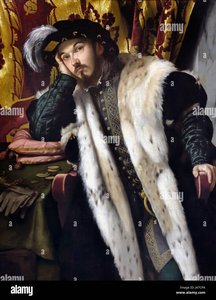
Alessandro Bonvicino, conocido más comúnmente como Moretto da Brescia, se erige como un testimonio de la belleza perdurable y la sutileza de la pintura del Renacimiento italiano. Nacido alrededor de 1498 en Rovato, Italia —una región impregnada de tradición artística—, la vida de Moretto estuvo inextricablemente ligada al floreciente paisaje cultural de su época, lo que lo convirtió en uno de los pintores más célebres de Brescia y aseguró su lugar entre las luminarias del arte veneciano y florentino.
Sus años formativos estuvieron marcados por una exposición constante a la excelencia artística. Comenzó su viaje creativo bajo la tutela de Fioravante Ferramela, un respetado artista de Brescia que le inculcó las técnicas fundamentales. Posteriormente, perfeccionó sus habilidades con Vincenzo Foppa, cuyo taller fomentaba un entorno propicio para la experimentación y el refinamiento estilístico. Cabe destacar que los hermanos de Bonvicino, Pietro y Jacopo, también eran pintores, un vínculo familiar que sin duda contribuyó al ambiente artístico que rodeó su crianza.
Un Toque Veneciano entre Raíces de Italia Central
El estilo artístico de Moretto encarna una fascinante confluencia de influencias. Aunque sus raíces se encuentran en las tradiciones de la Italia central —particularmente aquellas defendidas por Rafael—, poseía una marcada afinidad por la estética veneciana, reflejando las innovaciones estilísticas lideradas por Tiziano y Giorgione. Esta doble lealtad dio como resultado pinturas caracterizadas por paletas de colores luminosos, magistrales técnicas de veladura y una elegancia contenida que las distingue de las expresiones más audaces de la época.
Obras Notables: Expresiones de Fe y Retratística
La obra de Bonvicino comprende una selección de impactantes retablos y retratos que ejemplifican su destreza artística. Entre sus creaciones más veneradas se encuentra “San Jerónimo”, una representación serena imbuida de contemplación espiritual, que refleja el fervor devocional predominante del periodo. Del mismo modo, el “Retrato de un niño con su nodriza” captura un momento tierno entre el infante y su cuidadora, demostrando la capacidad de Bonvicino para transmitir emoción a través de una observación matizada.
Sin embargo, es quizás su “Virgen con el Niño y el joven San Juan” la que ejemplifica el estilo distintivo de Bonvicino: una obra maestra celebrada por su composición armoniosa y su coloración luminosa. Estas pinturas no son meramente estéticamente agradables; representan exploraciones profundas de la experiencia humana y la fe, reflejando los ideales humanistas prevalentes durante el Renacimiento.
Colecciones Museísticas y Legado
Las obras de Bonvicino engalanan destacados museos de toda Italia, incluyendo la Galería Uffizi, donde sus obras maestras residen dentro de la Colección Contini Bonacossi. Esta colección subraya el aprecio perdurable por la visión artística de Bonvicino y confirma su importancia como una figura fundamental en la historia del arte renacentista.
El legado de Moretto da Brescia se extiende más allá de las pinturas individuales; él representa una piedra angular del patrimonio artístico de Brescia. Su meticulosa atención al detalle, combinada con su dominio magistral del color y la luz —rasgos heredados de Rafael—, lo establecieron como un artista influyente que continúa inspirando admiración generación tras generación.
Alessandro Bonvicino
1498 - 1554 , Italia
Datos clave
- Artistic Movement Or Style: Renaissance Painting; Oil Painting Altarpiece
- Artists Who Influenced This Artist:
- Titian
- Raphael
- Date Of Birth: c. 1498
- Date Of Death: December 1554
- Full Name: Alessandro Bonvicino
- Nationality: Italian
- Notable Artworks:
- Saint Jerome
- Portrait of a Boy with His Nurse
- Pieta
- Place Of Birth: Rovato, Italy
Artículos relacionados
Leonardo da Vinci: Las 25 Obras Maestras que Definieron un Genio | ArtsDot
Descubre las 25 obras maestras de Leonardo da Vinci, desde la Mona Lisa hasta La Última Cena. Explora su arte renacentista, técnicas innovadoras y el legado del genio italiano. Reproducciones de alta calidad para decorar tu hogar con belleza y historia en ArtsDot.com.

Leonardo da Vinci: Síntesis del Arte, la Ciencia y la Observación Humana en el Renacimiento – Una Reinterpretación para el Coleccionista
Descubra la síntesis del arte y la ciencia en Leonardo da Vinci. Análisis profundo de sus obras maestras, técnicas innovadoras y legado para coleccionistas exigentes. Una reinterpretación experta.
Renacimiento Humanista: 10 Obras Maestras que Cambiaron la Historia del Arte | ArtsDot
Descubre 10 obras maestras del Renacimiento Humanista: Leonardo, Miguel Ángel y Rafael. Explora la historia, técnica y belleza de estos iconos del arte italiano. Reproducciones de alta calidad en ArtsDot.com. ¡Encuentra tu obra perfecta!
Antonello da Messina: Innovation, Devotion & the Sicilian Renaissance Master's Enduring Legacy
Explore the groundbreaking art of Antonello da Messina, a pivotal figure of the Renaissance. Discover his innovative oil painting techniques, captivating portraits, and lasting influence on Italian masters. Learn more at ArtsDot.
Virtud Cívica y Rivalidad Artística: Mecenazgo e Innovación en las Repúblicas Italianas del Renacimiento, 1400–1600
Descubre el Renacimiento italiano: mecenazgo, rivalidad artística y la explosión del humanismo. Análisis experto de artistas clave y su legado cultural. ¡Sumérgete en una época fascinante!

