

 Vista previa
 Compartir
 Compartir
 Ver detalles

 Descargar
 Ver similares
 Radiografía
 Presentación de diapositivas
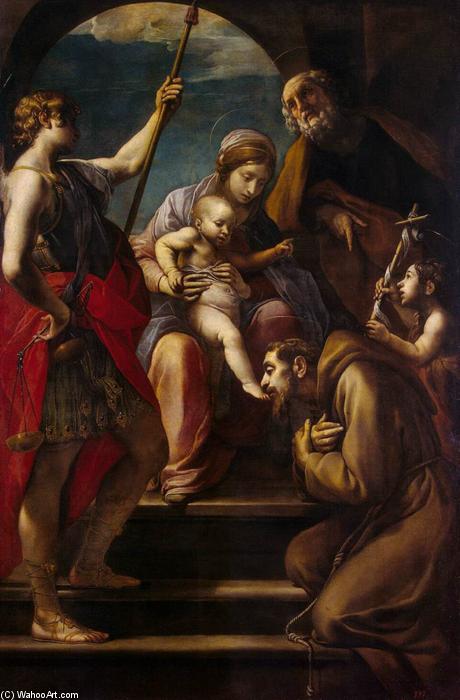
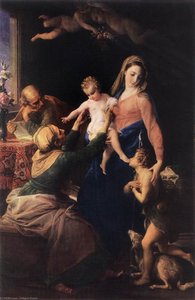
Holy Family with Saints


 Leer más
Giclée / Impresión de arte
Impresiones giclée o en lienzo de calidad de museo con producción rápida y opciones de acabado flexibles. ( Encargar reproducción pintada a mano Comprar descarga)




P118B $10

P118H $10

P118W $10

P438Z $10

P508JH $12

P508YH $12

P805H $10

P805Z $10

P919BZ $10

P919G $10

P919XJ $10

P959ZH $10

P968JZ $12

W106C $8

W218G $10

W218JH $8

W218Y $10

W307PJ $10

W316G $10

W316PJ $8

W316Y $10

W398PJ $8

W4111J $10

W500HY $15

W500JH $15

W692G $12

W849H $8

W940BG $15

W953PJ $8




Elija entre nuestros tamaños predefinidos que respetan las proporciones originales de la obra.

Puede introducir sus propias dimensiones para adaptarse a un marco o espacio específico. Si el tamaño seleccionado no coincide con las proporciones de la imagen original, recortaremos la obra de arte o extenderemos la imagen con un borde con efecto espejo o de color sólido. Se enviará una maqueta digital para su aprobación antes de que comience la producción.
Tenga en cuenta que la vista previa en pantalla no refleja el recorte o la extensión real. Solo la maqueta mostrará con precisión la composición final.
Aunque existen tamaños personalizados, recomendamos seleccionar una dimensión de la lista predefinida para preservar las proporciones originales.
Envío a todo el mundo () en 2 semanas en lugar de las 4/5 semanas estándar. (21 agosto)

Envío exprés gratuito a todo el mundo

Lienzo de lino de alta calidad

Seguro de envío completo

Garantía de reembolso de aranceles aduaneros

Garantía de fidelidad cromática exacta

Política de devolución de 60 días (solo por defectos)

Garantía de devolución del 100% del dinero

Oferta por volumen
 La opción de vidrio solo está disponible en tamaños inferiores a 110 cm.

Holy Family with Saints
Giclée / Impresión de arte
Tamaño de la reproducción
-


Precio total
$ 62
Descripción de la pieza
A Baroque Embrace: Alessandro Tiarini’s “Holy Family with Saints”
Alessandro Tiarini's "Holy Family with Saints," painted around 1620 and currently residing in the Hermitage Museum in St. Petersburg, is a captivating tableau of faith, familial devotion, and masterful Baroque artistry. More than simply a depiction of Christ, Mary, and Joseph, it’s a carefully constructed dialogue between figures – both within the central family group and those observing from a distance – that invites contemplation on piety, lineage, and the divine presence in human life. The painting immediately draws the eye with its dramatic use of light and shadow, a hallmark of the Baroque style, creating an atmosphere of solemn reverence and highlighting the rich textures of the figures’ garments and the architectural backdrop.
Tiarini's skill lies not just in his technical proficiency but also in his ability to imbue each character with distinct personality and purpose. The central family is rendered with a remarkable sense of realism, yet retains an idealized quality characteristic of religious art. Mary, holding the infant Jesus, exudes serenity and maternal grace, while Joseph stands as a steadfast protector, his Roman armor – a symbol of earthly authority and divine service – subtly juxtaposed against the tenderness of his familial role. The two figures kneeling on either side, clad in classical robes and medieval attire respectively, represent the continuity of faith across generations and cultures; one embodies ancient wisdom, the other echoes the burgeoning Renaissance spirit. Their gazes, directed towards the infant Jesus, speak volumes about their reverence and devotion.
The Language of Baroque Composition
The painting’s composition is a testament to the principles of Baroque art – dynamism, theatricality, and emotional intensity. The dark archway framing the scene serves as a powerful visual anchor, drawing the eye into the intimate family group while simultaneously suggesting an infinite expanse beyond. Above them, the cloudy sky hints at both divine intervention and earthly vulnerability. Note the careful arrangement of figures; they are not simply placed within the space but actively engage with it, creating a sense of movement and interaction. The use of diagonal lines – particularly in the positioning of the kneeling figures – further enhances this dynamism, preventing the composition from feeling static or overly formal.
Tiarini’s attention to detail is remarkable. From the intricate folds of the drapery to the subtle nuances of expression on each face, every element contributes to the painting's overall impact. The muted color palette – dominated by earth tones and punctuated by the rich reds and blues of the figures’ robes – creates a sense of solemnity and gravitas. The artist’s choice of materials—likely oil on canvas—allowed for layering and blending, contributing to the depth and luminosity of the work. The signature “Alessandro Tiarini” in the lower right corner confirms its authorship and places it firmly within the artistic landscape of Bologna during the early Baroque period.
Symbolism and Historical Context
Beyond its aesthetic qualities, "Holy Family with Saints" is rich in symbolic meaning. The inclusion of figures like Saint Francis of Assisi, the Archangel Michael, and John the Baptist speaks to the universality of Christian faith and the interconnectedness of different saints within the Church’s hierarchy. The presence of classical Roman armor on one figure suggests a connection between earthly power and divine grace – a theme frequently explored in Baroque art. The inclusion of figures like Mary Magdalene, often depicted as a repentant sinner, highlights the possibility of redemption and forgiveness through faith.
Painted in 1620, the work reflects the burgeoning interest in domestic piety during the Counter-Reformation. The emphasis on family values – particularly the sanctity of marriage and motherhood – was a key element of Catholic propaganda aimed at reinforcing traditional religious beliefs. Tiarini’s painting serves as both a devotional image for private contemplation and a powerful statement about the importance of faith within the broader social context of his time. It's a poignant reminder of the enduring appeal of this timeless subject matter, skillfully rendered by a master of the Baroque.
A Timeless Masterpiece – Reproduction Possibilities
ArtsDot offers meticulously crafted hand-painted reproductions of Alessandro Tiarini’s “Holy Family with Saints,” allowing art lovers to experience the beauty and emotional depth of this iconic work in their own homes. Our skilled artists replicate every detail, from the subtle nuances of light and shadow to the intricate textures of the figures' clothing, ensuring an authentic representation of Tiarini’s original masterpiece. Whether you seek a large-scale statement piece for your living room or a smaller, more intimate addition to your bedroom, our reproductions provide a stunning way to connect with this remarkable work of art.
Obras relacionadas


Biografía del artista
El visionario de Bolonia: La vida y el legado de Alessandro Tiarini
Alessandro Tiarini (1577–1668) se erige como una figura fundamental dentro del vibrante paisaje artístico de Bolonia durante el periodo Barroco, encarnando el espíritu de innovación y la devota expresión religiosa característica de su época. Nacido en Bolonia, Italia, sus primeros años estuvieron marcados por la tragedia: la muerte prematura de su madre lo dejó bajo el cuidado de una tía que luchó por orientarlo hacia una vocación clerical. A pesar de estos desafíos iniciales, el talento artístico de Tiariente brilló con fuerza, encontrando su influencia formativa en la tutela de Lavinia Fontana y su padre Prospero Fontana, estableciendo así un vínculo con uno de los pintores más célebres de Bolonia. Posteriormente, perfeccionó sus habilidades bajo la dirección de Bartolomeo Cesi, aunque, de manera crucial, evitó integrarse en la Academia Carracci, una decisión que, posiblemente, fomentó su visión artística independiente.
La trayectoria de la vida de Tiarini no estuvo exenta de convulsiones dramáticas. Una disputa contenciosa que resultó en el desafortunado fallecimiento de otro artista lo obligó a huir de Bolonia, un punto de inflexión descrito por los cronistas contemporáneos Malvasia y Amorini como un cambio profundo en su carrera. En busca de refugio en Florencia, aprovechó las oportunidades para colaborar con maestros prominentes como Domenico Passignano, Bernardino Punicetti y Jacopo da Empoli. Fue durante este periodo florentino cuando Tiarini emprendió ambiciosos encargos de frescos, incluyendo la Adoración de los Pastores en el Palazzo Pitti, un testimonio de su maestría en la pintura monumental y los ideales clásicos. Esta era consolidó su reputación como un artesano hábil y cimentó su lealtad a los principios humanistas.
Maestría de la emoción y devoción barroca
Al regresar a Bolonia y Reggio Emilia bajo el patrocinio de Ludovico Carracci, Tiarini experimentó un resurgimiento del fervor artístico, produciendo obras que definirían la profundidad emocional de la Escuela Boloñesa. Su capacidad para entrelazar una iluminación dramática, texturas ricas y un profundo sentimiento religioso le permitió capturar la esencia misma de la piedad barroca. Uno de sus logros más conmovedores es ‘El duelo por Jesús muerto’, que se encuentra en la Pinacoteca Nazionale de Bolonia, y que sirve como una representación bellamente inquietante del dolor inherente a la devoción religiosa.
El repertorio de Tiarini era notablemente diverso, abarcando desde íntimas escenas devocionales hasta composiciones grandiosas y complejas. Su obra a menudo presentaba:
- La Sagrada Familia con Santos (1620): Una obra maestra que muestra el drama barroco a través de las figuras de José, María y Jesús, rodeados por la presencia de San Francisco y Juan el Bautista en un entorno ricamente detallado.
- El matrimonio místico de Santa Catalina: Una exhibición exquisita de composición dinámica e iluminación dramática que captura el intenso fervor religioso de la época.
- Frescos narrativos: Como su representación del viaje de Erminia hacia Jerusalén, que combina nobleza y fe con una gracia clásica y serena.
Significado histórico y herencia artística
La importancia de Alessandro Tiarini reside en su posición única entre las tradiciones clásicas del Renacimiento tardío y la intensidad emotiva del Barroco pleno. Al mantener un camino independiente, alejado de las rigideces de la Academia Carracci, aportó una cualidad personal, a menudo más sombría e introspectiva, a sus temas religiosos. Sus obras no se limitan a ilustrar las escrituras; invitan al espectador a una experiencia compartida de santidad y sufrimiento humano.
A lo largo de su larga vida, que abarcó casi nueve décadas, Tiarini enriqueció el patrimonio artístico boloñés con una capacidad inigualable para plasmar la textura y la luz. Su legado permanece grabado en las grandes galerías de Italia, donde sus retablos y frescos continúan sirviendo como ejemplos profundos de cómo el arte puede tender un puente entre lo terrenal y lo divino. A través de su maestría en el óleo sobre lienzo y el fresco monumental, Tiarini aseguró que el espíritu de la Escuela Boloñesa perdurara como una piedra angular del arte europeo del siglo XVII.
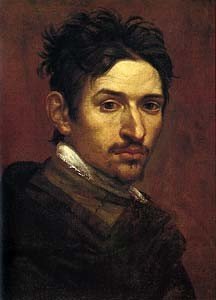
Alessandro Tiarini
1577 - 1668 , Italia
Datos clave
- Artistic Movement Or Style: Barroco
- Artists Or Movements Influenced By This Artist: ['Bernardino Poccetti']
- Artists Who Influenced This Artist:
- Lavinia Fontana
- Bartolomeo Cesi
- Ludovico Carracci
- Date Of Birth: Bolonia 1577 Italia
- Date Of Death: Bolonia 1668 Italia
- Full Name: Alessandro Tiarini
- Nationality: Italiano
- Notable Artworks:
- Grieving over a Dead Jesus
- Erminia Hall
- Raising the Cross
- Place Of Birth: Bologna Italia
Artículos relacionados

The Dramatic Flourish: Exploring the Baroque Movement's Enduring Legacy in Art History
Explore the dramatic world of Baroque art! Discover iconic artists like Caravaggio & Rubens, defining techniques, and its lasting impact on art history. Expert insights for collectors & enthusiasts at ArtsDot.

Barroco Sublime: 10 Obras Maestras que Definieron una Época |
Descubre las 10 obras maestras del Barroco que marcaron una época. Caravaggio, Bernini y Velázquez cobran vida en . Reproducciones de arte de calidad museo para decorar tu hogar con elegancia. ¡Explora la colección online!

The Visceral Stage: Exploring Dramatic Narratives & Emotional Intensity in Baroque Art
Explore the dramatic world of Baroque art! Discover iconic masters like Caravaggio & Rembrandt, their techniques, and the movement's lasting impact. Expert insights for collectors & enthusiasts at ArtsDot.

Drama Barroca: Llevando la Grandeza y la Emoción a los Interiores Contemporáneos
Descubre cómo el drama y la grandeza del arte barroco pueden transformar tus interiores. Guía experta, inspiración y reproducciones de alta calidad en .

Theatricality & Triumph: Baroque Drama in Painting & Sculpture
Explore the dramatic world of Baroque art! Discover its history, defining characteristics, & lasting influence on painting & sculpture. Expert insights into Caravaggio, Zurbarán, and Bernini – plus high-quality reproductions at ArtsDot.

