

 Vista previa
 Compartir
 Compartir
 Ver detalles

 Descargar
 Ver similares
 Radiografía
 Presentación de diapositivas
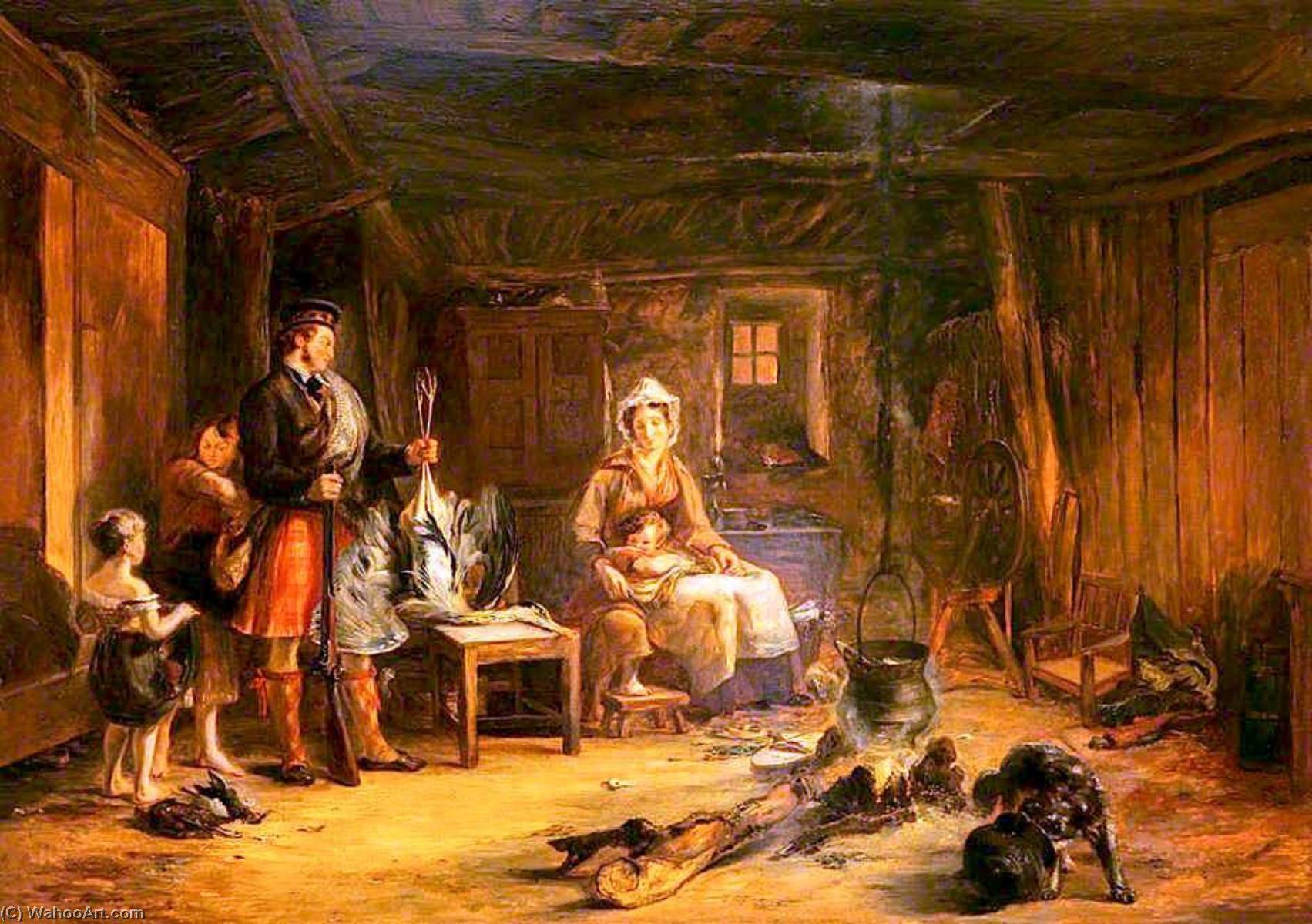
A Highland Sportsman


 Leer más
Reproducción al óleo hecha a mano
Óleo sobre lienzo pintado a mano en el tamaño y marco de su elección, realizado por encargo por nuestros artistas. ( Pedir impresión Comprar descarga)




P118B $10

P118H $10

P118W $10

P438Z $10

P508JH $12

P508YH $12

P805H $10

P805Z $10

P919BZ $10

P919G $10

P919XJ $10

P959ZH $10

P968JZ $12

W106C $8

W218G $10

W218JH $8

W218Y $10

W307PJ $10

W316G $10

W316PJ $8

W316Y $10

W398PJ $8

W4111J $10

W500HY $15

W500JH $15

W692G $12

W849H $8

W940BG $15

W953PJ $8




Elija entre nuestros tamaños predefinidos que respetan las proporciones originales de la obra.

Puede ingresar sus propias dimensiones para adaptarse a un marco o espacio específico. Si el tamaño seleccionado no coincide con las proporciones de la imagen original, recortaremos la obra o extenderemos la pintura con elementos adicionales pintados a mano. Se le enviará una maqueta digital para su aprobación antes de comenzar la producción.
Tenga en cuenta que la vista previa en pantalla no refleja el recorte o la extensión reales. Solo la maqueta mostrará con precisión la composición final.
Si bien existen tamaños personalizados, recomendamos seleccionar una dimensión de la lista predefinida para preservar las proporciones originales.
Tras realizar el pedido, el equipo de ArtsDot.com enviará un correo electrónico al cliente para solicitar instrucciones y proporcionarle una vista previa del boceto.
Envío a todo el mundo () en 3-4 semanas en lugar de las 5 semanas estándar. (21 agosto). Sin comprometer la calidad.

Envío exprés gratuito a todo el mundo

Lienzo de lino de alta calidad

Seguro de envío completo

Garantía de reembolso de aranceles aduaneros

Garantía de fidelidad cromática exacta

Política de devolución de 60 días (solo por defectos)

Garantía de devolución del 100% del dinero

Oferta por volumen
 La opción de vidrio solo está disponible en tamaños inferiores a 110 cm.

A Highland Sportsman
Técnica de reproducción
Tamaño de la reproducción
-


Precio total
$ 263
Descripción de la obra
The Scene Unfolds: Alexander George Fraser’s ‘A Highland Sportsman’
Alexander George Fraser's “A Highland Sportsman” isn’t merely a painting; it’s a meticulously crafted window into the heart of 19th-century Scotland. Completed in 1832, this oil on canvas transports us to a cozy interior, radiating warmth and a quiet sense of domesticity amidst the rugged landscape beyond. Fraser, a master of genre painting, eschews grand historical narratives or dramatic events, instead focusing on the intimate details of everyday life – a scene of familial connection rendered with remarkable sensitivity and skill. The composition is deceptively simple: a man, presumably a father or patriarch, stands beside a woman seated comfortably in a chair, their postures suggesting a shared moment of contentment. Around them, a tableau vivant unfolds—a young boy playfully engaged with a dog, a bird perched on a table, and various domestic objects hinting at the rhythms of rural life. The lighting is soft and diffused, casting gentle shadows that enhance the sense of warmth and intimacy, while the muted color palette – dominated by browns, greens, and ochres – evokes the earthy tones of the Scottish Highlands.
A Master of Domesticity: Fraser’s Artistic Style & Technique
Fraser's style is characterized by a remarkable ability to capture the essence of his subjects with understated elegance. He wasn’t interested in flamboyant displays or dramatic gestures; rather, he excelled at portraying quiet moments of connection and observation. His brushwork is loose yet controlled, creating a sense of texture and depth that invites the viewer to linger over each detail. Notice how he subtly renders the folds of the kilt, the softness of the woman’s dress, and the worn textures of the furniture – all rendered with an almost photographic realism. Fraser's meticulous attention to detail is further evident in his skillful depiction of the dog, a Border Terrier, whose alert expression and attentive posture add a touch of liveliness to the scene. The painting demonstrates a clear understanding of light and shadow, creating a three-dimensional effect that brings the interior to life. He employed a technique known as “alla prima,” working directly onto the canvas without extensive underpainting, resulting in a vibrant and immediate quality.
Echoes of Tradition: Historical Context & Scottish Identity
“A Highland Sportsman” is deeply rooted in the cultural traditions of Scotland. Fraser’s work reflects the burgeoning interest in documenting and celebrating rural life during a period of significant social change. The kilt, a symbol of Scottish identity and heritage, prominently features in the painting, reminding us of the enduring importance of tradition. The scene itself speaks to the values of family, community, and connection to the land – themes that were central to Scottish culture at the time. Fraser’s work aligns with the broader trend of Scottish genre painting, which sought to capture the everyday lives of ordinary people and preserve a sense of national identity. The painting was created during a period when Scotland was grappling with issues of modernization and industrialization, and Fraser's portrayal of rural life served as a poignant reminder of the country’s rich cultural heritage.
Symbolism & Emotional Resonance: A Portrait of Quiet Contentment
Beyond its realistic depiction of a domestic scene, “A Highland Sportsman” is imbued with subtle symbolism. The man's posture suggests authority and protection, while the woman’s relaxed demeanor conveys warmth and hospitality. The presence of the dog symbolizes loyalty and companionship, while the bird represents freedom and connection to nature. The overall effect is one of quiet contentment—a sense that these individuals have found solace and fulfillment in their simple lives. Fraser masterfully captures a fleeting moment of domestic harmony, inviting us to reflect on the enduring values of family, community, and connection to the land. The painting’s emotional impact lies not in grand gestures or dramatic events, but in its ability to evoke a sense of familiarity, warmth, and nostalgia—a reminder of the beauty and simplicity of everyday life.
Obras relacionadas

Biografía del artista
Alexander George Fraser: Una Vida en el Paisaje Escocés
Alexander George Fraser (1827-1899) fue un destacado pintor de paisajes y biógrafo escocés, profundamente arraigado en las tradiciones artísticas de su hogar. Siguió los pasos de su padre, también pintor llamado Alexander George Fraser (1786–1865), mientras forjaba su propio estilo distintivo y contribuía significativamente a la documentación de la historia del arte escocés.
Vida Temprana y Educación
Nacido en Woodcockdale, cerca de Linlithgow el 3 de noviembre de 1827, y bautizado el 11 de enero de 1828, la crianza de Fraser inculcó en él una pasión por el arte para toda la vida. Su madre era Jessie Moir. Desde temprana edad, demostró inclinaciones artísticas, nutrido por el acceso a las pinturas, aceites, paletas y pinceles de su padre – herramientas que se convirtieron en “las herramientas de la infancia”, como él recordó más tarde. Comenzó su educación en Glasgow pero recibió la mayor parte de su escolarización en la Escuela Gramatical de Lanark.
Desarrollo Artístico e Influencias
La formación artística formal de Fraser comenzó en la Trustees Academy de Edimburgo, donde perfeccionó sus habilidades y desarrolló su enfoque único para la pintura de paisajes. Se sintió particularmente influenciado por Horatio McCulloch, cuyos evocadores retratos del paisaje escocés resonaron profundamente con sus propias sensibilidades estéticas. Esta influencia es evidente en las representaciones atmosféricas de Fraser y su atención al detalle.
Carrera y Logros Principales
Para los treinta años, Fraser ya se había establecido como un artista respetado, convirtiéndose en asociado de la Royal Scottish Academy. Se casó con Jane Duncan el 15 de abril de 1859, en Edimburgo, y tuvieron un hijo y una hija. En 1862, alcanzó el estatus académico completo, consolidando su posición dentro del establecimiento artístico escocés. El trabajo de Fraser apareció con frecuencia en las exposiciones del Glasgow Institute of Fine Arts y la Royal Scottish Academy.
Temas y Estilo
Las pinturas de Fraser se centraron principalmente en capturar la belleza y el carácter del paisaje escocés. Destacó en la representación de escenas de vida rural, a menudo presentando figuras involucradas en actividades cotidianas dentro de entornos naturales dramáticos. Su estilo se caracteriza por:
- Representaciones realistas de la luz y la atmósfera
- Una sensibilidad romántica que impregna sus paisajes con un sentido de ambiente y emoción
- Atención detallada a las texturas y formas de la naturaleza
Obra Biográfica y Legado
Además de su práctica artística, Fraser hizo una contribución significativa a la historia del arte como biógrafo de Horatio McCulloch. Esta obra proporciona valiosas perspectivas sobre la vida y el arte de uno de los pintores de paisajes más importantes de Escocia. Residió permanentemente en la Royal Scottish Academy desde 1880 donde produjo algunas de sus mejores obras.
Vida Tardía y Muerte
Alexander Fraser falleció el 24 de mayo de 1899, en Musselburgh. Su legado perdura a través de sus pinturas y su obra biográfica, ofreciendo una visión del paisaje artístico del siglo XIX en Escocia. Él sigue siendo una figura notable en la historia del arte escocés, celebrado por sus paisajes evocadores y su dedicación a preservar la memoria de sus contemporáneos.
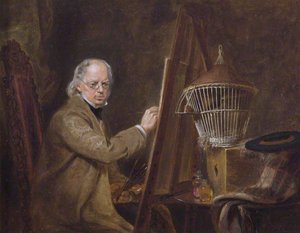
Alexander George Fraser
1786 - 1865 , United Kingdom
Datos clave
- Artistic Movement Or Style: Paisaje pintado
- Artists Who Influenced This Artist:
- John Graham
- Horatio McCulloch
- Date Of Birth: 7 abril 1786
- Full Name: Alexander George Fraser
- Nationality: Escocés
- Notable Artworks:
- A Green Stall
- The New Coat
- Music Makers
- Place Of Birth: Edinburgh, Reino Unido
Artículos relacionados

The Enduring Legacy of Oil on Canvas: Technique, History & Aesthetic Impact
Explore the rich history & techniques of oil painting – from Renaissance masters to Impressionism. Discover pigments, layering methods, and why this timeless medium endures. Expert insights for artists & art enthusiasts.

El Óleo sobre Lienzo: Historia, Técnica y la Persistencia de un Medio Artístico Atemporal
Descubre la historia y técnica del óleo sobre lienzo. Explora reproducciones fieles hechas a mano, personalización artística y consejos de expertos con ArtsDot. ¡Colecciona arte con confianza!

The Enduring Power of Painting: A Historical & Contemporary Exploration of Form and Emotion
Explore the rich history & enduring techniques of oil painting with ArtsDot. Discover masterpieces, learn about art collecting, and find authentic handmade reproductions crafted by skilled artists.
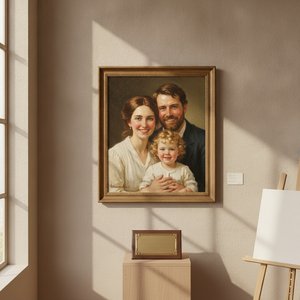
Retratos al Óleo Personalizados: Un Legado Familiar que Perdura en el Tiempo
Crea un retrato al óleo personalizado único con ArtsDot. Artistas expertos pintan a mano tus recuerdos familiares en lienzos de calidad museo. ¡Un legado atemporal que perdurará!

El Legado Duradero del Óleo sobre Lienzo: Técnica, Historia y Práctica Contemporánea
Descubre la historia y técnica del óleo sobre lienzo. Explora reproducciones fieles hechas a mano, personalización artística y consejos de expertos con .

