 Ver en contexto
 Enviar
 Compartir
 Detalles

 Descargar
 Similares
 Radiografía
 Presentación de diapositivas
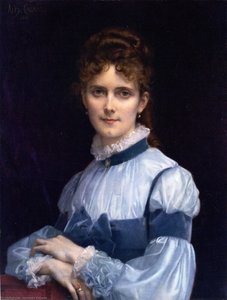
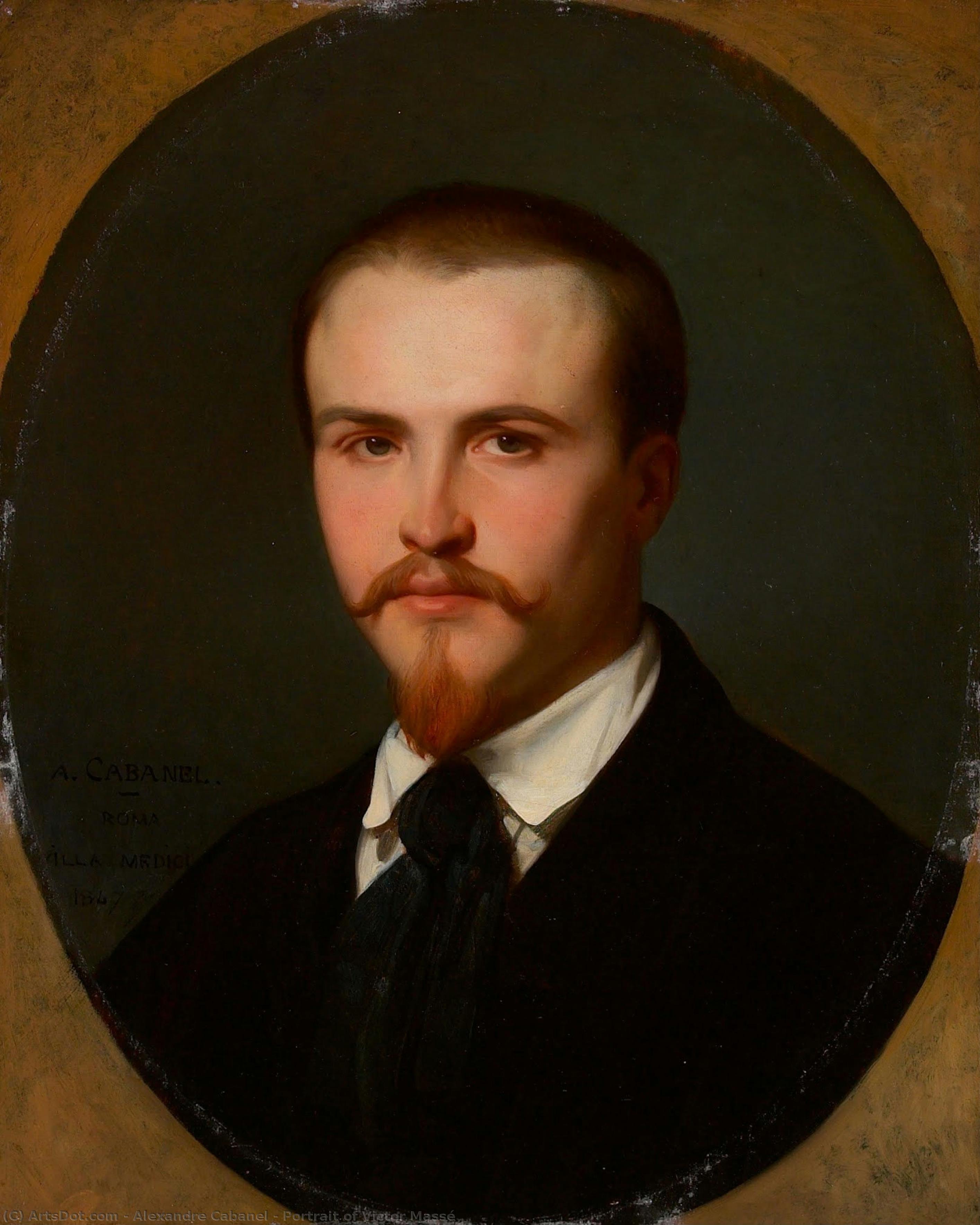
Portrait of Victor Massé


 Ver más
Reproducción al óleo hecha a mano
Óleo sobre lienzo pintado a mano en el tamaño y marco de su elección, realizado por encargo por nuestros artistas. ( Comprar impresión Comprar imagen)




P118B $10

P118H $10

P118W $10

P438Z $10

P508JH $12

P508YH $12

P805H $10

P805Z $10

P919BZ $10

P919G $10

P919XJ $10

P959ZH $10

P968JZ $12

W106C $8

W218G $10

W218JH $8

W218Y $10

W307PJ $10

W316G $10

W316PJ $8

W316Y $10

W398PJ $8

W4111J $10

W500HY $15

W500JH $15

W692G $12

W849H $8

W940BG $15

W953PJ $8




Elija entre nuestros tamaños predefinidos que respetan las proporciones originales de la obra.

Puede ingresar sus propias dimensiones para adaptarse a un marco o espacio específico. Si el tamaño seleccionado no coincide con las proporciones de la imagen original, recortaremos la obra o extenderemos la pintura con elementos adicionales pintados a mano. Se le enviará una maqueta digital para su aprobación antes de comenzar la producción.
Tenga en cuenta que la vista previa en pantalla no refleja el recorte o la extensión reales. Solo la maqueta mostrará con precisión la composición final.
Si bien existen tamaños personalizados, recomendamos seleccionar una dimensión de la lista predefinida para preservar las proporciones originales.
Tras realizar el pedido, el equipo de ArtsDot.com enviará un correo electrónico al cliente para solicitar instrucciones y proporcionarle una vista previa del boceto.
Envío a todo el mundo () en 3-4 semanas en lugar de las 5 semanas estándar. (23 agosto). Sin comprometer la calidad.

Envío exprés gratuito a todo el mundo

Lienzo de lino de alta calidad

Seguro de envío total

Garantía de reembolso de impuestos aduaneros

Garantía de fidelidad cromática exacta

Política de devolución de 60 días (solo por defectos)

Garantía de devolución del 100% del dinero

Descuento por cantidad
 La opción de vidrio solo está disponible en tamaños inferiores a 110 cm.

Portrait of Victor Massé
Técnica de reproducción
Dimensiones de la reproducción
-


Precio total final
$ 263
Descripción de la obra
The Elegance of the Belle Époque
Alexandre Cabanel’s “Portrait of Victor Massé,” painted in 1847, is more than just a likeness; it's a meticulously crafted distillation of the ideals and aesthetic sensibilities that defined the French Second Empire. This captivating portrait offers a glimpse into a specific moment in time – a world of refined manners, aristocratic leisure, and an unwavering belief in classical beauty. Cabanel, one of the “three most successful artists” of his era alongside Gérôme and Meissonier, was deeply embedded within the academic art establishment, and this painting exemplifies that commitment to tradition and idealized representation.
The subject himself, Victor Massé, a prominent figure in Parisian society, is presented with an almost unnerving composure. His gaze, direct and unwavering, draws the viewer into the scene, inviting contemplation of his character and status. Notice the subtle details – the carefully arranged cravat, the rich velvet waistcoat, the dignified posture – each element contributing to a portrait that speaks volumes about wealth, influence, and adherence to established social norms. The background is deliberately understated, a simple wall serving only to frame the subject and enhance his presence; it’s a classic compositional technique designed to ensure all attention remains focused on Massé himself.
A Symphony of Technique: Academic Realism at its Finest
Cabanel's mastery lies in his ability to render texture, light, and form with breathtaking precision. The painting is executed in the meticulous style characteristic of academic art – a painstaking process that demanded years of training and unwavering dedication. Observe how he builds up the fabric of Massé’s clothing through layers of delicate brushstrokes, creating an illusion of depth and tactile quality. The modeling of his face is equally impressive; every curve of the cheekbone, every shadow beneath the eye, is rendered with a sensitivity that reveals a profound understanding of human anatomy.
The color palette is restrained yet sophisticated, dominated by rich browns, deep reds, and subtle blues – colors that evoke a sense of warmth, gravitas, and understated elegance. Cabanel’s use of light is particularly noteworthy; it's carefully controlled to highlight Massé’s features and create a luminous effect that imbues the portrait with an almost ethereal quality. The brushwork itself is remarkably smooth and polished, reflecting Cabanel’s commitment to achieving a surface finish that was considered ideal by his contemporaries.
Symbolism and the Spirit of the Age
“Portrait of Victor Massé” isn't simply a representation of a man; it’s a reflection of an era. The Second Empire in France was a period of immense prosperity, political stability, and cultural flourishing – a time when art played a crucial role in reinforcing social hierarchies and celebrating national identity. Cabanel’s painting embodies these values through its idealized depiction of the subject and its adherence to classical artistic conventions.
The pose itself is significant. Massé's upright stance, with his hands resting calmly on his lap, conveys a sense of authority and self-assurance – qualities that were highly valued in 19th-century society. Furthermore, the portrait’s overall composition—balanced, harmonious, and formally perfect—mirrors the prevailing aesthetic ideals of the time, reflecting a desire for order, stability, and timeless beauty. It's a visual testament to a bygone era, capturing not just a man's appearance but also the spirit of his age.
A Timeless Masterpiece – Reproductions Available
Cabanel’s “Portrait of Victor Massé” remains a captivating work of art, admired for its technical brilliance and its evocative portrayal of 19th-century society. ArtsDot offers high-quality reproductions that faithfully capture the painting's rich colors, intricate details, and timeless beauty. Whether you are an art collector, an interior designer seeking to add a touch of elegance to your home, or simply someone who appreciates exceptional artistry, a reproduction of this masterpiece is sure to be a treasured addition to your collection.
Obras relacionadas


Biografía del artista
Primeros años y formación
Alexandre Cabanel, un renombrado pintor francés, nació el 28 de septiembre de 1823 en Montpellier, Hérault. A los diecisiete años, ingresó en la École des Beaux-Arts de París, donde estudió bajo la tutela de François-Édouard Picot.Estilo artístico y obras notables
El estilo artístico de Cabanel se caracterizó por su adhesión al estilo académico, centrándose en temas históricos, clásicos y religiosos. También fue un hábil retratista. Algunas de sus obras más destacadas incluyen:- Ophelia (1883), una obra maestra que muestra su habilidad para capturar la esencia de una escena.
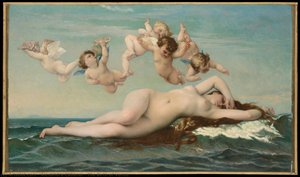
- El nacimiento de Venus (1863), un claro ejemplo de la pintura académica del siglo XIX, que fue comprada por el emperador Napoleón III.
- Retrato de la condesa E. A. Vorontsova Dashkova, que demuestra su capacidad para capturar la esencia de sus sujetos.
Influencias y desarrollo artístico
Cabanel recibió influencias significativas de artistas como François-Édouard Picot y Jacques-Louis David, quienes establecieron las bases de su formación en el estilo neoclásico. Su paso por la Villa Medici en Roma le permitió estudiar directamente las antigüedades romanas y las obras maestras del Renacimiento, enriqueciendo su comprensión de la técnica pictórica y la composición artística. Su amistad con Alfred Bruyas fue crucial para su desarrollo artístico, ya que Bruyas se convirtió en un importante mecenas y coleccionista de sus obras. A lo largo de su carrera, Cabanel evolucionó desde temas religiosos y mitológicos hacia retratos y escenas más románticas, manteniendo siempre una fuerte conexión con la tradición académica francesa.Reconocimientos y legado
El trabajo de Cabanel fue ampliamente reconocido, y recibió varios premios, incluyendo:- La beca Prix de Rome en 1845
- La medalla de honor en los Salones de 1865, 1867 y 1878
Obras adicionales y contexto histórico
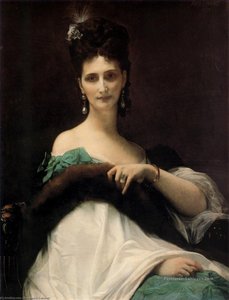
Además de las obras mencionadas, Cabanel pintó numerosos cuadros menos conocidos como Armonía, Fedra, La condesa de Keller, entre otros. Su obra se desarrolló en un período de transición en el arte francés, donde la tradición académica coexistía con el surgimiento del Naturalismo y el Impresionismo. Aunque Cabanel se mantuvo fiel a los principios académicos, su trabajo reflejó una sensibilidad romántica que lo distinguió de sus contemporáneos. Su estilo fue criticado por algunos naturalistas como Émile Zola, pero continuó siendo muy apreciado por coleccionistas e instituciones, incluyendo a los emperadores Napoleón III y Eugenia de Montijo.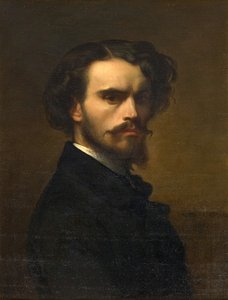
Alexandre Cabanel
1875 - 1889 , Francia
Datos clave
- Artistas Que Influyeron:
- François-Édouard Picot
- Jacques-Louis David
- Fecha De Fallecimiento: 23 de enero de 1889
- Fecha De Nacimiento: 28 de septiembre de 1823
- Lugar De Nacimiento: Montpellier, Francia
- Movimiento Artístico: Arte académico
- Nacionalidad: Francés
- Nombre Completo: Alexandre Cabanel
- Obras Notables:
- Ofelia (1883)
- El nacimiento de Venus (1863)
Artículos relacionados

The Enduring Legacy of Oil on Canvas: Technique, History & Aesthetic Impact
Explore the rich history & techniques of oil painting – from Renaissance masters to Impressionism. Discover pigments, layering methods, and why this timeless medium endures. Expert insights for artists & art enthusiasts.

El Óleo sobre Lienzo: Historia, Técnica y la Persistencia de un Medio Artístico Atemporal
Descubre la historia y técnica del óleo sobre lienzo. Explora reproducciones fieles hechas a mano, personalización artística y consejos de expertos con ArtsDot. ¡Colecciona arte con confianza!

El Legado Duradero del Óleo sobre Lienzo: Técnica, Historia y Práctica Contemporánea
Descubre la historia y técnica del óleo sobre lienzo. Explora reproducciones fieles hechas a mano, personalización artística y consejos de expertos con .
Las 10 Obras Maestras al Óleo que Revolucionaron la Historia del Arte |
Descubre las 10 obras maestras al óleo que transformaron la historia del arte. Explora Van Gogh, Monet, Da Vinci y más. Reproducciones de alta calidad para decorar tu hogar con elegancia. ¡Encuentra tu obra favorita en !
El Siglo XIX en el Arte: 10 Obras Maestras para Decorar con Historia y Estilo
Descubre 10 obras maestras del siglo XIX: Monet, Goya y más. Explora el impresionismo, realismo y romanticismo que definieron una época. Encuentra reproducciones de arte exclusivas para decorar tu hogar con estilo en ArtsDot.com.