

 Ver en contexto
 Enviar
 Compartir
 Detalles

 Descargar
 Similares
 Radiografía
 Presentación de diapositivas
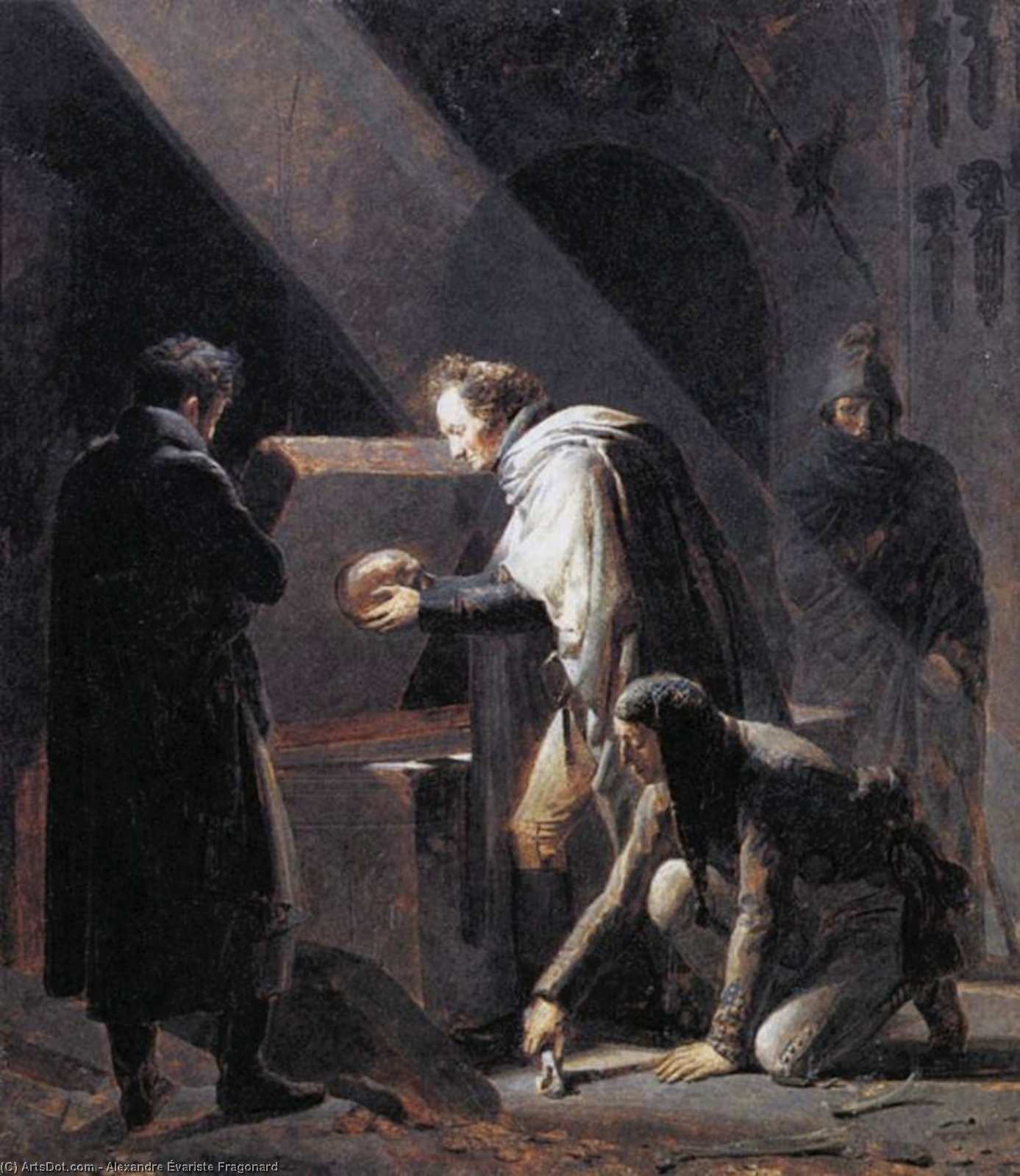
Vivant Denon Sustituyendo los restos de El Cid en sus tumbas


 Ver más
Adquiera una imagen digital de alta resolución y optimizada, muy superior a la vista previa en línea.
Cada archivo es preparado meticulosamente por nuestros especialistas internos mediante el uso de herramientas avanzadas y un experto retoque manual. Nos aseguramos de que cada imagen posea una claridad excepcional, una precisión cromática impecable y un detalle minucioso.
El archivo final se entrega por correo electrónico en un plazo de 72 horas, optimizado para su uso inmediato en entornos profesionales, editoriales y de impresión. Esta es la misma calidad en la que confían los estudios de diseño, las editoriales y las galerías de primer nivel.
Imagen Digital
Descarga un archivo de alta resolución para exhibición personal, impresión y proyectos creativos. ( Comprar impresión Comprar pintura hecha a mano)
Incluido en cada pedido de imágenes digitales
Entrega digital experta, garantizada.
Al elegir ArtsDot.com, no solo está adquiriendo una imagen; está recibiendo una obra de arte digital mejorada profesionalmente, elaborada con precisión y respaldada por una garantía de satisfacción. Esto es todo lo que incluye su pedido, automáticamente:

Entrega rápida por email
Recibirá su archivo de imagen digital en alta resolución por correo electrónico en un plazo de 72 horas tras realizar su pedido, listo para su uso inmediato.

Archivo digital optimizado por IA
Su obra de arte se optimiza profesionalmente mediante herramientas avanzadas de IA y edición manual, garantizando el máximo detalle, claridad y precisión cromática.

Reenvío gratuito de por vida
¿Has borrado o perdido tu archivo por error? No te preocupes: te lo volveremos a enviar en cualquier momento, sin coste adicional.

Sin gastos de importación, siempre
Disfrute de su obra de arte al instante sin aduanas, aranceles ni gastos de envío; las descargas digitales siempre están libres de impuestos.

Garantía de fidelidad de color
Garantizamos que su imagen digital refleje los colores originales con la mayor fidelidad posible, mediante el uso de herramientas profesionales y gestión del color.

Garantía de satisfacción de 60 días
Si no está satisfecho con su imagen digital, la revisaremos o le reembolsaremos el 100% en un plazo de 60 días, sin preguntas.

100% Garantía de devolución de dinero
¿No está satisfecho? Obtenga un reembolso completo dentro de los 60 días posteriores a la recepción de su archivo digital, sin necesidad de explicaciones.

Descuentos por pedidos grandes
Compra 3 imágenes, ahorra 10% - Compra 5, ahorra 15% - Compra 10+, ahorra 20%. Ideal para proyectos creativos, galerías y agencias.
Descripción del coleccionable
Vivant Denon Replacing El Cid's Remains in Their Tombs: A Study in NeoClassical Drama
Alexandre Évariste Fragonard’s “Vivant Denon Replacing El Cid’s Remains in Their Tombs,” completed in 1811, stands as a poignant emblem of the Romantic era’s fascination with mortality and its rejection of the rigid formalism of preceding artistic movements. More than just a depiction of funerary ritual, this monumental canvas delves into profound psychological themes—grief, contemplation, and the inescapable awareness of human vulnerability—capturing the spirit of a time grappling with philosophical shifts.
- Subject Matter: The painting portrays a solemn scene within what appears to be a stone crypt or mausoleum. At its center is a group of men gathered around a table upon which rests a skull, symbolizing death and serving as a focal point for the artwork’s emotional core.
- Style: Fragonard adheres to the tenets of Neoclassicism, prioritizing clarity of form and meticulous attention to detail—characteristics that distinguish it from the exuberant ornamentation prevalent in Rococo art. However, unlike many artists of his time who sought idealized beauty, Fragonard embraces realism, grounding the scene in tangible textures and anatomical accuracy.
- Technique: Executed in oil paints on canvas, “Vivant Denon Replacing El Cid’s Remains” showcases Fragonard's masterful brushwork—characterized by layering pigments to build up subtle gradations of light and shadow. The artist employs chiaroscuro lighting dramatically highlighting the skull and the faces of the men, intensifying the emotional impact of the composition.
- Historical Context: Created during Napoleon’s reign, the painting reflects the broader intellectual currents of the period—particularly the influence of Enlightenment thinkers who questioned religious dogma and championed reason. The depiction of death is not merely biographical but carries a symbolic weight, mirroring anxieties about legacy and the transient nature of earthly existence.
The color palette predominantly utilizes dark browns, grays, and blacks—a deliberate choice that underscores the solemn atmosphere of the crypt. Sparse highlights of white and pale yellow emanate from the candle or lantern illuminating the scene, drawing attention to key elements and reinforcing the dramatic tension. Lines define architectural features with precision, while geometric shapes—rectangles for walls and arches—contrast with the organic forms of the figures, creating a harmonious balance between structure and emotion.
Texture is meticulously rendered through skillful application of paint, conveying the roughness of stone surfaces and the smoothness of fabrics—sensory details that immerse the viewer in the scene. The overall effect is one of intense drama and psychological depth—a testament to Fragonard’s ability to convey complex emotions with understated elegance.
Further Research: For a deeper understanding of “Vivant Denon Replacing El Cid’s Remains,” consult Vivant Denon Replacing El Cid's Remains on the Web Gallery of Art, where you can explore high-resolution images and scholarly commentary. Alternatively, discover more about Alexandre Évariste Fragonard’s life and artistic legacy at Alexandre Evariste Fragonard on Mutual Art.
Obras relacionadas


Biografía del artista
A Legacy Bridging Eras: Alexandre-Évariste Fragonard
Born into the radiant world of Rococo artistry in Grasse, France, on October 26, 1780, Alexandre-Évariste Fragonard inherited a legacy that both propelled and subtly challenged his artistic path. As the son of Jean-Honoré Fragonard, the great rococo painter, and Marie-Anne Fragonard, he was immersed from infancy in an atmosphere of creative fervor, where brushstrokes danced with light and emotion. This familial connection wasn’t merely one of lineage; it was a foundational education, a direct transmission of technical skill and a sensibility for evocative subject matter that would shape his early development. However, Alexandre-Évariste wouldn’t simply replicate his father’s style. His journey would be marked by a fascinating negotiation between the fading elegance of the Rococo and the rising tide of Neoclassicism, ultimately forging a distinctive voice within the evolving landscape of 19th-century French art. He passed away in Paris on November 10, 1850, leaving behind a body of work that offers valuable insights into an era defined by political upheaval and shifting aesthetic ideals.Primeros Años y Orígenes Familiares
Alexandre-Évariste Fragonard’s formative years were steeped in artistic tradition. Growing up under the watchful eye of his father, Jean-Honoré, he experienced firsthand the influence of a master whose style epitomized the opulent grandeur and playful ornamentation characteristic of Rococo art. Marie-Anne Fragonard, equally devoted to the arts, nurtured Alexandre’s innate talent for observation and representation—skills that would prove invaluable throughout his artistic life. This familial environment fostered not only technical proficiency but also a profound appreciation for beauty and emotion—values that permeated his creative endeavors. From a young age, Jean-Honoré instilled in him the principles of disegno (drawing) and colore (painting), emphasizing precision, balance, and an ability to capture fleeting moments with breathtaking detail. This early training established a stylistic foundation that would inform his artistic vision for decades to come.Formación Artística e Influencias
Recognizing the importance of broadening his artistic horizons beyond Rococo conventions, Jean-Honoré Fragonard brought Alexandre under the tutelage of Jacques-Louis David, arguably the most influential figure in Neoclassicism. David’s rigorous approach—characterized by clarity, symmetry, and a focus on idealized forms—challenged Alexandre to transcend the decorative excesses of his father’s style. This encounter proved transformative, introducing him to new compositional techniques and fostering an intellectual engagement with classical ideals. The influence of David extended beyond mere stylistic imitation; it instilled in Alexandre a belief that art should serve as a vehicle for moral instruction and civic virtue—a conviction that would resonate throughout his oeuvre. Furthermore, Marguerite Gérard, Jean-Honoré’s aunt and fellow artist, provided invaluable guidance on artistic expression and emotional depth, shaping Alexandre’s understanding of the role of feeling in creative endeavors.Estilo Artístico y Obras Maestras
Alexandre-Évariste Fragonard primarily adhered to the Troubadour style—a movement that flourished in France during the early 19th century and celebrated historical narratives infused with romanticism and dramatic emotion. Unlike the restrained elegance of Neoclassicism, Troubadour painting embraced vibrant color palettes, dynamic brushstrokes, and theatrical gestures—elements that conveyed a sense of immediacy and passion. His artistic output spanned diverse mediums, including easel paintings, monumental sculptures, architectural designs, and decorative prints—demonstrating his versatility as an artist and his willingness to experiment with innovative techniques. Among his most celebrated works are:- François Ier armado caballero por Bayard: This depiction of Francis I receiving knighting by Bayard captures the chivalric spirit of the era, employing a masterful blend of color and composition to convey both grandeur and solemnity.
- Vivant Denon Replacing El Cid's Remains in Their Tombs: A haunting portrayal of mortality and grief, this sculpture confronts viewers with the fragility of human existence—a poignant meditation on themes of loss and remembrance.
- Cardinal Mazarin at Deathbed: This evocative scene illustrates a moment of profound emotional intensity, utilizing subtle shading and expressive brushwork to convey the palpable sorrow surrounding Mazarin’s final days.
Contexto Histórico y Comisiones
Alexandre-Évariste Fragonard’s artistic career unfolded during a period of momentous upheaval in France—the French Revolution and the Napoleonic era—a context that profoundly shaped his creative output. He received commissions from Napoleon Bonaparte himself, reflecting the emperor’s patronage of artists who could effectively communicate national ideals and commemorate historical events. These projects demanded an understanding of political symbolism and a commitment to portraying heroism and grandeur—qualities that Fragonard skillfully incorporated into his paintings. His artistic endeavors served as a reflection of the broader cultural currents of the time—a response to the seismic shifts occurring in French society and politics. The Troubadour style, with its emphasis on dramatic narrative and emotive expression, perfectly suited the sensibilities of an audience eager for art that engaged both intellect and emotion. ## Legado e Importancia Despite not achieving the same level of fame as his father, Jean-Honoré, Alexandre-Évariste Fragonard nonetheless left a significant mark on French art history. He successfully bridged the stylistic divide between Rococo and Neoclassicism—creating a distinctive artistic voice that resonated with contemporaries and continues to inspire artists today. His paintings and sculptures provide invaluable insights into the aesthetic preferences and intellectual preoccupations of his era—a period marked by both artistic innovation and political turbulence. Fragonard’s legacy resides in his ability to capture the spirit of his time—to convey the grandeur, drama, and emotional depth that characterized French culture during the 19th century.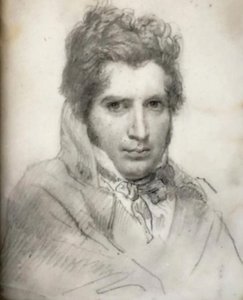
alexandre évariste fragonard
1780 - 1850 , Francia
Breves datos
- Artistic Movement Or Style: *Troubadour*
- Artists Who Influenced This Artist:
- Jean-Honoré Fragonard
- Jacques-Louis David
- Date Of Birth: October 26, 1780
- Date Of Death: November 10, 1850
- Full Name: Alexandre-Évariste Fragonard
- Nationality: French
- Notable Artworks:
- François Ier armé chevalier
- Vivant Denon Replacing El Cid's Remains
- Cardinal Mazarin at Deathbed
- Place Of Birth: Grasse, France

