 Ver en contexto
 Enviar
 Compartir
 Detalles

 Descargar
 Similares
 Radiografía
 Presentación de diapositivas
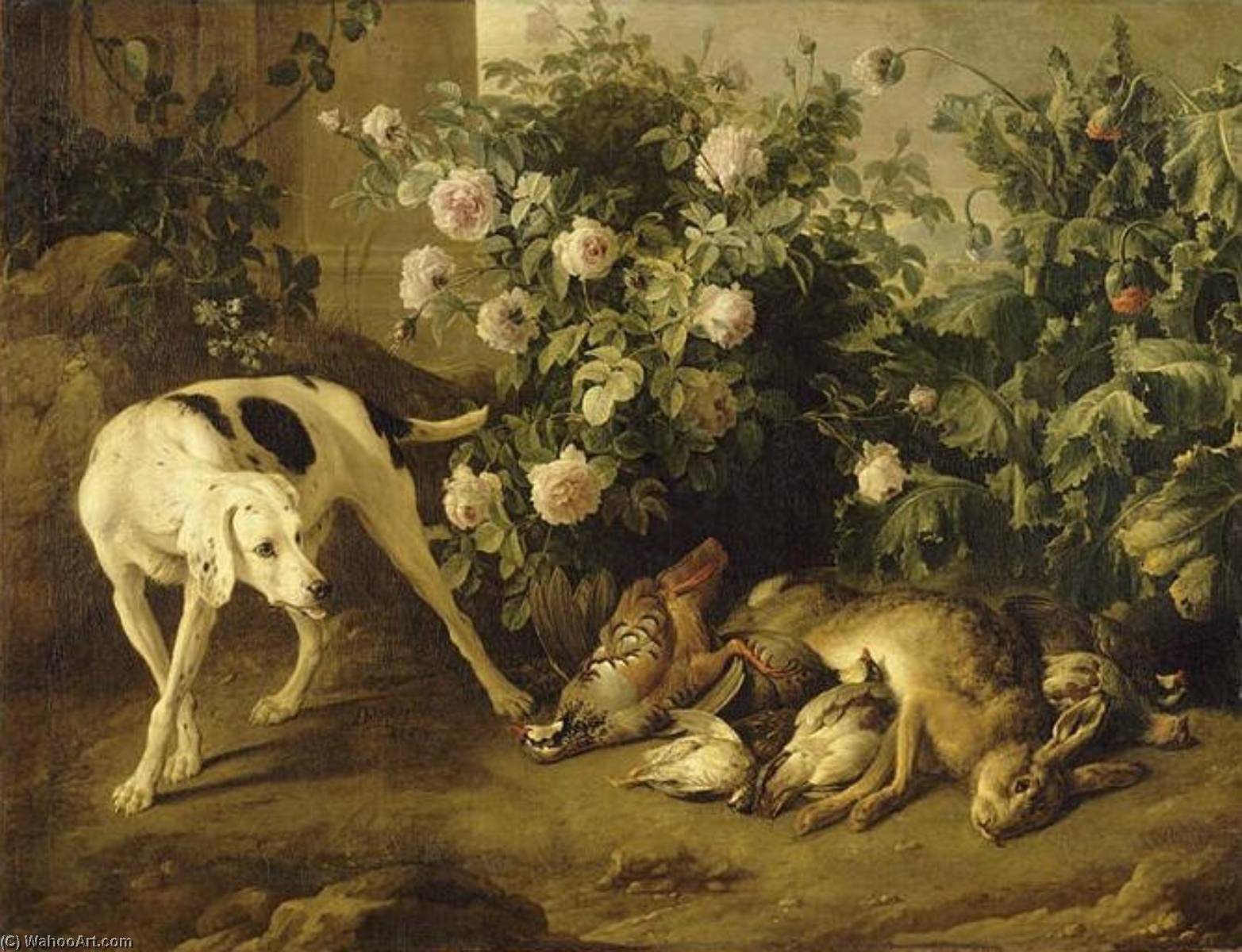
CHIEN GARDANT DU GIBIER AUPRES D'UN BUISSON DE ROSES


 Ver más
Giclée / Impresión de arte
Impresiones giclée o en lienzo de calidad de museo con producción rápida y opciones de acabado flexibles. ( Comprar pintura hecha a mano Comprar imagen)




P118B $10

P118H $10

P118W $10

P438Z $10

P508JH $12

P508YH $12

P805H $10

P805Z $10

P919BZ $10

P919G $10

P919XJ $10

P959ZH $10

P968JZ $12

W106C $8

W218G $10

W218JH $8

W218Y $10

W307PJ $10

W316G $10

W316PJ $8

W316Y $10

W398PJ $8

W4111J $10

W500HY $15

W500JH $15

W692G $12

W849H $8

W940BG $15

W953PJ $8




Elija entre nuestros tamaños predefinidos que respetan las proporciones originales de la obra.

Puede introducir sus propias dimensiones para adaptarse a un marco o espacio específico. Si el tamaño seleccionado no coincide con las proporciones de la imagen original, recortaremos la obra de arte o extenderemos la imagen con un borde con efecto espejo o de color sólido. Se enviará una maqueta digital para su aprobación antes de que comience la producción.
Tenga en cuenta que la vista previa en pantalla no refleja el recorte o la extensión real. Solo la maqueta mostrará con precisión la composición final.
Aunque existen tamaños personalizados, recomendamos seleccionar una dimensión de la lista predefinida para preservar las proporciones originales.
Envío a todo el mundo () en 2 semanas en lugar de las 4/5 semanas estándar. (4 septiembre)

Envío exprés gratuito a todo el mundo

Lienzo de lino de alta calidad

Seguro de envío total

Garantía de reembolso de impuestos aduaneros

Garantía de fidelidad cromática exacta

Política de devolución de 60 días (solo por defectos)

Garantía de devolución del 100% del dinero

Descuento por cantidad
 La opción de vidrio solo está disponible en tamaños inferiores a 110 cm.

CHIEN GARDANT DU GIBIER AUPRES D'UN BUISSON DE ROSES
Giclée / Impresión de arte
Dimensiones de la reproducción
-


Precio total final
$ 62
A Moment in the Hunt: Alexandre-François Desportes’ “Chien Gardant du Gibier auprès d'un Buisson de Roses”
Alexandre-François Desportes, a painter deeply rooted in the traditions of French royal hunting, offers us within "Chien Gardant du Gibier auprès d'un Buisson de Roses" (A Dog Guarding Game at a Rose Bush) not merely a depiction of animals, but a carefully constructed tableau brimming with aristocratic leisure and subtle symbolic resonance. Painted around 1724, this work transcends the simple act of portraying a hunting scene; it’s a window into the opulent world of Louis XV's court, revealing a sophisticated understanding of both animal behavior and decorative design.
The painting immediately draws the eye to the central figure – a magnificent hound, poised with alert attention as if anticipating a chase. Desportes masterfully captures the dog’s physicality, its muscular build and attentive gaze conveying a sense of focused energy. Around him, a carefully arranged landscape unfolds: a vibrant rose bush, bursting with blooms in shades of pink and white, provides a delicate counterpoint to the ruggedness of the surrounding woodland. Scattered amongst the foliage are several other dogs – one on the left, partially obscured by shadow, and another on the right, seemingly engaged in playful interaction. The inclusion of these secondary figures adds depth and dynamism to the composition, suggesting a lively scene unfolding within the confines of the hunt.
The Painter’s Technique: A Blend of Realism and Decorative Intent
Desportes' skill lies not just in his ability to render realistic animal forms but also in his masterful use of color and light. He employs a technique that blends meticulous observation with an awareness of decorative principles, hallmarks of his work for the royal châteaux. The colors are rich and luminous, particularly evident in the vibrant hues of the roses and the dappled sunlight filtering through the trees. The brushwork is generally smooth and controlled, creating a sense of depth and atmosphere while maintaining clarity in the details – from the texture of the dog’s fur to the delicate petals of the flowers.
Notably, Desportes' approach reflects his role as both an artist and a designer. He wasn’t simply painting; he was crafting elements for elaborate interiors, often intended to be integrated into tapestries or decorative panels. This influence is apparent in the carefully balanced composition, the harmonious color palette, and the overall sense of order and refinement. The placement of each element – the dog, the roses, the other animals – feels deliberate, contributing to a larger visual narrative.
Symbolism and Context: Royal Hunting and Courtly Life
“Chien Gardant du Gibier” is more than just a hunting scene; it’s a carefully orchestrated representation of royal power and leisure. The “chien gardant,” or guard dog, symbolizes loyalty, vigilance, and the protection of the hunt – qualities highly valued by the French monarchy. The presence of multiple dogs suggests the scale and importance of these hunts, which were elaborate affairs attended by members of the court.
Furthermore, the inclusion of a rose bush adds layers of symbolic meaning. Roses have long been associated with beauty, love, and nobility – fitting emblems for a royal setting. The juxtaposition of the wildness of the hunt with the delicate beauty of the roses creates a compelling tension, reflecting the balance between nature and civilization that was so central to the ideals of the French court.
A Legacy of Opulence: Desportes’ Influence on Decorative Arts
Alexandre-François Desportes' work stands as a testament to his unique position in 18th-century art. His ability to seamlessly blend realism with decorative design, coupled with his deep understanding of animal behavior and royal customs, cemented his reputation as one of the most sought-after artists of his time. Reproductions of “Chien Gardant du Gibier” continue to captivate viewers today, offering a glimpse into a world of aristocratic leisure, refined aesthetics, and the enduring allure of the hunt – a world meticulously rendered by a master painter.
Obras relacionadas
Biografía del artista
Alexandre-François Desportes: El Pintor de las Cazas Reales
Nacido en la región de los Ardennes, Francia, en 1661, Alexandre-François Desportes emergió como una figura singular del arte del siglo XVIII – un maestro de la pintura animal y el diseño decorativo cuya obra ofrecía una rara visión al mundo opulento de la realeza francesa. Su trayectoria vital estuvo marcada por una confluencia de factores: una crianza privilegiada, una formación temprana bajo la tutela de un pintor flamenco arraigado en las tradiciones de Amberes, y una fascinación profunda con el mundo natural, particularmente los rituales y la estética de la caza real.
El viaje artístico de Desportes comenzó modestamente. Enviado a París a los doce años para estudiar bajo Nicasius Bernaerts, un discípulo del renombrado Frans Snyders, inicialmente perfeccionó sus habilidades en el retrato. Sin embargo, una experiencia crucial durante una breve estancia en Polonia entre 1695 y 1696 – pintando retratos para el Rey Juan III Sobieski – encendió una pasión vitalicia por la representación de animales, especialmente aquellos involucrados en la caza. Esta experiencia transformó profundamente su enfoque artístico, llevándolo a regresar a Francia con una renovada determinación de especializarse en este cautivador tema.
El Patrocinio Real y una Nueva Dirección Artística
Al regresar a París, Desportes rápidamente se estableció como un artista solicitado por la corte francesa. Fue admitido formalmente en la Academia de Pintura y Escultura en 1699, un logro que consolidó su posición dentro del establecimiento artístico. Crucialmente, obtuvo encargos tanto de Luis XIV como de Luis XV, involucrándose íntimamente en la documentación de sus perros favoritos de caza – un privilegio concedido a pocos artistas de la época. Estos retratos no eran meras representaciones; sino narrativas cuidadosamente construidas que reflejaban el estatus del rey, su conexión con la naturaleza y la grandeza de la caza real.
El papel de Desportes se extendía más allá de la simple pintura de retratos. Se le encomendó crear paneles decorativos elaborados para varios de los châteaux más emblemáticos de Francia: Versalles, Marly-le-Roi, Meudon, Compiègne y Choisy – cada uno reflejando un estilo arquitectónico distinto y mostrando la versatilidad del artista. Su trabajo en Choisy, encargado en 1742 para Luis XV, es un ejemplo particularmente significativo, ofreciendo una visión rara de los interiores lujosos de la corte real. También se encargó de pinturas decorativas para el Duque de Borbón en Chantilly, demostrando aún más su capacidad para adaptar su estilo a diversos mecenas y entornos.
Un Enfoque Único: Estudios de Paisaje y Naturalezas Muertas
Lo que realmente distinguió a Desportes de sus contemporáneos fue su enfoque innovador en la composición. A diferencia de muchos artistas que se basaban únicamente en la memoria o en representaciones idealizadas, Desportes estudió meticulosamente el mundo natural *in situ*, llevando consigo un pequeño cuaderno de bocetos durante las cacerías reales. Dibujaba directamente de observación, capturando el movimiento de los animales, la danza de la luz y la sombra, y el paisaje circundante – elementos que luego informarían sus pinturas terminadas.
Sus pinturas a menudo combinaban estos escenarios de caza dinámicos con naturalezas muertas meticulosamente representadas que mostraban exhibiciones de vajilla de plata ostentosa—una práctica que reflejaba las costumbres culinarias opulentas de la corte francesa. Estos arreglos no eran meramente decorativos; servían como documentos visuales, ofreciendo una visión del patrimonio perdido y la extravagancia de los reinados de Luis XIV. La inclusión de estas vajillas de plata tan elaboradas ha resultado ser invaluable para los historiadores que buscan reconstruir la cultura material de la época.
Cartones para Tapices y Legado Duradero
La influencia de Desportes se extendió más allá de la pintura, ya que también fue encargado de crear cartones para tapices producidos por las talleres de Savonnerie y Gobelins. Sus diseños para “Las Nuevas Indias” (ocho tapices magníficos tejidos en el taller de Gobelins en París), son entre sus logros más celebrados. Estas obras demuestran su maestría en la composición, el color y el detalle – habilidades que tradujo hábilmente en los intrincados patrones del tejido de tapices.
Desportes dejó un importante cuerpo de trabajo en su estudio al morir en 1743, incluyendo numerosos estudios de animales y plantas junto con bocetos de caza de jabalí por Jan Fyt. Su sobrino, Nicolas Desportes, continuó desarrollando las tradiciones artísticas que había establecido, asegurando que su legado perdurara. El Conde d'Angiviller, director general de las Residencias Reales, adquirió estos recursos para los pintores del Sèvres, demostrando una notable capacidad para adaptarse e inspirar a generaciones de artistas.
Características Clave e Influencia
El arte de Desportes se caracteriza por su detalle meticuloso, la iluminación dramática y una profunda comprensión del comportamiento animal. Sus composiciones son a menudo dinámicas y atractivas, capturando la energía y el entusiasmo de la caza. Combinó hábilmente las tradiciones artísticas flamenco con su propio enfoque innovador en los estudios de paisaje, creando obras que son tanto visualmente impresionantes como históricamente significativas. Su trabajo sigue siendo estudiado por historiadores del arte y coleccionistas hoy en día, ofreciendo una valiosa ventana al mundo de la realeza francesa del siglo XVIII y al arte de Alexandre-François Desportes.
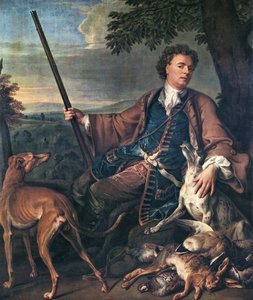
Alexandre-François Desportes
1661 - 1743 , Francia
Datos clave
- Artistic Movement Or Style: Animalier, Barroco
- Artists Or Movements Influenced By This Artist:
- Oudry
- Barroco
- Artists Who Influenced This Artist:
- Nicasius Bernaerts
- Frans Snyders
- Date Of Birth: 24 Feb 1661
- Date Of Death: 20 Apr 1743
- Full Name: Alexandre-François Desportes
- Nationality: Francés
- Notable Artworks:
- Autorretrato en vestido de caza
- Cartones para tapices
- Place Of Birth: Champigneulle, Francia
Artículos relacionados
Cultivating Paradise: A Historical & Artistic Exploration of Gardens in Painting
Explore the rich history of gardens in painting! Discover masterpieces from Renaissance to Impressionism & beyond. Learn about symbolism, artists like Monet & Klimt, and find your perfect artwork at ArtsDot.
The Pursuit of Power & Prestige: Hunting Scenes in Western Art
Explore the rich history of hunting scenes in Western art, from royal pursuits to powerful allegories. Discover masterpieces & expert insights for discerning collectors. ArtsDot offers museum-quality reproductions.
Guy Rose: Luminism, Impressionism & the Californian Aesthetic – A Comprehensive Exploration of Life and Legacy
Explore the life & art of Guy Rose, a leading American Impressionist painter. Discover his luminous California landscapes, Giverny scenes, and enduring legacy. A comprehensive guide for collectors & enthusiasts.
Los 10 Cuadros Más Famosos en Tonos Rosa Polvoriento | Arte y Decoración
Descubre los 10 cuadros más famosos en tonos rosa polvoriento. Explora la historia de Monet, Renoir y otros artistas que capturaron la belleza del impresionismo y el romanticismo. Encuentra reproducciones de arte exclusivas para decorar tu hogar con elegancia en ArtsDot.com.
Guy Orlando Rose: Capturing California's Luminosity in American Impressionism
Explore the luminous landscapes of Guy Orlando Rose, a leading American Impressionist painter deeply influenced by Monet. Discover his mastery of light, atmospheric perspective & California scenes. Learn about his legacy and find high-quality reproductions.