

 Ver en contexto
 Enviar
 Compartir
 Detalles

 Descargar
 Similares
 Radiografía
 Presentación de diapositivas
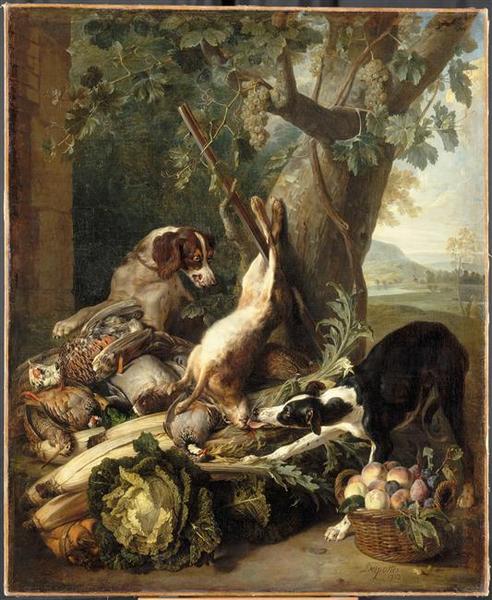
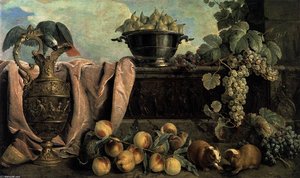
GIBIER, LEGUMES, FRUITS ET DEUX CHIENS


 Ver más
Adquiera una imagen digital de alta resolución y optimizada, muy superior a la vista previa en línea.
Cada archivo es preparado meticulosamente por nuestros especialistas internos mediante el uso de herramientas avanzadas y un experto retoque manual. Nos aseguramos de que cada imagen posea una claridad excepcional, una precisión cromática impecable y un detalle minucioso.
El archivo final se entrega por correo electrónico en un plazo de 72 horas, optimizado para su uso inmediato en entornos profesionales, editoriales y de impresión. Esta es la misma calidad en la que confían los estudios de diseño, las editoriales y las galerías de primer nivel.
Imagen Digital
Descarga un archivo de alta resolución para exhibición personal, impresión y proyectos creativos. ( Comprar impresión Comprar pintura hecha a mano)
Incluido en cada pedido de imágenes digitales
Entrega digital experta, garantizada.
Al elegir ArtsDot.com, no solo está adquiriendo una imagen; está recibiendo una obra de arte digital mejorada profesionalmente, elaborada con precisión y respaldada por una garantía de satisfacción. Esto es todo lo que incluye su pedido, automáticamente:

Entrega rápida por email
Recibirá su archivo de imagen digital en alta resolución por correo electrónico en un plazo de 72 horas tras realizar su pedido, listo para su uso inmediato.

Archivo digital optimizado por IA
Su obra de arte se optimiza profesionalmente mediante herramientas avanzadas de IA y edición manual, garantizando el máximo detalle, claridad y precisión cromática.

Reenvío gratuito de por vida
¿Has borrado o perdido tu archivo por error? No te preocupes: te lo volveremos a enviar en cualquier momento, sin coste adicional.

Sin gastos de importación, siempre
Disfrute de su obra de arte al instante sin aduanas, aranceles ni gastos de envío; las descargas digitales siempre están libres de impuestos.

Garantía de fidelidad de color
Garantizamos que su imagen digital refleje los colores originales con la mayor fidelidad posible, mediante el uso de herramientas profesionales y gestión del color.

Garantía de satisfacción de 60 días
Si no está satisfecho con su imagen digital, la revisaremos o le reembolsaremos el 100% en un plazo de 60 días, sin preguntas.

100% Garantía de devolución de dinero
¿No está satisfecho? Obtenga un reembolso completo dentro de los 60 días posteriores a la recepción de su archivo digital, sin necesidad de explicaciones.

Descuentos por pedidos grandes
Compra 3 imágenes, ahorra 10% - Compra 5, ahorra 15% - Compra 10+, ahorra 20%. Ideal para proyectos creativos, galerías y agencias.
A Symphony of the Hunt: Alexandre-François Desportes’ *Gibier, Légumes, Fruits et Deux Chiens*
Alexandre-François Desportes' *Gibier, Légumes, Fruits et Deux Chiens*, painted circa 1712-13, is more than a simple depiction of a hunting scene; it’s a meticulously crafted tableau vivant—a frozen moment brimming with aristocratic leisure and the echoes of a bygone era. This remarkable work, now housed within the Louvre's collection, offers a rare glimpse into the opulent world of French royalty during the reign of Louis XIV, revealing not just artistic skill but also a profound understanding of naturalism and the rituals surrounding the royal hunt.
The painting immediately captivates with its rich tapestry of textures and colors. A sprawling, ancient tree dominates the background, its branches reaching upwards like grasping claws, partially obscuring a distant landscape—a subtle reminder of the wildness that underpins even the most refined pursuits. Below, a substantial pile of game – deer, boar, and various birds – rests upon a rough-hewn wooden base, suggesting both abundance and the spoils of successful hunts. Interspersed amongst the animal bounty are an array of vibrant fruits and vegetables, their colors—deep reds, sunny yellows, and verdant greens—contrasting beautifully with the earthy tones of the wood and fur.
The Dog’s Gaze: Composition and Symbolism
Desportes' masterful composition draws the eye immediately to two prominent canine figures. A spotted brown dog, intensely focused on the game, embodies anticipation and loyalty—a silent partner in the hunt. Below him, a sleek black and white dog, equally observant, adds a touch of understated elegance. These dogs aren’t merely decorative elements; they are integral to the painting's narrative, representing the essential role of hunting companions and reflecting the aristocratic values associated with the pursuit of game.
The arrangement is deliberately asymmetrical, creating visual interest and preventing the scene from feeling static. The diagonal lines formed by the tree branches and the placement of the animals contribute to a dynamic sense of movement, as if capturing a fleeting moment during an active hunt. Furthermore, the inclusion of the wooden base—a rustic element juxtaposed against the luxurious game—hints at the connection between royalty and nature, suggesting a celebration of both wealth and wilderness.
A Brushstroke of Rococo: Technique and Style
*Gibier, Légumes, Fruits et Deux Chiens* is executed in oil on canvas with remarkable attention to detail. Desportes’ technique showcases the hallmarks of French Rococo art—a focus on naturalism, a delicate rendering of textures, and an overall sense of elegance and refinement. The artist employs subtle blending and layering of colors to create soft gradations and achieve a remarkably realistic effect, particularly evident in the fur of the animals and the foliage of the tree.
Brushstrokes are generally smooth and controlled, contributing to a polished finish that belies the painstaking effort involved in creating such a complex composition. The use of linear perspective in the background landscape—with distant hills receding into softer tones—further enhances the sense of depth and realism. The lighting, seemingly emanating from an unseen source on the left, casts subtle shadows that define form and add to the painting’s three-dimensional quality.
Echoes of a Royal Tradition: Historical Context
To fully appreciate *Gibier, Légumes, Fruits et Deux Chiens*, it's crucial to understand its historical context. During the reign of Louis XIV, hunting became a highly formalized and ritualized activity—a symbol of royal power and prestige. The king and his court regularly engaged in elaborate hunts, attended by a retinue of courtiers, artists, and skilled hunters. Desportes’ painting captures this world perfectly, documenting not just the act of hunting but also the associated rituals and aesthetics.
The work reflects the influence of *nature morte*, a popular genre during the 18th century that celebrated still life arrangements—often featuring animal subjects alongside fruits, vegetables, and other objects. Desportes’ painting elevates this genre through its meticulous detail, sophisticated composition, and profound understanding of naturalism. It stands as a testament to his skill as an artist and his ability to capture the essence of a bygone era.
Obras relacionadas

Biografía del artista
Alexandre-François Desportes: El Pintor de las Cazas Reales
Nacido en la región de los Ardennes, Francia, en 1661, Alexandre-François Desportes emergió como una figura singular del arte del siglo XVIII – un maestro de la pintura animal y el diseño decorativo cuya obra ofrecía una rara visión al mundo opulento de la realeza francesa. Su trayectoria vital estuvo marcada por una confluencia de factores: una crianza privilegiada, una formación temprana bajo la tutela de un pintor flamenco arraigado en las tradiciones de Amberes, y una fascinación profunda con el mundo natural, particularmente los rituales y la estética de la caza real.
El viaje artístico de Desportes comenzó modestamente. Enviado a París a los doce años para estudiar bajo Nicasius Bernaerts, un discípulo del renombrado Frans Snyders, inicialmente perfeccionó sus habilidades en el retrato. Sin embargo, una experiencia crucial durante una breve estancia en Polonia entre 1695 y 1696 – pintando retratos para el Rey Juan III Sobieski – encendió una pasión vitalicia por la representación de animales, especialmente aquellos involucrados en la caza. Esta experiencia transformó profundamente su enfoque artístico, llevándolo a regresar a Francia con una renovada determinación de especializarse en este cautivador tema.
El Patrocinio Real y una Nueva Dirección Artística
Al regresar a París, Desportes rápidamente se estableció como un artista solicitado por la corte francesa. Fue admitido formalmente en la Academia de Pintura y Escultura en 1699, un logro que consolidó su posición dentro del establecimiento artístico. Crucialmente, obtuvo encargos tanto de Luis XIV como de Luis XV, involucrándose íntimamente en la documentación de sus perros favoritos de caza – un privilegio concedido a pocos artistas de la época. Estos retratos no eran meras representaciones; sino narrativas cuidadosamente construidas que reflejaban el estatus del rey, su conexión con la naturaleza y la grandeza de la caza real.
El papel de Desportes se extendía más allá de la simple pintura de retratos. Se le encomendó crear paneles decorativos elaborados para varios de los châteaux más emblemáticos de Francia: Versalles, Marly-le-Roi, Meudon, Compiègne y Choisy – cada uno reflejando un estilo arquitectónico distinto y mostrando la versatilidad del artista. Su trabajo en Choisy, encargado en 1742 para Luis XV, es un ejemplo particularmente significativo, ofreciendo una visión rara de los interiores lujosos de la corte real. También se encargó de pinturas decorativas para el Duque de Borbón en Chantilly, demostrando aún más su capacidad para adaptar su estilo a diversos mecenas y entornos.
Un Enfoque Único: Estudios de Paisaje y Naturalezas Muertas
Lo que realmente distinguió a Desportes de sus contemporáneos fue su enfoque innovador en la composición. A diferencia de muchos artistas que se basaban únicamente en la memoria o en representaciones idealizadas, Desportes estudió meticulosamente el mundo natural *in situ*, llevando consigo un pequeño cuaderno de bocetos durante las cacerías reales. Dibujaba directamente de observación, capturando el movimiento de los animales, la danza de la luz y la sombra, y el paisaje circundante – elementos que luego informarían sus pinturas terminadas.
Sus pinturas a menudo combinaban estos escenarios de caza dinámicos con naturalezas muertas meticulosamente representadas que mostraban exhibiciones de vajilla de plata ostentosa—una práctica que reflejaba las costumbres culinarias opulentas de la corte francesa. Estos arreglos no eran meramente decorativos; servían como documentos visuales, ofreciendo una visión del patrimonio perdido y la extravagancia de los reinados de Luis XIV. La inclusión de estas vajillas de plata tan elaboradas ha resultado ser invaluable para los historiadores que buscan reconstruir la cultura material de la época.
Cartones para Tapices y Legado Duradero
La influencia de Desportes se extendió más allá de la pintura, ya que también fue encargado de crear cartones para tapices producidos por las talleres de Savonnerie y Gobelins. Sus diseños para “Las Nuevas Indias” (ocho tapices magníficos tejidos en el taller de Gobelins en París), son entre sus logros más celebrados. Estas obras demuestran su maestría en la composición, el color y el detalle – habilidades que tradujo hábilmente en los intrincados patrones del tejido de tapices.
Desportes dejó un importante cuerpo de trabajo en su estudio al morir en 1743, incluyendo numerosos estudios de animales y plantas junto con bocetos de caza de jabalí por Jan Fyt. Su sobrino, Nicolas Desportes, continuó desarrollando las tradiciones artísticas que había establecido, asegurando que su legado perdurara. El Conde d'Angiviller, director general de las Residencias Reales, adquirió estos recursos para los pintores del Sèvres, demostrando una notable capacidad para adaptarse e inspirar a generaciones de artistas.
Características Clave e Influencia
El arte de Desportes se caracteriza por su detalle meticuloso, la iluminación dramática y una profunda comprensión del comportamiento animal. Sus composiciones son a menudo dinámicas y atractivas, capturando la energía y el entusiasmo de la caza. Combinó hábilmente las tradiciones artísticas flamenco con su propio enfoque innovador en los estudios de paisaje, creando obras que son tanto visualmente impresionantes como históricamente significativas. Su trabajo sigue siendo estudiado por historiadores del arte y coleccionistas hoy en día, ofreciendo una valiosa ventana al mundo de la realeza francesa del siglo XVIII y al arte de Alexandre-François Desportes.
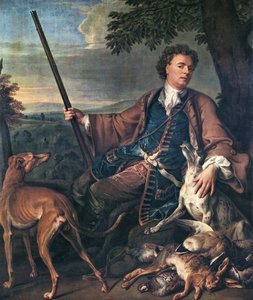
Alexandre-François Desportes
1661 - 1743 , Francia
Breves datos
- Artistic Movement Or Style: Animalier, Barroco
- Artists Or Movements Influenced By This Artist:
- Oudry
- Barroco
- Artists Who Influenced This Artist:
- Nicasius Bernaerts
- Frans Snyders
- Date Of Birth: 24 Feb 1661
- Date Of Death: 20 Apr 1743
- Full Name: Alexandre-François Desportes
- Nationality: Francés
- Notable Artworks:
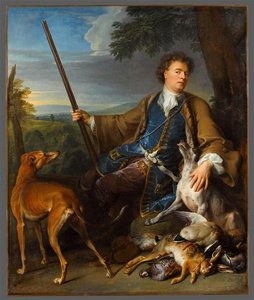
- Autorretrato en vestido de caza
- Cartones para tapices
- Place Of Birth: Champigneulle, Francia

