

 Ver en contexto
 Enviar
 Compartir
 Detalles

 Descargar
 Similares
 Radiografía
 Presentación de diapositivas
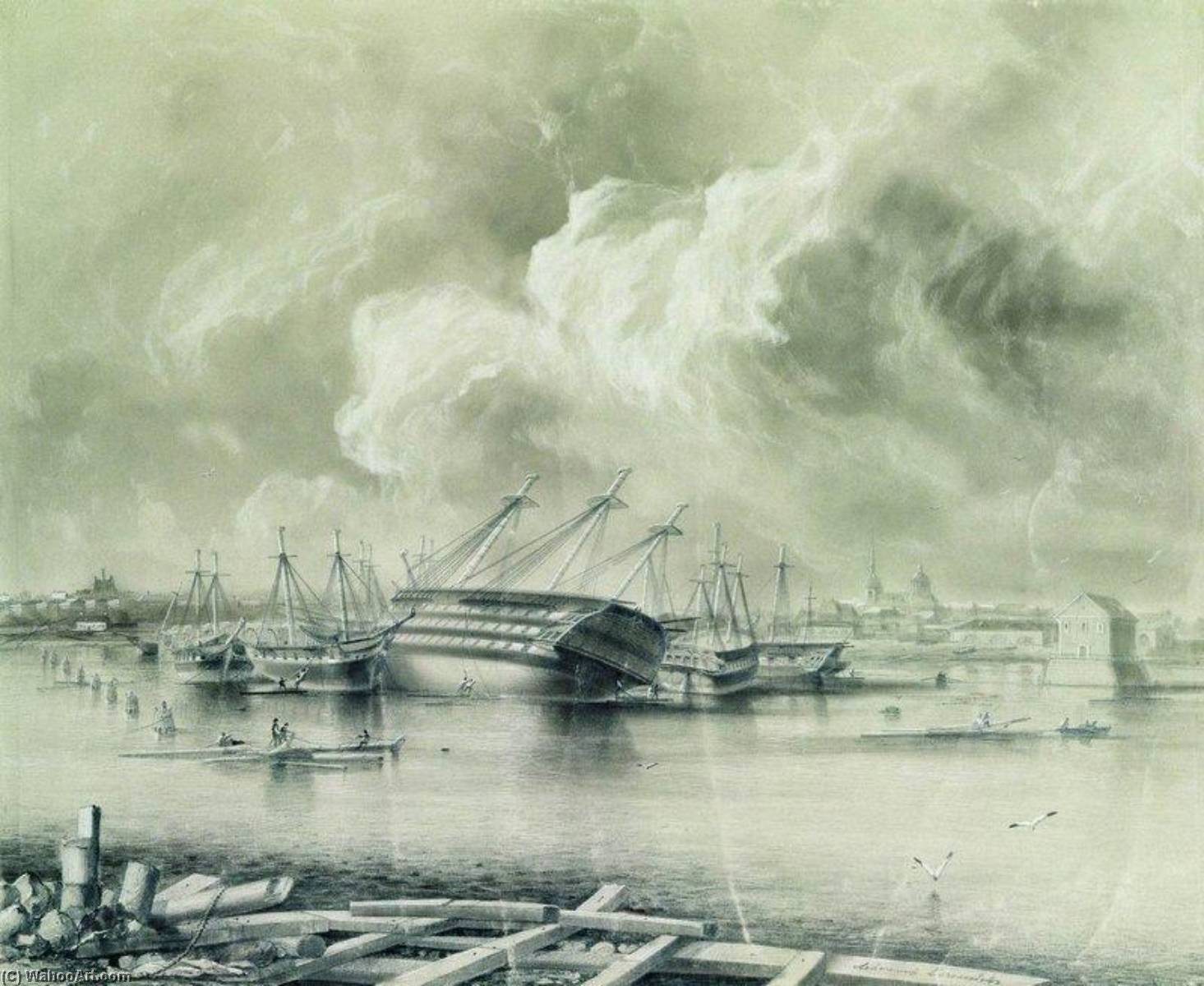
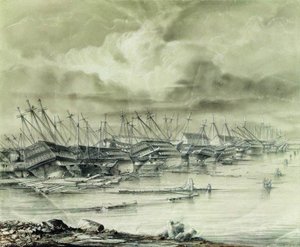
Kronstadt after the Flooding


 Ver más
Adquiera una imagen digital de alta resolución y optimizada, muy superior a la vista previa en línea.
Cada archivo es preparado meticulosamente por nuestros especialistas internos mediante el uso de herramientas avanzadas y un experto retoque manual. Nos aseguramos de que cada imagen posea una claridad excepcional, una precisión cromática impecable y un detalle minucioso.
El archivo final se entrega por correo electrónico en un plazo de 72 horas, optimizado para su uso inmediato en entornos profesionales, editoriales y de impresión. Esta es la misma calidad en la que confían los estudios de diseño, las editoriales y las galerías de primer nivel.
Imagen Digital
Descarga un archivo de alta resolución para exhibición personal, impresión y proyectos creativos. ( Comprar impresión Comprar pintura hecha a mano)
Incluido en cada pedido de imágenes digitales
Entrega digital experta, garantizada.
Al elegir ArtsDot.com, no solo está adquiriendo una imagen; está recibiendo una obra de arte digital mejorada profesionalmente, elaborada con precisión y respaldada por una garantía de satisfacción. Esto es todo lo que incluye su pedido, automáticamente:

Entrega rápida por email
Recibirá su archivo de imagen digital en alta resolución por correo electrónico en un plazo de 72 horas tras realizar su pedido, listo para su uso inmediato.

Archivo digital optimizado por IA
Su obra de arte se optimiza profesionalmente mediante herramientas avanzadas de IA y edición manual, garantizando el máximo detalle, claridad y precisión cromática.

Reenvío gratuito de por vida
¿Has borrado o perdido tu archivo por error? No te preocupes: te lo volveremos a enviar en cualquier momento, sin coste adicional.

Sin gastos de importación, siempre
Disfrute de su obra de arte al instante sin aduanas, aranceles ni gastos de envío; las descargas digitales siempre están libres de impuestos.

Garantía de fidelidad de color
Garantizamos que su imagen digital refleje los colores originales con la mayor fidelidad posible, mediante el uso de herramientas profesionales y gestión del color.

Garantía de satisfacción de 60 días
Si no está satisfecho con su imagen digital, la revisaremos o le reembolsaremos el 100% en un plazo de 60 días, sin preguntas.

100% Garantía de devolución de dinero
¿No está satisfecho? Obtenga un reembolso completo dentro de los 60 días posteriores a la recepción de su archivo digital, sin necesidad de explicaciones.

Descuentos por pedidos grandes
Compra 3 imágenes, ahorra 10% - Compra 5, ahorra 15% - Compra 10+, ahorra 20%. Ideal para proyectos creativos, galerías y agencias.
A Storm-Tossed Harbor: Bogoliubov’s “Kronstadt After the Flooding”
Alexei Petrovich Bogolyubov's "Kronstadt After the Flooding" isn’t merely a seascape; it’s a visceral embodiment of a pivotal moment in Russian history – the tumultuous Kronstadt Rebellion of 1921. Painted during a period of intense social and political upheaval, this dramatic canvas captures not just a physical event but also the simmering discontent and ultimately tragic fate of a revolutionary outpost. The painting, rendered with a masterful blend of Romantic idealism and meticulous realism, speaks volumes about the complexities of the early Soviet era and the artist’s profound connection to the sea.
Bogolyubov, born in 1824 into a family steeped in both military tradition and intellectual ferment – his father a retired colonel, his maternal grandfather the celebrated philosopher Alexander Radishchev – possessed an artistic sensibility deeply influenced by his naval service. This experience, coupled with his travels across Europe, particularly to Düsseldorf where he studied under Andreas Achenbach, shaped his distinctive style: a potent combination of atmospheric perspective, dynamic brushwork, and a keen eye for capturing the raw power of nature. “Kronstadt After the Flooding” exemplifies this perfectly, showcasing a dramatic interplay between light, shadow, and turbulent water.
The Scene Unfolds: Composition and Technique
The composition immediately draws the viewer into the heart of the storm. A chaotic jumble of thirteen boats – ranging from small fishing skiffs to larger merchant vessels – are tossed about on a churning sea under a bruised, ominous sky. The palette is dominated by cool blues, greys, and greens, punctuated by flashes of white foam and the dark silhouettes of distant buildings. Bogolyubov’s technique is characterized by loose, expressive brushstrokes that convey both the violence of the storm and the vulnerability of the ships caught in its grip. He skillfully utilizes a layering effect, building up color gradually to create a sense of depth and movement. The artist's attention to detail—the individual waves, the splintered wood on the boats, the desperate figures clinging to the rigging—adds an incredible level of realism to the scene.
Notably, the painting’s perspective is deliberately skewed, creating a feeling of instability and disorientation mirroring the chaos of the event it depicts. The horizon line is low, emphasizing the vastness of the sea and the insignificance of human endeavors against the forces of nature. This compositional choice reinforces the painting's thematic core: the struggle between humanity and the overwhelming power of the elements.
Symbolism and Historical Context
“Kronstadt After the Flooding” is inextricably linked to the Kronstadt Rebellion, a brief but significant uprising by sailors and workers at the naval fortress on Kotlin Island. These revolutionaries, who had initially supported the Bolsheviks during the Russian Civil War, grew disillusioned with the increasingly authoritarian nature of the Soviet regime and demanded greater political freedom. The rebellion was brutally suppressed in March 1921, resulting in a wave of executions and arrests.
The painting itself serves as a poignant visual record of this event. The flooded harbor, ravaged by the storm, symbolizes the destruction wrought by the Bolsheviks’ crackdown on dissent. The scattered figures on the boats represent the shattered hopes and dreams of the rebels. It's important to note that Bogolyubov was commissioned to paint several works depicting events related to the Kronstadt uprising, reflecting the government's desire to both document and control the narrative surrounding this controversial episode.
Emotional Resonance and Legacy
Beyond its historical significance, “Kronstadt After the Flooding” possesses a profound emotional resonance. The painting evokes feelings of anxiety, vulnerability, and ultimately, tragedy. The turbulent sea and stormy sky create a sense of foreboding, while the desperate figures on the boats convey a poignant sense of loss. It’s a powerful reminder of the human cost of political upheaval and the enduring struggle for freedom.
Today, this artwork stands as a testament to Bogolyubov's artistic skill and his ability to capture the drama and complexity of Russian history. Reproductions offer a window into a turbulent era, inviting viewers to contemplate the legacy of the Kronstadt Rebellion and the enduring power of art to bear witness to both triumph and tragedy.
Obras relacionadas
Biografía del artista
Primeros años y educación
Alexei Petrovich Bogoliubov fue un pintor de paisajes ruso, nacido el 16 de marzo de 1824 en la aldea de Pomerania en la gobernación de Novgorod. Su padre, Piotr Gavrilovich Bogoliubov, era un coronel retirado, y su abuelo materno, Alexander Radishchev, era un filósofo y crítico social muy conocido. En 1841, Alexei se graduó del colegio militar y sirvió en la armada rusa, viajando a muchos países. Comenzó a asistir a clases en la Academia de Artes de San Petersburgo en 1849, donde estudió bajo Maxim Vorobiev.Carrera e influencias
Bogoliubov estuvo muy influenciado por Ivan Aivazovsky, un pintor marino ruso. En 1853, finalizó la academia con una medalla de oro importante. Se retiró como oficial de marina y fue nombrado artista del cuartel general de la armada. De 1854 a 1860, viajó por Europa, trabajando prolíficamente. En Roma, conoció a Alexander Ivanov, quien lo convenció de centrarse más en el dibujo. En Düsseldorf, tomó clases de Andreas Achenbach. En París, admiró a los artistas de la Escuela Barbizon, incluyendo a Camille Corot y Charles-François Daubigny.Obras notables y exposiciones
Las pinturas de Bogoliubov se caracterizan por su realismo y romanticismo. Es conocido por sus numerosos paisajes y marinas, particularmente sus escenas de batallas navales. Algunas de sus obras notables se pueden encontrar en ArtsDot.com. Exhibió sus obras en la Academia Imperial de Artes y recibió el título de profesor. En 1871, fue elegido para la Academia Imperial de Artes.Legado y vida posterior
Bogoliubov se acercó al movimiento artístico de los Errantes (Peredvizhniki), participando en todas sus exposiciones. Se convirtió en miembro de su junta directiva pero tenía reservas sobre sus ideas sociales. En 1873, abandonó la academia en solidaridad con sus compañeros itinerantes. Después de 1873, Bogoliubov vivió principalmente en París debido a su afección cardíaca. Su casa era como una colonia rusa, con frecuentes visitantes que incluían a Ivan Turgenev, Ilia Repin y Vasily Polenov. Para obtener más información sobre la vida y las obras de Bogoliubov, visite su página en ArtsDot.com o su página de Wikipedia.Importancia histórica
Alexei Petrovich Bogoliubov fue un artista que sirvió como puente entre el Romanticismo y el Realismo en la pintura rusa. Su formación académica, combinada con sus viajes por Europa y su contacto con movimientos artísticos innovadores como la Escuela Barbizon, le permitieron desarrollar un estilo único que se caracterizaba por una observación precisa de la naturaleza y una sensibilidad romántica. Su participación en los Errantes (Peredvizhniki) reflejó su compromiso con el arte socialmente relevante y su deseo de acercar el arte al pueblo ruso. Su legado perdura como un testimonio de su talento artístico, su espíritu viajero y su contribución a la rica tradición del arte ruso.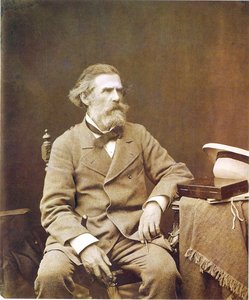
Alexei Petrovich Bogoliubov
1824 - 1896 , Rusia
Breves datos
- Artistas Que Influyeron:
- Iván Aivazovski
- Camille Corot
- Estilo Artístico: Romanticismo y Realismo
- Nacionalidad: Ruso
- Nombre Completo: Alexei Petrovich Bogoliubov
- Obras Notables:
- Paisajes marinos
- Escenas de batalla naval

