 Vista previa
 Compartir
 Compartir
 Ver detalles

 Descargar
 Ver similares
 Radiografía
 Presentación de diapositivas
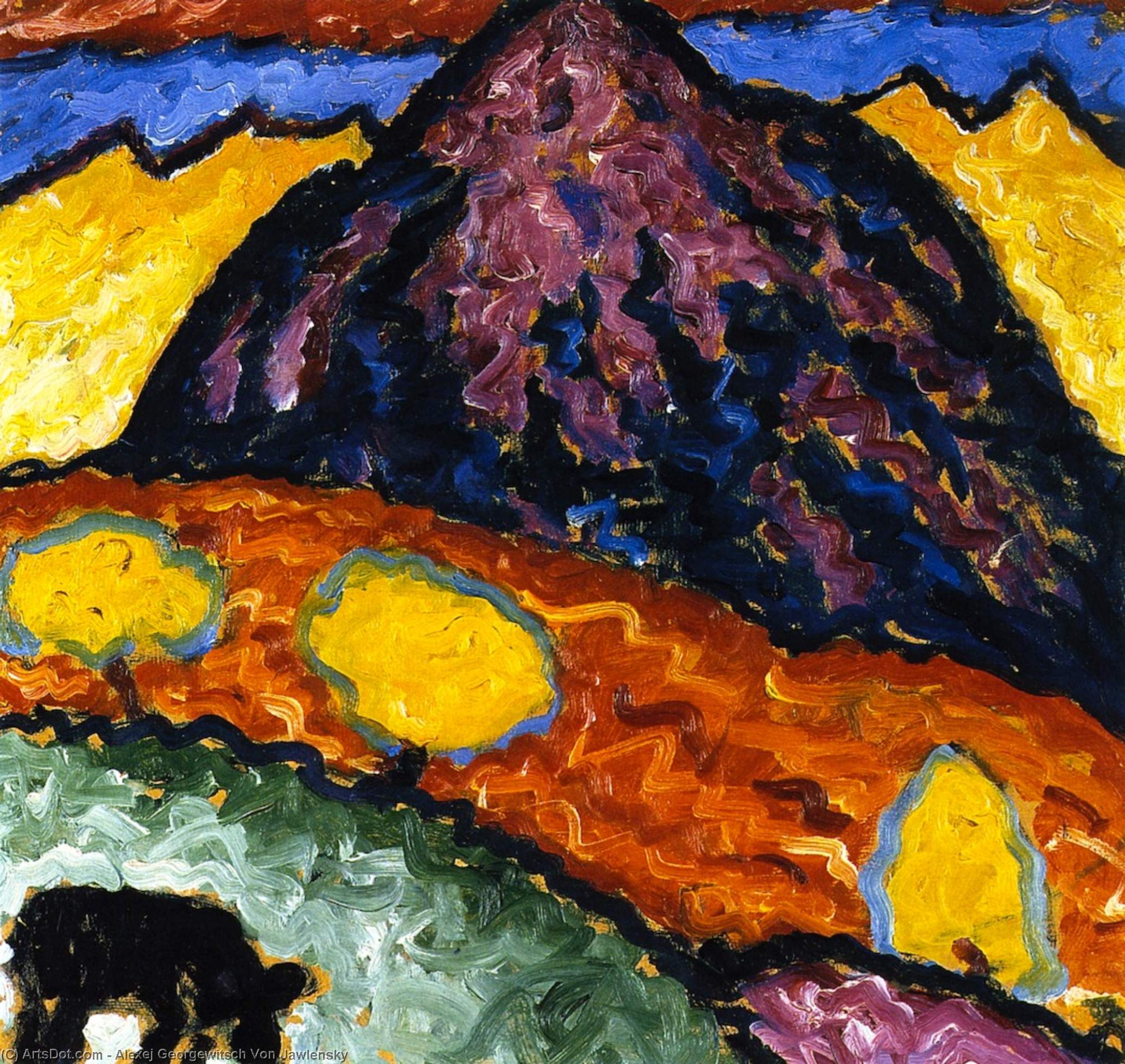
Paisaje con Vaca


 Leer más
Reproducción al óleo hecha a mano
Óleo sobre lienzo pintado a mano en el tamaño y marco de su elección, realizado por encargo por nuestros artistas. ( Pedir impresión Comprar descarga)




P118B $10

P118H $10

P118W $10

P438Z $10

P508JH $12

P508YH $12

P805H $10

P805Z $10

P919BZ $10

P919G $10

P919XJ $10

P959ZH $10

P968JZ $12

W106C $8

W218G $10

W218JH $8

W218Y $10

W307PJ $10

W316G $10

W316PJ $8

W316Y $10

W398PJ $8

W4111J $10

W500HY $15

W500JH $15

W692G $12

W849H $8

W940BG $15

W953PJ $8




Elija entre nuestros tamaños predefinidos que respetan las proporciones originales de la obra.

Puede ingresar sus propias dimensiones para adaptarse a un marco o espacio específico. Si el tamaño seleccionado no coincide con las proporciones de la imagen original, recortaremos la obra o extenderemos la pintura con elementos adicionales pintados a mano. Se le enviará una maqueta digital para su aprobación antes de comenzar la producción.
Tenga en cuenta que la vista previa en pantalla no refleja el recorte o la extensión reales. Solo la maqueta mostrará con precisión la composición final.
Si bien existen tamaños personalizados, recomendamos seleccionar una dimensión de la lista predefinida para preservar las proporciones originales.
Tras realizar el pedido, el equipo de ArtsDot.com enviará un correo electrónico al cliente para solicitar instrucciones y proporcionarle una vista previa del boceto.
Envío a todo el mundo () en 3-4 semanas en lugar de las 5 semanas estándar. (22 agosto). Sin comprometer la calidad.

Envío exprés gratuito a todo el mundo

Lienzo de lino de alta calidad

Seguro de envío completo

Garantía de reembolso de aranceles aduaneros

Garantía de fidelidad cromática exacta

Política de devolución de 60 días (solo por defectos)

Garantía de devolución del 100% del dinero

Oferta por volumen
 La opción de vidrio solo está disponible en tamaños inferiores a 110 cm.

Paisaje con Vaca
Técnica de reproducción
Tamaño de la reproducción
-


Precio total
$ 263
Descripción de la obra
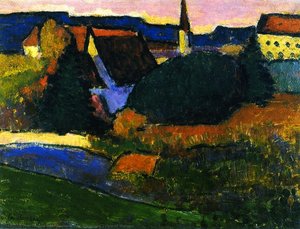
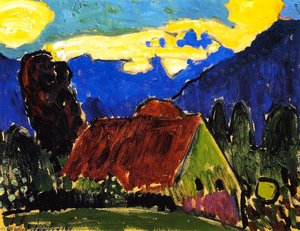
A Vibrant Expression of Nature: Jawlensky's "Landscape with Cow"
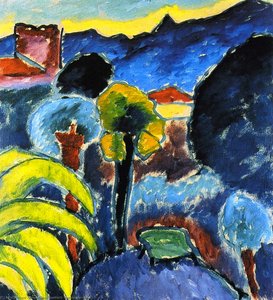
This captivating oil on panel painting by Alexej Georgewitsch von Jawlensky, created in 1912, is a quintessential example of early Russian Expressionism. The artwork depicts a stylized landscape dominated by jagged mountain peaks rendered in bold, contrasting colors. A solitary cow occupies the foreground, creating an intriguing juxtaposition between the raw power of nature and the quiet presence of domesticity. Jawlensky doesn't aim for photographic realism; instead, he prioritizes conveying emotion and inner experience through vibrant color and dynamic form – hallmarks of the Expressionist movement. The composition is divided into distinct horizontal bands of color, suggesting layered depth despite a flattened perspective. Notice how the thick application of paint (impasto) creates a tactile quality, inviting viewers to engage with the artwork on a sensory level.Expressionism and Artistic Influences
Jawlensky was a pivotal figure within Expressionism, an early 20th-century movement that rejected traditional artistic conventions in favor of expressing intense emotions and subjective realities. This painting emerged during a period of significant social and political upheaval, reflecting the anxieties and uncertainties of the time. While rooted in Expressionism, "Landscape with Cow" also reveals influences from Fauvism, particularly in its bold, non-naturalistic use of color. The vibrant purples and blues of the mountains clash beautifully with the earthy tones of the cow, creating a visually arresting effect. Jawlensky’s work often explored spiritual themes and sought to capture a sense of inner harmony through abstraction, which is subtly present even within this seemingly straightforward landscape. He was closely associated with groups like *Der Blaue Reiter* (The Blue Rider) and *Die Blaue Vier* (The Blue Four), further solidifying his place in the history of modern art.Technique and Key Features
Jawlensky’s technique is characterized by its energetic brushstrokes and a deliberate disregard for precise detail. The painting utilizes geometric shapes—primarily triangles and ovals—to define the mountain forms and foreground elements, contributing to the overall dynamism. The color palette is intensely saturated and deliberately jarring, amplifying the emotional impact of the work. Color plays a crucial role; the contrasting hues create visual tension and evoke a sense of vitality. The impasto technique isn't merely decorative; it adds depth, texture, and a palpable energy to the scene. The presence of smaller figures faintly visible in the background hints at a larger narrative, adding complexity and inviting viewers to contemplate the broader context of this rural landscape.Emotional Impact and Symbolism
Beyond its aesthetic appeal, "Landscape with Cow" resonates on an emotional level. The painting evokes feelings of both tranquility and unrest – the peaceful presence of the cow juxtaposed against the dramatic intensity of the mountains. While not overtly symbolic, the artwork can be interpreted as a reflection of humanity's relationship with nature: a sense of awe, vulnerability, and perhaps even a yearning for connection to something larger than oneself. The stylized representation allows viewers to project their own emotions and experiences onto the scene, making it a deeply personal and engaging work of art. It’s a testament to Jawlensky’s ability to transform a simple landscape into a powerful expression of human emotion. ``` --- Spanish Translation:** ```htmlUna Vibrante Expresión de la Naturaleza: "Paisaje con Vaca" de Jawlensky
Esta cautivadora pintura al óleo sobre panel del artista Alexej Georgewitsch von Jawlensky, creada en 1912, es un ejemplo esencial del expresionismo ruso temprano. La obra representa un paisaje estilizado dominado por picos montañosos irregulares renderizados en colores audaces y contrastantes. Una vaca solitaria ocupa el primer plano, creando una intrigante yuxtaposición entre la fuerza bruta de la naturaleza y la presencia tranquila de la domesticidad. Jawlensky no busca un realismo fotográfico; en cambio, prioriza transmitir emoción y experiencia interior a través del color vibrante y la forma dinámica – señas de identidad del movimiento expresionista. La composición se divide en bandas horizontales distintas de color, sugiriendo una profundidad superpuesta a pesar de una perspectiva aplanada. Observe cómo la gruesa aplicación de pintura (impasto) crea una calidad táctil, invitando a los espectadores a interactuar con la obra de arte a nivel sensorial.Expresionismo e Influencias Artísticas
Jawlensky fue una figura clave dentro del expresionismo, un movimiento de principios del siglo XX que rechazó las convenciones artísticas tradicionales en favor de expresar emociones intensas y realidades subjetivas. Esta pintura surgió durante un período de importantes cambios sociales y políticos, reflejando las ansiedades e incertidumbres de la época. Si bien está arraigado en el expresionismo, "Paisaje con Vaca" también revela influencias del fauvismo, particularmente en su uso audaz y no naturalista del color. Los vibrantes morados y azules de las montañas contrastan hermosamente con los tonos terrosos de la vaca, creando un efecto visual impactante. La obra de Jawlensky a menudo exploraba temas espirituales y buscaba capturar una sensación de armonía interior a través de la abstracción, lo cual está sutilmente presente incluso dentro de este paisaje aparentemente sencillo. Estuvo estrechamente asociado con grupos como *Der Blaue Reiter* (El Jinete Azul) y *Die Blaue Vier* (Los Cuatro Azules), consolidando aún más su lugar en la historia del arte moderno.Técnica y Características Clave
La técnica de Jawlensky se caracteriza por sus pinceladas energéticas y un desprecio deliberado por los detalles precisos. La pintura utiliza formas geométricas, principalmente triángulos y óvalos, para definir las formas montañosas y los elementos del primer plano, lo que contribuye a la dinámica general. La paleta de colores es intensamente saturada y deliberadamente impactante, amplificando el impacto emocional de la obra. El color juega un papel crucial; los tonos contrastantes crean una tensión visual y evocan una sensación de vitalidad. La técnica del impasto no es meramente decorativa; añade profundidad, textura y una energía palpable a la escena. La presencia de figuras más pequeñas visiblemente en el fondo insinúa una narrativa más amplia, añadiendo complejidad e invitando a los espectadores a contemplar el contexto más amplio de este paisaje rural.Impacto Emocional y Simbolismo
Más allá de su atractivo estético, "Paisaje con Vaca" resuena a nivel emocional. La pintura evoca sentimientos tanto de tranquilidad como de inquietud: la presencia pacífica de la vaca yuxtapuesta contra la intensidad dramática de las montañas. Si bien no es abiertamente simbólica, la obra puede interpretarse como un reflejo de la relación de la humanidad con la naturaleza: una sensación de asombro, vulnerabilidad y quizás incluso un anhelo de conexión con algo más grande que uno mismo. La representación estilizada permite a los espectadores proyectar sus propias emociones y experiencias en la escena, convirtiéndola en una obra de arte profundamente personal e interesante. Es un testimonio de la capacidad de Jawlensky para transformar un paisaje sencillo en una poderosa expresión de emoción humana.Obras relacionadas
Biografía del artista
A Life Painted in Emotion: The Journey of Alexej von Jawlensky
Alexej von Jawlensky, born Alexej Georgewitsch von Jawlensky on March 13, 1864, in the Russian town of Torzhok, embarked on a path that would firmly establish him as a pivotal figure within early twentieth-century Expressionism. His formative years were characterized by frequent relocations, culminating in a settling within Moscow at the age of ten—an experience that likely instilled a sense of displacement and perhaps, a yearning for deeper connection, themes subtly woven into the emotional core of his later artistic explorations. Initially drawn to a military career, Jawlensky’s encounter with the vibrant world of art during the 1880 Moscow World Exposition proved transformative. This exposure ignited within him a passion that would ultimately supersede any sense of duty, leading him down a path dedicated to visual expression.
Early Influences and Artistic Foundations
Jawlensky’s early artistic training was somewhat unconventional. He initially pursued a military career, but his encounter with art during the 1880 Moscow World Exposition sparked an immediate and profound interest. This pivotal experience led him to abandon his military aspirations and dedicate himself to painting. He received some formal instruction at the St. Petersburg Academy of Arts, balancing his artistic pursuits with his military obligations. However, it was his association with Ilya Repin, a prominent Russian realist painter, that proved particularly formative. Repin’s influence instilled in Jawlensky a deep appreciation for realism and observation, while simultaneously encouraging him to explore new avenues of expression. Crucially, he met Marianne von Werefkin during this period—an artist of considerable means who became not only his mentor but also a vital supporter, providing the financial stability necessary for him to fully commit to his artistic endeavors. Their relationship was complex and deeply intertwined with shared creative ambitions.
Munich and the Birth of Expressionism
The move to Munich in 1894 marked a decisive turning point in Jawlensky’s career. He enrolled at Anton Ažbe’s private school, immersing himself in an environment that actively encouraged experimentation and challenged traditional academic approaches. This period witnessed a significant shift in his artistic style as he began to absorb the radical ideas circulating within the European art world. He was profoundly influenced by artists like Ferdinand Hodler, whose use of simplified forms and symbolic imagery resonated deeply with Jawlensky’s own evolving aesthetic sensibilities. Jan Verkade and Paul Sérusier further broadened his horizons, introducing him to the principles of symbolism and synthetism—movements that prioritized subjective experience and emotional resonance over strict representational accuracy. Jawlensky's engagement with groups like the Neue Künstlervereinigung München (NKvM) solidified his commitment to artistic innovation, placing him at the heart of a burgeoning Expressionist movement.
The Mystical Heads: A Journey into Inner Space
Around 1909, Jawlensky embarked on what would become his most iconic series—the “Mystical Heads.” These intensely colored portraits, often depicting faces reduced to essential forms, are not merely representations of individuals but rather explorations of spiritual essence and inner life. The heads possess a haunting quality, their simplified features and vibrant palettes conveying a sense of profound emotion and psychological depth. Works like Schokko with Red Hat (1909) and Portrait of Alexander Sakharoff (1909) exemplify this period, showcasing his mastery of color and composition. These weren’t portraits in the traditional sense; they were attempts to capture something beyond physical likeness—the soul, the inner landscape of the sitter. He distilled faces into geometric shapes, emphasizing the power of color to evoke emotion and spiritual resonance. Throughout the 1910s, Jawlensky continued to refine his style, moving towards an even greater degree of abstraction. His compositions became increasingly geometric, with forms distilled to their most fundamental elements. He developed a formulaic approach, often employing a limited range of colors arranged in carefully balanced configurations.
Exile, Legacy and Lasting Influence
The outbreak of World War I brought upheaval to Jawlensky’s life. Expelled from Germany in 1914 due to his Russian origins, he sought refuge in Switzerland, where he encountered Emmy Scheyer. Scheyer became a devoted champion of his work, tirelessly promoting it in the United States and securing him recognition on an international stage. Despite facing increasing health challenges—including severe arthritis that progressively limited his ability to paint—Jawlensky continued to create until his death in Wiesbaden, Germany, on March 15, 1941. His later works, created under immense physical hardship, are a testament to his unwavering dedication to artistic expression. Today, Alexej von Jawlensky is celebrated as a key figure in the development of Expressionism. His paintings are held in prominent museum collections worldwide, including the Museum Ostwall in Dortmund and the Städtische Galerie im Lenbachhaus in Munich. His exploration of color, form, and spiritual themes continues to resonate with audiences, solidifying his place as one of the most important artists of the early twentieth century. He left behind a body of work that is both visually striking and emotionally profound, offering a glimpse into the inner world of an artist who dared to challenge conventions and embrace the power of subjective expression.
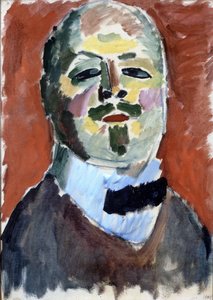
Alexej von Jawlensky
1864 - 1941 , Rusia
Datos clave
- Artistas Que Influyeron:
- Iliá Repin
- Ferdinand Hodler
- Jan Verkade
- Paul Sérusier
- Henri Matisse
- Emil Nolde
- Fecha De Fallecimiento: 15 de marzo de 1941
- Fecha De Nacimiento: 13 de marzo de 1864
- Lugar De Nacimiento: Torzhok, Rusia
- Movimiento Artístico: Expresionismo
- Movimientos Influenciados Por Este Artista:
- Der Blaue Reiter
- Die Blaue Vier
- Nacionalidad: Ruso-Alemán
- Nombre Completo: Alexej von Jawlensky
- Obras Notables:
- Paisaje con Vaca
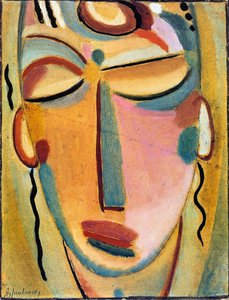
- Cabeza Mística: Meditación
- Schokko con sombrero rojo
- Retrato de Alexander Sakharoff
- Turbante violeta
Artículos relacionados

Paisajes Románticos: 10 Obras Maestras que Definieron un Movimiento Artístico
Descubre los 10 paisajes románticos más influyentes de artistas como Caspar David Friedrich y Turner. Explora la belleza, el simbolismo y las técnicas del movimiento romántico. Reproducciones de arte exclusivas en ArtsDot.com.

Evocations of Place: A Historical Journey Through Landscape Art
Explore the rich history of landscape art with ArtsDot. Discover renowned artists, movements like Impressionism & Romanticism, and expert guidance for collecting timeless pieces. Find your perfect serene escape today!
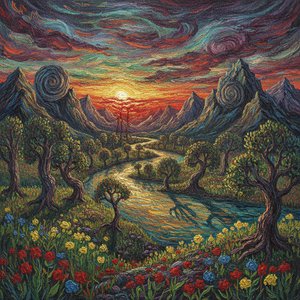
Beyond Reality: The Raw Emotion and Distorted Beauty of Expressionist Landscapes
Explore the profound emotional depth of Expressionist landscapes. From Munch to Kirchner, discover how bold colors and distorted forms redefine reality through art history's most evocative masterpieces.

John Constable: Las 25 Obras Maestras del Paisaje Inglés | ArtsDot
Descubre las 25 obras maestras de John Constable, el pintor romántico inglés que capturó la belleza del paisaje. Explora su técnica, historia y significado en ArtsDot.com. Reproducciones de arte de alta calidad para tu hogar.
10 Obras de Arte Audaces que Transformarán tu Espacio | ArtsDot
Descubre 10 obras de arte audaces que definen la pasión y el impacto visual. Explora la historia detrás de artistas como Van Gogh, Matisse y Kahlo. Encuentra reproducciones de museo en ArtsDot.com.