

 Ver en contexto
 Enviar
 Compartir
 Detalles

 Descargar
 Similares
 Radiografía
 Presentación de diapositivas
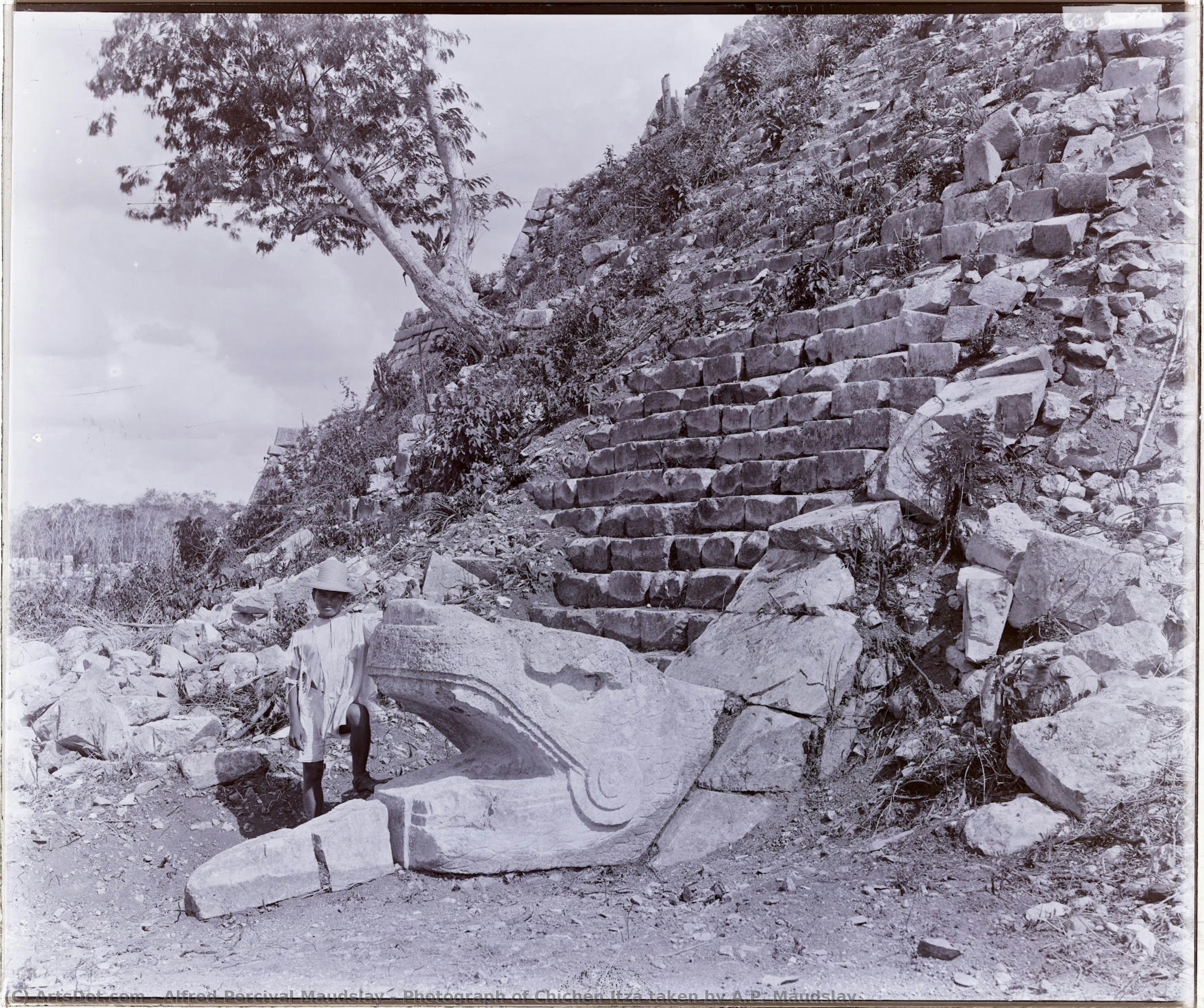
Photograph of Chichén Itzá taken by A.P. Maudslay
 Acrylic
- WallArt
- Documentary Photography
 1894
1894 25.0 x 30.0 cm
 Museo Británico
 Ver más
Adquiera una imagen digital de alta resolución y optimizada, muy superior a la vista previa en línea.
Cada archivo es preparado meticulosamente por nuestros especialistas internos mediante el uso de herramientas avanzadas y un experto retoque manual. Nos aseguramos de que cada imagen posea una claridad excepcional, una precisión cromática impecable y un detalle minucioso.
El archivo final se entrega por correo electrónico en un plazo de 72 horas, optimizado para su uso inmediato en entornos profesionales, editoriales y de impresión. Esta es la misma calidad en la que confían los estudios de diseño, las editoriales y las galerías de primer nivel.
Imagen Digital
Descarga un archivo de alta resolución para exhibición personal, impresión y proyectos creativos. ( Comprar impresión Comprar pintura hecha a mano)
Incluido en cada pedido de imágenes digitales
Entrega digital experta, garantizada.
Al elegir ArtsDot.com, no solo está adquiriendo una imagen; está recibiendo una obra de arte digital mejorada profesionalmente, elaborada con precisión y respaldada por una garantía de satisfacción. Esto es todo lo que incluye su pedido, automáticamente:

Entrega rápida por email
Recibirá su archivo de imagen digital en alta resolución por correo electrónico en un plazo de 72 horas tras realizar su pedido, listo para su uso inmediato.

Archivo digital optimizado por IA
Su obra de arte se optimiza profesionalmente mediante herramientas avanzadas de IA y edición manual, garantizando el máximo detalle, claridad y precisión cromática.

Reenvío gratuito de por vida
¿Has borrado o perdido tu archivo por error? No te preocupes: te lo volveremos a enviar en cualquier momento, sin coste adicional.

Sin gastos de importación, siempre
Disfrute de su obra de arte al instante sin aduanas, aranceles ni gastos de envío; las descargas digitales siempre están libres de impuestos.

Garantía de fidelidad de color
Garantizamos que su imagen digital refleje los colores originales con la mayor fidelidad posible, mediante el uso de herramientas profesionales y gestión del color.

Garantía de satisfacción de 60 días
Si no está satisfecho con su imagen digital, la revisaremos o le reembolsaremos el 100% en un plazo de 60 días, sin preguntas.

100% Garantía de devolución de dinero
¿No está satisfecho? Obtenga un reembolso completo dentro de los 60 días posteriores a la recepción de su archivo digital, sin necesidad de explicaciones.

Descuentos por pedidos grandes
Compra 3 imágenes, ahorra 10% - Compra 5, ahorra 15% - Compra 10+, ahorra 20%. Ideal para proyectos creativos, galerías y agencias.
A Window into the Ancient World: Alfred Percival Maudslay’s 1894 Photograph
The image before you – “Photograph of Chichén Itzá taken by A.P. Maudslay” – is more than simply a depiction of an ancient Mayan city; it's a portal, a meticulously crafted snapshot frozen in time that offers a rare and intimate glimpse into the late 19th century’s burgeoning field of archaeology. Captured in stark black and white during 1894 by British colonial administrator and archaeologist Alfred Percival Maudslay, this remarkable wet collodion photograph transcends its documentary origins to become a powerful testament to both the grandeur of Mayan civilization and the pioneering spirit of early exploration.
Maudslay’s journey to Chichén Itzá wasn't driven by a desire for conquest or colonial ambition, but rather by an insatiable curiosity and a profound respect for the intricate cultures he encountered. He arrived at a time when systematic archaeological study was still in its infancy, and his work laid crucial groundwork for understanding the complexities of Mayan society – a legacy that continues to resonate today. The photograph itself is a product of this era’s technological limitations and artistic sensibilities, utilizing the then-new process of wet collodion photography to capture the scene with remarkable detail.
The Anatomy of an Image: Composition and Technique
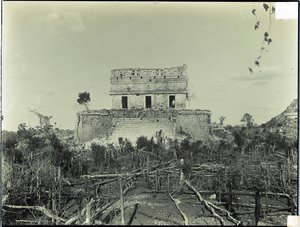
Upon first glance, the photograph presents a monumental stone structure – likely a temple or fortress – dominating the frame. This central element is positioned with deliberate precision, anchoring the composition while simultaneously inviting the viewer to explore the surrounding landscape. The use of a horizontal format emphasizes the scale and breadth of the ruins, creating an immediate sense of awe and wonder. Foreground elements—uneven ground and sparse foliage—serve as subtle guides, drawing the eye deeper into the scene and subtly suggesting a journey through time.
- Wet Collodion Process: The photograph’s monochrome palette is a direct result of the wet collodion process, a demanding technique requiring immediate development. This method produced images with a unique tonal range and subtle textures, contributing to the photograph's evocative quality.
- Compositional Balance: Maudslay masterfully balances the monumental architecture with the natural elements, creating a harmonious composition that highlights both the human-made and the naturally occurring aspects of the site.
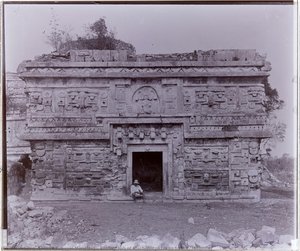
- Detail and Texture: The image is remarkably detailed, capturing the weathered stone surfaces, intricate carvings, and subtle textures of the ruins – a testament to Maudslay’s meticulous observation and photographic skill.
Symbolism and Historical Context
Beyond its technical merits, the photograph carries significant symbolic weight. It represents a crucial moment in the intersection of Western exploration and indigenous cultures—a complex narrative marked by both discovery and potential disruption. The ruins themselves are potent symbols of a lost civilization, embodying themes of time, decay, and the enduring power of human ingenuity. The image also speaks to the Victorian fascination with archaeology and the romanticized notion of “primitive” societies, reflecting the attitudes prevalent during that era.
Furthermore, Maudslay’s meticulous documentation of Chichén Itzá—including his detailed drawings, inscriptions, and plaster casts—contributed significantly to our understanding of Mayan culture. His work helped to preserve a vital record of this ancient civilization for future generations, ensuring its legacy would endure beyond the confines of time.
A Legacy in Reproduction: Bringing History Home
Today, through high-quality reproductions like those offered by ArtsDot.com, we can experience Maudslay’s photograph with unparalleled clarity and detail. Whether displayed as a striking statement piece in a contemporary interior or studied as an invaluable historical document, this image offers a tangible connection to the past—a reminder of the enduring mysteries and profound beauty of ancient civilizations. Consider commissioning a giclee print; it's more than just art; it’s a window into another world.
Obras relacionadas
Biografía del artista
Primeros años y educación
Alfred Percival Maudslay, administrador colonial británico y arqueólogo, nació el 18 de marzo de 1850 en Londres, en una familia adinerada. Estudió ciencias naturales en Trinity Hall, Cambridge, obteniendo su licenciatura en 1872.Carrera y viajes
Los primeros planes de Maudslay para una carrera médica se postergaron mientras viajaba con su hermano, recorriendo Centroamérica, México y partes de los Estados Unidos. Este viaje despertó un interés por la arqueología, el cual definiría más tarde su legado. Tras regresar a casa, Maudslay pospuso nuevamente la escuela de medicina para viajar a Islandia en 1873. Su bronquitis crónica lo llevó a buscar un clima más cálido, lo que resultó en una serie de puestos en Jamaica, Trinidad y, finalmente, el Pacífico Sur.Contribuciones arqueológicas
El tiempo de Maudslay en las colonias del Pacífico británico sentó las bases para sus futuras indagaciones arqueológicas. Se interesó por la recolección de materiales etnográficos, lo que eventualmente contribuiría a la formación del Museo Universitario de Arqueología y Etnología de Cambridge. Su amigo, el ornitólogo Osbert Salvin, animó a Maudslay a explorar las ruinas mayas de Quiriguá y Copán.Logros notables
Maudslay fue el primero en describir el sitio de Yaxchilán.
Exploró Chichén Itzá en la década de 1880, tomando extensas fotografías.
Publicó la primera descripción detallada de Chichén Itzá en su libro, Biologia Centrali-Americana.
Realizó una traducción completa con anotaciones de la Historia de Bernal Díaz del Castillo, que sigue siendo la edición estándar en inglés.
Legado artístico
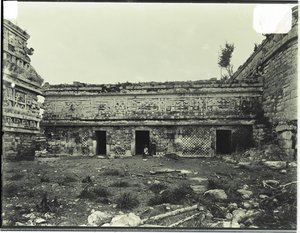
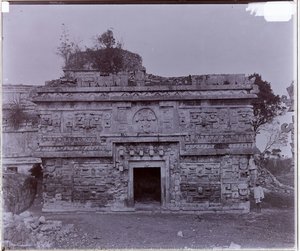
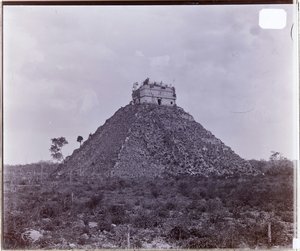
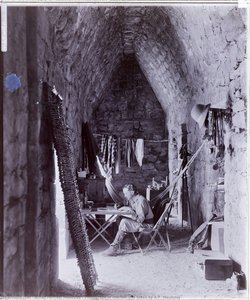
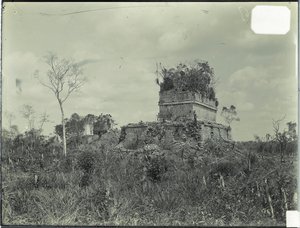
Las fotografías y escritos de Maudslay han sido preservados, ofreciendo un vistazo único al mundo de la arqueología del siglo XIX. Su obra se puede encontrar en varios museos, incluido el Museo Británico (Londres, Reino Unido), que alberga varias de sus fotografías.- fotografía de Chichén Itzá realizada por A.P. Maudslay (16 x 21 cm, Museo Británico, fotografía)
- fotografía de Chichén Itzá realizada por A.P. Maudslay (25 x 30 cm, Museo Británico, fotografía)
- fotografía de Copán realizada por A.P. Maudslay (31 x 25 cm, Museo Británico, fotografía)
Conclusión
El legado de Alfred Percival Maudslay es un testimonio del poder de la curiosidad y la exploración. Desde sus primeros días como administrador colonial hasta sus últimos años como arqueólogo, el trabajo de Maudslay continúa inspirando y educando.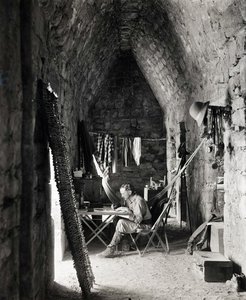
Alfred Percival Maudslay
1850 - 1931 , Reino Unido
Breves datos
- Fecha De Fallecimiento: 1931
- Fecha De Nacimiento: 1850
- Lugar De Nacimiento: Londres, Reino Unido
- Movimiento Artístico O Estilo: Arqueología/Fotografía
- Nacionalidad: Británico
- Nombre Completo: Alfred Percival Maudslay
- Obras Notables: ['Fotografía de Chichén Itzá']

