 Enviar
 Compartir
 Detalles

 Descargar
 Similares
 Presentación de diapositivas
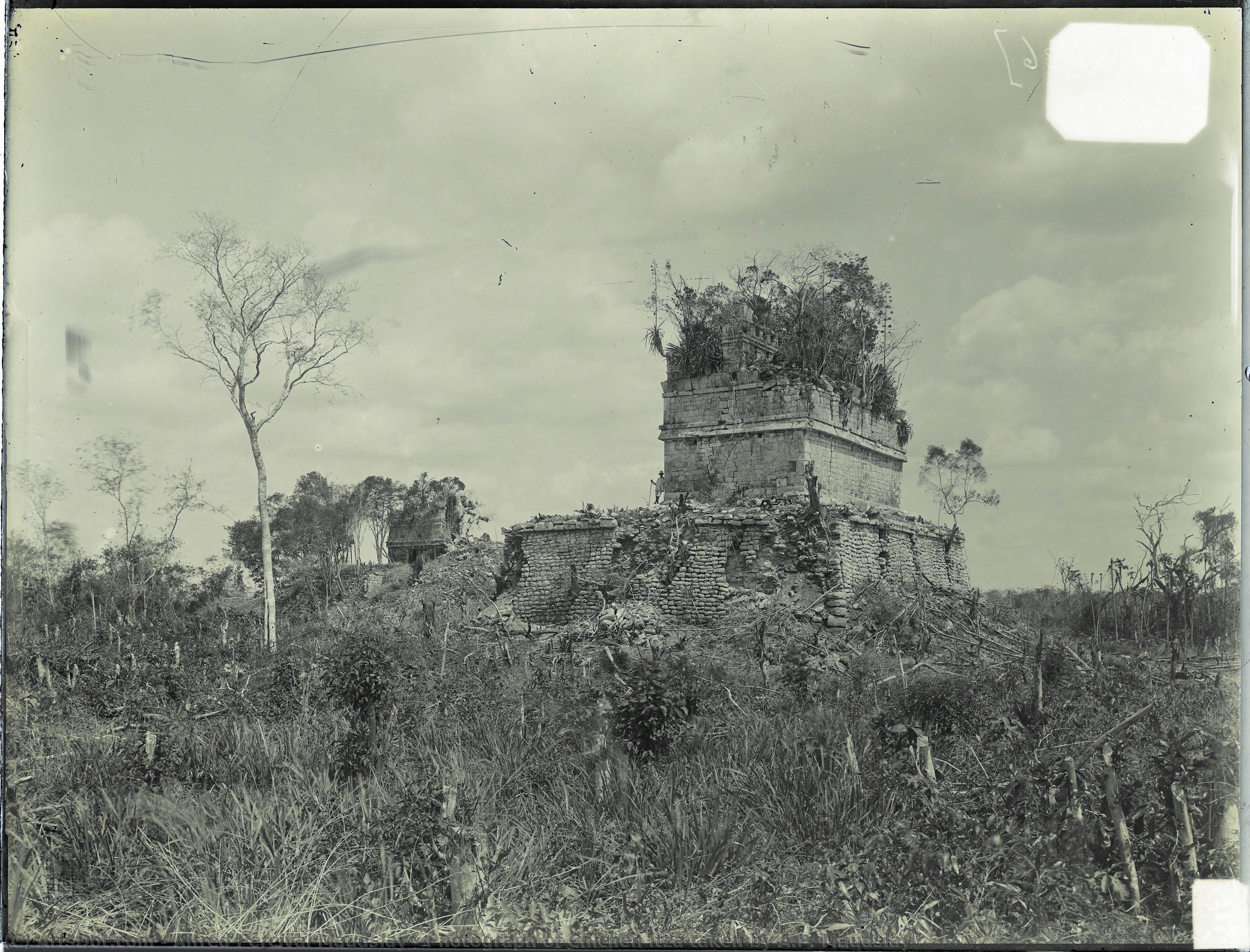
Photograph of Chichén Itzá taken by A.P. Maudslay
 Giclée Print
- Digital
- Documentary Photography
 1894
1894 16.0 x 21.0 cm
 Museo Británico
 Ver más
Giclée / Impresión de arte
Impresiones giclée o en lienzo de calidad de museo con producción rápida y opciones de acabado flexibles. ( Comprar pintura hecha a mano Comprar imagen)




































Elija entre nuestros tamaños predefinidos que respetan las proporciones originales de la obra.

Puede introducir sus propias dimensiones para adaptarse a un marco o espacio específico. Si el tamaño seleccionado no coincide con las proporciones de la imagen original, recortaremos la obra de arte o extenderemos la imagen con un borde con efecto espejo o de color sólido. Se enviará una maqueta digital para su aprobación antes de que comience la producción.
Tenga en cuenta que la vista previa en pantalla no refleja el recorte o la extensión real. Solo la maqueta mostrará con precisión la composición final.
Aunque existen tamaños personalizados, recomendamos seleccionar una dimensión de la lista predefinida para preservar las proporciones originales.
Envío a todo el mundo () en 2 semanas en lugar de las 4/5 semanas estándar. (31 agosto)

Envío exprés gratuito a todo el mundo

Lienzo de lino de alta calidad

Seguro de envío total

Garantía de reembolso de impuestos aduaneros

Garantía de fidelidad cromática exacta

Política de devolución de 60 días (solo por defectos)

Garantía de devolución del 100% del dinero

Descuento por cantidad
 La opción de vidrio solo está disponible en tamaños inferiores a 110 cm.

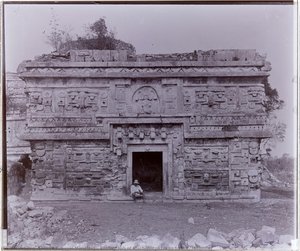
Photograph of Chichén Itzá taken by A.P. Maudslay
Giclée / Impresión de arte
Dimensiones de la reproducción
-


Precio total final
$ 62
A Window Into Ancient Majesty: Alfred Maudslay’s Chichén Itzá Photograph
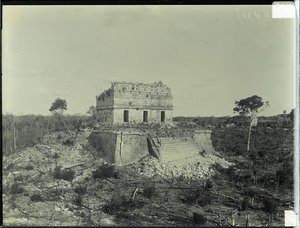
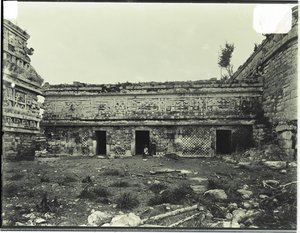
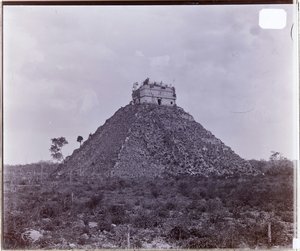
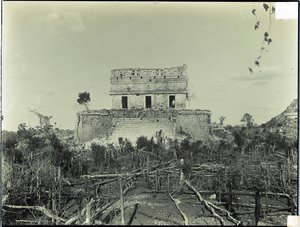
The photograph presented here – “Photograph of Chichén Itzá taken by A.P. Maudslay” – is far more than a simple depiction of an ancient Mayan ruin; it's a meticulously crafted portal into the late 19th century, a testament to the burgeoning field of archaeological exploration, and a poignant reminder of a civilization’s enduring legacy etched in stone. Captured in stark black and white during 1894, this remarkable wet collodion image by British colonial administrator and archaeologist Alfred Percival Maudslay offers an extraordinarily detailed and evocative view of Chichén Itzá – the sprawling Mayan city nestled within the Yucatán Peninsula of Mexico. The photograph immediately draws the eye to a monumental stone structure, likely a temple or fortress, dominating the frame with its weathered walls and subtly crumbling grandeur. It’s a scene imbued with a palpable sense of history, decay, and the thrill of discovery—a feeling that speaks volumes about Maudslay's pioneering work.
Maudslay’s compositional choices are deliberate and profoundly effective. He employs a horizontal format, immediately establishing a sense of awe and scale by emphasizing the breadth of the ruins. The central stone structure is positioned with careful precision, anchoring the composition while simultaneously inviting the viewer to wander through the surrounding vegetation. Foreground elements—uneven ground and sparse foliage—serve as a subtle guide, leading the eye deeper into the scene and creating an illusion of vastness, mirroring the scale of the ancient city itself. The photograph’s monochrome palette – a carefully controlled range of grays – amplifies this effect, lending it an antique and historical feel that transcends mere documentation.
The Pioneer: Alfred Percival Maudslay and His Method
Understanding the context of this image is crucial to appreciating its significance. Alfred Percival Maudslay wasn’t simply a photographer; he was a meticulous scholar, a colonial administrator with a deep fascination for Central American cultures, and a true pioneer in archaeological methodology. His early career involved extensive travel throughout the British Pacific colonies – Fiji, Tonga, Samoa – where he honed his observational skills and developed a keen eye for detail. It was during these years that he began to recognize the importance of documenting ancient sites before they were irrevocably altered by time or development.
Maudslay’s approach to photography was remarkably innovative for its time. He utilized wet collodion, a complex photographic process requiring immediate exposure and careful processing – a technique that demanded immense skill and patience. This method produced images with a unique tonal range and texture, lending them an almost tactile quality. Furthermore, he didn't simply record the ruins; he actively engaged with them, employing techniques like plaster casting to preserve intricate carvings and hieroglyphs, ensuring their survival for future generations. His collaboration with Lorenzo Giuntini, an Italian expert in archaeological restoration, further enhanced his ability to document and analyze the site’s architectural details.
Symbolism and the Echoes of a Lost Civilization
Beyond its technical brilliance, the photograph is rich in symbolic meaning. The imposing stone structure itself represents the enduring power and sophistication of the Mayan civilization – a culture that flourished for centuries before mysteriously declining. The weathered walls, hinting at time’s relentless passage, evoke a sense of melancholy and loss, reminding us of the impermanence of human endeavors. Yet, amidst this decay, there's also an undeniable beauty—a testament to the artistry and ingenuity of the Mayan people.
The inclusion of the surrounding vegetation – a mix of dense jungle foliage – adds another layer of interpretation. It symbolizes the inextricable link between humanity and nature, highlighting how the ancient city was seamlessly integrated into its natural environment. The photograph subtly suggests that Chichén Itzá wasn’t merely built; it grew out of the landscape, becoming an integral part of the Mayan worldview.
A Legacy in Monochrome: Reproduction and Artistic Value
Reproduced today as a high-quality giclee print, “Photograph of Chichén Itzá taken by A.P. Maudslay” retains its captivating power. The subtle tonal variations, achieved through the wet collodion process, are faithfully reproduced, capturing the nuances of light and shadow that define the image’s atmosphere. This artwork serves as a valuable window into a bygone era, offering a glimpse into the life and work of a remarkable explorer and archaeologist. It's not just a beautiful image; it’s a historical artifact—a tangible connection to one of the world’s most enigmatic civilizations.
Whether adorning a study, a gallery wall, or an interior space, this photograph evokes a sense of timelessness and wonder, inviting contemplation on the rise and fall of empires and the enduring legacy of human creativity.
Obras relacionadas
Biografía del artista
Primeros años y educación
Alfred Percival Maudslay, administrador colonial británico y arqueólogo, nació el 18 de marzo de 1850 en Londres, en una familia adinerada. Estudió ciencias naturales en Trinity Hall, Cambridge, obteniendo su licenciatura en 1872.Carrera y viajes
Los primeros planes de Maudslay para una carrera médica se postergaron mientras viajaba con su hermano, recorriendo Centroamérica, México y partes de los Estados Unidos. Este viaje despertó un interés por la arqueología, el cual definiría más tarde su legado. Tras regresar a casa, Maudslay pospuso nuevamente la escuela de medicina para viajar a Islandia en 1873. Su bronquitis crónica lo llevó a buscar un clima más cálido, lo que resultó en una serie de puestos en Jamaica, Trinidad y, finalmente, el Pacífico Sur.Contribuciones arqueológicas
El tiempo de Maudslay en las colonias del Pacífico británico sentó las bases para sus futuras indagaciones arqueológicas. Se interesó por la recolección de materiales etnográficos, lo que eventualmente contribuiría a la formación del Museo Universitario de Arqueología y Etnología de Cambridge. Su amigo, el ornitólogo Osbert Salvin, animó a Maudslay a explorar las ruinas mayas de Quiriguá y Copán.Logros notables
Maudslay fue el primero en describir el sitio de Yaxchilán.
Exploró Chichén Itzá en la década de 1880, tomando extensas fotografías.
Publicó la primera descripción detallada de Chichén Itzá en su libro, Biologia Centrali-Americana.
Realizó una traducción completa con anotaciones de la Historia de Bernal Díaz del Castillo, que sigue siendo la edición estándar en inglés.
Legado artístico
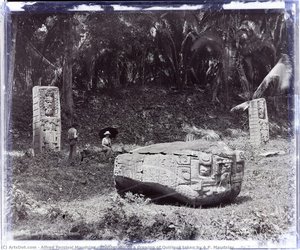
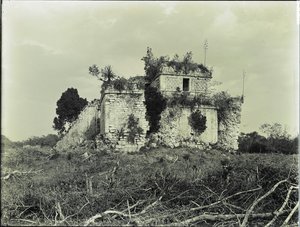
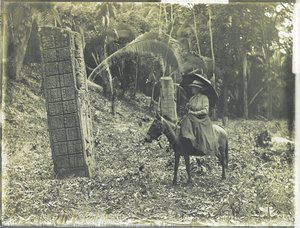
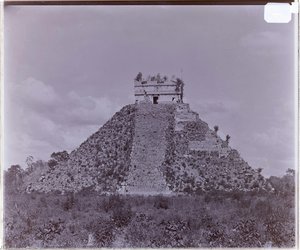
Las fotografías y escritos de Maudslay han sido preservados, ofreciendo un vistazo único al mundo de la arqueología del siglo XIX. Su obra se puede encontrar en varios museos, incluido el Museo Británico (Londres, Reino Unido), que alberga varias de sus fotografías.- fotografía de Chichén Itzá realizada por A.P. Maudslay (16 x 21 cm, Museo Británico, fotografía)
- fotografía de Chichén Itzá realizada por A.P. Maudslay (25 x 30 cm, Museo Británico, fotografía)
- fotografía de Copán realizada por A.P. Maudslay (31 x 25 cm, Museo Británico, fotografía)
Conclusión
El legado de Alfred Percival Maudslay es un testimonio del poder de la curiosidad y la exploración. Desde sus primeros días como administrador colonial hasta sus últimos años como arqueólogo, el trabajo de Maudslay continúa inspirando y educando.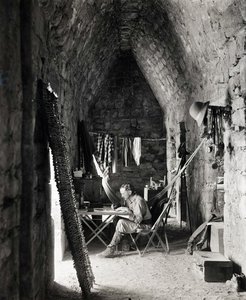
Alfred Percival Maudslay
1850 - 1931 , Reino Unido
Datos clave
- Fecha De Fallecimiento: 1931
- Fecha De Nacimiento: 1850
- Lugar De Nacimiento: Londres, Reino Unido
- Movimiento Artístico O Estilo: Arqueología/Fotografía
- Nacionalidad: Británico
- Nombre Completo: Alfred Percival Maudslay
- Obras Notables: ['Fotografía de Chichén Itzá']
Artículos relacionados
Alfred Munnings: Las 25 Obras Maestras del Pintor de Caballos | ArtsDot
Descubre las 25 obras maestras de Alfred Munnings, el pintor británico de caballos por excelencia. Explora su impresionismo inglés, escenas campestres y técnica única. Encuentra reproducciones de arte de alta calidad en ArtsDot.com.
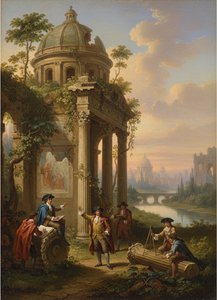
Hubert Robert: Picturing Ruins, Preserving Memory – A Study of Romantic Antiquarianism & Artistic Innovation
Explore the captivating world of Hubert Robert, master of Romantic landscape painting & 'capriccio' ruins. Discover his historical context, artistic innovations, and collecting insights with ArtsDot.

Alfred Stevens: Capturing Parisian Elegance & Fin-de-Siècle Intimacy
Discover the captivating world of Alfred Stevens, master of Parisian elegance & intimate portraiture. Explore his techniques, influences, and legacy – a prized collection for discerning art enthusiasts.
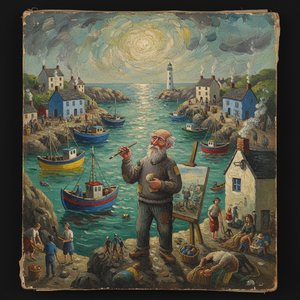
Alfred Wallis: Rediscovering the Naïve Visionary of Cornish Life
Discover the captivating world of Alfred Wallis, the self-taught Cornish painter championed by modernists. Explore his unique naive style, maritime scenes & lasting legacy with ArtsDot.
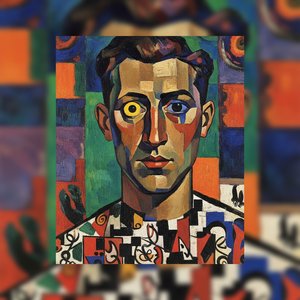
Alfred Henry Maurer: Reassessing the Pioneer of American Modernist Abstraction
Explore the groundbreaking work of Alfred Henry Maurer, a pivotal figure in American Modernism. Discover his Fauvist & Cubist paintings and understand his lasting influence on abstract art. Expert analysis for collectors.