 Ver en contexto
 Enviar
 Compartir
 Detalles

 Descargar
 Similares
 Radiografía
 Presentación de diapositivas
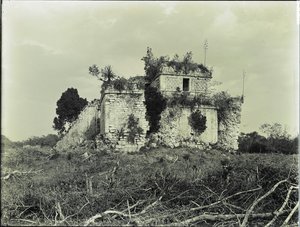
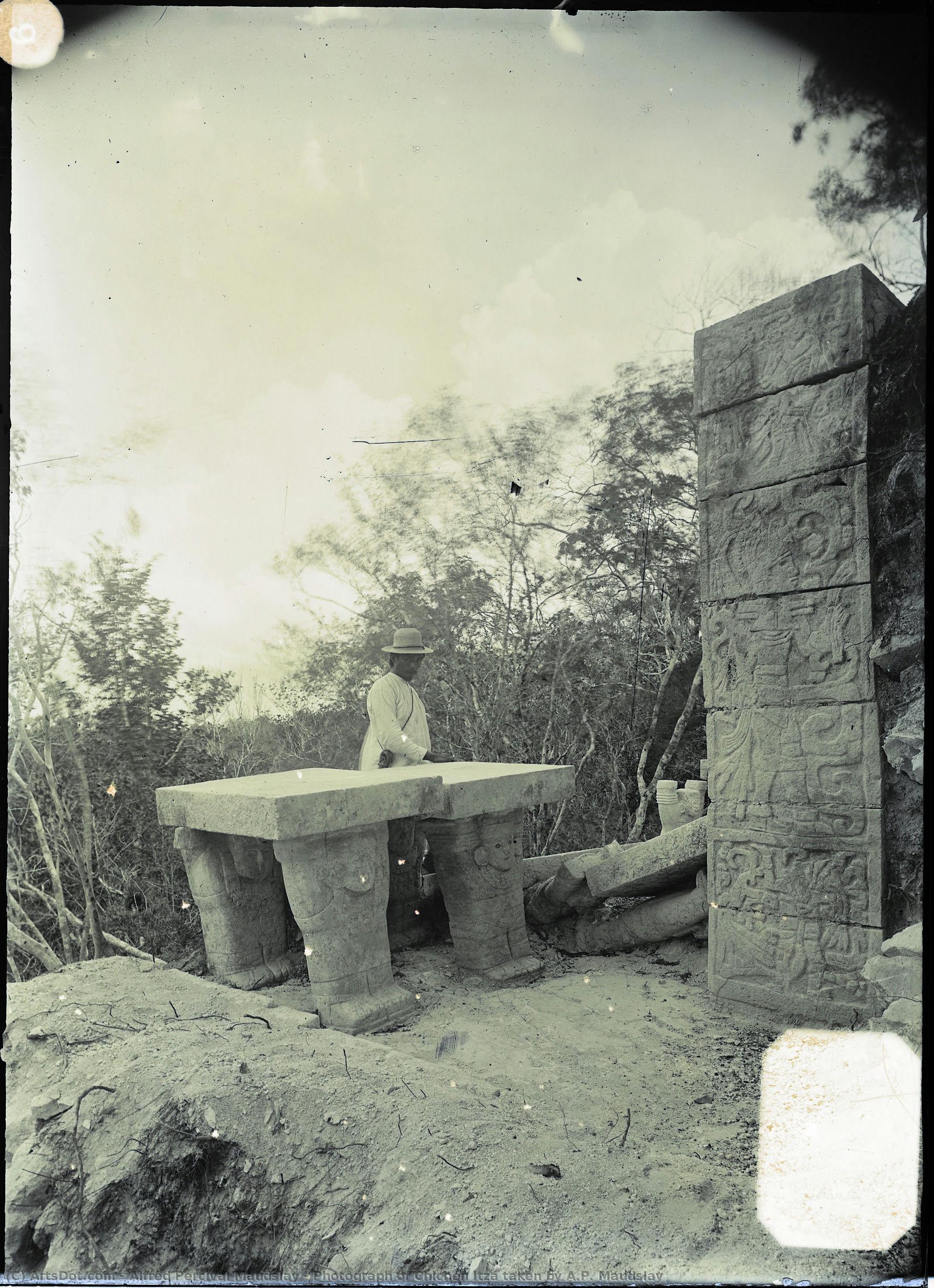
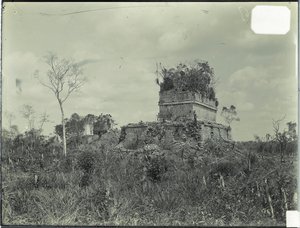
Photograph of Chichén Itzá taken by A.P. Maudslay
 Acrylic
- WallArt
- Documentary Photography
 1894
1894 12.0 x 16.0 cm
 Museo Británico
 Ver más
Reproducción al óleo hecha a mano
Óleo sobre lienzo pintado a mano en el tamaño y marco de su elección, realizado por encargo por nuestros artistas. ( Comprar impresión Comprar imagen)




P118B $10

P118H $10

P118W $10

P438Z $10

P508JH $12

P508YH $12

P805H $10

P805Z $10

P919BZ $10

P919G $10

P919XJ $10

P959ZH $10

P968JZ $12

W106C $8

W218G $10

W218JH $8

W218Y $10

W307PJ $10

W316G $10

W316PJ $8

W316Y $10

W398PJ $8

W4111J $10

W500HY $15

W500JH $15

W692G $12

W849H $8

W940BG $15

W953PJ $8




Elija entre nuestros tamaños predefinidos que respetan las proporciones originales de la obra.

Puede ingresar sus propias dimensiones para adaptarse a un marco o espacio específico. Si el tamaño seleccionado no coincide con las proporciones de la imagen original, recortaremos la obra o extenderemos la pintura con elementos adicionales pintados a mano. Se le enviará una maqueta digital para su aprobación antes de comenzar la producción.
Tenga en cuenta que la vista previa en pantalla no refleja el recorte o la extensión reales. Solo la maqueta mostrará con precisión la composición final.
Si bien existen tamaños personalizados, recomendamos seleccionar una dimensión de la lista predefinida para preservar las proporciones originales.
Tras realizar el pedido, el equipo de ArtsDot.com enviará un correo electrónico al cliente para solicitar instrucciones y proporcionarle una vista previa del boceto.
Envío a todo el mundo () en 3-4 semanas en lugar de las 5 semanas estándar. (2 septiembre). Sin comprometer la calidad.

Envío exprés gratuito a todo el mundo

Lienzo de lino de alta calidad

Seguro de envío total

Garantía de reembolso de impuestos aduaneros

Garantía de fidelidad cromática exacta

Política de devolución de 60 días (solo por defectos)

Garantía de devolución del 100% del dinero

Descuento por cantidad
 La opción de vidrio solo está disponible en tamaños inferiores a 110 cm.

Photograph of Chichén Itzá taken by A.P. Maudslay
Técnica de reproducción
Dimensiones de la reproducción
-


Precio total final
$ 263
A Window into the Ancient World: Alfred Percival Maudslay’s 1894 Photograph of Chichén Itzá
The image before you isn't merely a photograph; it’s a portal. Captured in stark black and white during 1894 by British colonial administrator and archaeologist, Alfred Percival Maudslay, this remarkable wet collodion print offers an intimate glimpse into the heart of Chichén Itzá – the sprawling Mayan city nestled within the Yucatán Peninsula of Mexico. More than just a depiction of weathered stone and verdant jungle, it’s a tangible connection to a civilization that flourished centuries ago, preserved through Maudslay's meticulous eye and pioneering photographic techniques.
Maudslay wasn’t simply documenting ruins; he was actively engaged in the burgeoning field of archaeological investigation. His journey to Guatemala marked a pivotal moment, shifting his focus from colonial administration to the painstaking study of Mayan culture. This photograph represents the culmination of that shift – a testament to his dedication and a crucial piece of evidence for understanding the grandeur and complexity of this ancient metropolis.
The Anatomy of an Image: Technique and Composition
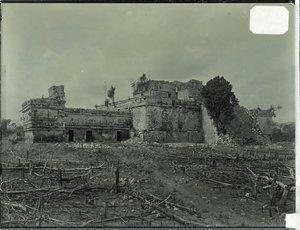
Examining the details reveals a masterful application of photographic principles. The image’s horizontal format immediately establishes a sense of scale, emphasizing the monumental nature of Chichén Itzá. Maudslay skillfully employs a one-point perspective, drawing the viewer's eye towards the central stone structure – likely a temple or fortress – which dominates the frame with its weathered walls and crumbling grandeur. The careful positioning of this architectural marvel is balanced by the subtle inclusion of foreground elements: uneven ground and sparse foliage that act as gentle guides, leading the observer deeper into the scene.
- Wet Collodion Process: The image was created using the wet collodion process, a demanding technique requiring immediate exposure. This method produced images with exceptional detail and tonal range – qualities particularly evident in the subtle variations of light and shadow across the stone surfaces.
- Compositional Balance: The arrangement of elements creates a harmonious balance between the monumental architecture and the natural environment, highlighting the interconnectedness of human creation and the surrounding landscape.
- Sharp Detail: Maudslay’s attention to detail is remarkable, capturing the intricate carvings and textures of the stone with astonishing clarity – a testament to his patience and skill as a photographer.
Symbolism and Historical Context
Beyond its technical merits, the photograph resonates with layers of symbolism. The Mayan civilization itself embodies themes of astronomical knowledge, religious devotion, and sophisticated engineering—all subtly reflected in the image’s composition. The pyramid's alignment with celestial events speaks to the Mayans’ profound understanding of the cosmos, while the intricate carvings hint at their complex belief system. Furthermore, the photograph offers a rare glimpse into the era of early tourism – Maudslay was among the first Westerners to document Chichén Itzá for a wider audience, initiating a dialogue between the modern world and this ancient legacy.
The image also reflects the colonial context in which it was created. Maudslay’s work was part of a broader effort by European scholars to study and categorize non-European cultures – an endeavor often fraught with ethical complexities. However, his meticulous documentation undeniably contributed to our understanding of Mayan civilization.
A Legacy Preserved: The Enduring Power of the Image
Alfred Percival Maudslay’s photograph of Chichén Itzá is more than just a historical artifact; it's a powerful reminder of the enduring legacy of the Mayan people. Its stark beauty, technical precision, and evocative symbolism continue to captivate viewers today. Reproductions offer an accessible way to experience this remarkable image, bringing the grandeur of Chichén Itzá into any space and sparking curiosity about one of history’s most fascinating civilizations. Consider a high-quality giclee print – a faithful representation that honors Maudslay's original vision and allows you to own a piece of this extraordinary story.
Obras relacionadas
Biografía del artista
Primeros años y educación
Alfred Percival Maudslay, administrador colonial británico y arqueólogo, nació el 18 de marzo de 1850 en Londres, en una familia adinerada. Estudió ciencias naturales en Trinity Hall, Cambridge, obteniendo su licenciatura en 1872.Carrera y viajes
Los primeros planes de Maudslay para una carrera médica se postergaron mientras viajaba con su hermano, recorriendo Centroamérica, México y partes de los Estados Unidos. Este viaje despertó un interés por la arqueología, el cual definiría más tarde su legado. Tras regresar a casa, Maudslay pospuso nuevamente la escuela de medicina para viajar a Islandia en 1873. Su bronquitis crónica lo llevó a buscar un clima más cálido, lo que resultó en una serie de puestos en Jamaica, Trinidad y, finalmente, el Pacífico Sur.Contribuciones arqueológicas
El tiempo de Maudslay en las colonias del Pacífico británico sentó las bases para sus futuras indagaciones arqueológicas. Se interesó por la recolección de materiales etnográficos, lo que eventualmente contribuiría a la formación del Museo Universitario de Arqueología y Etnología de Cambridge. Su amigo, el ornitólogo Osbert Salvin, animó a Maudslay a explorar las ruinas mayas de Quiriguá y Copán.Logros notables
Maudslay fue el primero en describir el sitio de Yaxchilán.
Exploró Chichén Itzá en la década de 1880, tomando extensas fotografías.
Publicó la primera descripción detallada de Chichén Itzá en su libro, Biologia Centrali-Americana.
Realizó una traducción completa con anotaciones de la Historia de Bernal Díaz del Castillo, que sigue siendo la edición estándar en inglés.
Legado artístico
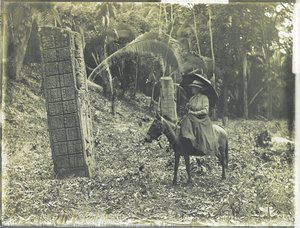
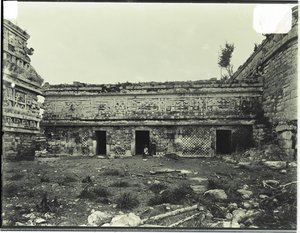
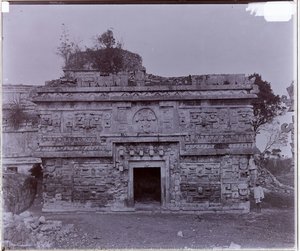
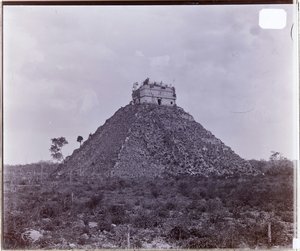
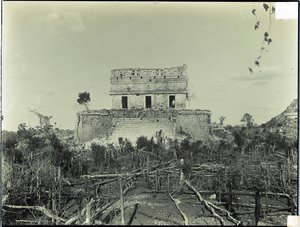
Las fotografías y escritos de Maudslay han sido preservados, ofreciendo un vistazo único al mundo de la arqueología del siglo XIX. Su obra se puede encontrar en varios museos, incluido el Museo Británico (Londres, Reino Unido), que alberga varias de sus fotografías.- fotografía de Chichén Itzá realizada por A.P. Maudslay (16 x 21 cm, Museo Británico, fotografía)
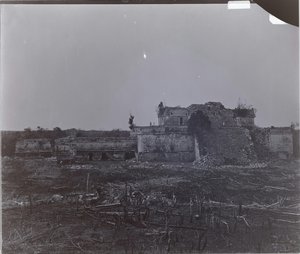
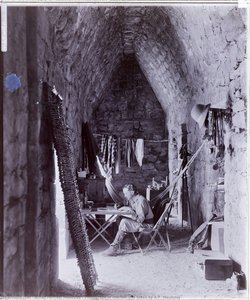
- fotografía de Chichén Itzá realizada por A.P. Maudslay (25 x 30 cm, Museo Británico, fotografía)
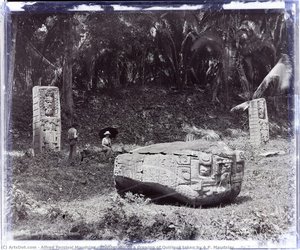
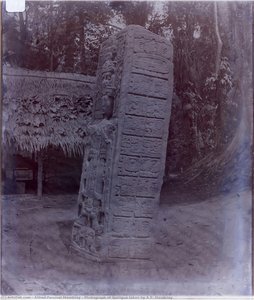
- fotografía de Copán realizada por A.P. Maudslay (31 x 25 cm, Museo Británico, fotografía)
Conclusión
El legado de Alfred Percival Maudslay es un testimonio del poder de la curiosidad y la exploración. Desde sus primeros días como administrador colonial hasta sus últimos años como arqueólogo, el trabajo de Maudslay continúa inspirando y educando.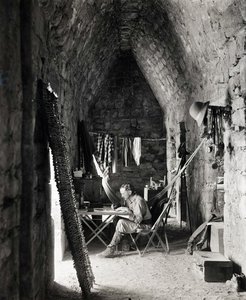
Alfred Percival Maudslay
1850 - 1931 , Reino Unido
Datos clave
- Fecha De Fallecimiento: 1931
- Fecha De Nacimiento: 1850
- Lugar De Nacimiento: Londres, Reino Unido
- Movimiento Artístico O Estilo: Arqueología/Fotografía
- Nacionalidad: Británico
- Nombre Completo: Alfred Percival Maudslay
- Obras Notables: ['Fotografía de Chichén Itzá']
Artículos relacionados

Alfred Munnings: Las 25 Obras Maestras del Pintor de Caballos | ArtsDot
Descubre las 25 obras maestras de Alfred Munnings, el pintor británico de caballos por excelencia. Explora su impresionismo inglés, escenas campestres y técnica única. Encuentra reproducciones de arte de alta calidad en ArtsDot.com.
Beyond the Lens: Photography's Enduring Influence on Modern & Contemporary Art
Explore photography's pivotal role in shaping modern & contemporary art. Discover key movements, influential artists like Stieglitz, and expert collecting advice from ArtsDot.

Pictorialismo: La Búsqueda del Alma de la Fotografía Artística – Estética, Técnicas y Legado
Descubre el Pictorialismo, un movimiento clave en la historia de la fotografía artística. Explora sus técnicas, figuras emblemáticas y su legado perdurable. Guía experta para coleccionistas y amantes del arte.

Monochrome Visions: Exploring the Aesthetic & Historical Significance of Black & White Photography
Explore the rich history & artistic power of black and white photography. From early techniques to iconic masters like Ansel Adams, discover why monochrome continues to captivate art lovers today. Expert insights for collectors.
Witnessing History Through Lens & Light: Documentary Photography's Enduring Legacy
Explore the powerful history of documentary photography – from its origins to contemporary masters like Gordon Parks & W. Eugene Smith. Discover how this art form shapes our understanding of society and witness pivotal moments in time.