 Ver en contexto
 Enviar
 Compartir
 Detalles

 Descargar
 Similares
 Radiografía
 Presentación de diapositivas
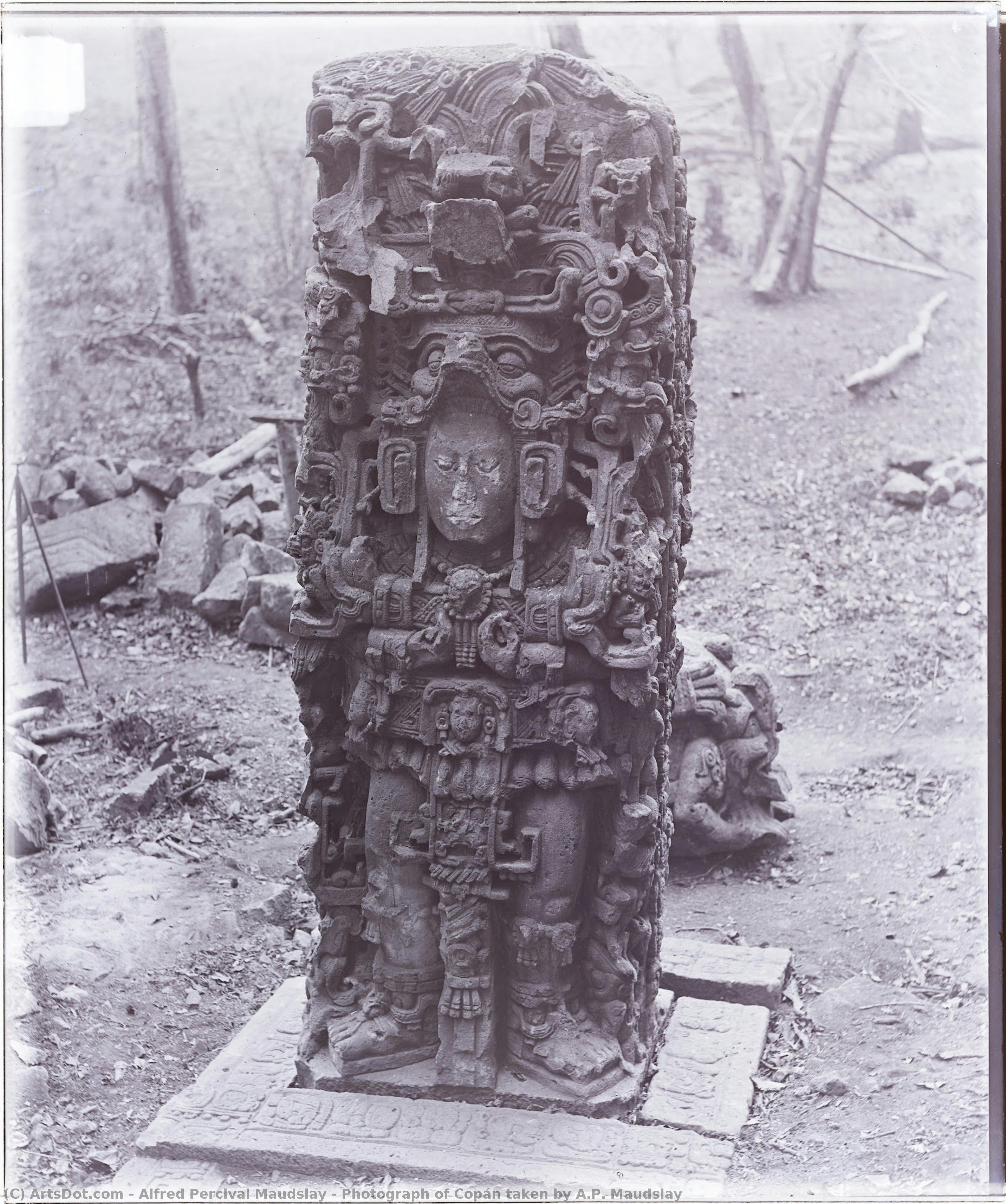
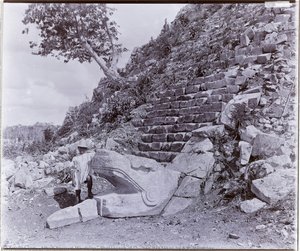
Photograph of Copán taken by A.P. Maudslay
 Acrylic
- WallArt
- Archaeological Photography
 1894
1894 31.0 x 25.0 cm
 Museo Británico
 Ver más
Reproducción al óleo hecha a mano
Óleo sobre lienzo pintado a mano en el tamaño y marco de su elección, realizado por encargo por nuestros artistas. ( Comprar impresión Comprar imagen)




P118B $10

P118H $10

P118W $10

P438Z $10

P508JH $12

P508YH $12

P805H $10

P805Z $10

P919BZ $10

P919G $10

P919XJ $10

P959ZH $10

P968JZ $12

W106C $8

W218G $10

W218JH $8

W218Y $10

W307PJ $10

W316G $10

W316PJ $8

W316Y $10

W398PJ $8

W4111J $10

W500HY $15

W500JH $15

W692G $12

W849H $8

W940BG $15

W953PJ $8




Elija entre nuestros tamaños predefinidos que respetan las proporciones originales de la obra.

Puede ingresar sus propias dimensiones para adaptarse a un marco o espacio específico. Si el tamaño seleccionado no coincide con las proporciones de la imagen original, recortaremos la obra o extenderemos la pintura con elementos adicionales pintados a mano. Se le enviará una maqueta digital para su aprobación antes de comenzar la producción.
Tenga en cuenta que la vista previa en pantalla no refleja el recorte o la extensión reales. Solo la maqueta mostrará con precisión la composición final.
Si bien existen tamaños personalizados, recomendamos seleccionar una dimensión de la lista predefinida para preservar las proporciones originales.
Tras realizar el pedido, el equipo de ArtsDot.com enviará un correo electrónico al cliente para solicitar instrucciones y proporcionarle una vista previa del boceto.
Envío a todo el mundo () en 3-4 semanas en lugar de las 5 semanas estándar. (4 septiembre). Sin comprometer la calidad.

Envío exprés gratuito a todo el mundo

Lienzo de lino de alta calidad

Seguro de envío total

Garantía de reembolso de impuestos aduaneros

Garantía de fidelidad cromática exacta

Política de devolución de 60 días (solo por defectos)

Garantía de devolución del 100% del dinero

Descuento por cantidad
 La opción de vidrio solo está disponible en tamaños inferiores a 110 cm.

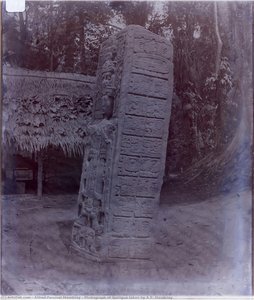
Photograph of Copán taken by A.P. Maudslay
Técnica de reproducción
Dimensiones de la reproducción
-


Precio total final
$ 263
A Window into Ancient Majesty: The Photograph of Copán by Alfred Percival Maudslay
The image before you isn’t merely a photograph; it's a portal. A meticulously crafted window into the heart of ancient Copán, Honduras – a lost Maya city brimming with intricate carvings and a civilization that flourished for centuries before fading into the mists of time. Captured in 1894 by the intrepid explorer and archaeologist, Alfred Percival Maudslay, this black-and-white print offers an intimate glimpse of a world both profoundly familiar and utterly alien to our modern sensibilities.
Maudslay’s work was driven by a deep fascination with Mesoamerican cultures. He wasn't simply documenting ruins; he sought to understand the people who built them, their beliefs, and their daily lives. His approach was revolutionary for his time – prioritizing detailed observation and careful recording over grand, sweeping narratives. This photograph exemplifies that dedication, showcasing Stela N, a monumental stone monument standing proudly within Copán’s Great Plaza. The composition is remarkably balanced, drawing the eye to the central figure while subtly hinting at the surrounding jungle landscape, a constant reminder of the city's integration with its natural environment.
The Art of Observation: Technique and Process
Examining the photograph closely reveals the artistry inherent in Maudslay’s method. He employed a wet-plate collodion process – a demanding technique requiring immediate exposure, development, and fixing. This meant that every shot was precious, each detail painstakingly captured within a limited timeframe. The resulting image possesses a remarkable clarity and depth of field, particularly considering the era in which it was created. Note the subtle gradations of tone, the delicate textures of the stone, and the way the light plays across the surface – all testament to Maudslay’s skill as a photographer and his meticulous attention to detail.
The photograph itself is presented on a relatively small scale—31 x 25 cm—a deliberate choice by Maudslay. This size likely facilitated portability, allowing him to carry the prints with him during his extensive fieldwork. It also suggests a desire for intimate viewing, inviting the viewer to connect directly with the subject matter.
Symbolism and Context: Echoes of a Lost Civilization
Stela N itself is a key element of this image’s narrative. These monumental stone stelae served as public records, chronicling the reigns of rulers, commemorating important events, and conveying religious beliefs. The figure depicted on Stela N likely represents a Maya deity or ruler, his features rendered with remarkable precision by the skilled artisans who carved the stone. The surrounding trees, visible in the background, are not merely decorative; they represent the vital connection between the Maya people and their environment – a relationship that underpinned their entire worldview.
Copán’s decline remains shrouded in mystery, though theories range from overpopulation and environmental degradation to warfare and political instability. Maudslay's work, particularly this photograph, helps us bridge the gap between the present and the past, offering a tangible connection to a civilization that once thrived in Central America. The image speaks volumes about the enduring legacy of the Maya people and their sophisticated culture.
A Timeless Masterpiece: Reproduction and Appreciation
Today, this photograph by Alfred Percival Maudslay is housed at the British Museum, a testament to its historical significance and artistic merit. High-quality reproductions are now available, allowing art lovers and collectors alike to experience the beauty and power of this remarkable image. When selecting a reproduction, consider the materials used – archival quality paper and inks will ensure that the colors remain vibrant for generations to come.
More than just an image, it’s a window into a lost world—a reminder of the ingenuity, artistry, and enduring spirit of the Maya civilization. Let this photograph inspire you to delve deeper into the mysteries of ancient Mesoamerica and appreciate the profound beauty that can be found in the echoes of the past.
Obras relacionadas
Biografía del artista
Primeros años y educación
Alfred Percival Maudslay, administrador colonial británico y arqueólogo, nació el 18 de marzo de 1850 en Londres, en una familia adinerada. Estudió ciencias naturales en Trinity Hall, Cambridge, obteniendo su licenciatura en 1872.Carrera y viajes
Los primeros planes de Maudslay para una carrera médica se postergaron mientras viajaba con su hermano, recorriendo Centroamérica, México y partes de los Estados Unidos. Este viaje despertó un interés por la arqueología, el cual definiría más tarde su legado. Tras regresar a casa, Maudslay pospuso nuevamente la escuela de medicina para viajar a Islandia en 1873. Su bronquitis crónica lo llevó a buscar un clima más cálido, lo que resultó en una serie de puestos en Jamaica, Trinidad y, finalmente, el Pacífico Sur.Contribuciones arqueológicas
El tiempo de Maudslay en las colonias del Pacífico británico sentó las bases para sus futuras indagaciones arqueológicas. Se interesó por la recolección de materiales etnográficos, lo que eventualmente contribuiría a la formación del Museo Universitario de Arqueología y Etnología de Cambridge. Su amigo, el ornitólogo Osbert Salvin, animó a Maudslay a explorar las ruinas mayas de Quiriguá y Copán.Logros notables
Maudslay fue el primero en describir el sitio de Yaxchilán.
Exploró Chichén Itzá en la década de 1880, tomando extensas fotografías.
Publicó la primera descripción detallada de Chichén Itzá en su libro, Biologia Centrali-Americana.
Realizó una traducción completa con anotaciones de la Historia de Bernal Díaz del Castillo, que sigue siendo la edición estándar en inglés.
Legado artístico
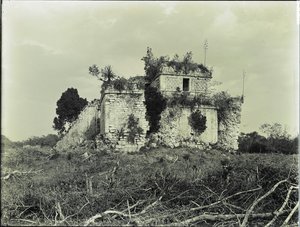
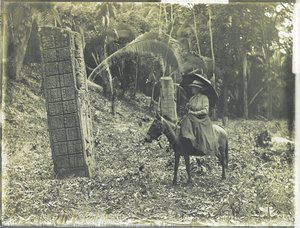
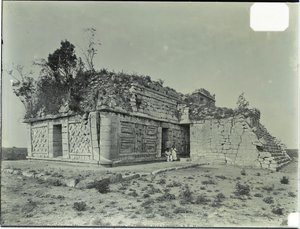
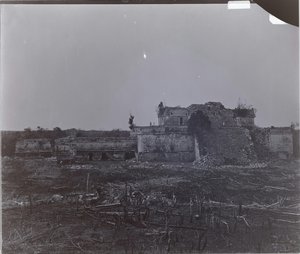
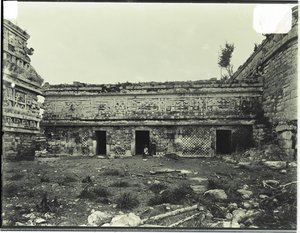
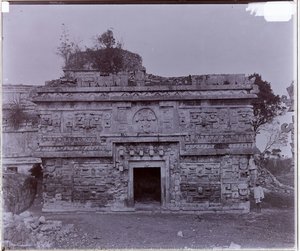
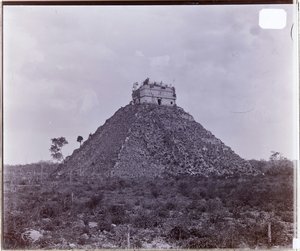
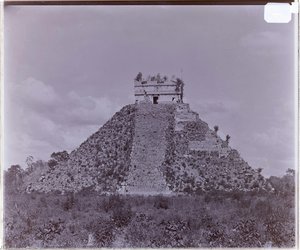
Las fotografías y escritos de Maudslay han sido preservados, ofreciendo un vistazo único al mundo de la arqueología del siglo XIX. Su obra se puede encontrar en varios museos, incluido el Museo Británico (Londres, Reino Unido), que alberga varias de sus fotografías.- fotografía de Chichén Itzá realizada por A.P. Maudslay (16 x 21 cm, Museo Británico, fotografía)
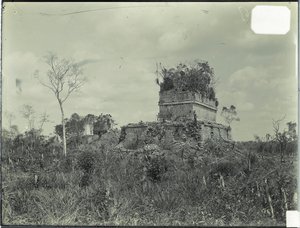
- fotografía de Chichén Itzá realizada por A.P. Maudslay (25 x 30 cm, Museo Británico, fotografía)
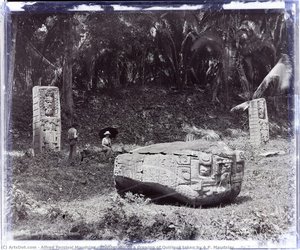
- fotografía de Copán realizada por A.P. Maudslay (31 x 25 cm, Museo Británico, fotografía)
Conclusión
El legado de Alfred Percival Maudslay es un testimonio del poder de la curiosidad y la exploración. Desde sus primeros días como administrador colonial hasta sus últimos años como arqueólogo, el trabajo de Maudslay continúa inspirando y educando.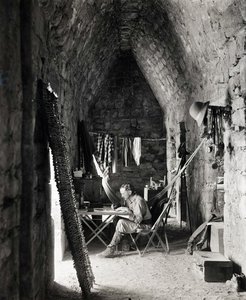
Alfred Percival Maudslay
1850 - 1931 , Reino Unido
Datos clave
- Fecha De Fallecimiento: 1931
- Fecha De Nacimiento: 1850
- Lugar De Nacimiento: Londres, Reino Unido
- Movimiento Artístico O Estilo: Arqueología/Fotografía
- Nacionalidad: Británico
- Nombre Completo: Alfred Percival Maudslay
- Obras Notables: ['Fotografía de Chichén Itzá']
Artículos relacionados

Las 10 Pinturas Más Famosas Dominadas por el Negro | Arte y Decoración
Descubre las 10 pinturas más impactantes dominadas por el negro. Explora obras maestras de Rembrandt, Goya y Rothko, su historia y significado. Encuentra reproducciones de arte exclusivas para transformar tu hogar en .
Las 10 Obras Maestras Dominadas por el Negro Marsella: Arte y Decoración
Descubre las 10 pinturas más famosas dominadas por el negro marsella. Explora la historia, técnica y simbolismo de obras maestras del expresionismo alemán, gótico y arte moderno. Reproducciones de museos en .
Las 10 Obras Maestras del Negro Carbón: Arte, Historia y Decoración
Descubre 10 obras maestras del arte dominadas por el negro carbón. Explora la historia, técnica y significado de cuadros icónicos de artistas como Rembrandt y Goya. Encuentra reproducciones de museo en .
Los 10 Cuadros Más Famosos Dominados por el Negro Marfil: Arte y Decoración
Descubre los 10 cuadros más impactantes dominados por el negro marfil. Explora la historia de Rembrandt, Van Gogh y otros maestros del arte clásico y moderno. Encuentra reproducciones de alta calidad para tu hogar en
Hubert Robert: Picturing Ruins, Preserving Memory – A Study of Romantic Antiquarianism & Artistic Innovation
Explore the captivating world of Hubert Robert, master of Romantic landscape painting & 'capriccio' ruins. Discover his historical context, artistic innovations, and collecting insights with ArtsDot.