 Ver en contexto
 Enviar
 Compartir
 Detalles

 Descargar
 Similares
 Radiografía
 Presentación de diapositivas
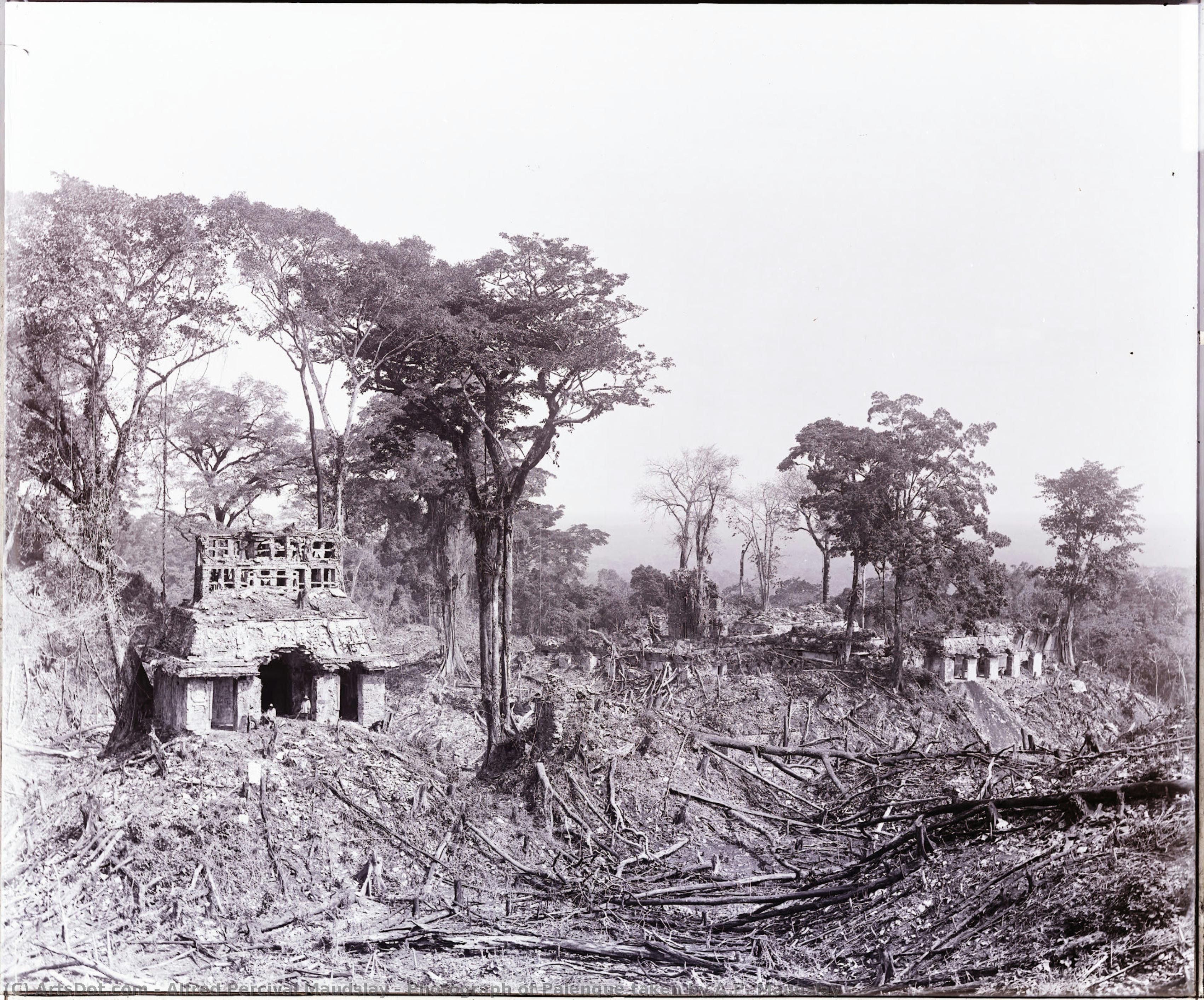
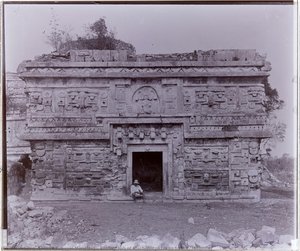
Photograph of Palenque taken by A.P. Maudslay
 Acrylic On Canvas
- WallArt
- Documentary Photography
 1894
1894 25.0 x 30.0 cm
 Museo Británico
 Ver más
Giclée / Impresión de arte
Impresiones giclée o en lienzo de calidad de museo con producción rápida y opciones de acabado flexibles. ( Comprar pintura hecha a mano Comprar imagen)




P118B $10

P118H $10

P118W $10

P438Z $10

P508JH $12

P508YH $12

P805H $10

P805Z $10

P919BZ $10

P919G $10

P919XJ $10

P959ZH $10

P968JZ $12

W106C $8

W218G $10

W218JH $8

W218Y $10

W307PJ $10

W316G $10

W316PJ $8

W316Y $10

W398PJ $8

W4111J $10

W500HY $15

W500JH $15

W692G $12

W849H $8

W940BG $15

W953PJ $8




Elija entre nuestros tamaños predefinidos que respetan las proporciones originales de la obra.

Puede introducir sus propias dimensiones para adaptarse a un marco o espacio específico. Si el tamaño seleccionado no coincide con las proporciones de la imagen original, recortaremos la obra de arte o extenderemos la imagen con un borde con efecto espejo o de color sólido. Se enviará una maqueta digital para su aprobación antes de que comience la producción.
Tenga en cuenta que la vista previa en pantalla no refleja el recorte o la extensión real. Solo la maqueta mostrará con precisión la composición final.
Aunque existen tamaños personalizados, recomendamos seleccionar una dimensión de la lista predefinida para preservar las proporciones originales.
Envío a todo el mundo () en 2 semanas en lugar de las 4/5 semanas estándar. (7 septiembre)

Envío exprés gratuito a todo el mundo

Lienzo de lino de alta calidad

Seguro de envío total

Garantía de reembolso de impuestos aduaneros

Garantía de fidelidad cromática exacta

Política de devolución de 100 días (solo por defectos)

Garantía de devolución del 100% del dinero

Descuento por cantidad
 La opción de vidrio solo está disponible en tamaños inferiores a 110 cm.

Photograph of Palenque taken by A.P. Maudslay
Giclée / Impresión de arte
Dimensiones de la reproducción
-


Precio total final
$ 62
A Silent Echo of Palenque: Maudslay’s Black & White Revelation
Alfred Percival Maudslay's 1894 photograph of the ruins of Palenque in Mexico is more than just a depiction of ancient stones; it’s a poignant window into a vanished world, a testament to early colonial exploration, and a remarkably evocative study in monochrome. Captured during his extensive travels throughout Central America and the Pacific Islands, this silver gelatin print offers a starkly beautiful glimpse into the heart of Mayan civilization – a civilization grappling with both its own decline and the encroaching gaze of European observers.
Maudslay’s photographic journey began not with an intention to document archaeological sites, but as a means of understanding the indigenous populations he encountered. His initial interest lay in collecting ethnographic materials, meticulously documenting customs, languages, and social structures. However, his time amongst the Maya profoundly shifted his focus. The grandeur and mystery of Palenque, a city built around a colossal pyramid dedicated to King Pakal, captivated him. He recognized within its weathered stones not just ruins, but a tangible link to a sophisticated past, one he felt compelled to preserve through his lens.
The Language of Light and Shadow
The photograph’s power resides largely in Maudslay's masterful manipulation of light and shadow. Shot using the wet collodion process – a demanding technique requiring immediate development – the image is rendered entirely in shades of gray, emphasizing texture and form with an almost sculptural quality. The stark contrast between the deep shadows clinging to the pyramid’s base and the brighter patches illuminating the crumbling walls creates a dramatic sense of depth and scale. Notice how the photographer has used the natural light filtering through the dense jungle canopy to cast long, haunting streaks across the stone, lending an ethereal quality to the scene.
The composition itself is carefully considered. Maudslay strategically positions figures – likely members of his expedition party – within the frame, providing a sense of scale and human presence against the monumental backdrop. The inclusion of two dogs adds another layer of narrative, suggesting companionship and perhaps even a shared fascination with this ancient place. The lack of color forces the viewer to focus entirely on these elements, amplifying their impact.
Symbolism in Stone and Silence
Palenque itself is steeped in symbolism. The pyramid, known as the Temple of the Inscriptions, served not only as a royal tomb but also as a complex astronomical observatory. Its intricate carvings depict Mayan cosmology, religious beliefs, and historical events – a visual record of a worldview profoundly different from our own. Maudslay’s photograph captures this symbolic richness, hinting at the layers of meaning embedded within the stone.
The barrenness of the scene—the absence of foliage, the weathered stones—can be interpreted as a metaphor for the decline of the Mayan civilization. Yet, it also speaks to resilience and endurance; the stones themselves remain, silent witnesses to centuries of history. The photograph invites us to contemplate the cyclical nature of empires, the passage of time, and the enduring power of human creativity.
A Timeless Reproduction
Reproduced faithfully in this 25x30 cm print, Maudslay’s Palenque photograph retains its captivating atmosphere. It's a piece that transcends mere documentation; it’s an invitation to step back into the past and contemplate the legacy of a remarkable civilization. Whether displayed as a statement piece in a contemporary interior or studied alongside original archaeological artifacts, this image offers a profound connection to one of history’s most enigmatic cultures.
Obras relacionadas
Biografía del artista
Primeros años y educación
Alfred Percival Maudslay, administrador colonial británico y arqueólogo, nació el 18 de marzo de 1850 en Londres, en una familia adinerada. Estudió ciencias naturales en Trinity Hall, Cambridge, obteniendo su licenciatura en 1872.Carrera y viajes
Los primeros planes de Maudslay para una carrera médica se postergaron mientras viajaba con su hermano, recorriendo Centroamérica, México y partes de los Estados Unidos. Este viaje despertó un interés por la arqueología, el cual definiría más tarde su legado. Tras regresar a casa, Maudslay pospuso nuevamente la escuela de medicina para viajar a Islandia en 1873. Su bronquitis crónica lo llevó a buscar un clima más cálido, lo que resultó en una serie de puestos en Jamaica, Trinidad y, finalmente, el Pacífico Sur.Contribuciones arqueológicas
El tiempo de Maudslay en las colonias del Pacífico británico sentó las bases para sus futuras indagaciones arqueológicas. Se interesó por la recolección de materiales etnográficos, lo que eventualmente contribuiría a la formación del Museo Universitario de Arqueología y Etnología de Cambridge. Su amigo, el ornitólogo Osbert Salvin, animó a Maudslay a explorar las ruinas mayas de Quiriguá y Copán.Logros notables
Maudslay fue el primero en describir el sitio de Yaxchilán.
Exploró Chichén Itzá en la década de 1880, tomando extensas fotografías.
Publicó la primera descripción detallada de Chichén Itzá en su libro, Biologia Centrali-Americana.
Realizó una traducción completa con anotaciones de la Historia de Bernal Díaz del Castillo, que sigue siendo la edición estándar en inglés.
Legado artístico
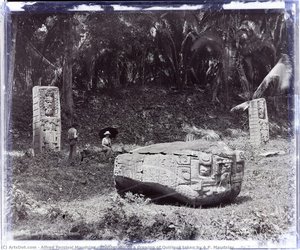
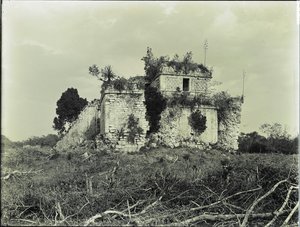
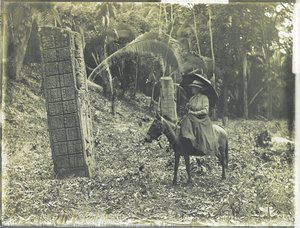
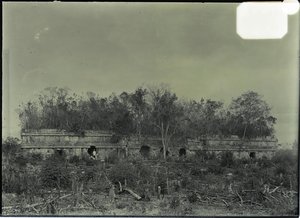
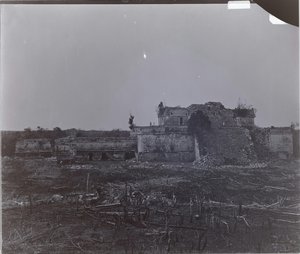
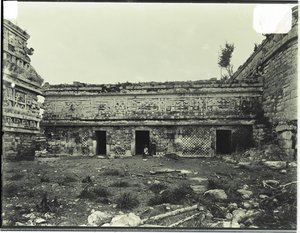
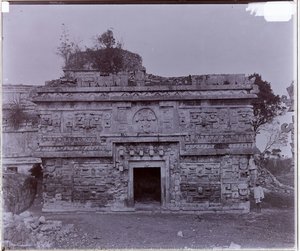
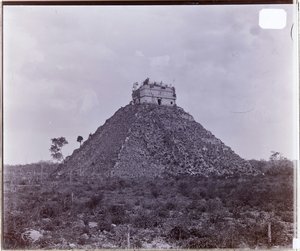
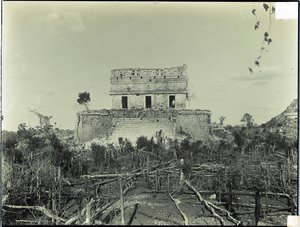
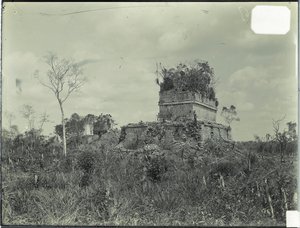
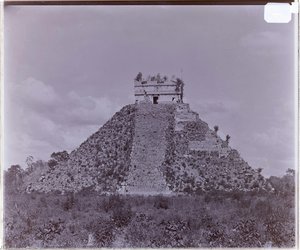
Las fotografías y escritos de Maudslay han sido preservados, ofreciendo un vistazo único al mundo de la arqueología del siglo XIX. Su obra se puede encontrar en varios museos, incluido el Museo Británico (Londres, Reino Unido), que alberga varias de sus fotografías.- fotografía de Chichén Itzá realizada por A.P. Maudslay (16 x 21 cm, Museo Británico, fotografía)
- fotografía de Chichén Itzá realizada por A.P. Maudslay (25 x 30 cm, Museo Británico, fotografía)
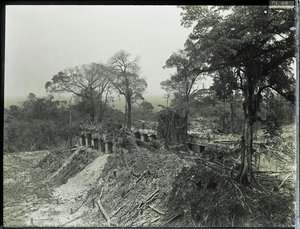
- fotografía de Copán realizada por A.P. Maudslay (31 x 25 cm, Museo Británico, fotografía)
Conclusión
El legado de Alfred Percival Maudslay es un testimonio del poder de la curiosidad y la exploración. Desde sus primeros días como administrador colonial hasta sus últimos años como arqueólogo, el trabajo de Maudslay continúa inspirando y educando.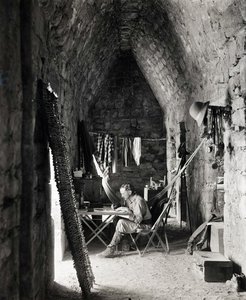
Alfred Percival Maudslay
1850 - 1931 , Reino Unido
Datos clave
- Fecha De Fallecimiento: 1931
- Fecha De Nacimiento: 1850
- Lugar De Nacimiento: Londres, Reino Unido
- Movimiento Artístico O Estilo: Arqueología/Fotografía
- Nacionalidad: Británico
- Nombre Completo: Alfred Percival Maudslay
- Obras Notables: ['Fotografía de Chichén Itzá']
Artículos relacionados

Blanco Sublime: Los 10 Cuadros Más Famosos Dominados por la Luz y el Color
Descubre los 10 cuadros blancos más emblemáticos de la historia del arte. Explora Monet, Van Gogh y Klimt, y su magistral uso de la luz y el color. Encuentra reproducciones de alta calidad e inspírate para tu decoración en .

Las 10 Pinturas Más Famosas Dominadas por el Negro | Arte y Decoración
Descubre las 10 pinturas más impactantes dominadas por el negro. Explora obras maestras de Rembrandt, Goya y Rothko, su historia y significado. Encuentra reproducciones de arte exclusivas para transformar tu hogar en .

Monochrome Visions: Exploring the Aesthetic & Historical Significance of Black & White Photography
Explore the rich history & artistic power of black and white photography. From early techniques to iconic masters like Ansel Adams, discover why monochrome continues to captivate art lovers today. Expert insights for collectors.
Timeless & Chic: Elevating Your New Home with the Sophistication of Black and White Photography
Transform your new home with the timeless allure of black and white photography. ArtsDot.com specializes in elegant monochrome decor and custom hand-painted wedding portraits that turn cherished milestones into lasting, soulful masterpieces. Elevate your space with ease.
Las 10 Obras Maestras Dominadas por el Negro Marsella: Arte y Decoración
Descubre las 10 pinturas más famosas dominadas por el negro marsella. Explora la historia, técnica y simbolismo de obras maestras del expresionismo alemán, gótico y arte moderno. Reproducciones de museos en .