 Ver en contexto
 Enviar
 Compartir
 Detalles

 Descargar
 Similares
 Radiografía
 Presentación de diapositivas
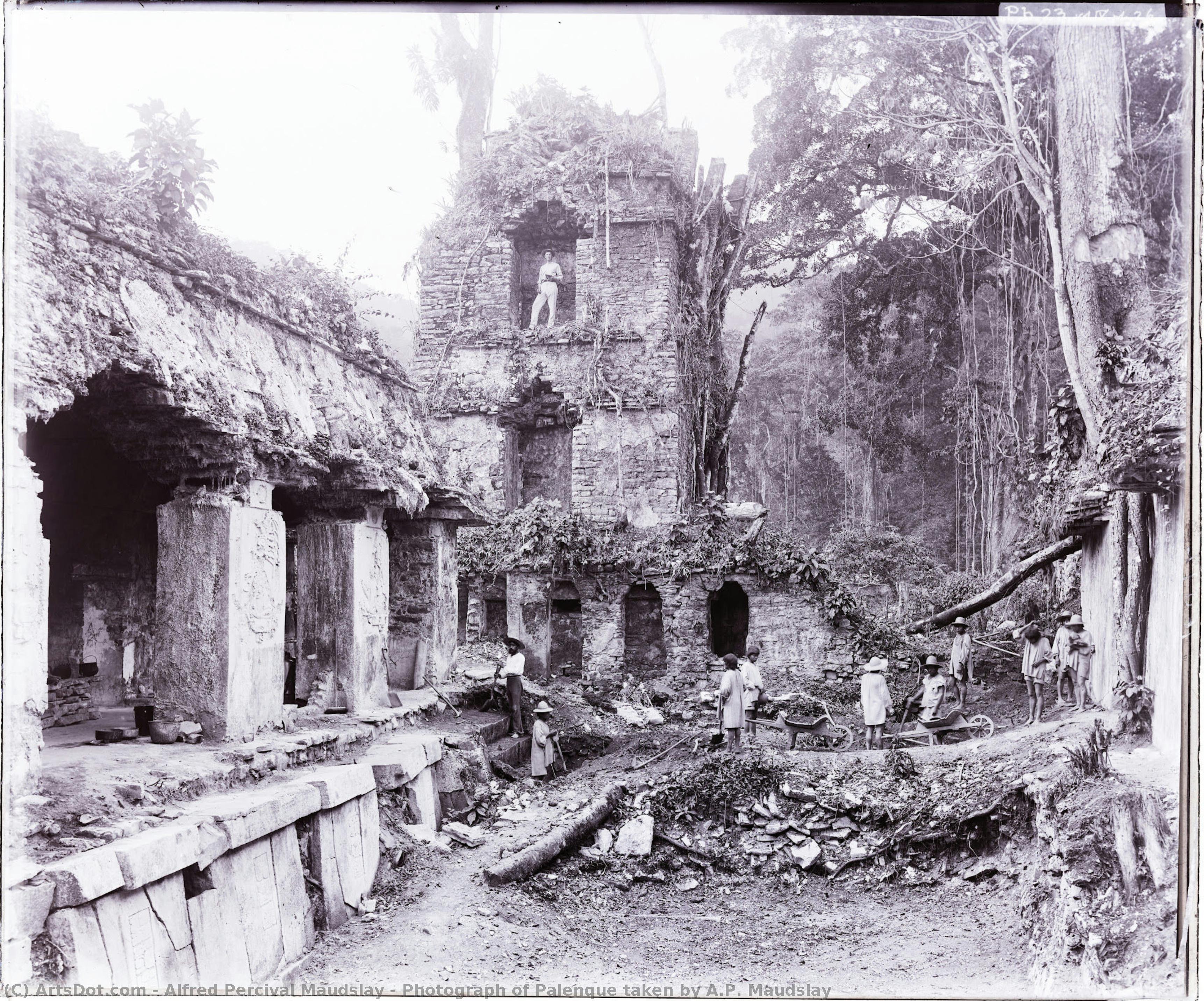
Photograph of Palenque taken by A.P. Maudslay
 Acrylic On Canvas
- WallArt
- Documentary Photography
 1894
1894 25.0 x 30.0 cm
 Museo Británico
 Ver más
Reproducción al óleo hecha a mano
Óleo sobre lienzo pintado a mano en el tamaño y marco de su elección, realizado por encargo por nuestros artistas. ( Comprar impresión Comprar imagen)




P118B $10

P118H $10

P118W $10

P438Z $10

P508JH $12

P508YH $12

P805H $10

P805Z $10

P919BZ $10

P919G $10

P919XJ $10

P959ZH $10

P968JZ $12

W106C $8

W218G $10

W218JH $8

W218Y $10

W307PJ $10

W316G $10

W316PJ $8

W316Y $10

W398PJ $8

W4111J $10

W500HY $15

W500JH $15

W692G $12

W849H $8

W940BG $15

W953PJ $8




Elija entre nuestros tamaños predefinidos que respetan las proporciones originales de la obra.

Puede ingresar sus propias dimensiones para adaptarse a un marco o espacio específico. Si el tamaño seleccionado no coincide con las proporciones de la imagen original, recortaremos la obra o extenderemos la pintura con elementos adicionales pintados a mano. Se le enviará una maqueta digital para su aprobación antes de comenzar la producción.
Tenga en cuenta que la vista previa en pantalla no refleja el recorte o la extensión reales. Solo la maqueta mostrará con precisión la composición final.
Si bien existen tamaños personalizados, recomendamos seleccionar una dimensión de la lista predefinida para preservar las proporciones originales.
Tras realizar el pedido, el equipo de ArtsDot.com enviará un correo electrónico al cliente para solicitar instrucciones y proporcionarle una vista previa del boceto.
Envío a todo el mundo () en 3-4 semanas en lugar de las 5 semanas estándar. (6 septiembre). Sin comprometer la calidad.

Envío exprés gratuito a todo el mundo

Lienzo de lino de alta calidad

Seguro de envío total

Garantía de reembolso de impuestos aduaneros

Garantía de fidelidad cromática exacta

Política de devolución de 100 días (solo por defectos)

Garantía de devolución del 100% del dinero

Descuento por cantidad
 La opción de vidrio solo está disponible en tamaños inferiores a 110 cm.

Photograph of Palenque taken by A.P. Maudslay
Técnica de reproducción
Dimensiones de la reproducción
-


Precio total final
$ 338
A Silent Echo of Majesty: Alfred Percival Maudslay’s Photograph of Palenque
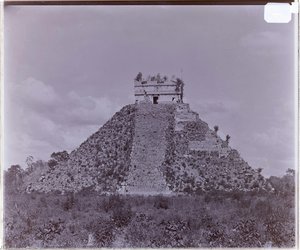
The photograph before us – “Photograph of Palenque taken by A.P. Maudslay” – is more than a simple image; it's a poignant meditation on time, decay, and the enduring spirit of a lost civilization. Captured in 1894, this black and white silver gelatin print transports us to the heart of Mexico’s Yucatán Peninsula, specifically to the crumbling grandeur of Palenque, an ancient Mayan city steeped in myth and history. Maudslay, a British colonial administrator with a burgeoning passion for archaeology, wasn't merely documenting ruins; he was attempting to capture a feeling – the palpable weight of centuries slipping away.
The composition immediately draws the eye into the scene. Towering walls, fractured and overtaken by a relentless embrace of jungle vegetation, dominate the frame. The perspective is linear, guiding our gaze through the labyrinthine remains of palaces and temples, creating an illusion of depth that belies the static nature of the image. Notice how the verticality of the architecture contrasts sharply with the chaotic, yet strangely harmonious, sprawl of vines and roots – a visual representation of humanity’s ambition pitted against the enduring power of the natural world. The diffused lighting suggests an overcast day, lending the scene a somber, almost melancholic quality, amplifying the sense of loss and abandonment.
Technical Mastery and Photographic Process
Maudslay's skill as a photographer is evident in every detail. The image is rendered with remarkable clarity for its age, showcasing an intimate understanding of photographic techniques. The tonal range is expertly controlled, utilizing the subtle gradations of gray to define textures – from the rough, weathered stone of the ruins to the delicate veins of leaves clinging to the crumbling walls. This suggests a traditional printing process, likely albumen or carbon print, known for their rich detail and velvety blacks. The sharpness of the architectural elements is balanced by the soft focus applied to the background foliage, creating a sense of depth and drawing attention to the central subject – the skeletal remains of Palenque’s once-imposing structures.
The choice of black and white further enhances the photograph's impact. Color would have inevitably distracted from the scene’s inherent drama and historical weight. Black and white allows us to focus solely on form, texture, and light, emphasizing the stark contrast between the man-made and the natural. The silver gelatin paper itself contributes to the image’s unique character, imbuing it with a subtle graininess that adds to its vintage feel.
A Symbol of Time's Passage
Beyond its technical merits, this photograph carries profound symbolic weight. Palenque, once a thriving center of Mayan civilization, now stands as a testament to the cyclical nature of history – rise and fall, creation and destruction. The overgrown ruins represent not just physical decay but also the fading memory of a complex culture. The jungle reclaiming its territory is a potent metaphor for the inevitable return of nature to dominate even the most ambitious human endeavors. Maudslay’s image isn't simply a record of a place; it’s an elegy for a lost world, prompting reflection on our own fleeting existence and the legacy we leave behind.
Collecting a Legacy: Reproduction and Artistic Value
Reproductions of this evocative photograph offer a unique opportunity to bring a piece of Mayan history into your home or office. ArtsDot’s hand-painted reproductions meticulously recreate Maudslay's original vision, capturing the same dramatic lighting, textural detail, and emotional resonance. The choice of a hand-painted reproduction ensures an unparalleled level of authenticity, surpassing the limitations of digital prints. Whether displayed as a statement piece in a contemporary setting or incorporated into a historical collection, this image serves as a powerful reminder of the beauty and fragility of human civilization – a silent echo of majesty from a distant past.
Obras relacionadas
Biografía del artista
Primeros años y educación
Alfred Percival Maudslay, administrador colonial británico y arqueólogo, nació el 18 de marzo de 1850 en Londres, en una familia adinerada. Estudió ciencias naturales en Trinity Hall, Cambridge, obteniendo su licenciatura en 1872.Carrera y viajes
Los primeros planes de Maudslay para una carrera médica se postergaron mientras viajaba con su hermano, recorriendo Centroamérica, México y partes de los Estados Unidos. Este viaje despertó un interés por la arqueología, el cual definiría más tarde su legado. Tras regresar a casa, Maudslay pospuso nuevamente la escuela de medicina para viajar a Islandia en 1873. Su bronquitis crónica lo llevó a buscar un clima más cálido, lo que resultó en una serie de puestos en Jamaica, Trinidad y, finalmente, el Pacífico Sur.Contribuciones arqueológicas
El tiempo de Maudslay en las colonias del Pacífico británico sentó las bases para sus futuras indagaciones arqueológicas. Se interesó por la recolección de materiales etnográficos, lo que eventualmente contribuiría a la formación del Museo Universitario de Arqueología y Etnología de Cambridge. Su amigo, el ornitólogo Osbert Salvin, animó a Maudslay a explorar las ruinas mayas de Quiriguá y Copán.Logros notables
Maudslay fue el primero en describir el sitio de Yaxchilán.
Exploró Chichén Itzá en la década de 1880, tomando extensas fotografías.
Publicó la primera descripción detallada de Chichén Itzá en su libro, Biologia Centrali-Americana.
Realizó una traducción completa con anotaciones de la Historia de Bernal Díaz del Castillo, que sigue siendo la edición estándar en inglés.
Legado artístico
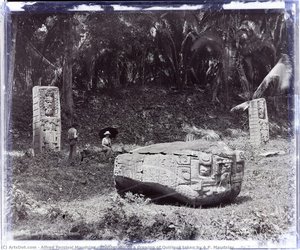
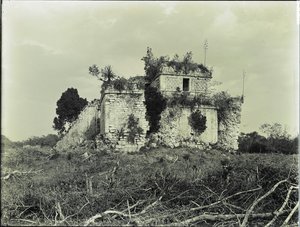
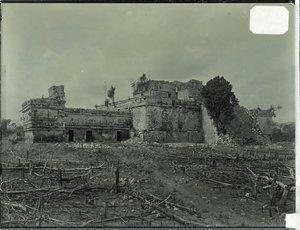
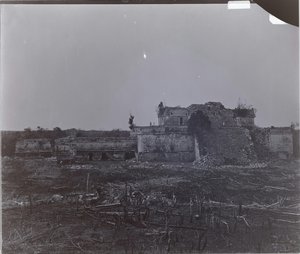
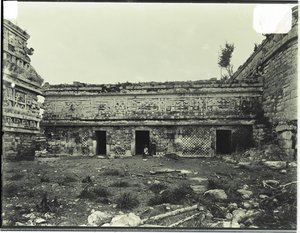
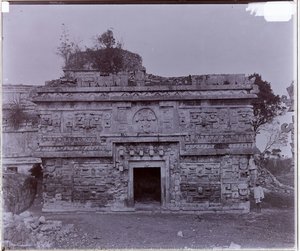
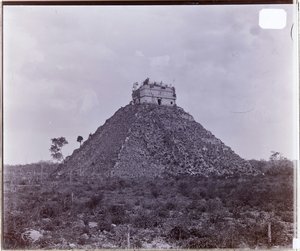
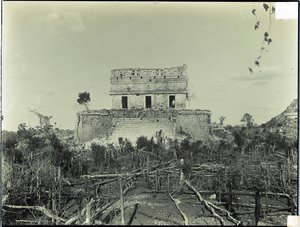
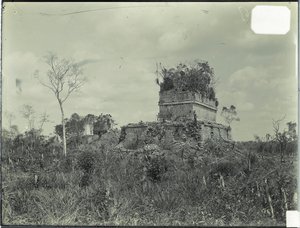
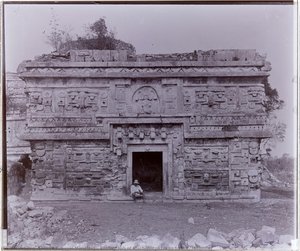
Las fotografías y escritos de Maudslay han sido preservados, ofreciendo un vistazo único al mundo de la arqueología del siglo XIX. Su obra se puede encontrar en varios museos, incluido el Museo Británico (Londres, Reino Unido), que alberga varias de sus fotografías.- fotografía de Chichén Itzá realizada por A.P. Maudslay (16 x 21 cm, Museo Británico, fotografía)
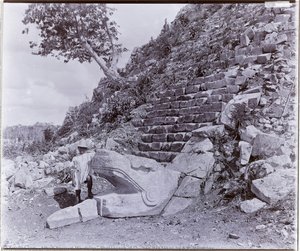
- fotografía de Chichén Itzá realizada por A.P. Maudslay (25 x 30 cm, Museo Británico, fotografía)
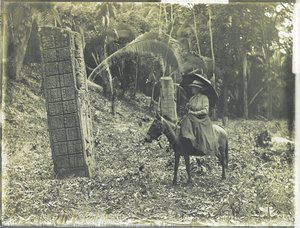
- fotografía de Copán realizada por A.P. Maudslay (31 x 25 cm, Museo Británico, fotografía)
Conclusión
El legado de Alfred Percival Maudslay es un testimonio del poder de la curiosidad y la exploración. Desde sus primeros días como administrador colonial hasta sus últimos años como arqueólogo, el trabajo de Maudslay continúa inspirando y educando.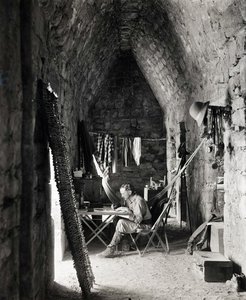
Alfred Percival Maudslay
1850 - 1931 , Reino Unido
Datos clave
- Fecha De Fallecimiento: 1931
- Fecha De Nacimiento: 1850
- Lugar De Nacimiento: Londres, Reino Unido
- Movimiento Artístico O Estilo: Arqueología/Fotografía
- Nacionalidad: Británico
- Nombre Completo: Alfred Percival Maudslay
- Obras Notables: ['Fotografía de Chichén Itzá']
Artículos relacionados

Alfred Munnings: Las 25 Obras Maestras del Pintor de Caballos | ArtsDot
Descubre las 25 obras maestras de Alfred Munnings, el pintor británico de caballos por excelencia. Explora su impresionismo inglés, escenas campestres y técnica única. Encuentra reproducciones de arte de alta calidad en ArtsDot.com.

Las 10 Pinturas Más Famosas Dominadas por el Negro | Arte y Decoración
Descubre las 10 pinturas más impactantes dominadas por el negro. Explora obras maestras de Rembrandt, Goya y Rothko, su historia y significado. Encuentra reproducciones de arte exclusivas para transformar tu hogar en .

Monochrome Visions: Exploring the Aesthetic & Historical Significance of Black & White Photography
Explore the rich history & artistic power of black and white photography. From early techniques to iconic masters like Ansel Adams, discover why monochrome continues to captivate art lovers today. Expert insights for collectors.
Las 10 Obras Maestras Dominadas por el Negro Marsella: Arte y Decoración
Descubre las 10 pinturas más famosas dominadas por el negro marsella. Explora la historia, técnica y simbolismo de obras maestras del expresionismo alemán, gótico y arte moderno. Reproducciones de museos en .
Los 10 Maestros de la Fotografía Documental: Obras que Cambiaron el Arte y la Decoración
Descubre los 10 iconos de la fotografía documental que cambiaron el arte. Explora las historias detrás de obras maestras de Dorothea Lange, Robert Capa y más. Reproducciones de alta calidad para decorar tu hogar con arte atemporal en .